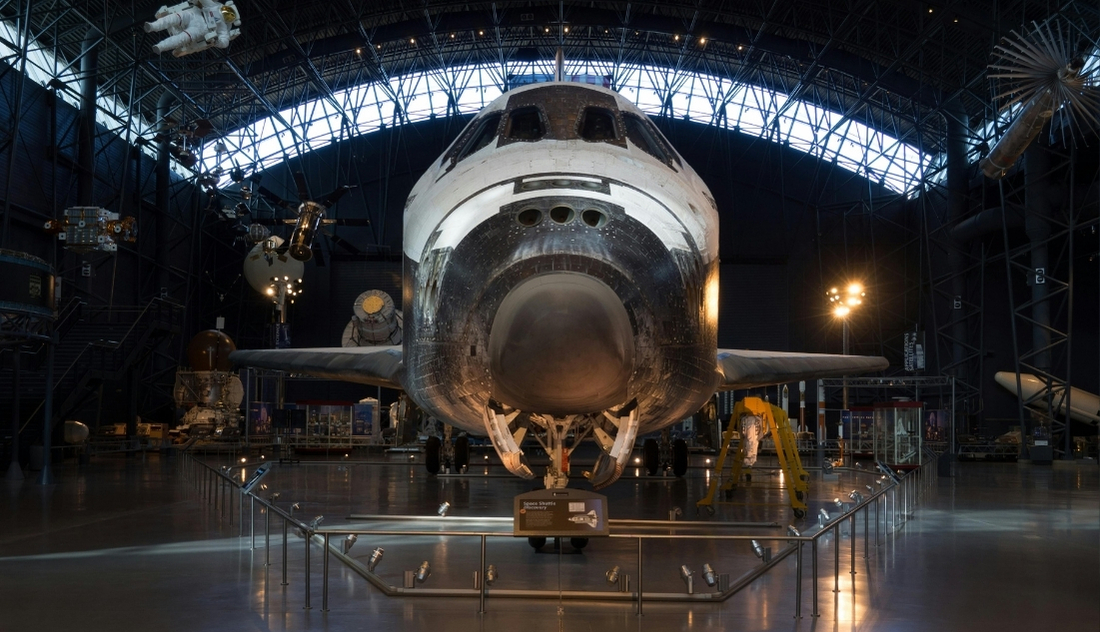
Avionics Engineering Course: Admission, Eligibility, Scope & Career Guide
Advanced electronics and automation are revolutionising aviation, with avionics at the core of this technological shift. If you are passionate about aviation and electronics, pursuing an Avionics Engineering Course can open the door to a dynamic, high-growth career.
In this blog, we explore what avionics engineering is, courses available, admission process, eligibility, and future scope, along with how institutes like IIAEIT help shape successful careers in this field.
What is Avionics Engineering?
Avionics Engineering is a specialised branch of engineering that focuses on the electronic systems used in aircraft, satellites, and spacecraft. These systems ensure safe navigation, communication, and aircraft operations.
It includes areas such as:
Aircraft communication systems
Navigation and radar technologies
Flight control systems
Embedded systems and instrumentation
Avionics engineers are responsible for maintaining and improving these systems, making them critical to the aviation and aerospace industries.
Courses in Avionics Engineering
Students can pursue avionics engineering through various academic pathways depending on their career goals.
At the undergraduate level, a 4-year B.Tech in Avionics Engineering covers electronics and aerospace systems.
Postgraduate programs, such as M.Tech, offer advanced study in avionics control, communication, and space systems.
Diploma courses in avionics or aircraft maintenance provide a practical early entry into the field.
Institutes like IIAEIT offer specialised programs designed to meet industry standards and provide hands-on training in aviation technologies.
Admission Process for Avionics Engineering Course
The admission process for avionics engineering courses typically involves several key steps.
First, students must complete their 10+2 education with Physics, Chemistry, and Mathematics. This is a mandatory requirement for most engineering programs.
Next, candidates may need to appear for entrance exams such as JEE Main, state-level CET exams, or institute-specific tests such as SPACE CET. Based on their scores, students participate in counselling sessions where seats are allocated.
Finally, admission is confirmed after document verification and fee submission. Some institutes also offer merit-based admissions depending on academic performance.
Eligibility Criteria
To apply for an avionics engineering course, students must meet certain eligibility requirements.
They should have completed their 10+2 education with Physics, Chemistry, and Mathematics from a recognised board. Most institutes require a minimum of 45% aggregate marks, although this may vary.
A strong foundation in mathematics and electronics is essential, as the course involves complex technical concepts and problem-solving.
Scope of Avionics Engineering
The scope of avionics engineering is expanding rapidly as aviation and space technology advance.
With increasing air traffic, modernisation of aircraft systems, and growth in defence and space sectors, avionics engineers are in high demand.
Key areas where avionics professionals are needed include:
Commercial aviation
Defence and military aircraft
Drone and UAV technology
Space research and satellite systems
Aircraft maintenance and repair
Career Opportunities After the Avionics Engineering Course
After completing an avionics engineering course, students can explore a wide range of career opportunities.
Some of the most popular roles include avionics engineer, aircraft electronics engineer, flight control systems engineer, radar systems engineer, and UAV or drone engineer.
These roles are available across industries such as aviation companies, defence organisations, aerospace research institutions, and space agencies.
Salary Prospects
The earning potential in avionics engineering is quite attractive and grows with experience and expertise.
Fresh graduates can expect starting salaries ranging between ₹3–6 LPA. With a few years of experience, professionals can earn between ₹7 and 15 LPA. Senior-level engineers and specialists can earn ₹20 LPA or more, especially in global aerospace organisations.
Why Choose IIAEIT for Avionics Engineering?
Choosing the right institute is crucial for building a strong career. IIAEIT (Indian Institute for Aeronautical Engineering & Information Technology) offers specialised programs in avionics and aerospace engineering.
The institute focuses on:
Industry-oriented curriculum
Practical training and lab exposure
Experienced faculty guidance
Skill-based learning approach
Hassle-free entrance exam, ie SPACE-CET
This helps students gain real-world knowledge and prepares them for careers in aviation, defence, and space technology.
Future of Avionics Engineering
The future of avionics engineering is highly promising. With the integration of artificial intelligence, automation, and advanced communication systems in aircraft, the demand for skilled avionics engineers is increasing.
India’s growing aviation sector and expanding space missions further contribute to the rising need for professionals in this field.
Conclusion
The Avionics Engineering Course is an excellent choice for students who want to work at the intersection of aviation and electronics. With strong career prospects, high salary potential, and opportunities in cutting-edge industries, avionics engineering offers a future-ready career path.
By choosing a specialised institute like IIAEIT, students can gain the right skills, practical exposure, and industry knowledge needed to succeed in this evolving field.
The future of aviation is powered by technology, and avionics engineers are at its core.