As electric mobility continues to expand, businesses are increasingly considering how to support this transition by installing charging infrastructure. One of the most important decisions commercial property owners face is choosing between AC and DC charging systems. Understanding the differences, costs, and benefits of each option is essential for making an informed investment that aligns with operational needs and long-term goals.
At a fundamental level, the distinction between AC and DC charging lies in how electricity is delivered to a vehicle. Alternating current, or AC, is the standard form of electricity supplied by the grid. Direct current, or DC, is the form required by a vehicle’s battery. In AC charging systems, the conversion from AC to DC happens inside the vehicle using an onboard charger. In contrast, DC charging systems perform this conversion externally, delivering DC power directly to the battery. This difference significantly affects charging speed, infrastructure requirements, and overall cost.
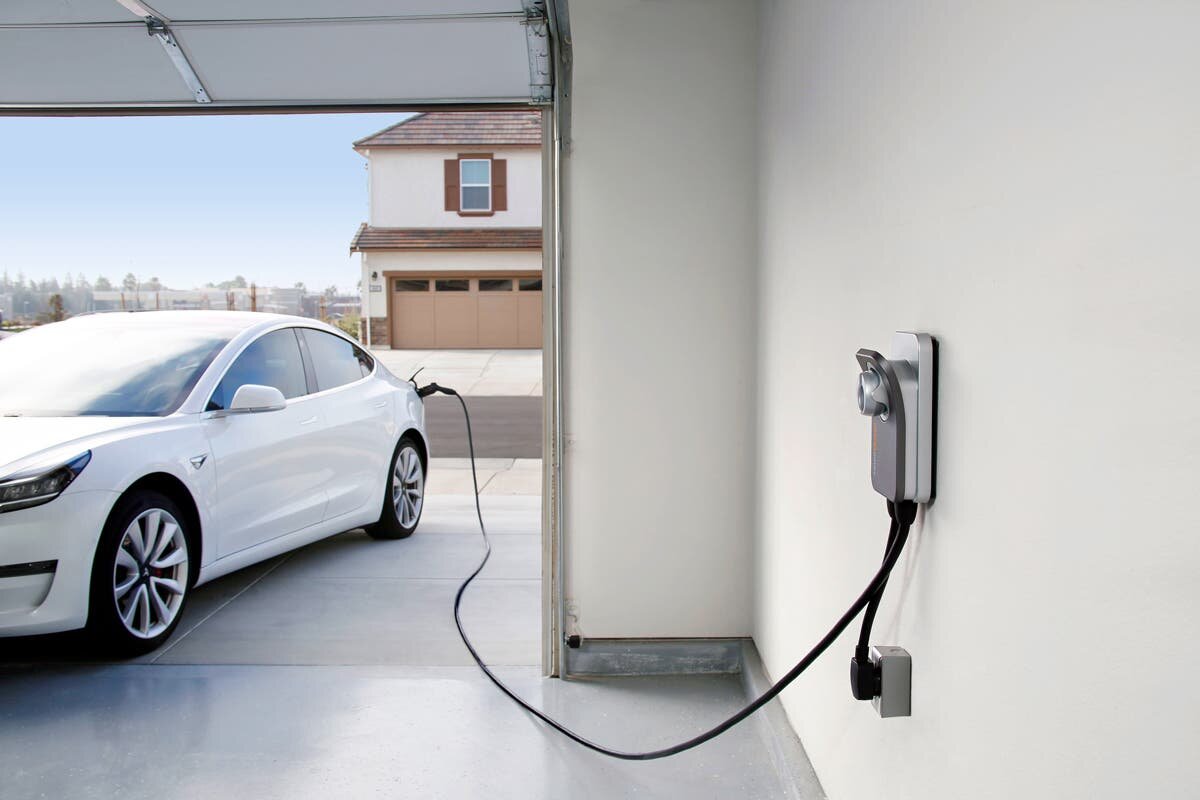
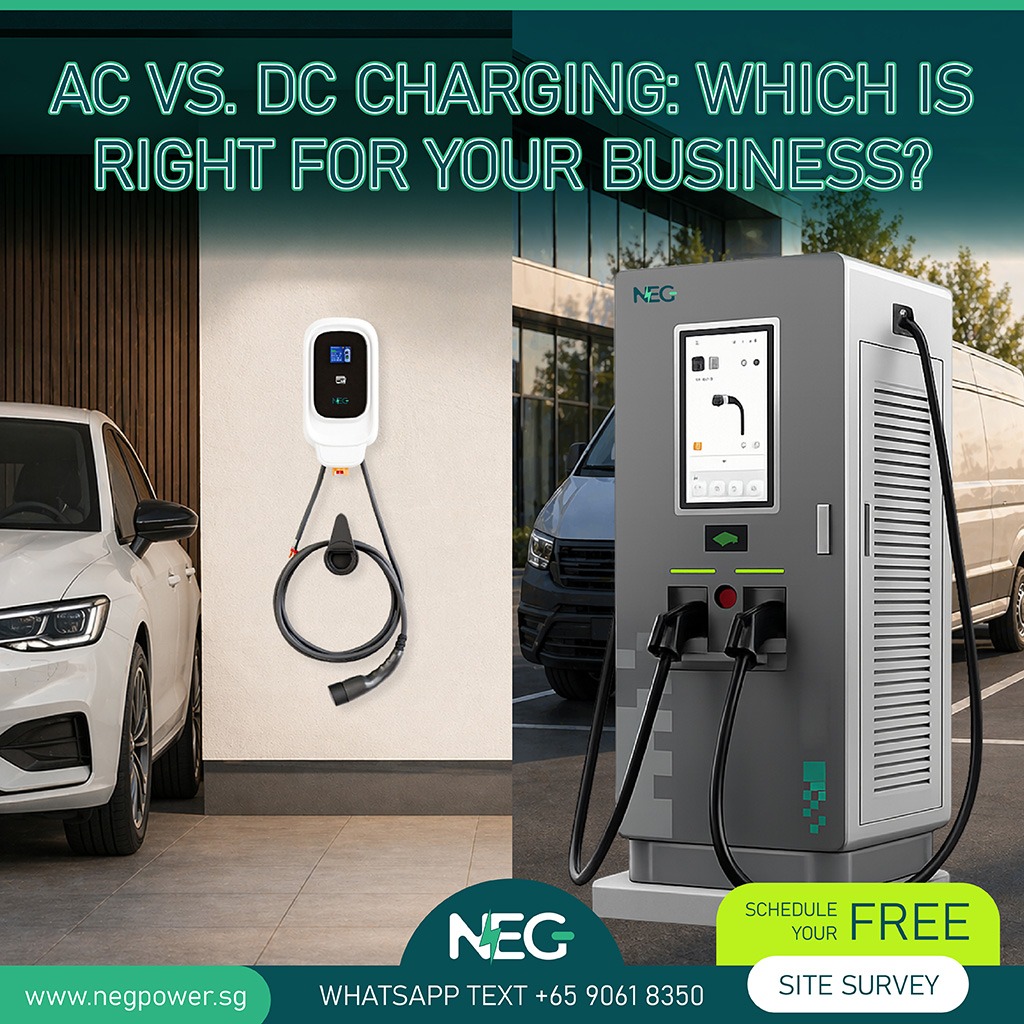
AC charging is commonly referred to as slow or Level 2 charging. It is widely used in residential and workplace settings due to its relatively low installation cost and simplicity. An AC Electric vehicle Charger Singapore typically provides power in the range of 7 kW to 22 kW, depending on the system and electrical capacity. This makes it suitable for locations where vehicles are parked for extended periods, such as offices, hotels, and retail centers.
The primary advantage of AC charging is affordability. The equipment itself is less expensive than DC systems, and installation costs are generally lower because it requires less complex electrical infrastructure. For businesses with limited budgets or those just beginning to offer charging services, AC charging presents a practical entry point. Additionally, operating costs are manageable, and maintenance requirements are relatively minimal.
However, the slower charging speed of AC systems can be a limitation in certain scenarios. Vehicles may take several hours to fully charge, which may not be ideal for locations where quick turnover is expected. For example, in high-traffic commercial areas where customers or visitors spend only a short time, slow charging may not meet user expectations. In such cases, the value of providing charging services could be diminished if users are unable to gain a meaningful charge during their visit.
DC charging, often referred to as fast or rapid charging, addresses this limitation by delivering significantly higher power levels. A DC Electric vehicle Charger Singapore can provide anywhere from 50 kW to over 350 kW, enabling vehicles to charge much more quickly. In many cases, a substantial portion of a battery can be replenished within 20 to 40 minutes, depending on the vehicle and charger capacity.
The speed of DC charging makes it highly attractive for businesses that prioritize convenience and customer turnover. Locations such as highways, commercial hubs, and fleet operations benefit greatly from fast charging capabilities. For these use cases, the ability to quickly recharge vehicles translates into increased usage, higher customer satisfaction, and potential revenue generation.
Despite its advantages, DC charging comes with higher costs. The equipment is significantly more expensive, and installation often requires upgrades to electrical infrastructure, including transformers and higher-capacity connections. These upfront investments can be substantial, making DC charging less accessible for smaller businesses or those with limited capital.
Operating costs for DC systems are also higher, as they consume more power and may incur higher demand charges from utility providers. Maintenance can be more complex due to the advanced technology involved. As a result, businesses must carefully evaluate whether the benefits of faster charging justify the additional expense.
A key factor in deciding between AC and DC charging is understanding user behavior. If vehicles are expected to remain parked for several hours, such as during a workday or overnight stay, AC charging is often sufficient. In these scenarios, the slower charging speed aligns with the duration of parking, making it a cost-effective solution. On the other hand, if users require quick access to charging within a short time frame, DC charging becomes more appropriate.
Another consideration is the type of business and its objectives. For example, workplaces may prioritize employee convenience and sustainability goals, making AC charging an ideal choice. Retail locations, on the other hand, may benefit from a mix of AC and DC systems to cater to different customer needs. Fleet operators, who require rapid turnaround times, are more likely to invest in DC charging to maintain operational efficiency.
Scalability is also an important aspect of the cost-benefit analysis. AC systems are easier to scale incrementally, allowing businesses to add more chargers as demand grows. This flexibility is particularly valuable for organizations that are uncertain about future usage levels. DC systems, while scalable, require more careful planning due to their higher power requirements and infrastructure needs.
Revenue potential is another factor to consider. DC charging can generate higher revenue per session due to its speed and convenience, especially in high-demand locations. However, this depends on factors such as pricing strategy, utilization rates, and local competition. AC charging, while generating lower revenue per session, can still provide value by attracting customers and enhancing the overall experience.
Energy management and grid impact should not be overlooked. AC charging typically places less strain on the electrical system, making it easier to integrate into existing infrastructure. DC charging, with its high power demands, may require load management strategies to prevent excessive strain on the grid. Businesses must work closely with utility providers to ensure that their charging infrastructure is both efficient and sustainable.
Future-proofing is another important consideration. As electric vehicles become more advanced, charging technology will continue to evolve. Investing in infrastructure that can adapt to future needs is essential for long-term success. Many businesses choose to implement a combination of AC and DC charging to balance cost, flexibility, and performance.
In conclusion, the choice between AC and DC charging depends on a variety of factors, including budget, user behavior, business objectives, and infrastructure capabilities. AC charging offers a cost-effective and scalable solution for locations where vehicles remain parked for extended periods, while DC charging provides the speed and convenience needed for high-traffic and time-sensitive environments. By carefully evaluating these factors, businesses can determine the most suitable approach and create a charging strategy that delivers both immediate value and long-term benefits.
Visits us : https://www.negpower.sg/