


It was 2:14 AM.
The plant manager got a call from the shift supervisor. An entire batch of LT power cables had failed insulation resistance testing. The material had already been spooled, tagged, and was 40 minutes away from being dispatched to a state infrastructure project. Nobody had received an alert. No system had flagged the deviation. The operator had manually logged tension readings in a register that nobody checked until something went wrong.
That story is not from a decade ago. It happened in 2023, in a plant that had invested in new Chinese-origin extrusion machinery and honestly believed they were running a modern operation.
The machinery was modern. The process visibility was not.
This is the central tension in cable manufacturing right now. Equipment has outpaced the intelligence layer sitting on top of it. And until that gap closes, quality will keep escaping, yield will keep bleeding, and good plant managers will keep losing sleep over things that should have been caught three shifts earlier.
The Real Quality Problem Is Not on the Shop Floor
When cable manufacturers talk about quality failures, the instinct is to look at the line. Bad conductor, faulty die, undertrained operator. And yes, those things matter.
But in most plants I have seen, the real failure happens before anyone even looks at a test report. It happens in the silence between a process deviation and its detection. Tension goes out of spec at 6 PM. Nobody knows until the final QC check the next morning. By then, 800 meters of cable have been produced on a bad parameter.
If you are running manufacturing software for small business environments, the expectation is not a Rs. 10 crore SCADA system. But it is reasonable to expect that when your process drifts, something tells you. Immediately. Not on a morning report.
The gap between process event and human awareness is where quality escapes live. Closing that gap is the first thing IoT does for cable manufacturing, and it is the most underrated benefit of all.
IoT in Cable Manufacturing Is Not About Sensors. It Is About Signals.
A lot of plants have sensors. Tension sensors, temperature probes, diameter gauges. They generate data continuously. But if that data flows into a PLC log that nobody reads in real time, you have not solved anything. You have just created a more expensive paper trail.
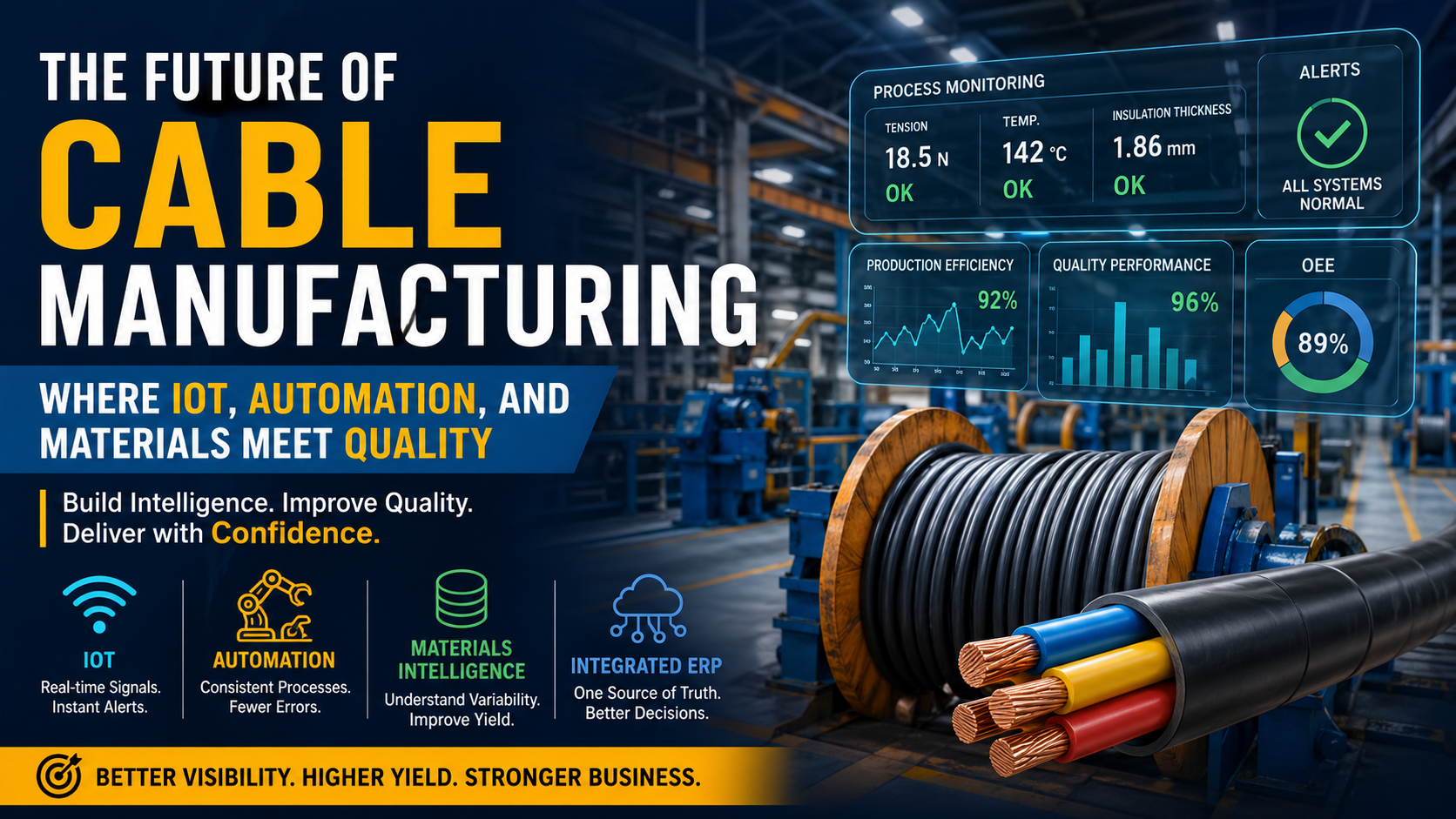
What IoT actually means in a cable plant context is this: your process data needs to trigger decisions, not just records. When insulation thickness at your crosshead drops below tolerance, an alert needs to reach your shift supervisor's phone in under 90 seconds. When your stranding pitch drifts across three consecutive bobbins, your system should flag a pattern before it becomes a failure.
This is achievable today at a price point that makes sense even for a plant doing Rs. 50 to 150 crore in revenue annually. You do not need to rip out your existing machinery. Most modern production equipment supports OPC-UA or Modbus protocols. A middleware integration layer can pull that data and surface it through a dashboard or alert engine that connects to your manufacturing execution system.
The question is not whether the technology exists. It is whether your software stack is built to receive and act on the signal. That is where most cable plants are currently stuck.
Automation That Your Workforce Will Actually Use
Automation is the word that makes shop floor operators nervous. And honestly, that nervousness is understandable. Nobody wants to feel like they are being replaced by a workflow rule.
But the automation that matters most in a cable plant right now has nothing to do with replacing people. It is about removing the manual burden that slows people down and opens the door to errors.
Think about batch scheduling. How many of your production planners still build shift schedules in Excel? How much time is spent manually figuring out which product runs best after which, to minimise die changeover time and material waste? Automated batch sequencing, based on your historical production data, can solve this in minutes. Your planner becomes a decision-maker instead of a spreadsheet manager.
Or SOP compliance. Right now, how do you know that the startup checklist for your VCV line was actually followed before the shift supervisor signed it? With digital SOP enforcement built into your manufacturing software, the system does not let a batch proceed until each checkpoint is confirmed. You get an audit trail that is worth something, not just a paper record that nobody disputes.
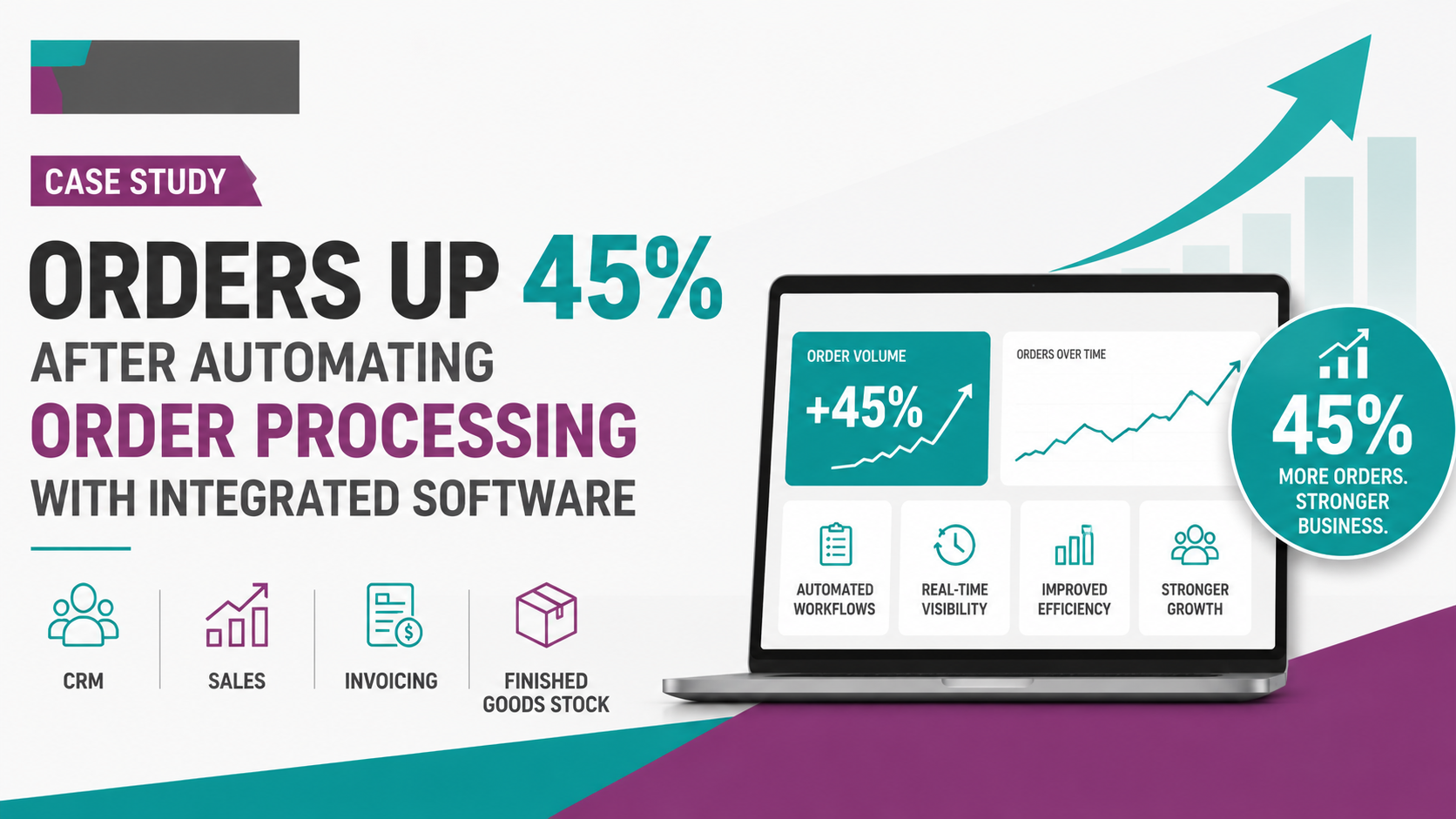
One mid-sized cable manufacturer in Gujarat implemented automated batch scheduling and digital SOP compliance tracking through an integrated ERP in 2022. Within eight months, their rework rate dropped by 28% and on-time delivery improved by 19%. Their operators did not resist the system. They requested training on it, because it took the guesswork out of their shifts.
Your Raw Material Variance Is Silently Destroying Your Yield
This one does not get enough attention. Cable manufacturers obsess over machine parameters and operator performance, but raw material variability is often the silent culprit behind inconsistent output.
Conductor resistivity varies between lots, even from the same supplier. PVC compound viscosity shifts based on storage conditions and shelf age. Aluminium ingot purity fluctuates. If your production system does not link incoming material properties to actual production outcomes, you are essentially flying blind every time a new lot hits your line.
Modern manufacturing software for small business operations should give you material intelligence, not just material tracking. That means connecting your incoming goods inspection data, lot-wise test certificates, and supplier history to your production recipes and output quality. Over time, you build a model that tells you, before you run the lot, how to adjust your parameters to get consistent output despite material variability.
This is not science fiction. It is applied data use. And it is one of the fastest payback areas in the entire ERP investment for a cable manufacturer.
The Case for Integration: Why Disconnected Systems Are the Most Expensive Thing in Your Plant
Most cable manufacturing plants I engage with are running four to seven disconnected systems. A standalone production planning tool. A separate QMS. Accounting in Tally or SAP B1. A procurement system that does not talk to inventory. A maintenance log that exists in a physical register.
Each one of these systems works, in isolation. But together, they create a version of your business that nobody can see whole. Your finance team does not know that a batch rejection last Tuesday is the reason your raw material consumption looks inflated this month. Your procurement team does not know that the copper lot they just approved from a new supplier has an 8% resistivity deviation that your QA team flagged six months ago in a different system.
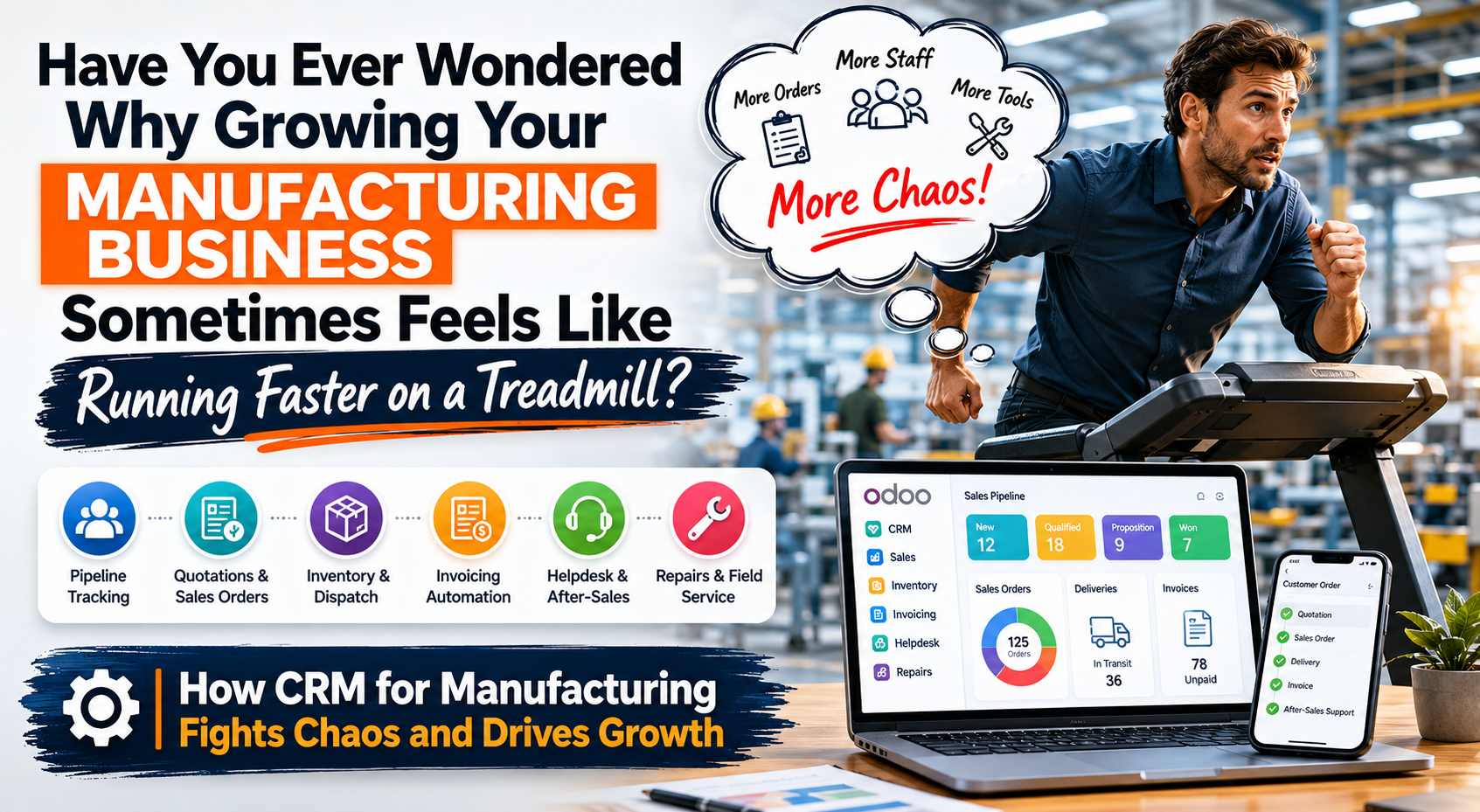
An integrated manufacturing ERP solves this. Not by replacing your people or your instincts, but by giving everyone in the business access to the same version of truth, in real time.
When plant owners evaluate an investment of this scale, the conversation often gets framed around cost. What does the software cost? What is the implementation timeline? What is the ROI?
The better question is this: what is your current disconnected setup costing you? Count the rework batches. Count the quality escapes that reached the customer. Count the overtime spent reconciling reports that should have been automatic. Count the contract penalties. Count the customer relationships that frayed because your delivery commitments were built on a planning process running in Excel.
For most cable manufacturers doing Rs. 50 crore and above in revenue, the hidden cost of disconnected operations runs between Rs. 2 to 4 crore annually. An integrated ERP investment, amortised over five years, typically costs a fraction of that. The math works. The harder part is making the decision to change.
The future of cable manufacturing is not about buying better machines.
It is about building a nervous system around the machines you already have. IoT gives you the signals. Automation gives you the consistency. Materials intelligence gives you the yield. And an integrated software platform ties it all together so you can actually run the business instead of being run by it.
The technology is no longer the barrier. The decision to act is.
If you are a cable manufacturer benchmarking your current setup and want a practical checklist to assess where your operation stands on process visibility, automation maturity, and materials intelligence, drop a comment below or send me a message. Happy to share what we have seen work in this industry.
One question for the cable manufacturing community:
Most plants I speak with are sitting on IoT hardware they bought two or three years ago that is still not connected to anything meaningful. Your sensors are collecting data. But is that data actually driving decisions, or just filling storage?
Are you evaluating manufacturing software for your cable plant? We have helped mid-sized cable manufacturers reduce quality costs and improve delivery performance through integrated ERP implementations. A 20-minute discovery call might be worth your time.
Mobile +91 9971800665 | Email — Sales@apagen.com

Top IoT app development company in dubai, uae.
We offer the best internet of things, azure iot, aws iot, iiot, iot sensors, iot application development services & iot solutions for various iot platforms.https://www.xbytesolutions.com/top-iot-app-development-company-in-dubai-uae.php
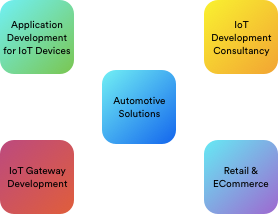
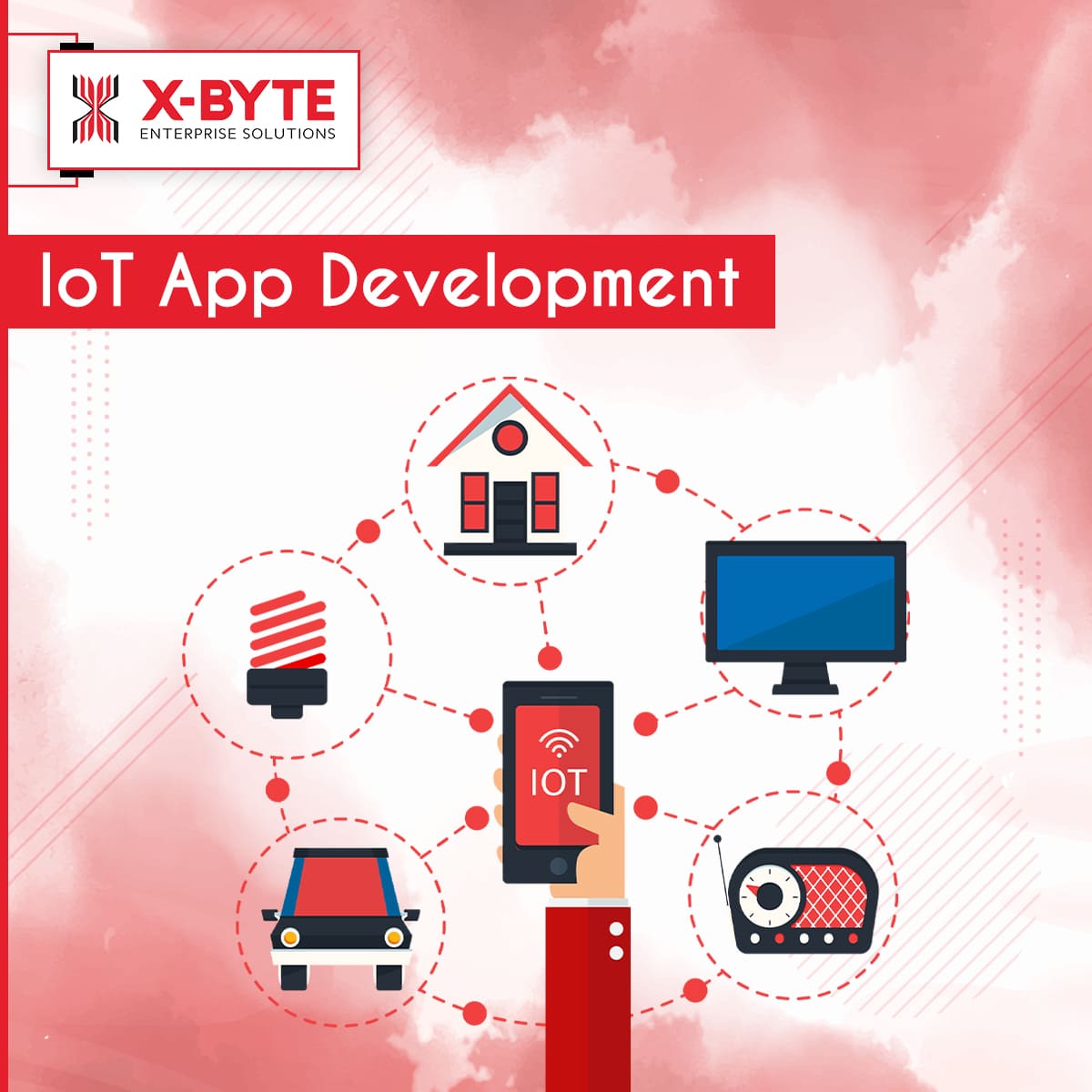
Nowadays the Internet of Things (IoT) & wearable devices is evolving and impacting every perspective of livelihood.
We, at iWebServices, provide solutions for IoT devices in all verticals & fields including smart appliances for home & office, intelligent energy devices, automobile, Industrial IoT (IIoT), delivery, healthcare, & logistics and smart customer devices, etc.https://www.i-webservices.com/iot-development/