




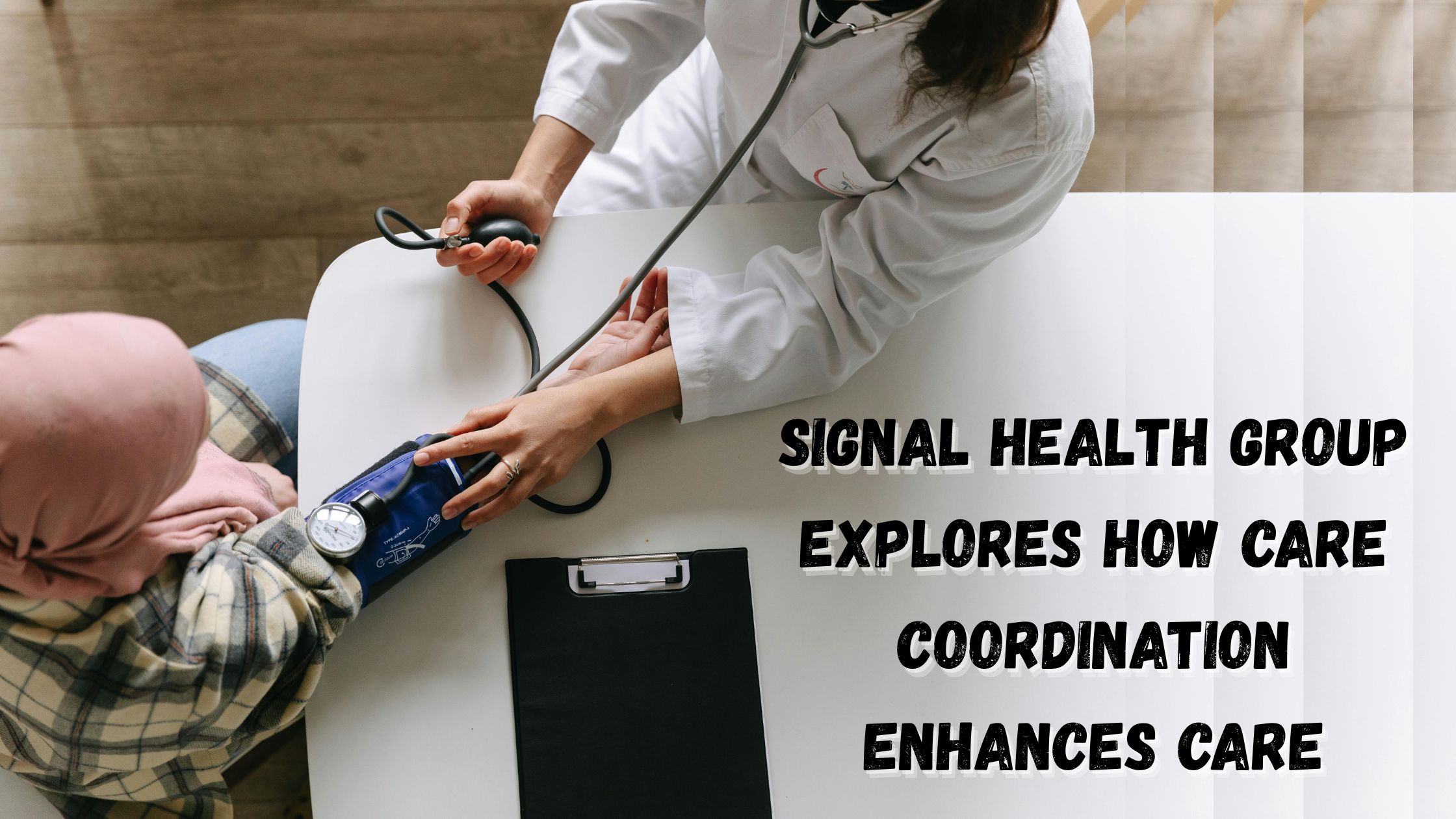
Signal Health Group talks about how care coordination leads to better communication, reduced delays and a more seamless experience in the healthcare system for patients, resulting in better care. In today’s healthcare environment, many patients see multiple providers, specialists or support teams. Without coordination this can lead to confusion, repetition of procedures and gaps in treatment. Care coordination helps to tie together all the aspects of the healthcare process.
What Is Care Coordination?
Care coordination refers to the systematic sharing of information about patients, treatment plans, and responsibilities among health care professionals participating in a patient’s care. According to Signal Health Group, this means doctors, nurses, specialists, therapists and support staff are all on the same page about what the patient needs and are working towards the same treatment goals.
The collaboration enables providers to deliver more complete and consistent care.
The Importance of Care Coordination
Without care coordination, patients may experience delays in treatment, conflicting instructions, or redundant tests. Poor communication between providers can also increase risk of medical errors. Care coordination solves these problems by keeping all providers in the loop and on the same page.
Patients get a more connected health experience where every provider is aware of their history, condition and treatment plan.
Benefits of Care Coordination
- Enhances communication between healthcare professionals
- Decreases treatment delays and duplicate testing
- Enables quicker and more accurate decision-making
- Improves patient safety and treatment consistency
- Creates a better patient experience overall
Better Patient Outcomes
Direct impact on patient outcomes. According to Signal Health Group are coordination ensures the right decisions are made based on the right information . When providers communicate well, they’re able to catch health concerns earlier, respond faster to complications, and change course as needed.
This is critical for patients with complex medical needs or chronic conditions who need assistance from multiple healthcare professionals.
Improving the Patient Experience
Patients often find managing appointments, referrals, prescriptions, and instructions from multiple providers to be overwhelming. Care coordination can simplify this process by offering a more organized and guided journey through healthcare.
With good care coordination, patients don’t have to repeat themselves so much, but can get targeted, individualized assistance.
Coordination and Technology
Technology makes patient information accessible in real time, which helps strengthen care coordination. Electronic health records, digital communication tools and shared care platforms keep providers in the loop and make collaboration more efficient.
These systems mitigate communication gaps and enable the delivery of timely and informed care by providers.
Enhancing Healthcare Efficiency
Care coordination can also enable healthcare organizations to function more efficiently. Better coordination means fewer unnecessary procedures, fewer administrative burdens, and staff working more effectively. According to Signal Health Group, this allows providers to care for more patients while still providing high-quality care.
Conclusion
Care coordination is a critical component of safe, efficient, and patient-centered care. Healthcare organizations can improve both the quality of care and the patient experience by connecting providers, improving communication, and aligning treatment plans. Efficient and reliable health care for all depends on effective care coordination, says Signal Health Group.

Signal Health Group’s partnership-based model is a collaborative approach to improving healthcare quality, strengthening patient support and creating more connected care experiences. No one provide
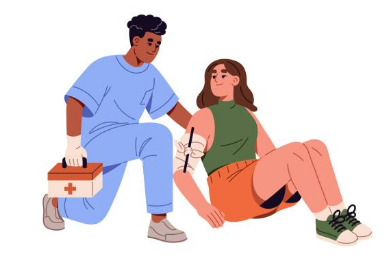

A lot can happen in 20 seconds.
With COVID-19 taking over the world in 2020, we have seen a tremendous surge in the number of people using telehealth visits to be seen by medical staff.
However, there is a challenge for individuals with limited English proficiency, especially in the event of an emergency when every second counts.
How can medical staff promptly diagnose and provide appropriate care to patients whom they cannot understand?
Connected Care© interpreting platform offers 24-hour, 7-days-per-week access to both patients and healthcare providers to ensure that they can:Receive or provide appropriate care during a medical emergency and get connected with an interpreter in between 7 to 10 seconds in many cases, any time during day or night through Connected Care© HIPAA-compliant telehealth.Access an outstanding team comprised of over 2,000 highly skilled and specialized medical interpreters in over 198 languages, including ASL (American Sign Language) and an extensive list of rare languages and dialects.Connect with interpreters either on-demand via phone or video, or schedule interpreters for on-site visits.Connected Care© is accessible via desktop and mobile app (both Android and iOS).
Connected Care© is also fully HIPAA-compliant and provides the highest level of privacy and security features that healthcare providers and medical interpreters need when it comes to sharing protected health information (PHI).