

Signal Health Group’s partnership-based model is a collaborative approach to improving healthcare quality, strengthening patient support and creating more connected care experiences. No one provider in today’s healthcare world can do all the work of patient care alone. Hospitals, doctors, rehabilitation facilities, nurses, specialists and support teams need to work together to ensure patients receive complete and consistent treatment. This partnership model helps to integrate these services more effectively.
Understanding the Partnership-Based Approach
A partnership-driven healthcare model is a type of model that aims to develop strong connections between healthcare organizations and medical practitioners. Rather than working alone, healthcare partners have regular conversations, share information, and coordinate services to meet patient needs. This approach improves efficiency and enables providers to give more personalized care.
According to Signal Health Group, trusted partnerships help healthcare organizations better manage patient communication, treatment plans and follow-up care. Providers stay involved across the continuum of care, providing a seamless experience for patients.
Why Collaboration Matters in Healthcare
Health care can be complex, especially for people living with a chronic condition or multiple medical needs. These patients may visit different specialists, hospitals and rehab centers. It requires collaboration so that important details are not missed, which could cause delays or inconsistent treatment.
These issues are addressed by a partnership approach in which providers are able to function as a single, coordinated team. "Better communication means faster responses, better coordinated treatment and stronger support systems for patients.
Key Benefits of Healthcare Partnerships
- Improves communication between healthcare providers
- Enhances coordination of patient treatment plans
- Reduces delays and duplicate services
- Supports safer and more personalized care
- Creates a better patient experience overall
Supporting Personalized Patient Care
The ability to facilitate personalized care is one of the greatest advantages of a partnership-based model. Each patient has unique medical requirements and preferences and goals for recovery.According to Signal Health Group, when healthcare teams collaborate well, they can tailor treatment plans to suit each individual’s condition and lifestyle.
For example, a patient who is recovering from surgery might need support from doctors, rehabilitation specialists, home health care providers, and nurses. A collaborative partnership ensures that all providers are aware of the patient’s progress and are working toward the same recovery goals.
The Role of Technology in Partnerships
Technology plays a big role in the success of health-care partnerships. Electronic health records, digital communication systems and secure data-sharing platforms allow providers to quickly and accurately access patient information. This eliminates confusion and allows healthcare teams to make informed real-time decisions.
Digital systems also simplify appointment setting, patient monitoring, and follow-up communication. This allows providers to respond more efficiently, while keeping accurate records and secure patient information.
Technology Supports Partnership Success By
- Allowing secure sharing of patient information
- Improving communication across care teams
- Supporting faster decision-making
- Reducing administrative workload
- Enhancing overall care efficiency
Building Trust Through Coordination
Patients tend to have more confidence in the health care system if services seem to be well organized and integrated. A partnership-based approach helps build this trust by ensuring that care is consistent across different providers and facilities. Patients are more confident when healthcare teams communicate well and work together toward shared goals.
Trust is also built when patients experience fewer delays, receive accurate information and feel supported during treatment. Strong partnerships improve the quality of care and patient experience.
Continuous Improvement in Healthcare Partnerships
As the needs of patients and healthcare challenges change, healthcare partnerships will have to continue to change. Organizations should regularly evaluate communications systems, care coordination activities and patient feedback to find ways to improve collaboration. Continuous improvement helps to ensure that partnerships remain effective, efficient and patient-focused over time.
Conclusion
The partnership-based healthcare model results in improved communication, coordination, and patient-centered care. By linking healthcare providers, hospitals, specialists, and support teams, healthcare organizations can deliver safer and more dependable services. Signal Health Group believes successful partnerships are the key to building a healthcare system that is more efficient, compassionate and designed to deliver better outcomes for all patients.
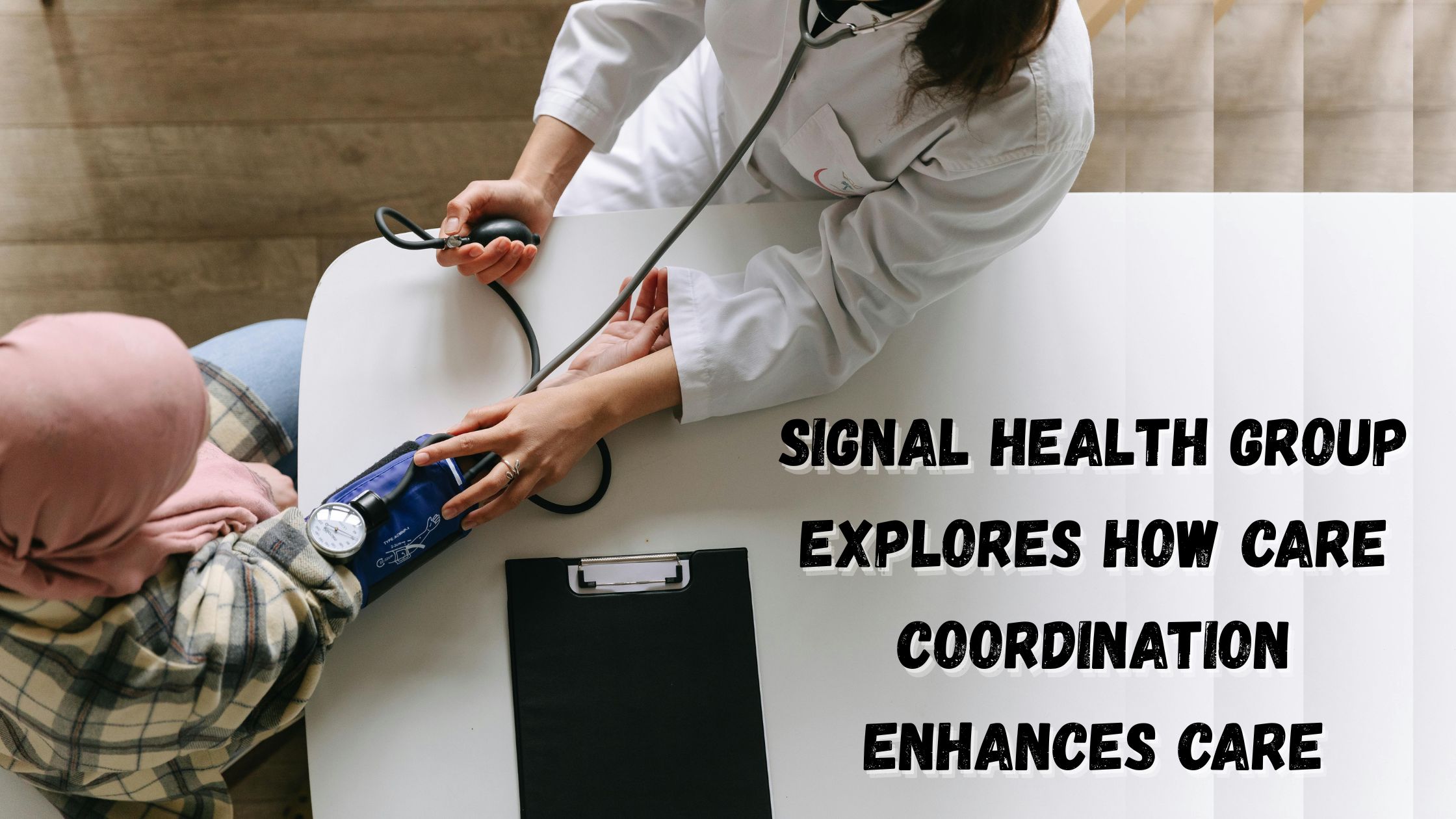
Signal Health Group talks about how care coordination leads to better communication, reduced delays and a more seamless experience in the healthcare system for patients, resulting in better care. I

A lot can happen in 20 seconds.
With COVID-19 taking over the world in 2020, we have seen a tremendous surge in the number of people using telehealth visits to be seen by medical staff.
However, there is a challenge for individuals with limited English proficiency, especially in the event of an emergency when every second counts.
How can medical staff promptly diagnose and provide appropriate care to patients whom they cannot understand?
Connected Care© interpreting platform offers 24-hour, 7-days-per-week access to both patients and healthcare providers to ensure that they can:Receive or provide appropriate care during a medical emergency and get connected with an interpreter in between 7 to 10 seconds in many cases, any time during day or night through Connected Care© HIPAA-compliant telehealth.Access an outstanding team comprised of over 2,000 highly skilled and specialized medical interpreters in over 198 languages, including ASL (American Sign Language) and an extensive list of rare languages and dialects.Connect with interpreters either on-demand via phone or video, or schedule interpreters for on-site visits.Connected Care© is accessible via desktop and mobile app (both Android and iOS).
Connected Care© is also fully HIPAA-compliant and provides the highest level of privacy and security features that healthcare providers and medical interpreters need when it comes to sharing protected health information (PHI).