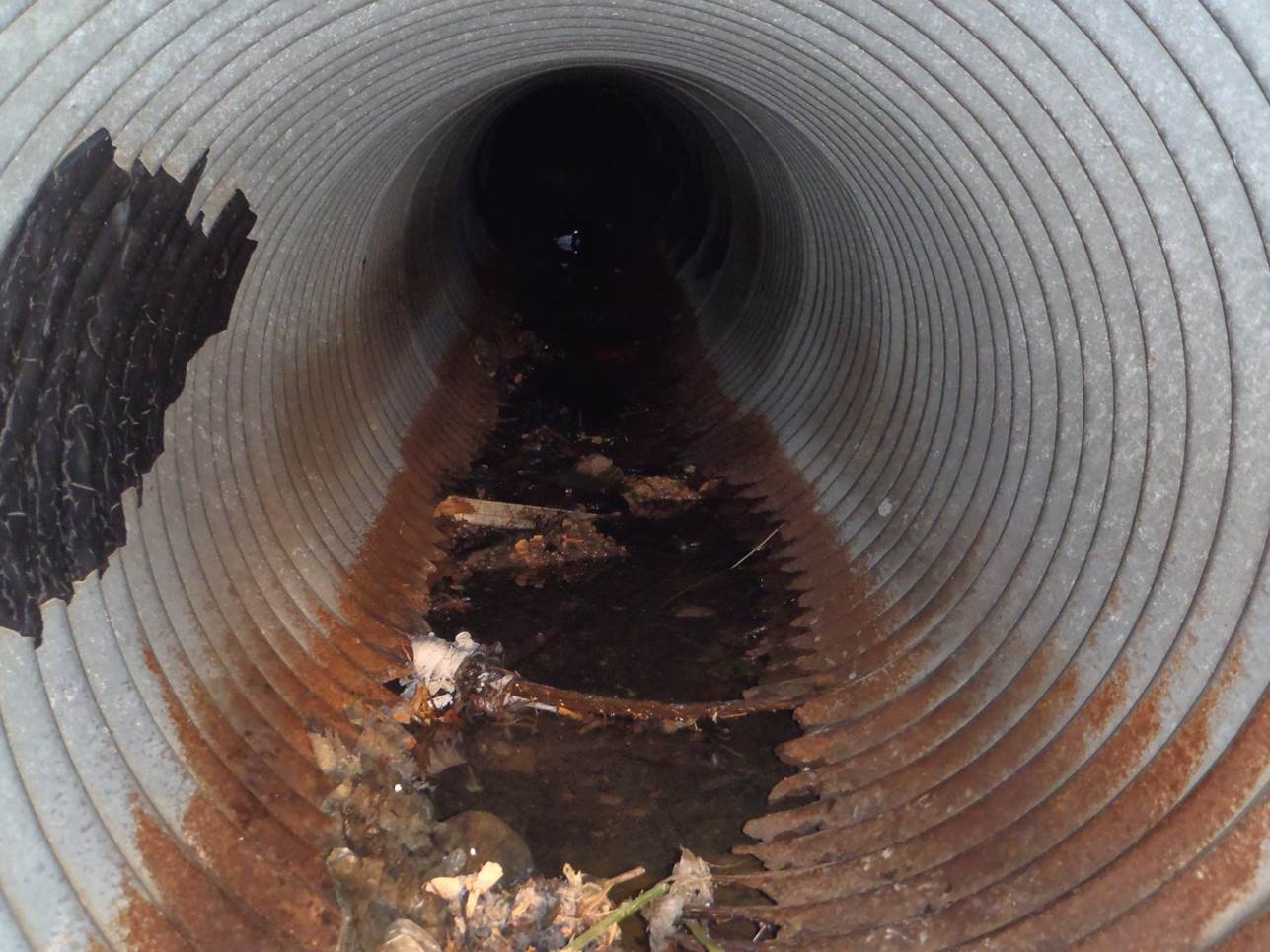
Epoxy pipe lining is a trenchless pipe repair method designed to restore aging or damaged pipes from the inside. Instead of removing and replacing existing plumbing, this approach creates a new protective layer within the pipe, helping extend its lifespan while minimizing disruption to homes and buildings.
At its core, epoxy pipe lining involves applying a specially formulated epoxy resin to the interior surface of a pipe. Once cured, the epoxy hardens into a smooth, durable lining that seals cracks, prevents leaks, and protects against corrosion. This effectively creates a new pipe within the old one.
This method is commonly used to address problems such as pinhole leaks, internal corrosion, minor cracks, and deterioration caused by age. Metal pipes, including cast iron, copper, and galvanized steel, are often good candidates for epoxy lining when the structure of the pipe is still intact.
One of the biggest reasons epoxy pipe lining is considered a top trenchless option is its non-invasive nature. Traditional pipe replacement often requires cutting into walls, floors, or slabs, and digging through yards. Epoxy lining typically uses existing access points, significantly reducing property damage.
The process begins with a detailed inspection of the pipe system. Small cameras are inserted to assess the condition of the pipes and determine whether epoxy lining is suitable. This step ensures that the pipe can support the lining and that major structural failures are not present.
Once approved, the pipes are thoroughly cleaned. Scale, rust, mineral buildup, grease, and debris must be removed to allow the epoxy to bond properly. Specialized cleaning tools and abrasive methods are used to prepare the interior surface.
After cleaning, the epoxy resin is mixed and applied inside the pipe. Depending on the pipe size and layout, the epoxy may be sprayed or blown through the system. The goal is to achieve an even coating thickness along the entire length of the pipe.
The epoxy then goes through a curing phase. During curing, the material hardens and adheres to the pipe walls, forming a seamless barrier. Cure times can vary depending on the product used and environmental conditions, but many systems cure within hours.
Once cured, the epoxy lining creates a smooth interior surface. This smoothness can actually improve water flow by reducing friction and eliminating rough, corroded surfaces that restrict movement through the pipe.
Epoxy pipe lining is used in a wide range of applications, including potable water systems, drain lines, sewer pipes, and commercial or industrial piping. Many epoxy formulations are designed to meet safety standards for drinking water use.
Another key advantage of epoxy lining is its ability to reduce downtime. In residential properties, water service can often be restored the same day. In commercial settings, this faster turnaround helps businesses avoid prolonged closures or operational interruptions.
From a cost standpoint, epoxy pipe lining is often more affordable than full pipe replacement when considering the total project cost. While the lining itself is a specialized service, the savings on demolition, excavation, and restoration can be significant.
It is important for property owners to understand that epoxy lining is best suited for pipes that are structurally sound. Pipes that have collapsed, are severely misaligned, or have large missing sections may not be candidates and could require replacement instead.
Another consideration is pipe diameter. Epoxy lining slightly reduces the internal diameter of the pipe, but the improved smoothness often compensates for this by improving overall flow efficiency.
Longevity is one of the reasons epoxy pipe lining continues to gain popularity. When properly installed, epoxy-lined pipes can last for decades, providing long-term protection against corrosion and leaks.
Environmental impact is another factor that makes epoxy lining appealing. By rehabilitating existing pipes rather than replacing them, this method reduces material waste and limits the environmental disruption associated with excavation and construction.
For homeowners and property managers looking for a reliable trenchless repair solution, epoxy pipe lining offers a balance of durability, efficiency, and minimal disruption. With proper evaluation and professional installation, it can restore pipe performance and provide peace of mind for years to come.
About Us
NuFlow is at the forefront of trenchless sewer repair technologies, specializing in Cured-In-Place Pipe (CIPP) solutions. Our commitment to innovation, quality, and customer satisfaction drives us to deliver superior sewer repair services that minimize disruption, protect the environment, and ensure the longevity of urban infrastructure. With a team of experienced professionals and a track record of successful projects, we are your trusted partner in maintaining the health and efficiency of your sewer systems. Trust us to bring cutting-edge CIPP solutions to your doorstep, ensuring a sustainable future for our cities' infrastructure. Visit https://www.nuflow.com.