

Brake shoes are a critical yet often overlooked component of a vehicle’s braking system. Found primarily in drum brakes, they play a key role in ensuring safe and effective stopping. Whether you drive a car, ride a motorcycle, or operate heavy machinery, understanding brake shoes can help you maintain performance and avoid costly repairs.
What Are Brake Shoes?
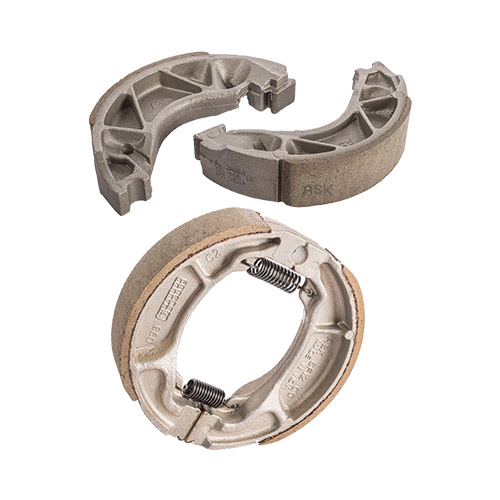
Brake shoes are curved metal pieces with a high-friction lining on one side. They are designed to press outward against the inner surface of a brake drum to slow or stop the vehicle. When the brake pedal is applied, hydraulic pressure forces the brake shoes outward, creating friction that reduces wheel rotation.
Unlike disc brakes, which use brake pads and rotors, drum brake systems rely on brake shoes and drums. While newer vehicles often feature disc brakes on all wheels, many still use drum brakes—especially on rear wheels—due to their cost-effectiveness and durability.
How Do Brake Shoes Work?
The operation of brake shoes is relatively simple but highly effective. When you press the brake pedal:
Hydraulic fluid transfers force to the wheel cylinder.
The wheel cylinder pushes the brake shoes outward.
The brake shoes press against the rotating drum.
Friction slows down and eventually stops the wheel.
Once you release the brake pedal, springs pull the brake shoes back to their original position, allowing the wheel to rotate freely again.
Types of Brake Shoes
Brake shoes come in various designs depending on the vehicle and application. Here are the most common types:
1. Leading-Trailing Brake Shoes
This is the most common configuration. One shoe acts as the leading shoe (providing more braking force), while the other serves as the trailing shoe.
2. Twin Leading Brake Shoes
Used in high-performance or heavy-duty vehicles, both shoes act as leading shoes, offering increased braking efficiency.
3. Duo-Servo Brake Shoes
These are commonly found in modern drum brake systems. They use a self-energizing effect, where the rotation of the drum helps pull the shoes into tighter contact, improving braking power.
Advantages of Brake Shoes
Brake shoes offer several benefits that make them suitable for many vehicles:
Cost-effective: Generally cheaper to manufacture and replace than disc brake components.
Durability: Brake shoes tend to last longer because of their larger friction surface.
Better for parking brakes: Drum systems hold vehicles more securely when parked.
Common Signs of Worn Brake Shoes
Over time, brake shoes wear down due to friction. Ignoring worn brake shoes can lead to reduced braking performance and safety risks. Watch out for these warning signs:
Reduced braking efficiency: Longer stopping distances.
Unusual noises: Grinding or squeaking sounds.
Vibration: Pulsation when braking.
Vehicle pulling to one side: Uneven wear on brake shoes.
Low brake pedal feel: Indicates possible wear or hydraulic issues.
Maintenance Tips for Brake Shoes
Proper maintenance can extend the lifespan of brake shoes and ensure optimal performance:
1. Regular Inspection
Check brake shoes every 20,000 to 30,000 kilometers or as recommended by your vehicle manufacturer.
2. Keep the Brake System Clean
Dust and debris can accumulate inside the drum, affecting performance. Periodic cleaning is essential.
3. Replace in Pairs
Always replace brake shoes on both sides of the axle to maintain balanced braking.
4. Monitor Brake Fluid
Ensure brake fluid levels are adequate and free from contamination.
5. Avoid Overloading
Excess weight puts additional strain on the braking system, accelerating wear.
When to Replace Brake Shoes
Brake shoes typically last between 50,000 and 80,000 kilometers, depending on driving habits and conditions. However, replacement may be needed sooner if you frequently drive in stop-and-go traffic, carry heavy loads, or drive in hilly areas.
It’s best to consult a professional mechanic if you’re unsure about the condition of your brake shoes. Timely replacement not only improves safety but also prevents damage to other braking components like drums and wheel cylinders.
Final Thoughts
Brake shoes may not be as widely discussed as other automotive components, but they are essential for safe driving. Understanding how they work, recognizing signs of wear, and following proper maintenance practices can significantly enhance your vehicle’s braking performance.
Whether you're a daily commuter or an occasional driver, keeping your brake system in top condition should always be a priority. Investing in quality brake shoes and regular maintenance will ensure reliability, safety, and peace of mind on the road.
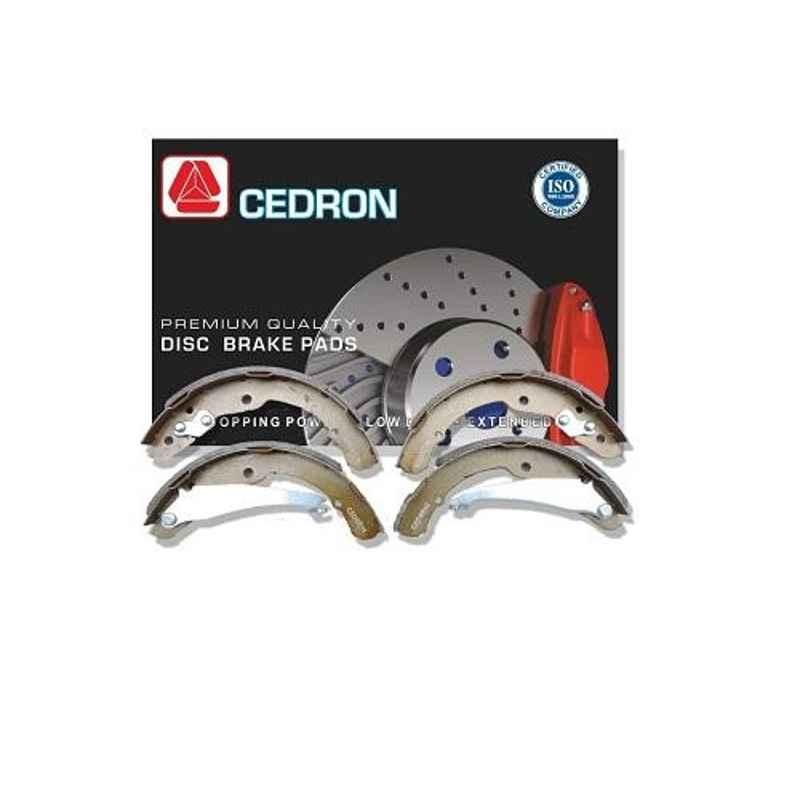
Shop online for car brake shoes at best price now!
Moglix is a one stop shop for genuine brake shoe sets for two-wheeler vehicles.
Cash on delivery free shipping available.