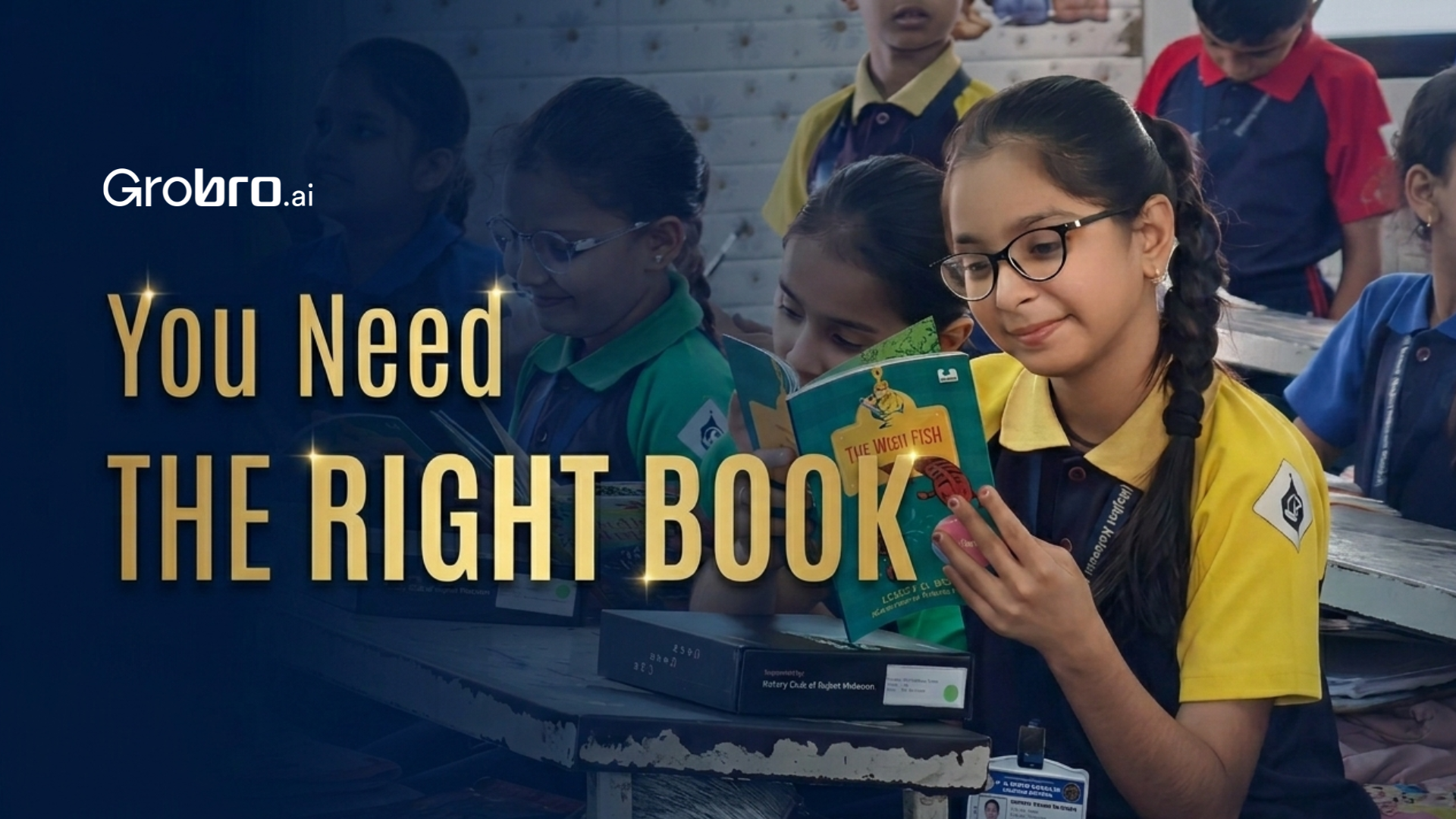


Schools across India are entering a new phase of educational planning. The conversation is no longer limited to adopting new policies or updating classroom infrastructure. The real focus is shifting toward measurable learning outcomes and visible academic growth inside classrooms.
This shift is closely connected to What NEP 2020 Actually Demands from Schools in 2026.
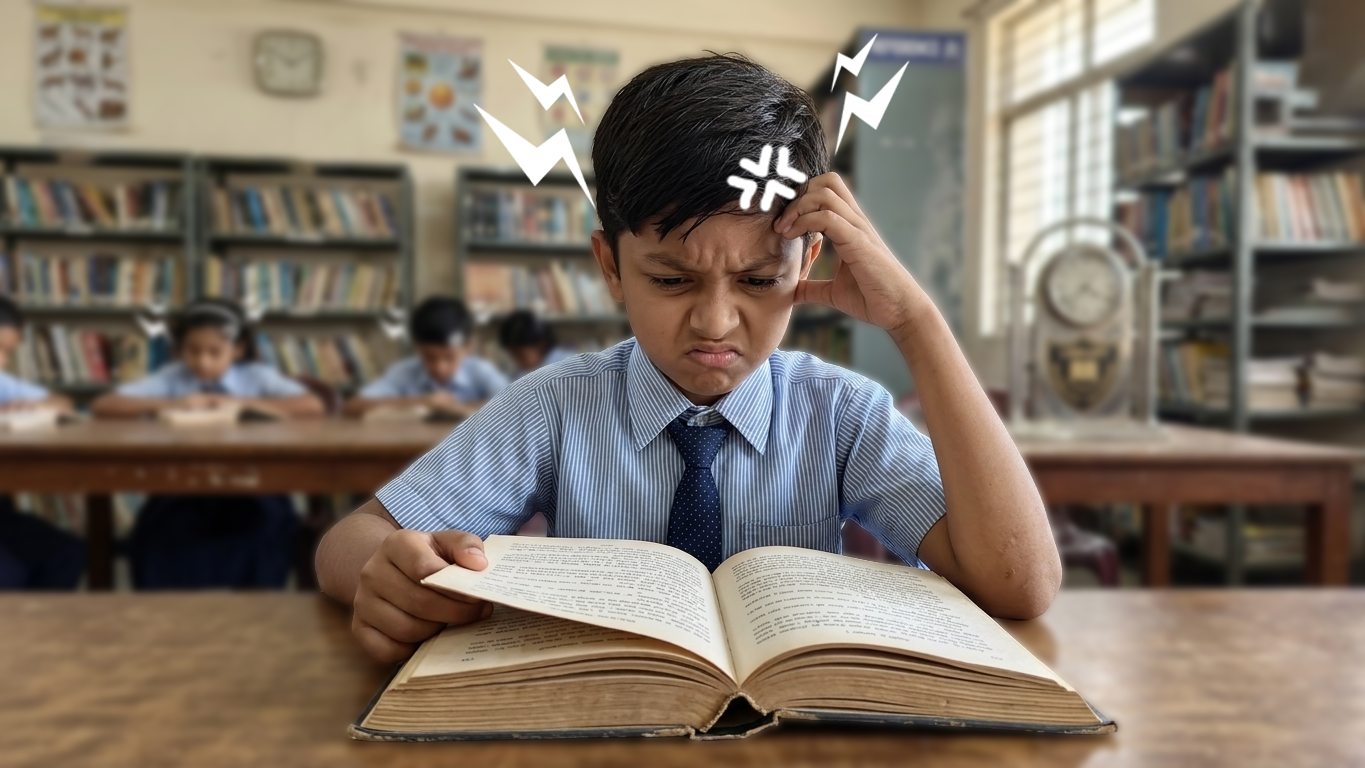
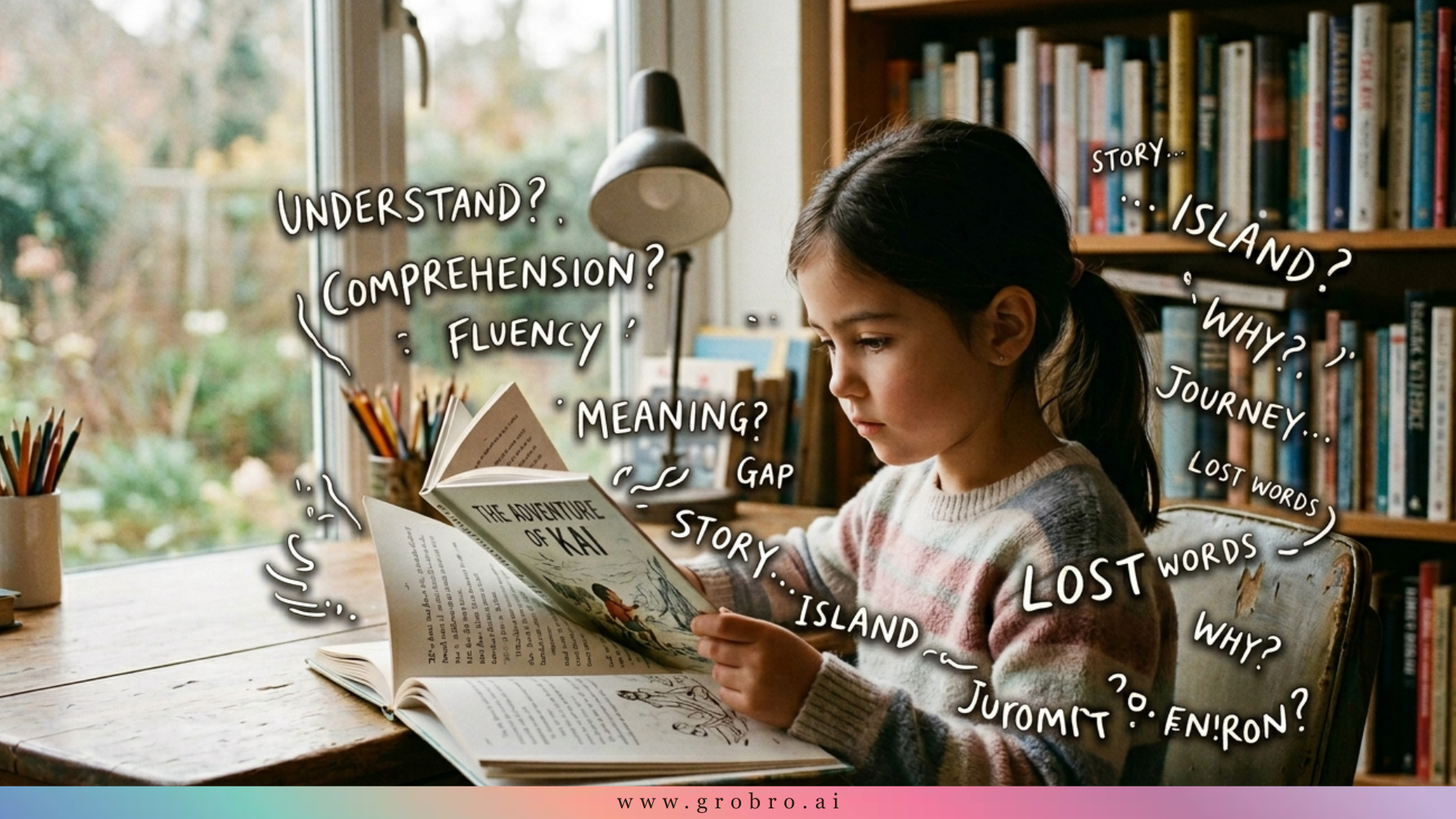
Over the past few years, schools have introduced smart classrooms, digital tools, activity-based learning, and modern teaching strategies. Yet many educators continue to observe the same challenge across grades. Students may complete assignments, read passages, and participate in lessons, but they often struggle to deeply understand what they read.
This becomes visible in multiple ways:
- Difficulty understanding math word problems
- Trouble connecting ideas across paragraphs
- Weak interpretation of science concepts
- Limited written expression despite regular reading
- Dependence on memorisation instead of understanding
These are not isolated subject issues. They are often indicators of weak reading comprehension development.
This is why foundational literacy is becoming one of the most strategic focus areas for progressive schools. NEP 2020 places strong emphasis on competency-based learning, interdisciplinary thinking, and critical understanding. None of these can function effectively if students are unable to process and interpret text confidently.
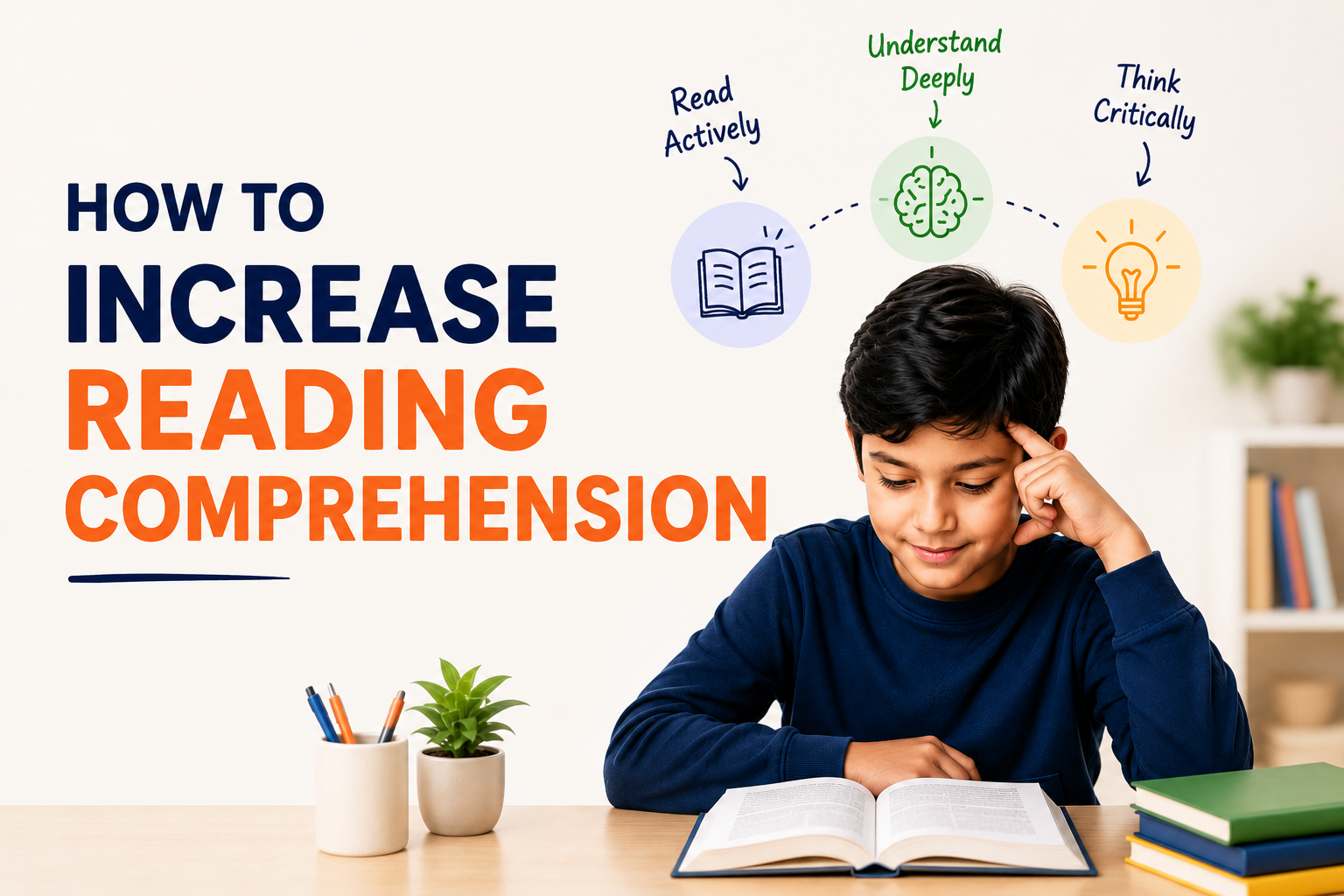
Reading today is no longer just about fluency or completing books. It is about meaning-making.
A student who can truly understand what they read is more likely to:
- Analyse information confidently
- Participate actively in classrooms
- Interpret instructions accurately
- Build stronger vocabulary and communication
- Learn independently across subjects
This is also changing how schools think about assessment. A traditional worksheet may show whether answers are correct, but it rarely explains how the student arrived there. A structured Comprehension Test provides much deeper insight into how students process information, identify meaning, and engage with written content.
For schools, this becomes extremely valuable because reading challenges often remain hidden until higher grades, where subject complexity increases significantly. By then, students may already experience gaps in confidence, understanding, and academic participation.
As a result, many educators are now moving toward more structured reading ecosystems instead of treating reading as a standalone activity.
This is where the idea of a Personalised Reading Program for Kids becomes highly relevant in modern classrooms.
Instead of assuming that all students in the same grade have similar reading ability, personalised reading approaches help schools identify:
- Current reading comfort level
- Vocabulary challenges
- Comprehension depth
- Inference and interpretation skills
- Reading progression over time
More importantly, they help schools match students with reading experiences that are aligned with their actual ability rather than only their age or grade.
This shift supports one of the most important educational goals in 2026: reducing invisible learning gaps before they begin affecting overall academic performance.
Schools implementing structured reading support are also noticing broader institutional benefits:
- Improved classroom engagement
- Better participation across subjects
- Stronger communication skills
- More confidence in independent learning
- Clearer academic reporting and progress visibility
Reading growth is gradually becoming a school-wide academic strategy rather than a library activity.
And this is precisely why the discussion around literacy is evolving. Schools are beginning to recognise that strong reading ability directly influences how effectively students perform in science, mathematics, social studies, writing, and even collaborative learning environments.
As NEP-aligned education continues to evolve across India, structured reading development is becoming one of the clearest indicators of long-term academic readiness.
Because ultimately, students do not succeed simply by reading more pages. They succeed when they can understand, interpret, reflect, and apply what they read across contexts.
To explore this idea in detail and understand how structured reading growth aligns with NEP goals in real classrooms, read the full article here: https://bit.ly/48JUWsR
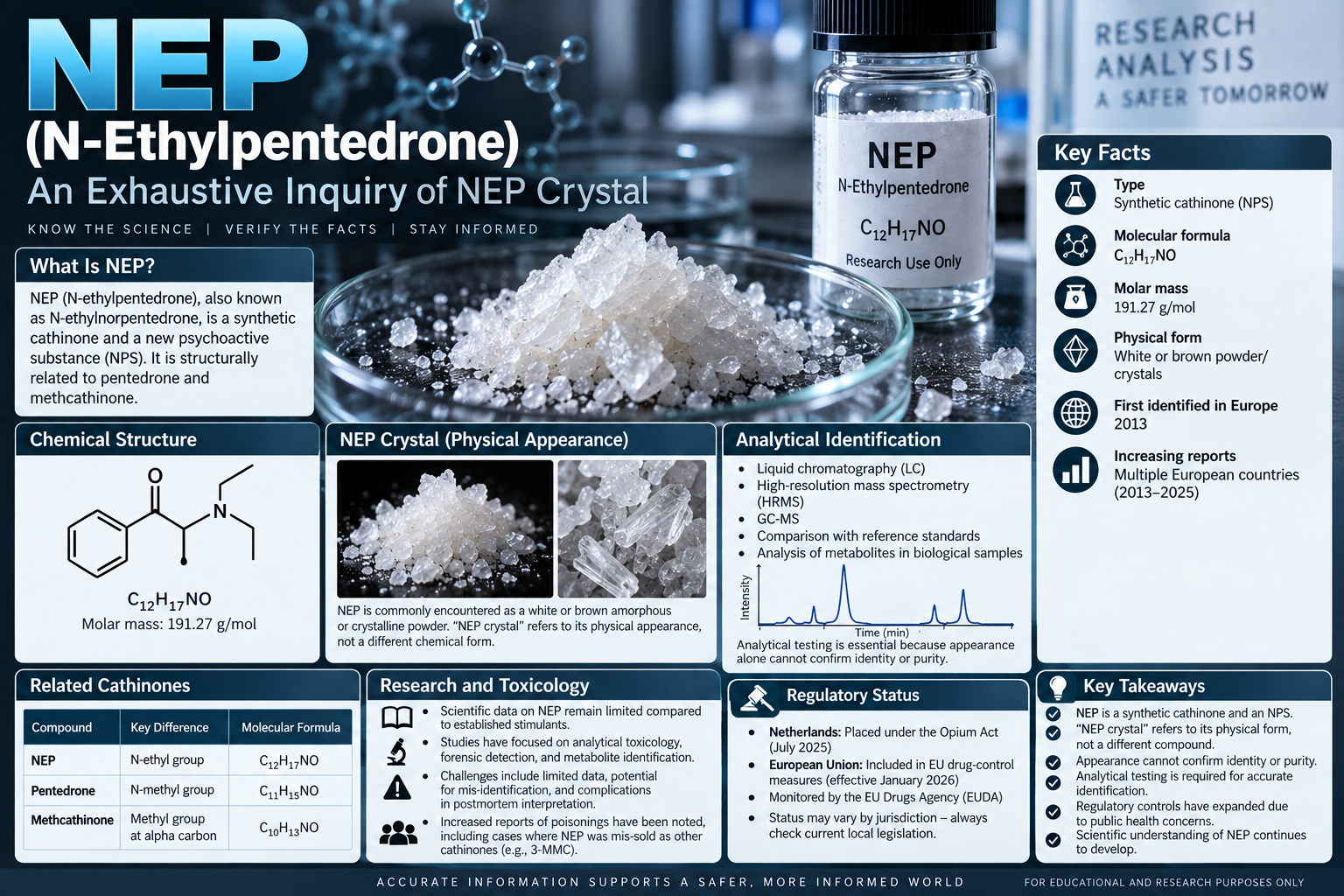
Understanding NEP powder as N-Ethylpentedrone in contemporary scientific discussion
As the primary education is the foundation in developing child’s capability, the New Education Policy also needs to be analysed by looking at the role of a teacher and how it changes.