The world of sports is no longer defined only by athletes, trophies, and roaring crowds. Today, the spotlight is increasingly shifting toward the infrastructure behind the spectacle. From intelligent stadiums and AI-powered crowd management systems to sustainable turf technology and eco-friendly arenas, sports infrastructure is rapidly evolving into one of the most important pillars of the global sports economy.
As nations compete to host mega-events like the Olympics, FIFA World Cup, and international cricket tournaments, investment in sports infrastructure has become a strategic priority. Modern stadiums are no longer just venues; they are integrated ecosystems designed to deliver performance, safety, fan engagement, and environmental responsibility.
According to Sportscape Magazine, the transformation of sports infrastructure is accelerating across India and globally, driven by advancements in design, sustainability, and digital innovation.
The Rise of Smart Stadiums
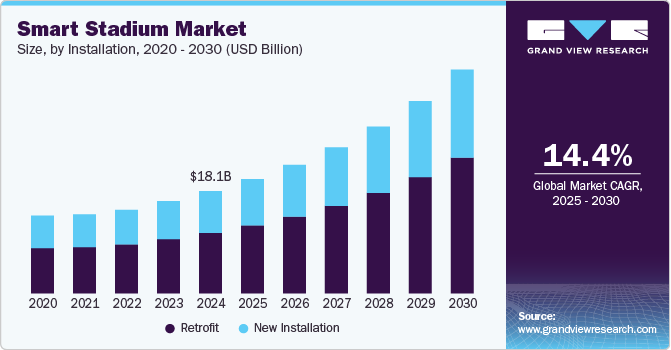
Modern sports venues are becoming increasingly technology-driven. Stadium operators are integrating artificial intelligence, IoT devices, facial recognition systems, and advanced crowd simulation tools to improve both safety and fan experience.
Architectural firms like Populous are leading this transformation by designing venues that focus not only on aesthetics but also on crowd flow, acoustics, emergency management, and hospitality integration. The design philosophy behind modern stadiums now prioritizes flexibility and adaptability for future sporting formats.
For example, AI-powered crowd management systems are now capable of predicting congestion points before they become dangerous. These technologies can guide spectators toward safer movement paths, reducing the risk of overcrowding and improving emergency response times.
Digital twin technology is also changing how stadiums are planned and maintained. By creating virtual replicas of venues, operators can monitor energy consumption, simulate evacuation procedures, and optimize operational efficiency in real time.
Sustainability Has Become Non-Negotiable
Sustainability is no longer a secondary feature in sports infrastructure development. It has become central to how stadiums and training facilities are designed.
Natural grass fields, while traditional, demand enormous amounts of water and maintenance. Reports highlighted by Sportscape Magazine reveal that sustainable turf systems can significantly reduce water usage while allowing higher field utilization throughout the year.
This shift is especially important in countries like India, where urbanization and climate challenges are placing increasing pressure on resources. Sustainable sports infrastructure now includes:
Water-efficient synthetic turf systems
Solar-powered stadium operations
Rainwater harvesting mechanisms
Smart lighting and energy management
Recyclable construction materials
Low-carbon architectural planning
Globally, venues such as Tottenham Hotspur Stadium and Narendra Modi Stadium demonstrate how modern infrastructure can combine scale, technology, and sustainability into a single sports ecosystem.
India’s Sports Infrastructure Revolution
India is currently witnessing one of the most aggressive sports infrastructure expansion phases in its history. The country’s ambitions to host future global sporting events are pushing governments and private investors to modernize stadiums, training centers, and grassroots facilities.
Large-scale redevelopment projects across cricket, football, athletics, and indoor sports are reshaping the landscape. Smart seating systems, broadcast-ready digital infrastructure, athlete recovery zones, and world-class sports science facilities are becoming increasingly common.
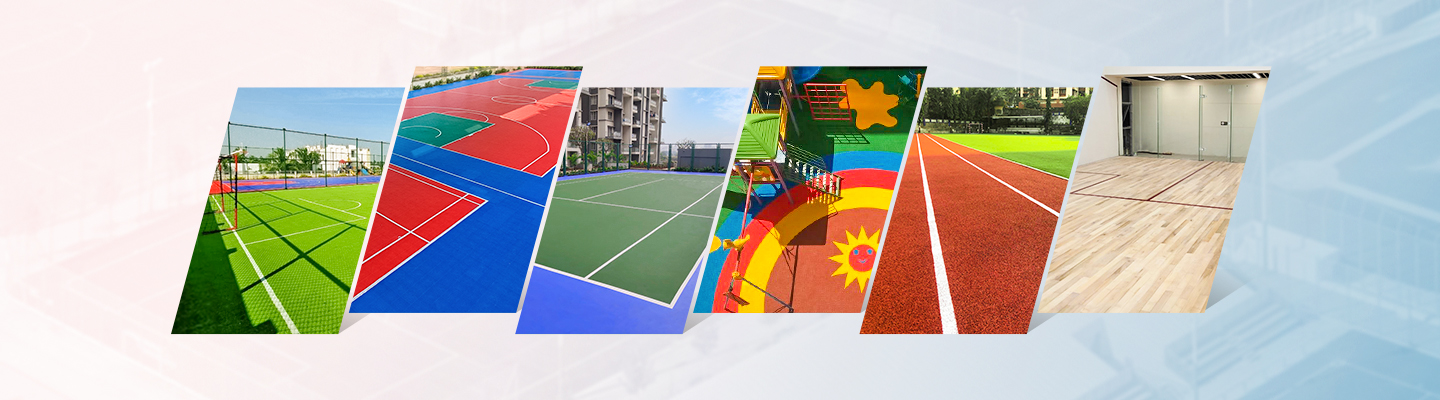
The expansion is not limited to elite venues. Grassroots sports infrastructure is also gaining attention as schools, academies, and community facilities adopt synthetic surfaces and multi-sport designs to maximize usability.
This transformation is creating opportunities for:
Sports technology companies
Stadium architects
Sports flooring manufacturers
Sustainability consultants
Smart infrastructure startups
Sports analytics firms
Accessibility and Inclusive Infrastructure
One of the most important conversations in modern sports architecture is inclusivity. Infrastructure today must serve athletes of all abilities.
Recent discussions around para-sports infrastructure highlight the need for stadiums and training facilities designed specifically for accessibility and performance enhancement.
Universal design standards now include:
Accessible ramps and pathways
Adaptive training zones
Specialized recovery facilities
Wheelchair-friendly layouts
Inclusive athlete accommodation
The future of sports infrastructure will increasingly depend on how effectively venues can accommodate diversity while maintaining elite performance standards.
Technology Is Driving Fan Experience
The modern sports fan expects far more than just a seat in the stadium. Digital engagement has become essential.
Today’s stadiums are integrating:
High-speed connectivity
Augmented reality experiences
Mobile-first ticketing systems
Smart parking solutions
Personalized food and merchandise services
Real-time data integration
The result is a more immersive and connected spectator experience that extends beyond the game itself.
Technology is also transforming sports broadcasting. AI-enhanced camera systems, ultra-low latency streaming, and interactive viewing experiences are changing how fans consume sports worldwide.
The Economic Impact of Sports Infrastructure
Sports infrastructure is not only about entertainment. It has become a major economic driver.
Modern stadiums generate revenue through:
Concerts and live events
Hospitality and tourism
Retail and commercial leasing
Sponsorship activations
Digital advertising ecosystems
Sports academies and training centers
Cities are increasingly viewing sports venues as long-term economic assets capable of revitalizing urban regions and attracting international investment.
The rise of fitness competitions, motorsports, and emerging sports formats is also fueling demand for specialized facilities across India and globally.
The Road Ahead
The future of sports infrastructure will be defined by three core pillars: technology, sustainability, and inclusivity.
Stadiums of the future will function as intelligent ecosystems capable of adapting to changing audience expectations, climate realities, and sporting innovations. Countries investing in modern infrastructure today are not only preparing for global events but also building long-term sports economies.
As sports continue to evolve into a global business powered by innovation, the venues themselves are becoming just as important as the games played inside them.