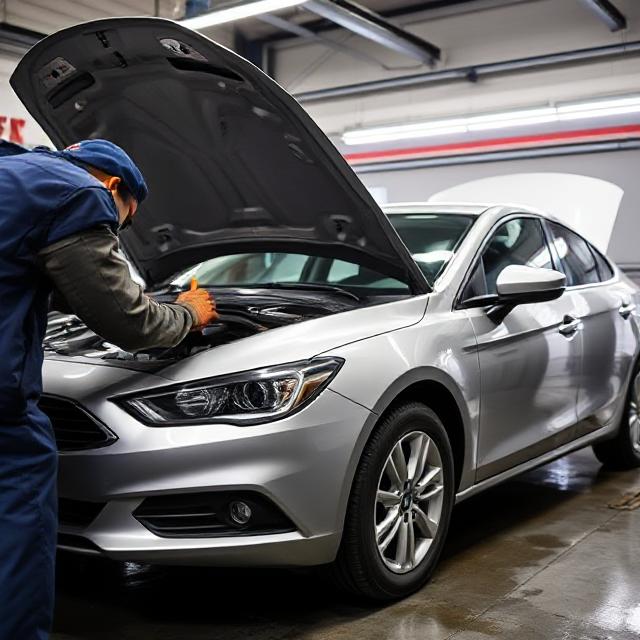
A car is among the most complex possessions most people will ever own. It has thousands of moving parts that are all subjected to friction, heat, and stress. Those pieces wear out too soon if they are not maintained regularly. Performance declines, fuel efficiency suffers, and then, at some point, things start going out of control.
Car servicing goes beyond merely keeping a vehicle operational. It is about preserving an investment, ensuring road safety, and reducing the inconvenience of unexpected failures.
Skipping a service can prove costly.
Many drivers see car maintenance as an unjustified cost. The car doesn’t appear to have any discernible issues when the driver starts it every morning. Why would you spend money on something that appears to look good?
Problems with cars seldom come out of nowhere. It takes thousands of miles to grow gradually. Brake pads wear down millimetre by millimetre. Gradual deterioration of engine oil lessens its capacity to lubricate and protect the engine. Over time, suspension bushings break down and become softer. Since they occur so gradually, a driver may not become aware of them. The combined effect is quite significant.
Studies repeatedly find that vehicles that are routinely maintained are more dependable, safer, and less expensive to own in the long run. A driver who gets their car serviced every year could spend between £200 and £300. Neglecting the car can cost the driver £1,000 or more in one repair bill when a neglected part eventually breaks.
Also to be taken into account is the resale value. An automobile with a complete service history is worth much more than an identical car with gaps in its maintenance record. Buyers look at a stamped service book as evidence of its maintenance. For that peace of mind, they are ready to pay more.
What Happens When You Get the Car Serviced Properly?
Different services exist. An oil change doesn’t qualify as a service. Drivers looking for a car service in Peterborough should know what they are paying for.
An oil and filter change is where quality service starts. Any engine depends on fresh oil. It lessens friction, dissipates heat, and transports contaminants away from moving parts. Oil degrades and becomes less potent over time. For any car, the single most crucial maintenance chore is changing it regularly.
The technician then methodically examines the vehicle. Brakes are inspected, including pads, discs, and fluid levels. Tyres are checked for tread depth, pressure, and any signs of damage or uneven wear. Lights are examined both inside and out. The washer system, wipers, and windscreen are evaluated.
The technician checks the coolant, power steering fluid, brake fluid, and screen wash levels under the hood. The battery is checked to make sure it maintains a charge as expected. Drive belts are checked for damage or cracks. The air filter is checked and changed if it's clogged.
They check the exhaust system under the vehicle for rust or leaks. The suspension parts, steering connections, and CV joints are evaluated. Every symptom of wear is noted and highlighted for the driver's attention.
A detailed service usually includes replacing the fuel and cabin filters, and in some cases, the spark plugs. The most comprehensive choice is usually a full service, which includes brake fluid replacement and additional checks. The vehicle gets a full health check. Minor flaws are identified and corrected before they become major ones.
The Service Connection to the MOT Test
Often, the MOT Peterborough test is mistaken for a service, yet the two serve distinct purposes. For vehicles in Great Britain over three years old, an MOT is a legal necessity. It determines whether a car meets the minimum safety and environmental criteria. It excludes any part replacement or maintenance.
Around 150 inspection points are included in the MOT test. These comprise emissions, seatbelts, suspension, steering, lighting, tyres, and brakes. The tester additionally examines dashboard warning lights. The car fails automatically if the brake warning light, airbag light, or engine management light is on.
It's just as vital to know what the MOT doesn't check in detail. It does not inspect the engine, gearbox, clutch, or drive belts. It does not check the condition of the engine oil, the coolant level, or the amount of power steering fluid.
A car might pass its MOT even if its oil is old and poor and its air filter is blocked. It can pass with worn suspension bushes that aren't yet broken. A low coolant pass might cause it to overheat next month.
This is where an MOT and a service come together. On test day, the MOT validates that the car meets legal safety criteria. The service ensures the car remains dependable, effective, and safe between inspections.
Conclusion
Car service is crucial for upkeep and safeguarding the vehicle, driver, and other road users. A good service goes much beyond a simple oil change. It involves examining the suspension, tyres, brakes, and scores of other parts. Minor flaws are discovered early, before they become costly catastrophes or safety risks.
The MOT test verifies legal safety criteria; it does not, however, maintain the vehicle. Just regular maintenance accomplishes this. Compared to those who do not, drivers who maintain their cars every year spend less on repairs, have more reliable vehicles, and approach MOT examinations with assurance. A well-kept car is safer, less expensive, and more pleasant to own in Peterborough and elsewhere.

The overall maintenance of an Air Conditioner is an inevitable task.
The reason is, it keeps your family healthy...for more information visit our blog at https://mixsnews.com/why-to-get-ac-serviced-regularly/