The essentials for reliable playback, real engagement, and global reach—without the tech overwhelm
Live video has officially moved from “nice experiment” to core communication. In 2026, audiences expect real-time access to product launches, creator sessions, town halls, webinars, concerts, and community events—often from the same brands they buy from.
But the bar is higher now. If your stream buffers, drops, or starts late, viewers don’t wait around. They leave, and they remember.
What Viewers Expect From Live Streams Now
The best live streams feel effortless. Not because they’re simple behind the scenes—but because the tech is handled well enough that viewers don’t notice it.
By 2026, audiences typically expect:
- Fast startup (no spinning wheel drama)
- Stable playback on mobile, desktop, and smart TVs
- Real-time chat that doesn’t lag behind the moment
- Clear audio (even more important than video quality)
- Replays available quickly after the event
Meeting those expectations consistently requires more than hitting “Go Live” on a social app.
The Role of a Modern Live Streaming Setup
A professional live streaming service helps you treat live video like a dependable channel—not a one-off broadcast. The right service isn’t just about going live; it’s about managing the entire viewer experience: stream reliability, audience access, branding, analytics, and content reuse.
That matters whether you’re hosting a paid virtual event, training employees across regions, running interactive demos, or building a loyal community around scheduled live shows.
Where Streams Usually Go Wrong (and How to Avoid It)
1) “It Worked in Testing…”
Testing from one location on good Wi‑Fi doesn’t reflect real-world conditions. Viewers watch on crowded networks, in different regions, on different devices. A stream that’s fine for 50 viewers can struggle at 5,000.
2) Distance Creates Delay and Buffering
If your content is delivered from a single origin server, faraway viewers pay the price in slower start times and more interruptions.
3) Traffic Spikes Break the Experience
Big moments create sudden surges—launch announcements, celebrity guests, limited-time offers. Without scalable delivery, quality drops right when attention is highest.
Why Delivery Infrastructure Matters More Than Ever
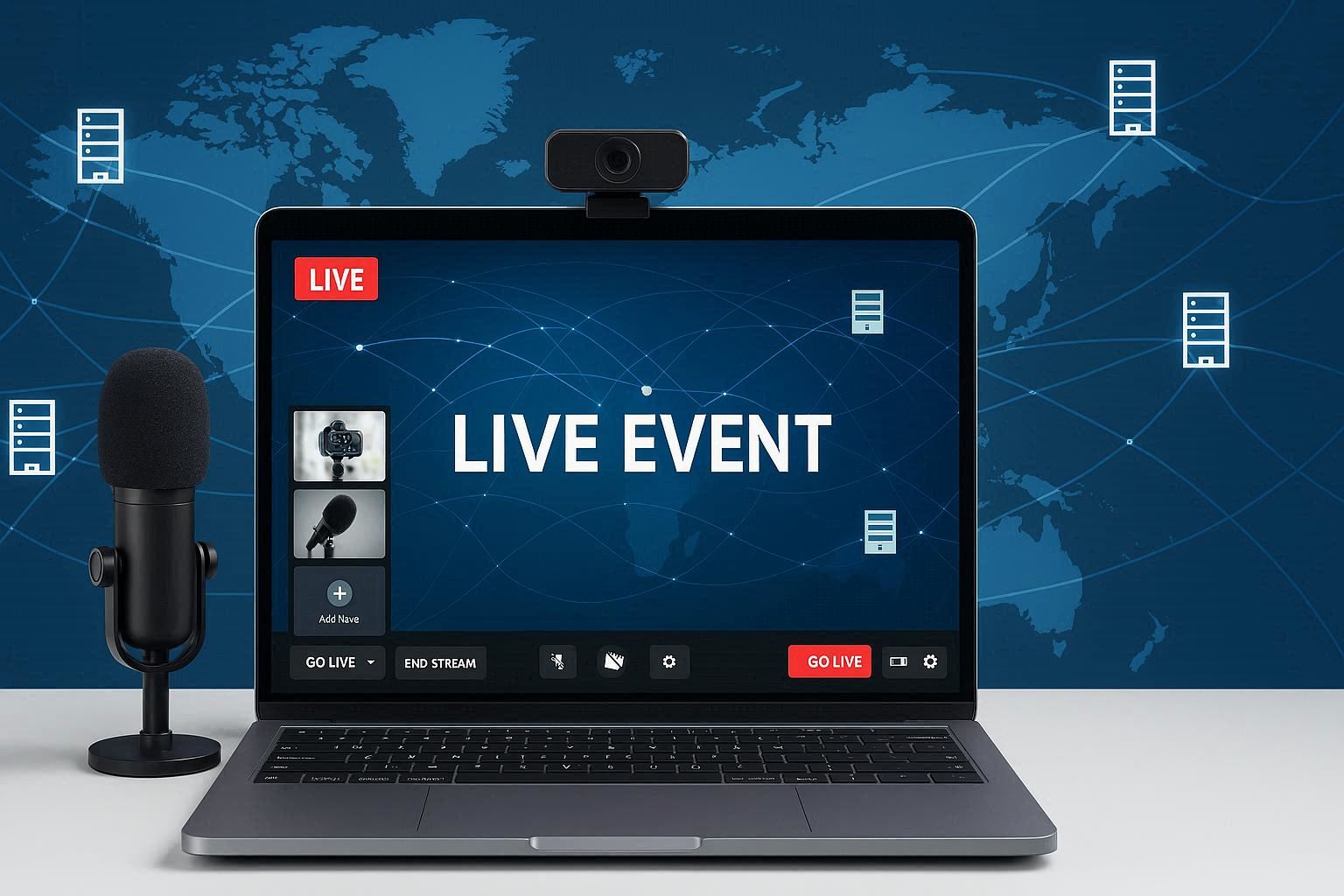
This is where a video content delivery network makes a visible difference. A CDN distributes your stream and video assets through edge servers closer to your viewers. Instead of everyone pulling from one place, the audience connects to nearby points of presence—reducing latency and improving stability.
In practical terms, that helps you:
- Reduce buffering during peak traffic
- Improve time-to-first-frame (how fast video starts)
- Keep playback smoother across regions
- Support consistent quality on varying connections
For brands streaming to a global or multi-city audience, CDN-backed delivery isn’t a premium feature anymore—it’s baseline reliability.
A 2026 Live Workflow That Builds Long-Term Value
The smartest teams treat every live session as content that keeps working:
- Promote the event with a clear topic and schedule
- Go live with interaction beats (polls, Q&A, shout-outs)
- Publish the replay fast for late viewers
- Clip highlights into short-form videos for social discovery
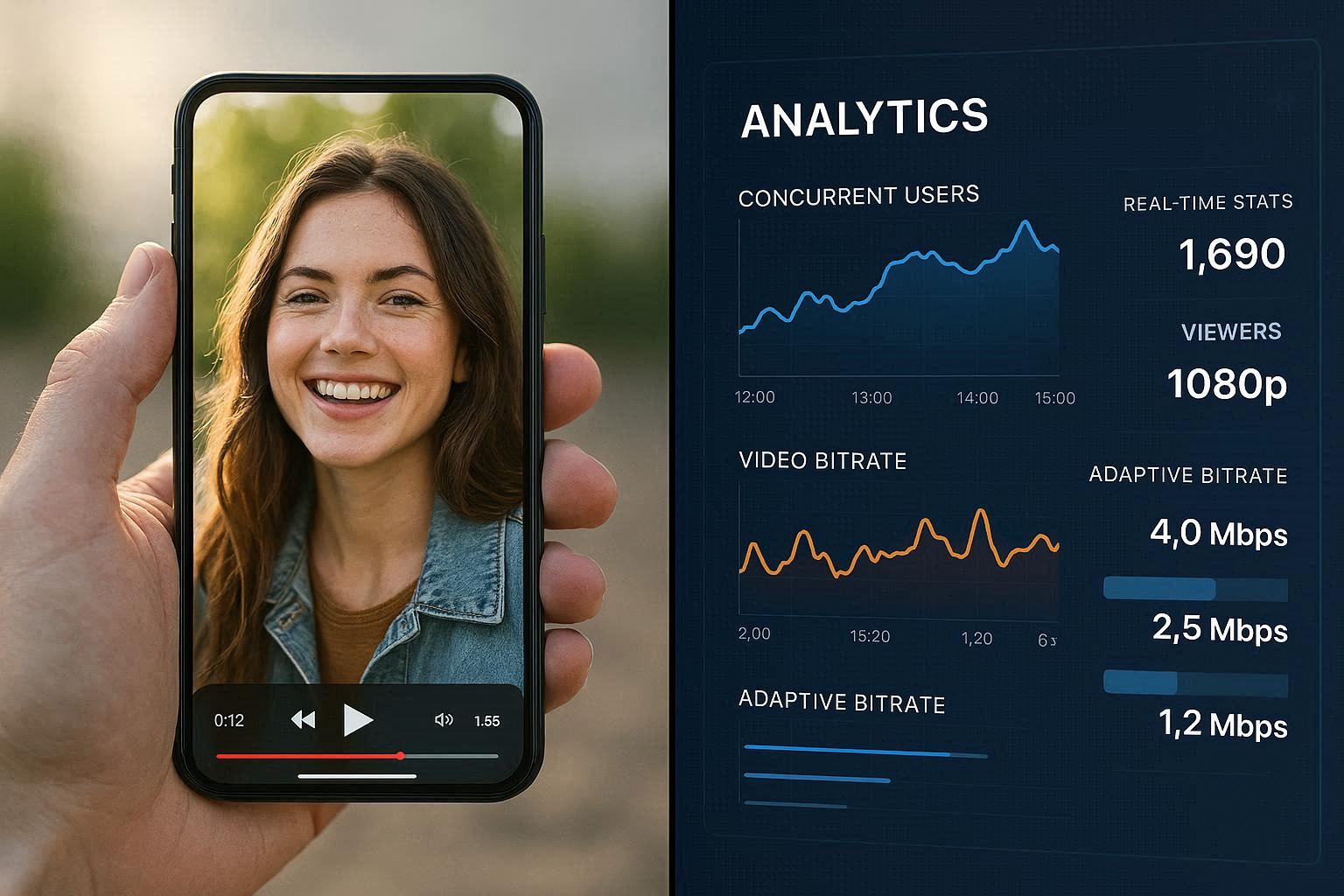
- Review analytics to refine timing, topics, and format
This turns live engagement into an on-demand library, while your distribution layer ensures both live and replay perform smoothly.
Quick Pre-Stream Checklist (Worth Printing)
Confirm upload speed and have a backup connection
- Prioritize audio (external mic if possible)
- Use simple lighting and a clean background
- Assign a moderator for chat during busy segments
- Run a 2-minute private test before going public
Closing Thought
Live streaming in 2026 isn’t about being flashy—it’s about being dependable. When your stream starts fast, plays smoothly, and reaches viewers anywhere without hiccups, people stay longer and engage more. That’s how live video becomes a true business channel, not just a moment.