






In today’s digital-first business environment, protecting personal information is no longer optional. Customers expect companies to handle their data responsibly, and regulators are enforcing stricter privacy laws than ever before. In South Africa, the Protection of Personal Information Act (POPIA) sets the standard for how businesses collect, store, process, and share personal information.
For companies of all sizes, achieving POPI Act Compliance is essential for building customer trust, reducing legal risks, and ensuring long-term business sustainability. Whether you operate a startup, e-commerce store, legal consultancy, or enterprise organization, understanding the fundamentals of POPIA can help you avoid penalties and strengthen your reputation.
At Aircounsel, businesses can access reliable Online Legal Services that simplify compliance, legal documentation, and regulatory processes. From privacy policies to Online Trademark Registration, having the right legal support can make compliance easier and more efficient.
Here are 10 important POPI Act Compliance tips every company should know.
1. Understand What POPIA Covers
The first step toward POPI Act Compliance is understanding what qualifies as personal information under the law. POPIA protects any information that can identify an individual, including:
Names and surnames
Phone numbers
Email addresses
ID numbers
Financial details
Employee records
Online identifiers and IP addresses
Many companies underestimate how much personal information they process daily. Businesses should conduct a thorough review of all systems, databases, websites, and communication channels to identify where personal data is collected and stored.
2. Appoint an Information Officer
POPIA requires businesses to appoint an Information Officer responsible for ensuring compliance within the organization. This person oversees data protection procedures, handles customer requests, and ensures that the company follows proper privacy practices.
The Information Officer should:
Monitor compliance activities
Develop internal privacy policies
Train employees on data protection
Handle data breach incidents
Communicate with regulators when necessary
For small businesses without internal legal teams, using Online Legal Services from Aircounsel can help streamline this process and ensure proper legal guidance.
3. Create a Clear Privacy Policy
A transparent privacy policy is one of the most important elements of POPI Act Compliance. Customers have the right to know:
What information is being collected
Why it is being collected
How it will be used
Who it may be shared with
How long it will be retained
Your privacy policy should be easy to understand and accessible on your website. Avoid overly technical language and ensure users can provide informed consent before submitting their personal data.
A professionally drafted privacy policy also demonstrates credibility and professionalism to clients and business partners.
4. Collect Only Necessary Information
One of the core principles of POPIA is minimal data collection. Businesses should only collect personal information that is necessary for a specific business purpose.
For example:
An e-commerce company may need shipping details and payment information
A legal consultancy may require identification documents
A newsletter signup form may only need an email address
Avoid collecting unnecessary or excessive information, as this increases compliance risks and data security responsibilities.
5. Secure Personal Information Properly
Cybersecurity plays a major role in POPI Act Compliance. Companies must take reasonable technical and organizational measures to protect personal information from unauthorized access, loss, theft, or misuse.
Best practices include:
Using secure passwords and multi-factor authentication
Encrypting sensitive data
Limiting employee access to confidential information
Updating software regularly
Conducting routine security audits
A data breach can damage customer trust and expose businesses to legal penalties. Investing in strong data protection systems is essential for long-term compliance.
6. Train Employees on Data Protection
Many compliance failures occur because employees are unaware of privacy regulations or proper handling procedures. POPIA compliance should not be limited to management alone — every employee who handles customer information must understand their responsibilities.
Training sessions should cover:
Data handling procedures
Password security
Email phishing awareness
Confidentiality obligations
Customer consent requirements
Regular employee training reduces the likelihood of human error and helps create a culture of privacy and accountability within the organization.
7. Obtain Proper Customer Consent
Under POPIA, businesses generally need consent before collecting or processing personal information. Consent must be:
Voluntary
Specific
Informed
Clearly communicated
Pre-checked boxes or hidden consent clauses may not meet compliance standards. Businesses should provide users with clear options to accept or decline data collection practices.
Consent management becomes especially important for digital marketing campaigns, email newsletters, and customer databases.
8. Review Third-Party Service Providers
Many companies share customer data with third-party providers such as payment gateways, cloud storage platforms, payroll systems, and marketing agencies. Businesses remain responsible for ensuring that these providers also maintain proper data protection standards.
Before sharing data with external vendors:
Review their security measures
Verify compliance policies
Sign confidentiality agreements
Limit unnecessary data sharing
Working with trusted legal partners like Aircounsel can help businesses establish legally compliant agreements and vendor relationships.
9. Maintain Proper Legal Documentation
Strong documentation is essential for demonstrating POPI Act Compliance. Businesses should maintain records related to:
Customer consent
Privacy policies
Employee confidentiality agreements
Data processing procedures
Incident response plans
Legal documentation not only helps with regulatory compliance but also protects businesses during disputes or investigations.
Companies managing intellectual property should also consider Online Trademark Registration to safeguard their brand identity alongside privacy compliance efforts. Combining trademark protection with privacy compliance creates a stronger legal foundation for business growth.
10. Conduct Regular Compliance Audits
POPIA compliance is not a once-off task. As businesses grow, collect more customer data, or adopt new technologies, compliance requirements may change.
Regular compliance audits help companies:
Identify vulnerabilities
Update outdated policies
Improve security systems
Ensure employee compliance
Reduce legal exposure
Businesses that proactively monitor their compliance processes are better prepared to handle evolving regulations and customer expectations.
Partnering with experienced providers of Online Legal Services can simplify ongoing compliance management and help businesses stay ahead of regulatory changes.
Why POPI Act Compliance Matters More Than Ever
Consumers are becoming increasingly aware of their privacy rights, and regulators are paying closer attention to how organizations handle personal information. Non-compliance can lead to financial penalties, reputational damage, and loss of customer trust.
However, POPI Act Compliance is not only about avoiding penalties — it is also an opportunity to build stronger customer relationships. Businesses that prioritize transparency, security, and ethical data handling often gain a competitive advantage in the marketplace.
For companies seeking professional legal guidance, Aircounsel offers practical Online Legal Services tailored to modern business needs. Whether you need assistance with compliance policies, legal agreements, or Online Trademark Registration, having reliable legal support can help your business operate with greater confidence and security.
By implementing these 10 POPI Act Compliance tips, companies can create safer business environments, strengthen customer trust, and position themselves for sustainable growth in a data-driven world.


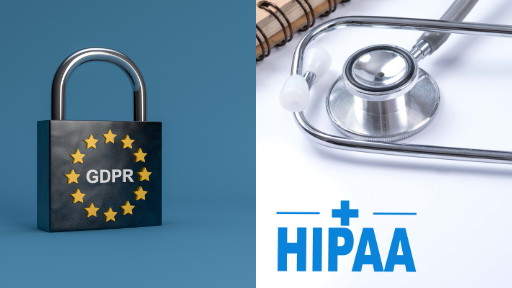
GDPR and HIPAA are two Compliance Standards that have taken the industry by storm.
Both the Standards have for long been a topic of discussion as organizations scramble around to ensure Compliance.
While the EU General Data Protection Regulation is a data security law that came into effect in 2018, the US Health Insurance Portability and Accountability Act is a health information security law that came into effect in 1996.