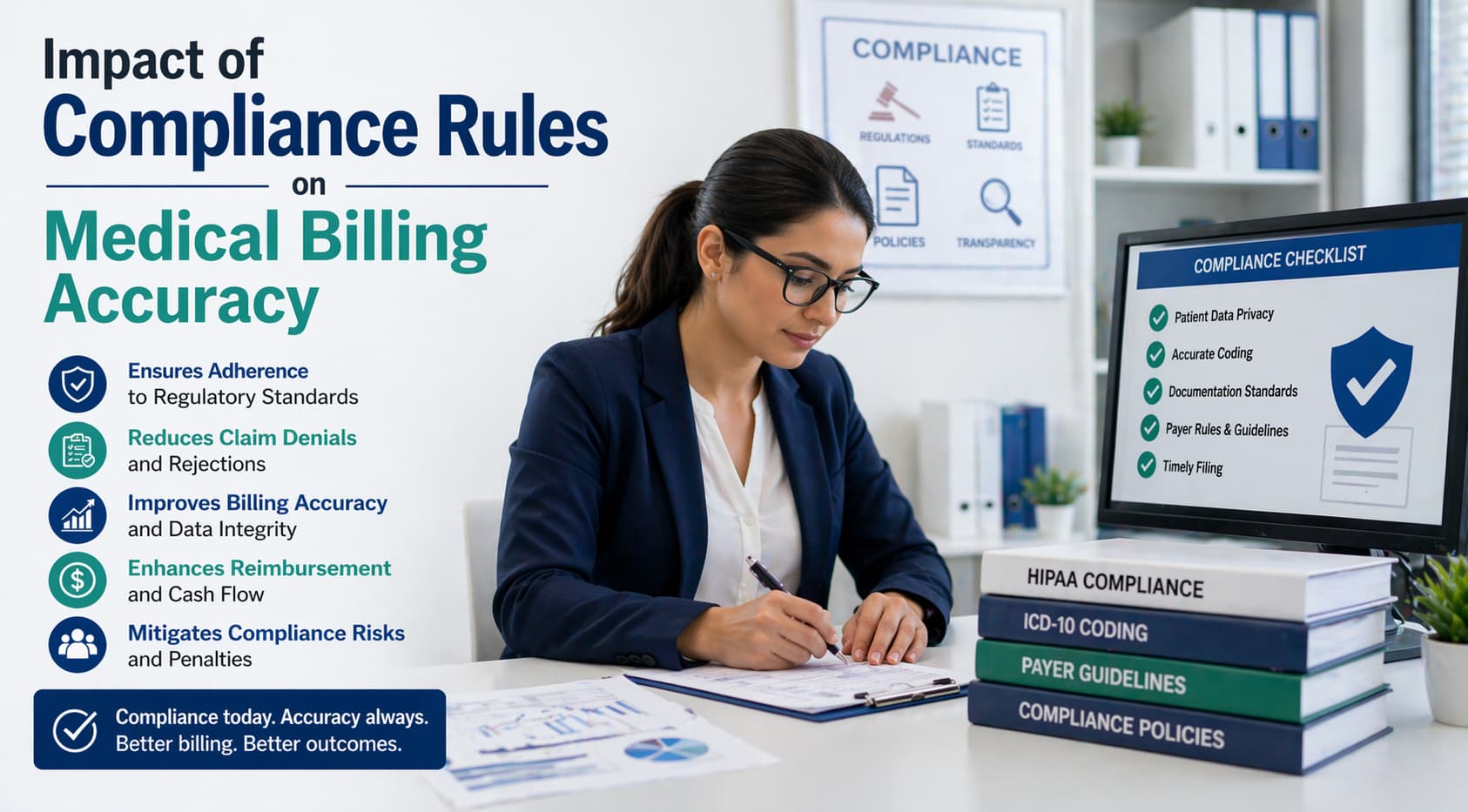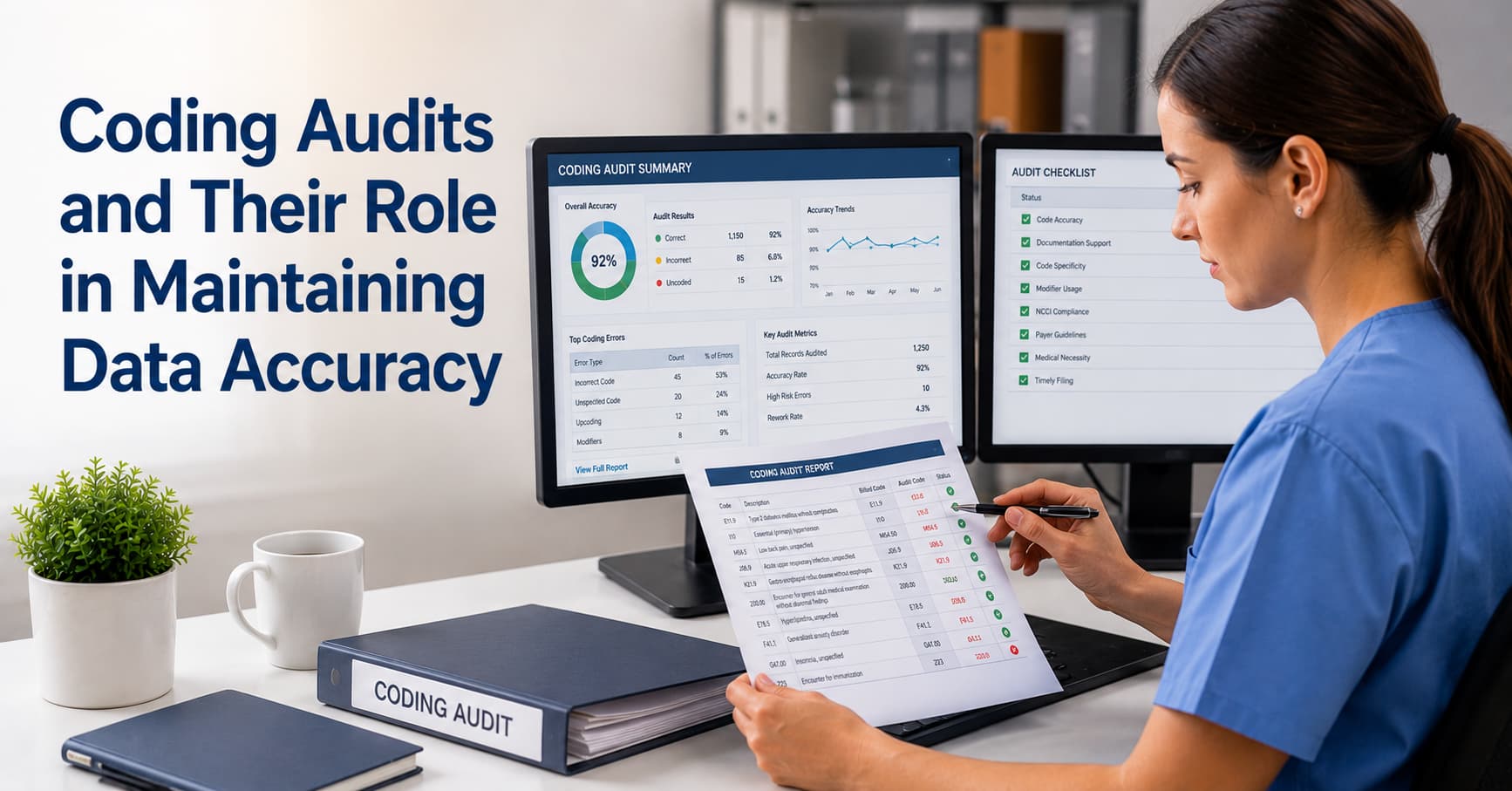
Accurate medical coding sits at the center of every successful healthcare revenue cycle. Diagnosis codes, procedure documentation, and billing records all influence reimbursement, compliance, reporting, and patient data integrity. Even small coding errors can create denied claims, audit risks, or inaccurate financial reporting that affects the entire organization.
For many healthcare providers, Medical Coding Services help strengthen operational accuracy because coding systems have become increasingly detailed and compliance-driven. Insurance companies, government programs, and regulatory agencies now expect exceptional coding precision supported by complete clinical documentation. As a result, coding audits have become one of the most effective tools for maintaining data accuracy and protecting healthcare organizations from financial and regulatory problems.
Coding audits are not simply about finding mistakes. They help organizations evaluate documentation quality, identify workflow weaknesses, improve staff education, and strengthen long-term revenue cycle performance. In modern healthcare environments where reimbursement depends heavily on accurate data, regular coding audits have become essential rather than optional.
Why Coding Audits Matter in Healthcare
Coding Accuracy Directly Affects Reimbursement
Every healthcare claim relies on accurate diagnosis and procedure coding. Insurance companies use these codes to determine:
Medical necessity
Reimbursement eligibility
Payment amounts
Risk adjustment calculations
Compliance review priorities
If coding does not align properly with clinical documentation, claims may be denied or underpaid. In some cases, inaccurate coding may even create overpayment risks that trigger future repayment demands.
Coding audits help organizations identify these problems early, before they affect financial performance significantly.
Healthcare Data Depends on Proper Coding
Medical coding supports far more than billing. Healthcare organizations use coded data for:
Patient population analysis
Quality reporting
Operational planning
Public health tracking
Research initiatives
Inaccurate coding weakens data reliability across all these areas. For example, incorrect diabetes coding may distort population health reports and affect care management planning.
Accurate coding improves both financial outcomes and healthcare decision-making.
Regulatory Scrutiny Continues Increasing
Healthcare compliance requirements continue to become more complex. Medicare, Medicaid, and commercial payers regularly review claims to ensure coding accuracy and documentation compliance.
Coding audits help organizations reduce risks involving:
Upcoding
Undercoding
Unsupported diagnoses
Modifier misuse
Medical necessity concerns
Proactive audits often prevent much larger problems during external payer or government reviews.
Types of Coding Audits Used in Healthcare
Internal Coding Audits
Internal audits are conducted by healthcare organizations or internal compliance teams to evaluate coding accuracy routinely.
These audits often focus on:
Claim accuracy
Documentation completeness
Coding consistency
Workflow efficiency
Provider education opportunities
Internal reviews help organizations identify recurring problems before outside audits occur.
For example, an internal audit may reveal repeated modifier misuse within surgical claims, allowing corrective training before payer denials increase.
External Independent Audits
Many healthcare organizations also use third-party audit services to provide objective coding evaluations. External reviewers often identify issues internal teams may overlook because they bring independent expertise and broader industry experience.
External audits may assess:
Compliance vulnerabilities
Specialty-specific coding risks
Payer audit exposure
Revenue leakage
Documentation quality trends
Independent reviews often provide valuable benchmarking against industry standards.
Prospective and Retrospective Audits
Coding audits can occur both before and after claims are submitted.
Prospective audits review claims before submission to catch errors early. Retrospective audits analyze previously submitted claims to identify trends, compliance concerns, or reimbursement issues.
Both approaches offer important benefits:
Prospective audits reduce denial risk
Retrospective audits improve long-term process improvement
Most successful organizations use a combination of both strategies.
Common Problems Identified Through Coding Audits
Documentation Does Not Support Codes
One of the most common audit findings involves insufficient documentation supporting assigned codes. Coders cannot bill based on assumptions or incomplete clinical details.
Examples include:
Missing diagnosis specificity
Incomplete procedural descriptions
Lack of medical necessity support
Missing provider signatures
Insufficient time documentation
When records fail to support billed services clearly, reimbursement and compliance risks increase significantly.
Coding Guidelines Are Applied Inconsistently
Different coders may interpret documentation differently, especially in complex specialties such as cardiology, neurology, or behavioral health.
Inconsistent coding can lead to:
Uneven reimbursement patterns
Payer confusion
Increased denial rates
Audit vulnerability
Coding audits help standardize interpretation and improve consistency across teams.
Modifier Errors Frequently Occur
Modifiers remain one of the most misunderstood areas of medical coding. Incorrect modifier usage may result in claim denials or overpayment risks.
Audits often identify:
Missing modifiers
Inappropriate modifier combinations
Unbundling concerns
Incorrect procedural distinctions
Specialty-specific audits are especially valuable because modifier rules vary significantly between procedure types.
How Coding Audits Improve Data Accuracy
Audits Strengthen Documentation Quality
Coding audits often reveal documentation gaps that providers may not recognize during daily clinical workflows. Educational feedback helps clinicians improve note quality and coding support over time.
Stronger documentation improves:
Claim clarity
Coding specificity
Medical necessity validation
Audit readiness
Care continuity
Clear records benefit both clinical and financial operations.
Error Trends Become Easier to Identify
One isolated coding error may not indicate a major issue. However, repeated patterns often reveal workflow weaknesses or training gaps.
Audits help organizations identify:
Frequent denial causes
Department-specific weaknesses
High-risk coding trends
Staff education needs
Technology limitations
Trend analysis allows organizations to make targeted improvements rather than reacting only to isolated mistakes.
Revenue Integrity Improves
Accurate coding helps healthcare organizations capture appropriate reimbursement without increasing compliance risks.
Well-managed coding processes reduce:
Underbilling losses
Denied claims
Repayment demands
Administrative rework
Audit penalties
Revenue integrity depends heavily on maintaining accurate and consistent coding data.
Best Practices for Effective Coding Audits
Conduct Audits Regularly
Coding audits should occur consistently rather than only after problems appear. Routine reviews help organizations maintain stable compliance standards.
Many healthcare organizations perform:
Monthly focused audits
Quarterly departmental reviews
Annual organization-wide assessments
Frequent monitoring supports stronger long-term accuracy.
Focus on High-Risk Areas
Certain specialties and procedures carry greater coding risk due to complexity or high reimbursement values.
High-risk audit areas often include:
Surgical procedures
Time-based services
Chronic care management
Behavioral health
Diagnostic testing
Prioritizing these areas helps organizations reduce financial exposure more effectively.
Provide Educational Feedback
Audits work best when findings support education rather than punishment. Providers and coders benefit from understanding why certain documentation or coding issues create risks.
Constructive feedback improves:
Staff engagement
Coding consistency
Documentation awareness
Compliance culture
Continuous learning is essential because coding standards evolve constantly.
Use Experienced Coding Specialists
Specialized coding expertise becomes increasingly important as healthcare regulations grow more detailed. Many organizations partner with experienced revenue cycle teams to strengthen audit quality and maintain compliance standards.
Healthcare providers working with Dr Biller RCM often use ongoing audit strategies to improve coding accuracy, reduce denial trends, and strengthen long-term revenue cycle stability.
FAQ About Coding Audits and Data Accuracy
What is the purpose of a medical coding audit?
Coding audits evaluate whether diagnosis and procedure codes accurately match clinical documentation and comply with billing regulations.
How do coding audits improve data accuracy?
Audits identify documentation gaps, coding inconsistencies, and workflow weaknesses that may affect claim accuracy, reporting reliability, and reimbursement outcomes.
What are the most common coding audit findings?
Common findings include unsupported diagnosis codes, modifier errors, incomplete documentation, medical necessity concerns, and inconsistent coding practices.
How often should healthcare organizations perform coding audits?
Most organizations benefit from regular monthly, quarterly, or annual audits depending on claim volume, specialty complexity, and compliance risk levels.
Can coding audits reduce claim denials?
Yes. By identifying errors before or shortly after submission, coding audits help reduce preventable denials and improve clean claim rates.
Final Thoughts
Coding audits play a critical role in maintaining data accuracy because healthcare reimbursement, compliance, and reporting all depend on reliable coding practices. As healthcare systems continue becoming more data-driven and regulation-heavy, organizations can no longer afford inconsistent coding or weak documentation processes.
Regular audits help healthcare providers identify risks early, improve coding consistency, strengthen documentation quality, and protect long-term financial performance. From reducing denials to improving compliance readiness, coding audits provide valuable insight into the overall health of a healthcare organization’s revenue cycle. Practices seeking stronger operational accuracy and reimbursement performance often benefit from partnering with experts in Medical Billing Services in USA to support ongoing coding audits and long-term data integrity initiatives.