




What Actually Removes Tough Stains From Commercial Carpets
Stains in commercial carpet are not the same problem as stains in a home. Foot traffic gets there before anyone notices. The wrong product, applied in a hurry, sets the mark deeper than the spill itself. By the time the regular cleaning round comes through, what could have been a 30-second fix is a permanent feature of the floor.
The real question is not whether stains will happen — in any office, retail tenancy, hospitality venue, or medical waiting room they will — but how they get treated when they do. This guide covers what actually works for the most common commercial carpet stains, the chemistry behind each method, and where DIY treatment stops being a good idea.
Why Commercial Carpets Behave Differently from Domestic Ones
Commercial carpet is usually a denser nylon or polypropylene weave, often with a stain-resistant coating and a different backing system to handle heavier traffic. That changes how stains behave on it:
- Spills travel further across the surface before being absorbed
- Foot traffic drives the stain deeper into the fibre before anyone treats it
- Domestic-strength chemistry is often too weak to dislodge it
- The backing reacts badly to over-wetting — mould and delamination are real risks
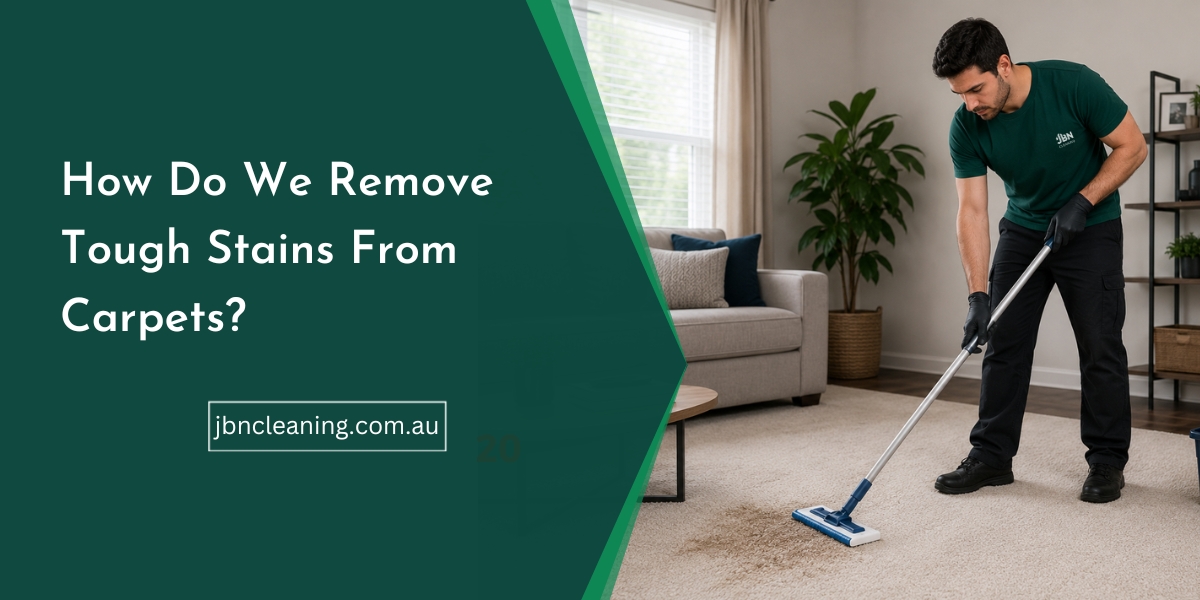
How do we remove tough stains from carpets in commercial buildings? The short answer is the right product matched to the specific stain, applied within the working window, and finished with proper extraction. Generic spray cleaners and rubbing motion are usually what make a small mark permanent.
The First Rule: Act Fast, But Do Not Make It Worse
The faster a stain is treated, the better the outcome. Once a spill dries, oxidises, or sets in heat, the chemistry shifts and the job gets harder. But fast does not mean panicked.
- Blot, never rub. Rubbing pushes the stain deeper and damages the fibre cap.
- Work edges to centre — treat the outside first, work inward, so you do not spread the stain.
- Test the product on a hidden patch first.
- Use a clean white cloth so dye transfer does not become a second stain.
Stain Types and What Works for Each
The wrong product on the wrong stain is how a quick mark becomes a permanent one. Each stain category needs different chemistry.
Coffee and tea: Tannin-based. Cold-water blot, then a 1:2 white vinegar-and-water solution, blot again, rinse with cold water. Skip hot water — heat sets tannin permanently.
Ink and marker: Solvent-based. Rubbing alcohol or hand sanitiser dabbed (not rubbed) on a clean cloth. For stubborn permanent marker, a carpet cleaning solvent is applied sparingly. Always rinse with cold water afterwards.
Blood: Cold water only. Hot water cooks blood proteins into the fibre permanently. Cold-water blot first, then a hydrogen peroxide solution if needed (test on a hidden area), and rinse.
Food and grease: Lift the solid debris first. Apply an enzyme-based cleaner to break down the protein residues, then a degreasing agent for the oil component. Two steps, in that order.
Wine and juice: Cold water blot, then dab with the white-vinegar solution. Hydrogen peroxide is an option on white carpet only. The salt-overnight trick is a domestic myth that often makes commercial carpet worse, not better.
Pet and bodily fluids: Enzyme-based cleaners are essential. They break down the proteins that ordinary disinfectants just smear around. Without an enzyme component, the residue and odour stay in the carpet.
Chewing gum: Freeze with an ice cube wrapped in plastic until brittle, scrape off with a blunt edge, then a solvent-based residue remover for what is left.
The Tools That Actually Make A Difference
Beyond the chemistry, three tools change the outcome on commercial carpet:
Hot-water extraction machines (what professionals call “steam cleaning”) lift far more soil than wet vacuuming.
Microfibre cloths actually pick up stain particles. Cotton cloths just push them around.
Soft-bristle spotter brushes agitate the stain without damaging the fibre.
A wet-dry vac and a multi-purpose spray cleaner is not the same toolkit. It removes visible dirt from the surface but rarely removes the stain underneath.
Frequently Asked Questions
Should I use bleach on carpet stains?
Almost never. Bleach removes carpet dye along with the stain, which leaves a permanent white mark on coloured carpet. The only safe use is on white-only carpet with a careful spot test first.
Are domestic carpet shampooers safe to use on commercial floors?
Domestic-grade shampooers tend to leave too much water in the carpet, which causes wicking, mould risk, and backing damage. Commercial-grade machines are designed with strong extraction so the carpet ends up damp, not soaked.
Why does the stain keep coming back after I cleaned it?
Wicking. Deep soil and stain residue in the carpet pad migrates back to the surface as the carpet dries. Proper extraction and forced drying solves this — surface-level wiping does not.
How often should commercial carpets be deep cleaned?
Most offices benefit from quarterly deep cleans, with high-traffic areas (reception, corridors, breakrooms) every 6–8 weeks. Retail and hospitality sites often need monthly attention, and medical waiting rooms may run more frequent schedules depending on patient load.
Final Thoughts
Tough carpet stains are not really a sign of bad luck. They are a sign of how a building gets used and how quickly the response happens when something spills. Understanding removing tough stains from carpets is part chemistry, part timing, and part equipment. With the right approach, almost any stain that is not already permanently set can be reduced to invisible or lifted entirely. Without it, even a fresh stain can become permanent in a couple of weeks of foot traffic and wrong treatment.
The commercial cleaning company, such as JBN Cleaning, get consistent results, not the ones with the most expensive products. They are the ones that match the chemistry to the stain, work within the right time window, and finish with proper extraction and drying. That sequence is the entire game.


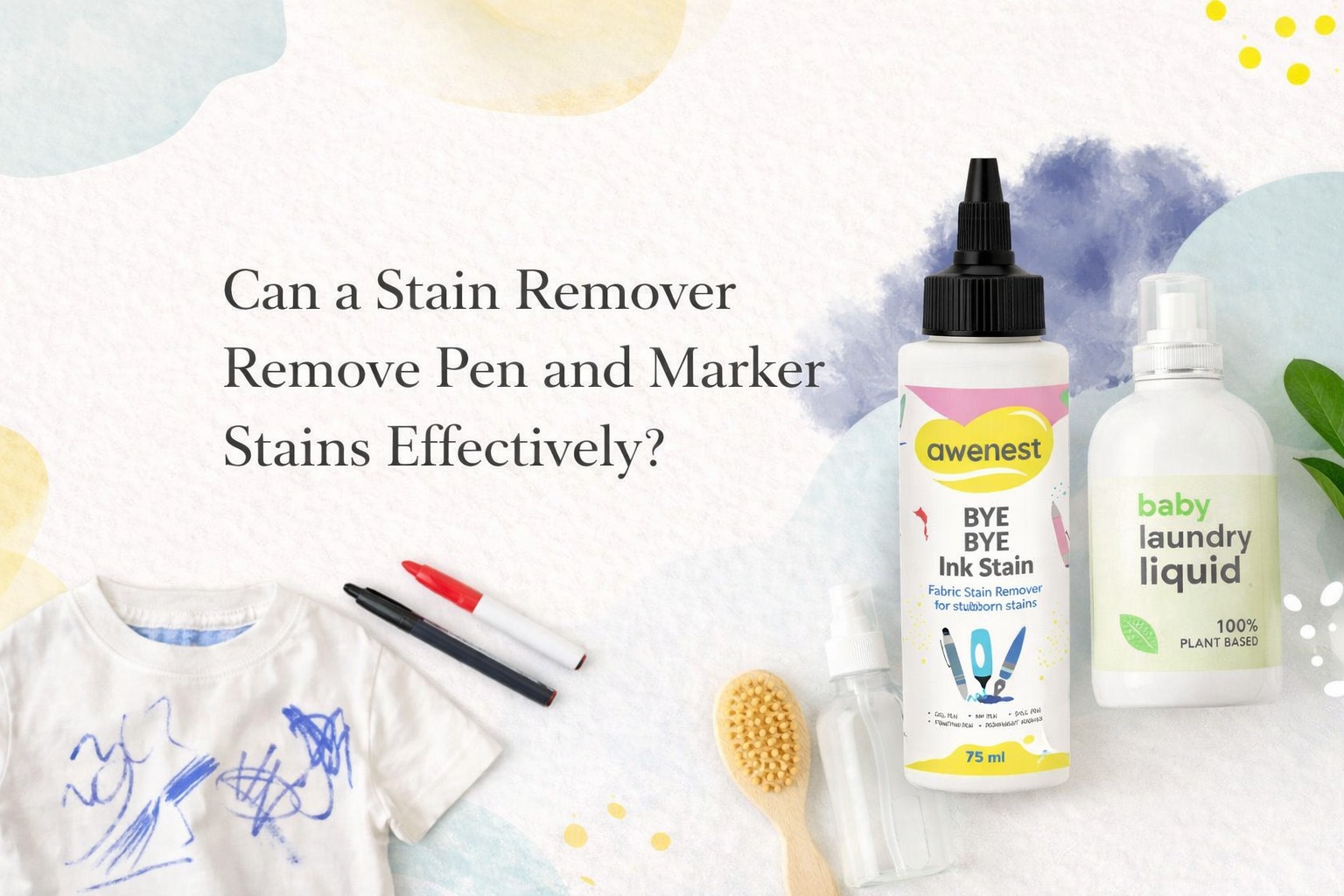
Pen leaks and marker accidents are common, especially in homes with kids. These stains spread quickly and can ruin clothes within minutes. That is why using a powerful Stain Remover becomes essenti
Kids love expressing creativity on walls. Unfortunately, crayons, markers, and sketch pens can turn clean walls into colorful chaos. That is when a reliable Stain Remover becomes essential for ever