


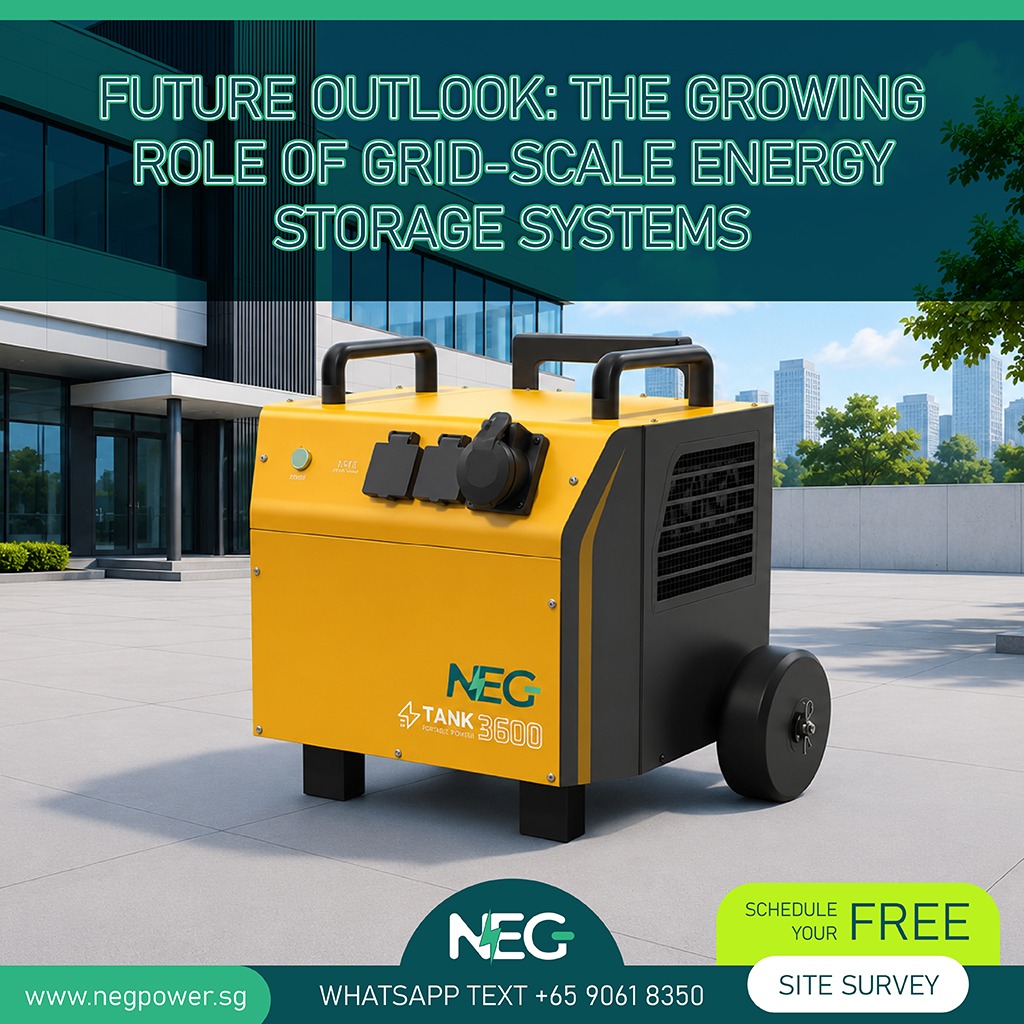
The global transition toward cleaner energy and transportation is accelerating rapidly, creating increasing demand for advanced infrastructure capable of supporting stable electricity distribution. Among the most important developments shaping this transition is the rise of grid-scale energy storage systems. These large installations are becoming essential for balancing electricity supply and demand, improving renewable energy integration, and supporting the rapid expansion of electric mobility. As governments, industries, and consumers move toward sustainable energy adoption, large scale energy storage systems are expected to play a defining role in the future of modern power networks.
Energy storage systems, commonly known as ESS, are designed to store electricity for later use. Unlike traditional power grids that rely heavily on real time electricity generation, energy storage allows excess power to be captured during periods of low demand and released when demand increases. This capability helps stabilize electricity supply, improve grid reliability, and reduce pressure on existing infrastructure.
One of the most significant drivers behind the growth of grid-scale ESS installations is the expansion of renewable energy. Solar and wind energy generation depend heavily on environmental conditions, making them variable and sometimes unpredictable. Solar panels produce electricity during daylight hours, while wind turbines generate power depending on wind availability. Without storage systems, excess renewable energy produced during peak generation periods may go unused.
Large scale ESS installations solve this challenge by storing renewable electricity and redistributing it when production declines or demand rises. This process improves overall grid efficiency and allows renewable energy to become a more dependable source of power. As countries continue increasing renewable energy targets, storage infrastructure will become increasingly important for maintaining stable and reliable electricity networks.
Another major factor contributing to ESS growth is the increasing adoption of electric vehicles. The rapid expansion of electric mobility places significant pressure on power grids, particularly during peak charging periods. Large charging hubs equipped with multiple fast charging stations require substantial electricity capacity to operate efficiently. Without proper energy management, these charging demands may strain local grids and increase operational costs.
Grid-scale ESS installations provide critical support for electric mobility infrastructure by storing electricity during off peak periods and supplying energy to charging hubs during periods of high demand. This approach reduces sudden pressure on utility networks and helps maintain charging reliability. As more cities expand public charging networks, energy storage systems will become closely connected to the long term success of every electric vehicle charger Singapore installation.
Fast charging technology especially benefits from large scale energy storage integration. High speed charging stations require significant bursts of power within short periods of time. In densely populated urban environments or commercial transport hubs, simultaneous charging activity can create sharp spikes in electricity demand. Energy storage systems help smooth these fluctuations by supplying stored energy directly to charging stations when needed.
This capability is becoming increasingly valuable as transportation fleets transition toward electrification. Public buses, delivery vehicles, commercial fleets, and logistics companies are adopting electric vehicles to reduce fuel costs and emissions. Fleet charging depots often operate on strict schedules and require reliable charging infrastructure throughout the day and night. Large ESS installations help ensure stable charging availability while minimizing stress on surrounding grid infrastructure.
The integration of renewable energy with electric mobility further strengthens the importance of storage systems. Many charging stations are now being combined with solar energy systems to improve sustainability and reduce operational expenses. However, solar generation alone cannot always provide continuous charging power, particularly during nighttime or cloudy conditions. ESS installations store surplus solar energy generated during the day and release it when charging demand increases later.
This combination creates a more efficient and environmentally responsible charging ecosystem. A properly managed electric vehicle charger Singapore network supported by renewable generation and energy storage can reduce dependency on fossil fuel based electricity while improving long term operational stability.
Beyond transportation, grid-scale energy storage systems also contribute to broader economic and environmental benefits. By improving grid stability, ESS installations reduce the likelihood of power interruptions and voltage fluctuations. Stable power distribution supports businesses, industrial operations, healthcare facilities, and residential communities.
Energy storage systems also help utility providers manage peak demand more efficiently. Electricity demand often rises sharply during specific hours of the day, especially during extreme weather conditions. Traditionally, utility companies relied on additional fossil fuel based generation to meet temporary demand increases. ESS technology allows stored electricity to be released during these peak periods, reducing dependence on expensive and high emission backup generation sources.
As battery technology continues to improve, energy storage systems are becoming more efficient, scalable, and cost effective. Advances in battery chemistry, thermal management, and software controls are increasing storage capacity while lowering operational costs. Improved monitoring systems also allow operators to optimize charging and discharging cycles more effectively.
Artificial intelligence and smart grid technologies are expected to further enhance ESS performance in the coming years. Intelligent energy management systems can analyze electricity demand patterns, renewable generation forecasts, and charging behavior to distribute stored energy more efficiently. This level of automation improves reliability while reducing waste and operational inefficiencies.
Urbanization is another important factor driving the future of energy storage infrastructure. As cities become more densely populated and electrically connected, demand for stable electricity networks continues increasing. Residential buildings, commercial facilities, transportation systems, and digital infrastructure all require dependable energy access. Large scale ESS installations help modern cities manage growing energy demand without placing excessive pressure on traditional grid systems.
Industrial sectors are also expected to increase investment in energy storage solutions. Manufacturing plants, logistics centers, and technology facilities rely heavily on uninterrupted power supply for continuous operations. ESS systems provide backup support while helping industries manage energy costs more effectively.
Government policies and sustainability initiatives are accelerating global ESS adoption as well. Many countries are introducing incentives, renewable energy targets, and infrastructure investments designed to support clean energy development. Public and private sector collaboration is expanding opportunities for utility scale storage deployment alongside renewable power generation and transportation electrification.
The future outlook for grid-scale energy storage systems therefore remains extremely strong. As renewable energy production expands and electric mobility adoption continues accelerating, modern power networks will require flexible and intelligent infrastructure capable of balancing supply and demand efficiently.
Energy storage systems are no longer viewed simply as supporting technologies. They are becoming central components of future electricity ecosystems. Their ability to stabilize grids, improve renewable integration, support transportation electrification, and enhance operational efficiency makes them essential for long term sustainability.
In the years ahead, every major charging network, renewable power project, and urban energy strategy is likely to depend heavily on advanced storage infrastructure. The relationship between ESS technology, renewable energy generation, and the electric vehicle charger Singapore industry will continue strengthening as global energy systems evolve toward cleaner and smarter operations.
Ultimately, grid-scale energy storage systems represent one of the most important foundations of the future energy transition. By enabling reliable renewable integration and supporting expanding electric mobility infrastructure, these systems are helping create a more resilient, efficient, and sustainable energy landscape for modern societies worldwide today and for future generations everywhere.
Visits us :https://www.negpower.sg/
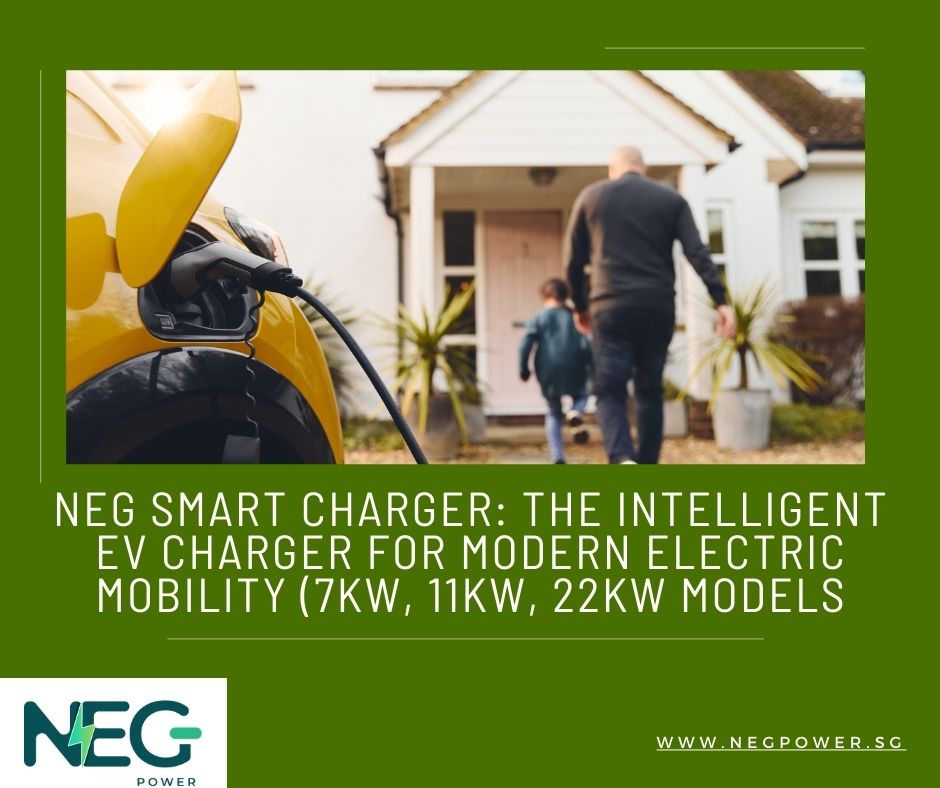


EV charger installation is one of the best ways to reduce carbon emissions and create a greener future.
But new electric vehicles are expensive, often costing more than their petrol or diesel equivalent as it is currently more expensive to manufacture electric cars, and the higher costs are passed onto the consumer.
This is changing as the industry grows and becomes more established.
More affordable EV models are now available, like the Nissan Leaf and the Renault Zoe.
However, the cost of a brand new electric vehicle is still more than many can afford.