As electric vehicle adoption continues expanding across commercial sectors, businesses are investing heavily in charging infrastructure to support transportation operations, employee charging access, and customer convenience. However, while electric mobility offers long term operational advantages, commercial charging environments also introduce new energy management challenges. One of the most significant financial concerns associated with large scale charging operations is demand charges. These costs can increase electricity expenses substantially, especially for facilities operating multiple charging units simultaneously. Smart battery systems are emerging as an effective solution for reducing these costs while improving operational efficiency and energy flexibility.
Demand charges are additional electricity fees based on the highest level of power consumption recorded during a billing period. Unlike standard energy charges, which depend on total electricity usage over time, demand charges focus on peak power demand during short intervals. Commercial facilities with high energy spikes may therefore experience substantial electricity costs even if their total energy consumption remains moderate.
Commercial electric vehicle charging can create sudden increases in power demand because charging sessions often require large amounts of electricity within relatively short timeframes. When multiple charging stations operate simultaneously, the combined energy load may push facilities into higher demand charge categories. As a result, businesses managing charging infrastructure frequently seek strategies for controlling peak demand more effectively.
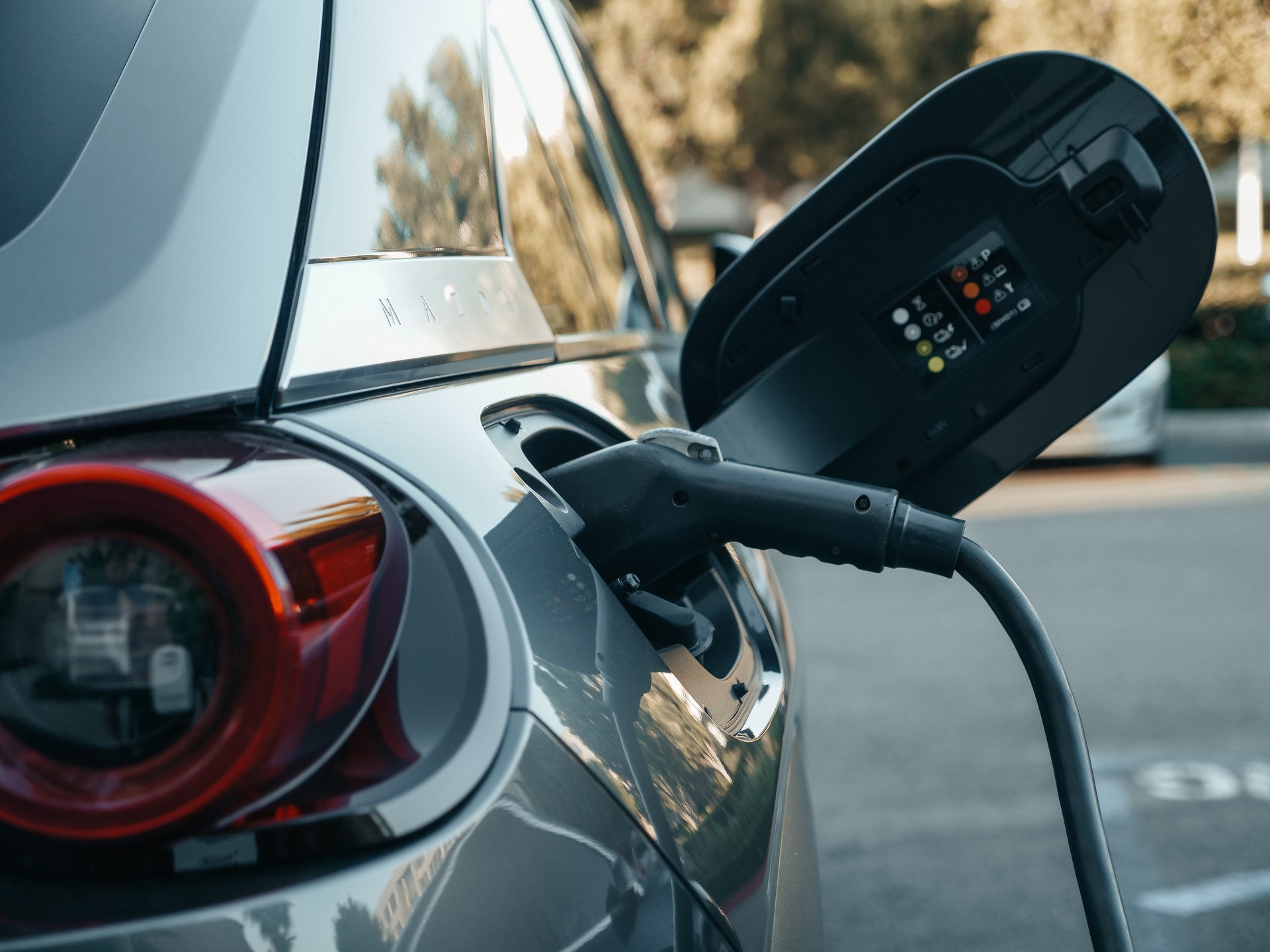
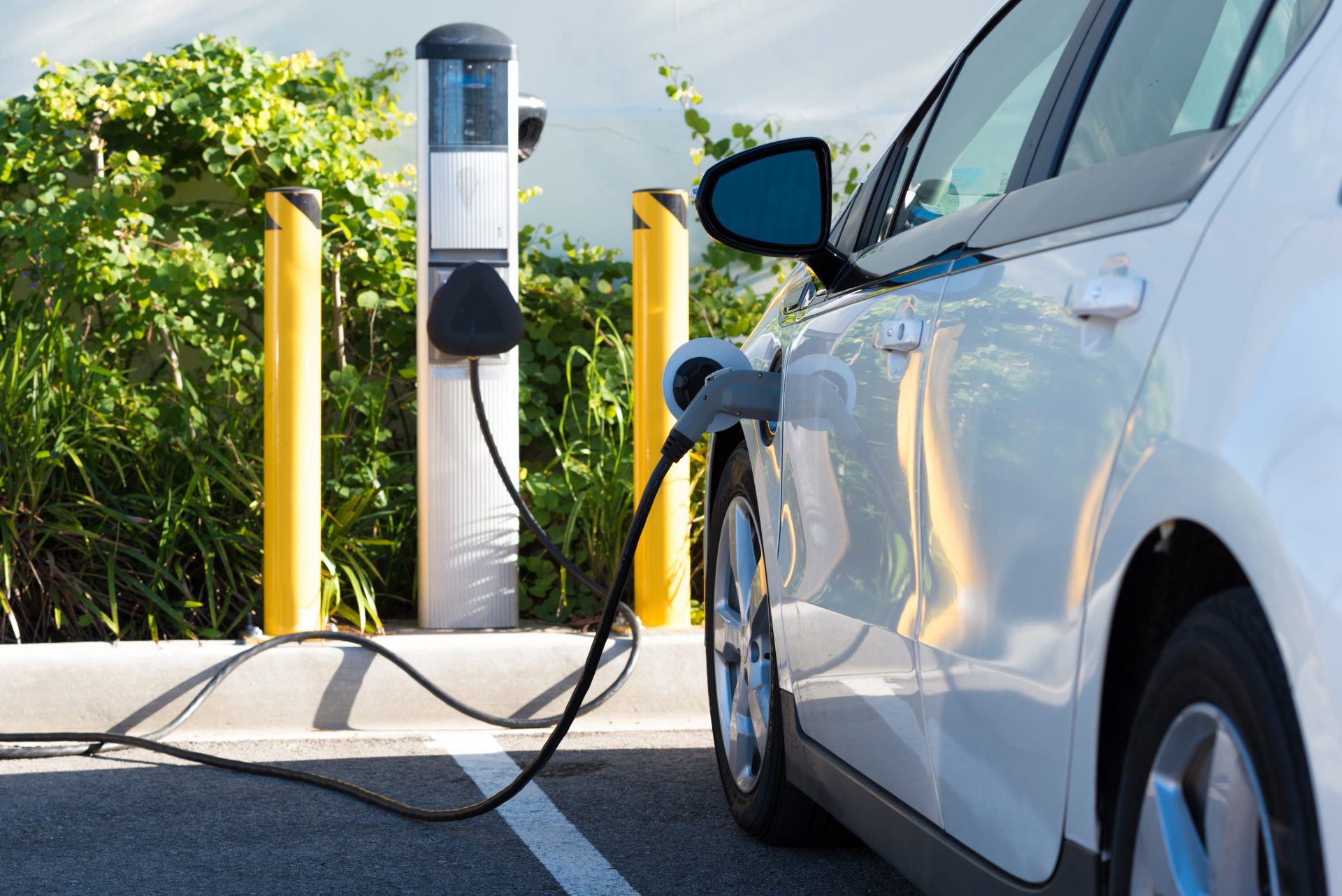
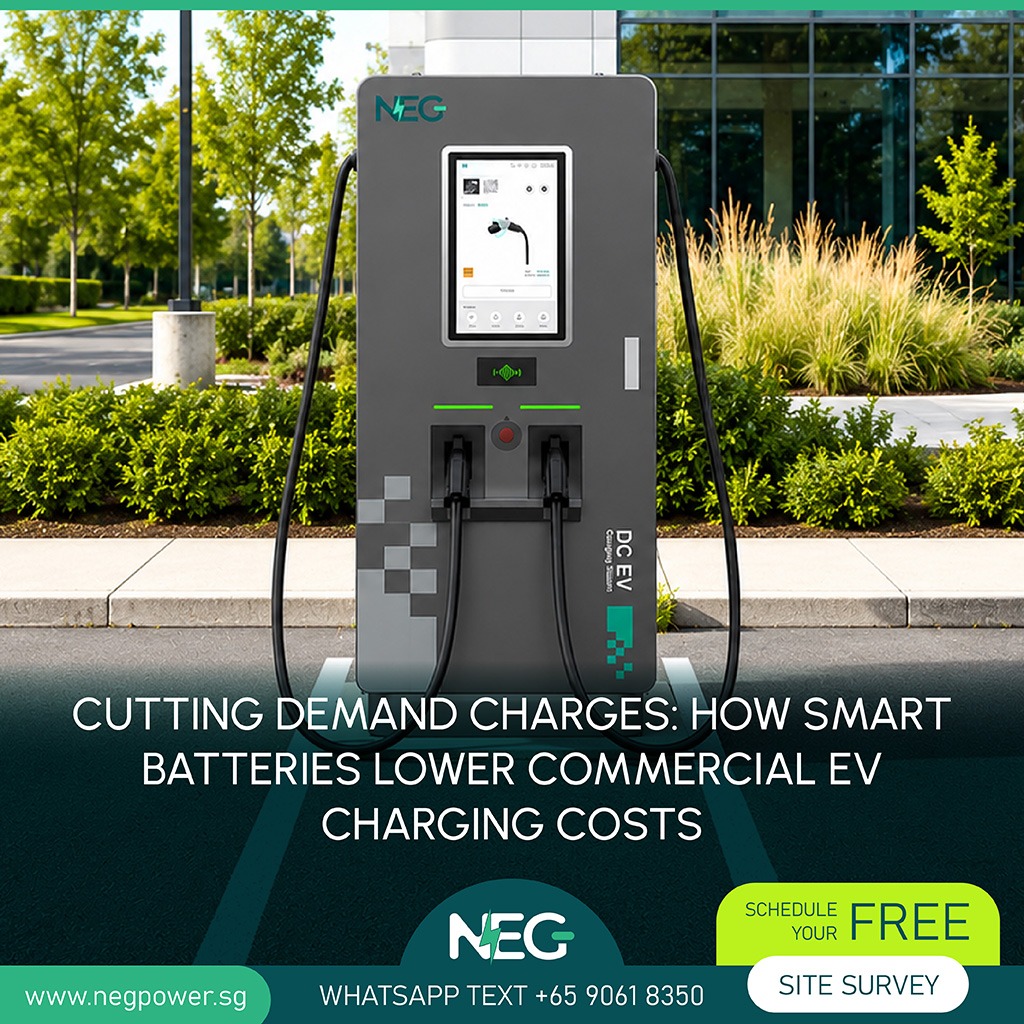
An EV Charger Singapore installed within commercial facilities may contribute significantly to peak electricity usage, particularly during high traffic periods or fleet charging operations. Smart battery systems help address this challenge by storing electricity during lower demand periods and releasing it strategically when charging demand increases. This process reduces the amount of power drawn directly from the utility grid during peak intervals.
Battery energy storage systems function as energy buffers that smooth electricity consumption patterns. Instead of relying entirely on direct grid power during charging sessions, facilities can supplement charging operations using stored energy. This reduces peak demand spikes and helps businesses maintain more stable energy profiles throughout billing cycles.
One of the primary advantages of smart battery systems is load shifting capability. Electricity can be stored during periods when energy demand and utility rates are lower, then discharged later when charging activity increases. This allows businesses to optimize energy usage patterns and reduce exposure to high demand charges.
Commercial facilities operating multiple charging stations often experience unpredictable charging patterns depending on customer traffic, employee schedules, or fleet operations. Smart batteries provide greater operational flexibility by responding dynamically to changing energy conditions. Automated energy management systems can monitor usage patterns and adjust battery discharge accordingly to minimize demand spikes.
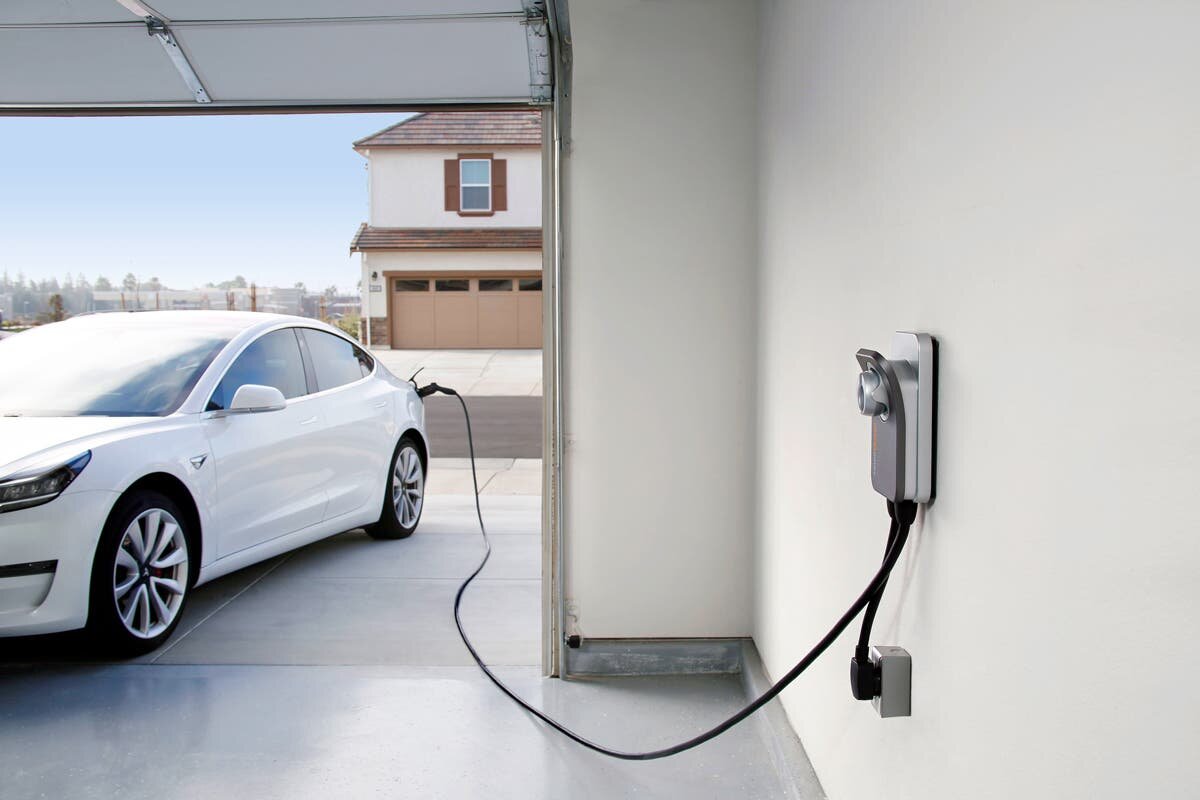
An EV Charger connected to an integrated battery storage system may therefore operate more efficiently while reducing strain on electrical infrastructure. This approach helps businesses maintain charging availability without triggering excessive utility demand fees.
Infrastructure limitations also influence commercial charging costs. Some facilities may not have electrical systems capable of supporting extensive charging expansion without costly utility upgrades. Smart battery systems help alleviate pressure on existing infrastructure by supplementing energy delivery during peak charging periods. Businesses can therefore expand charging capabilities more gradually while avoiding immediate large scale electrical upgrades.
Another major advantage of smart battery integration involves renewable energy compatibility. Many commercial facilities now incorporate solar power systems alongside charging infrastructure to improve sustainability and reduce operational expenses. Battery systems can store excess solar energy generated during daylight hours and later use it to support EV Charger Singapore operations during periods of increased demand.
Energy independence is another important benefit associated with battery supported charging systems. Facilities relying entirely on grid electricity remain vulnerable to price fluctuations, grid instability, and power interruptions. Smart batteries improve resilience by providing stored backup energy that supports continued charging operations even during temporary disruptions.
Operational efficiency also improves through advanced energy management software. Modern smart battery systems often include monitoring platforms capable of analyzing charging behavior, predicting demand patterns, and optimizing energy distribution automatically. These intelligent systems help businesses maximize battery performance while minimizing electricity expenses.
Battery systems can also contribute to long term financial predictability. Demand charges are often difficult to manage because they depend on short periods of peak energy usage rather than average consumption levels. By stabilizing power demand, smart batteries help businesses create more consistent energy profiles and improve budgeting accuracy.
Commercial fleet operators especially benefit from smart charging strategies because fleet vehicles frequently require simultaneous charging during predictable operational windows. Without proper energy management, these concentrated charging periods can generate substantial demand charges. Smart batteries help distribute energy more efficiently and reduce the financial impact of peak charging events.
An EV Charger operating within a battery assisted environment may also provide faster and more reliable service during periods of high demand. Instead of depending entirely on direct grid availability, battery support allows charging infrastructure to maintain stronger performance under heavy usage conditions.
Environmental sustainability goals further strengthen the appeal of battery supported charging systems. Businesses increasingly seek methods for reducing emissions and improving energy efficiency across operations. Smart battery technology supports cleaner energy utilization while encouraging broader adoption of electric transportation solutions.
Another important consideration involves grid stability. Large scale charging operations can place additional pressure on electrical infrastructure during peak demand periods. Battery storage systems help reduce sudden grid stress by moderating power consumption patterns. This contributes not only to cost reduction for businesses but also to broader energy system stability.
Scalability is another valuable characteristic of smart battery technology. Businesses may begin with limited charging infrastructure and gradually expand as electric vehicle adoption increases. Battery systems can often be upgraded incrementally to match changing operational requirements. This flexibility supports long term infrastructure planning while improving financial efficiency.
Maintenance and operational reliability also improve through balanced energy management. Electrical systems subjected to repeated high demand spikes may experience greater wear over time. Smart batteries help reduce sudden stress on infrastructure by distributing energy loads more evenly. This contributes to longer equipment lifespan and improved operational consistency.
An EV Charger Singapore supported by intelligent battery storage may therefore deliver both economic and operational advantages simultaneously. Businesses can improve charging accessibility while controlling energy expenses and supporting long term infrastructure resilience.
Regulatory and market conditions are also encouraging greater investment in battery supported charging solutions. As governments and industries continue promoting transportation electrification, businesses increasingly require scalable and cost effective charging strategies. Managing electricity demand efficiently will become even more important as charging adoption expands.
Customer expectations further influence commercial charging decisions. Drivers increasingly expect reliable, accessible, and efficient charging services in commercial locations. Businesses that maintain stable charging performance during high demand periods strengthen customer satisfaction and operational reputation.
The relationship between energy management and transportation electrification will continue evolving as electric vehicle usage expands globally. Businesses that adopt proactive energy strategies position themselves more effectively for future growth while reducing operational uncertainty.
Smart batteries are transforming how commercial facilities manage electric vehicle charging costs by reducing demand charges, improving infrastructure efficiency, and supporting stable energy usage patterns. Through load shifting, peak demand reduction, renewable energy integration, and intelligent energy management, battery systems provide substantial operational and financial advantages.
As commercial charging infrastructure becomes increasingly important across transportation networks, businesses must balance charging accessibility with sustainable energy management. Smart battery systems offer a practical solution for controlling electricity expenses while supporting reliable EV Charger Singapore operations. By reducing demand charges and improving operational flexibility, these technologies help businesses strengthen financial performance, energy resilience, and long term readiness for the future of electric mobility.
Visits us : https://www.negpower.sg/