


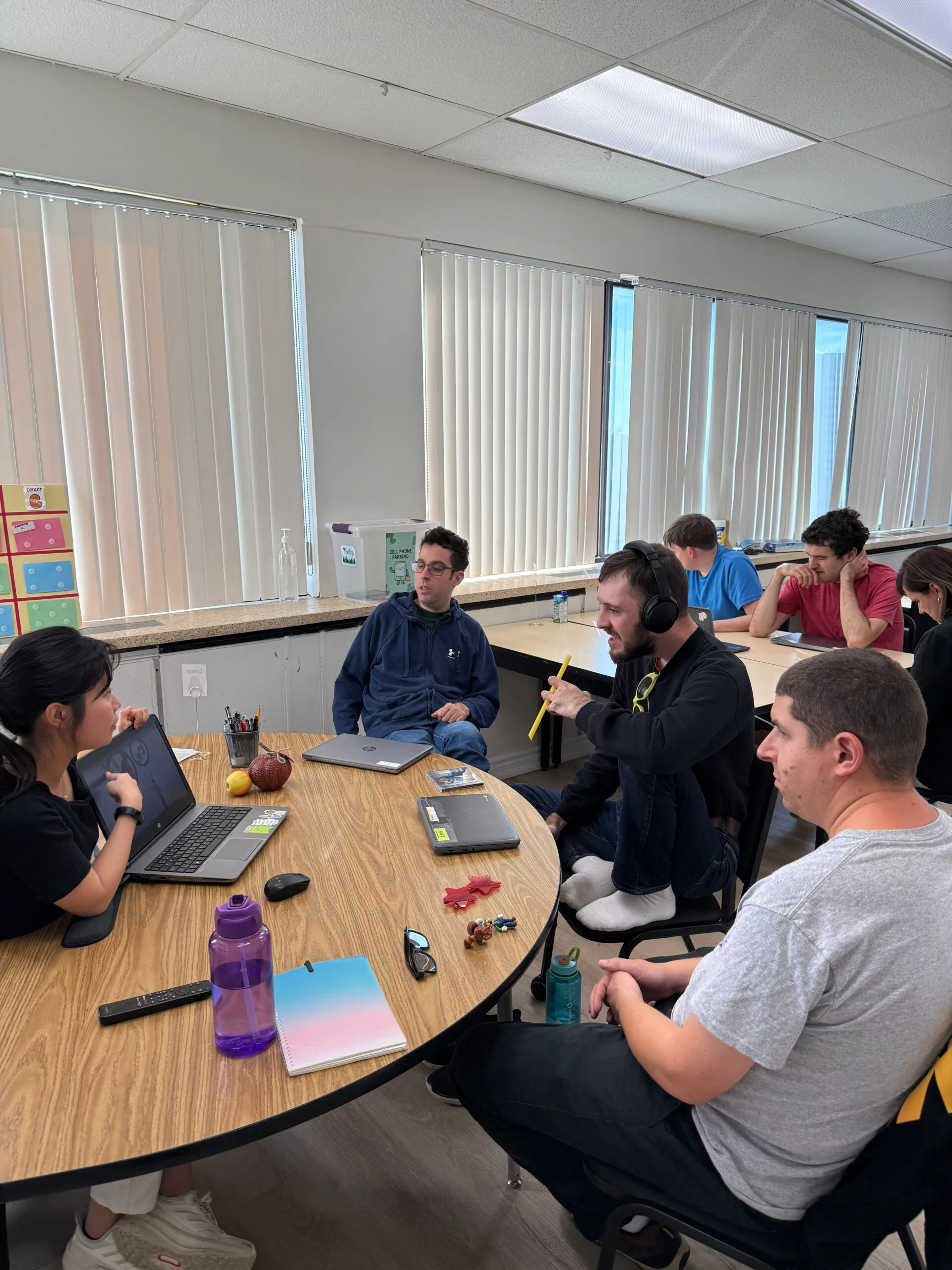
Employers generally look for various qualities in their team, including good communication, workplace behaviour, and an individual's confidence to handle everyday responsibilities in a professional environment.
For many adults with disabilities looking for jobs, structured job training works as an important step before the employment procedure begins.
These job training programs help in gaining confidence through practical experience, routine, and familiarity in unknown environments.
Finding a program for adults with autism and other developmental disabilities usually helps in making workplace expectations feel more practical and easier over time.
How Real Work Experience Builds Confidence
After completing school, the biggest challenge for adults with disabilities is working in a professional environment. While school settings are often predictable, work environments may involve constant changes, different customer interactions, and shared responsibilities along with teamwork.
Structured job training programs often include internal work placements, managing real production responsibilities, and working on different customer orders.
Students with cognitive delays practice preparing products, packaging online store orders, and finishing tasks within a scheduled timeline.
As these practices are different from usual classroom exercises and connect better to real-life experiences, individuals gain more experience. Workplace routines become easier to understand when individuals participate regularly instead of only discussing theoretically.
Why Workplace Behaviour Matters
Communication, professionalism, teamwork, and consistency within the workplace often matter the most for employers while hiring. Programs focused on job training for special needs adults often include these expectations as part of everyday learning.
Students practice responding to feedback, working within team environments, and communicating professionally during guided workplace situations.
In many customer-facing roles, these abilities are as important as completing tasks correctly.
When individuals slowly learn and understand workplace expectations, professional environments start feeling easier and less stressful.
Financial Awareness and Employment
Financial awareness is closely connected to employment, even though it is often overlooked during workplace preparation.
Transportation, budgeting, and daily planning can all affect how confidently someone manages work responsibilities.
Some structured programs teach financial skills through real situations instead of only explaining budgeting concepts. Individuals may use debit cards during community outings, meals, or everyday purchases while learning how spending decisions connect to daily routines and responsibilities.
Every day experiences often make these lessons easier to understand. For individuals with developmental challenges, practical financial learning can improve confidence and support greater independence both inside and outside workplace environments.
Communication Shapes Workplace Confidence
Most workplaces are heavily dependent on communication throughout the day.
Employees interact with customers, support staff, supervisors, and coworkers regularly. Even individuals with strong practical abilities may feel uncertain if workplace communication feels unfamiliar.
Communication is not just taught as a separate program; it is taught as part of regular learning in job training for special needs adults.
Students engage in guided workplace routines to practice conversations, teamwork, work environment etiquette, and social interaction. For an individual with a cognitive delay, a better understanding of these situations can slowly increase confidence in the workplace.
Community Skills Support Employment
Workplace responsibilities are not the only aspects of employment readiness. Many jobs also require that individuals can travel alone, use public transport, and navigate public spaces comfortably.
Learning how to travel confidently within the community can improve both independence and access to employment opportunities.
Being able to commute with confidence can increase independence and access to employment opportunities.
For many adults with disabilities looking for jobs, these everyday abilities can help in exploring more employment opportunities.
Making Employment More Achievable
Technical skills are not the only factors that contribute to long-term employment success.
Over time, workplace stability is influenced by communication, routine, confidence, and the capacity to handle daily tasks.
Structured job training programs can make employment feel more achievable and less intimidating for adults with disabilities looking for jobs.
Practical exposure to work, guided support, and real-life learning experiences help individuals gradually build confidence and participate more comfortably and independently within today’s workforce.