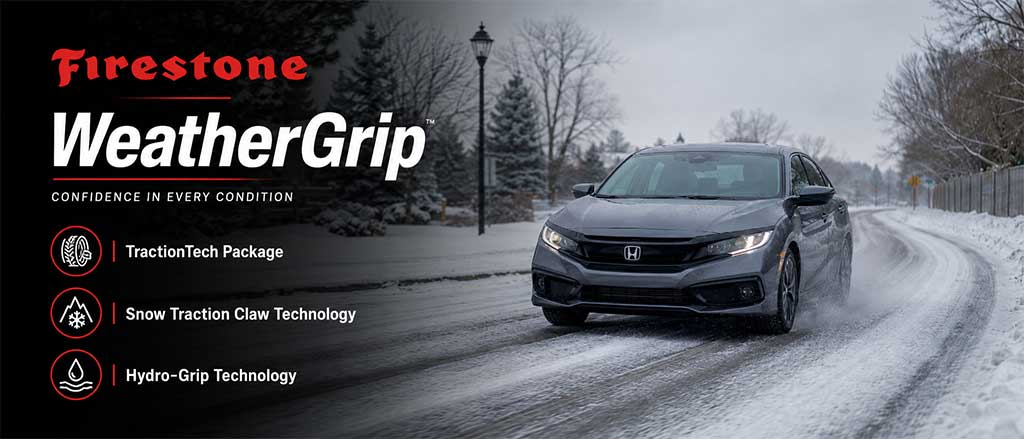
The Firestone WeatherGrip is one of those tires shoppers often notice when they want more year-round confidence without switching to a dedicated winter tire. It is aimed at drivers who deal with rain, cold mornings, occasional snow, and normal everyday driving.
That does not mean it is the right tire for everyone. The better question is where the Firestone WeatherGrip makes the most sense and where another tire might be a better fit.
What Kind of Tire Is the Firestone WeatherGrip?
The Firestone WeatherGrip is an all-weather touring tire. That places it somewhere between a regular all-season tire and a dedicated winter tire.
A standard all-season tire is usually focused on dry roads, wet roads, comfort, and tread life. An all-weather tire adds stronger winter capability, usually with more siping, more biting edges, and a tread pattern designed to stay useful when temperatures drop.
The WeatherGrip is also 3 Peak Mountain Snowflake certified, which tells shoppers it meets a recognized snow traction standard. That is important because many regular all-season tires are not designed to handle snow with the same level of confidence.
Why the WeatherGrip Gets Attention in Wet Weather
Wet traction is one of the biggest reasons drivers look at the Firestone WeatherGrip. Rain can expose a weak tire quickly, especially during braking, lane changes, and highway driving after water starts collecting on the road.
The WeatherGrip uses open shoulder slots and full-depth grooves to help move water away from the tread area. That design matters because a tire needs clean contact with the road to feel stable in wet conditions.
For everyday drivers, that can mean a more confident feel during rain, especially compared with a worn or basic all-season tire. It is not a magic fix for standing water, worn tread, or unsafe speed, but the design clearly focuses on wet-road control.
How It Handles Light Snow
The Firestone WeatherGrip is also built with winter traction in mind. Its 3D full-depth sipes and Snow Traction Claw technology are designed to add more biting edges for snow-covered roads.
This is where the tire becomes more useful for drivers who see occasional winter weather but do not want to run a separate set of winter tires. It can make sense for sedans, crossovers, coupes, and minivans that need better cold-weather grip than a basic touring tire.
Still, it is important to be realistic. The WeatherGrip is not the same as a dedicated winter tire. If you regularly drive through deep snow, icy hills, or severe winter conditions, a true winter tire is still the safer choice.
Comfort Is Part of the Appeal
Some all-weather tires can feel firmer or louder because the tread is more aggressive than a normal touring tire. The Firestone WeatherGrip tries to keep the tire practical for daily driving by balancing weather traction with ride comfort.
That balance is important for shoppers who do not want to give up everyday comfort just to gain better rain and snow capability. For commuting, errands, family driving, and highway use, comfort still matters.
If your driving is mostly dry pavement with only occasional rain or snow, the WeatherGrip may feel like a more weather-ready choice without moving too far away from a normal touring tire feel.
Where the Firestone WeatherGrip Makes the Most Sense
The Firestone WeatherGrip is a strong fit for drivers who want one tire for most seasons. It makes the most sense if you deal with rainy weather, colder temperatures, and some snow, but you still spend most of your time on regular paved roads.
It is especially worth considering if your current tires feel weak in the rain or if you want more confidence heading into winter without managing a second tire set.
This tire is not mainly for sporty handling, aggressive driving, or drivers who only care about the quietest possible ride. Its value comes from its mix of wet grip, winter usefulness, comfort, and year-round convenience.
Who Should Consider Something Else?
You may want something else if you live somewhere with little to no winter weather. In that case, a traditional grand touring all-season tire may give you a quieter, smoother, or more refined ride.
You should also consider dedicated winter tires if you regularly drive through harsh winter conditions. The WeatherGrip gives you stronger winter traction than many regular all-season tires, but serious snow and ice still demand extra caution.
And if treadwear is your top priority above everything else, it is worth comparing the WeatherGrip against other touring tires before making a final decision.
My Take on the Firestone WeatherGrip
The Firestone WeatherGrip is best for drivers who want a tire that feels more prepared for changing weather. It is not trying to be the sportiest tire or the most luxurious touring tire. Its real strength is giving everyday drivers better confidence when the weather becomes less predictable.
For rain, light snow, cold mornings, and normal commuting, it is a practical option. The main thing is to match it to the way you actually drive.
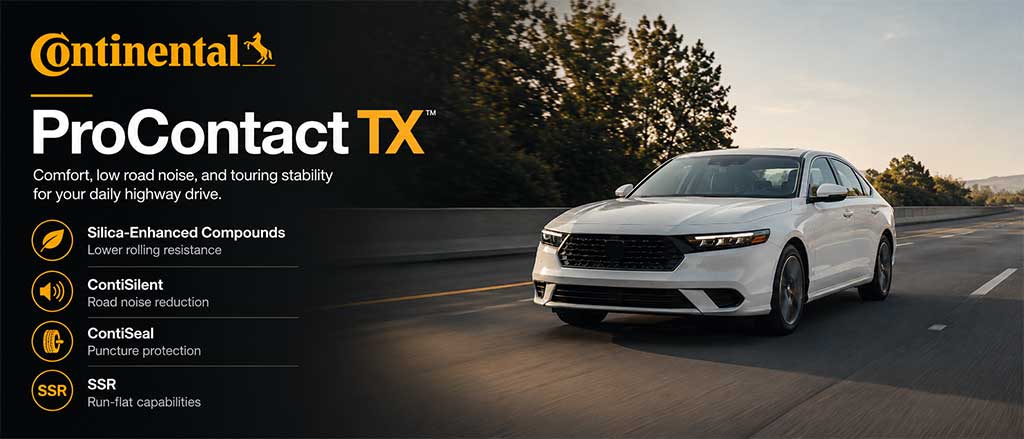
The Continental ProContact TX is the kind of tire many drivers look at when they want a smooth, confident, everyday all-season tire. It is not mainly about aggressive handling, heavy snow, or off-r