



Managing employee time off well is one of the clearest signals of a well-run HR function. When the process works — requests submitted cleanly, approvals returned promptly, balances calculated accurately — it fades into the background. When it breaks, it creates disputes, payroll errors, and eroded trust that can take months to repair.
This guide covers the three pillars of effective leave and PTO management: a clear policy, the right software, and consistent execution.
Building a Clear Leave Policy
No tool can compensate for an ambiguous policy. Before choosing software, define the basics in writing: which leave types are available, how balances accrue, how far in advance requests must be submitted, who approves them, and what happens to unused days at year end. When employees and managers share the same understanding of the rules, the entire process becomes faster and less contentious.
For teams managing PTO specifically, the policy should also clarify whether the company uses a fixed-accrual model (e.g., 1.5 days per month), a frontloaded model (all days granted at the start of the year), or an unlimited PTO policy — each of which has different implications for how software needs to be configured and how fairness is perceived across the team.
Choosing the Right Leave Management Software
A dedicated leave management system does the administrative work that spreadsheets and email cannot do reliably at scale. The core workflow — request, approval, balance update — should happen automatically, without manual intervention from HR. Beyond that, look for a shared team calendar that shows collective availability, automated notifications, and reporting that covers leave usage by type, department, and individual.
Purpose-built tools like actiPLANS handle all of this in a focused interface rather than burying leave management inside a sprawling HR platform. The result is faster adoption and less configuration overhead, both of which matter when you are trying to get a team up and running quickly.
Calculating PTO Accurately
PTO calculation errors are one of the most common sources of employee complaints. Whether the issue is incorrect accrual rates, balances that do not reflect approved leave, or confusion about carryover rules, the downstream effects — disputes, payroll corrections, and damage to trust — are disproportionate to the underlying error.
Using a reliable pto calculator removes the manual math from the equation. Automated calculation tied directly to the leave management workflow ensures that balances update in real time as requests are approved, eliminating the lag and error risk that comes with manual spreadsheet updates.
Consistent Execution Is the Real Challenge
Policy and software solve the structural problem. Consistent execution is what makes the system work day to day. Managers who approve requests promptly, log their own time off correctly, and treat the approval workflow as the primary channel for leave requests set a standard that the rest of the team follows. When managers route around the system — approving requests over chat or email without logging them — the data becomes unreliable and the tool loses its value.
A short onboarding session for both employees and managers, combined with a clear message that the new system is the only channel for leave requests, is usually enough to establish the right habits from the start.


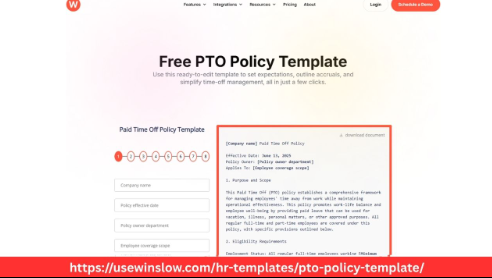


The Sentrient's online leave management software tool allows you and your staff to be on the same page when it comes to their day off requests.
Get a free demo today.