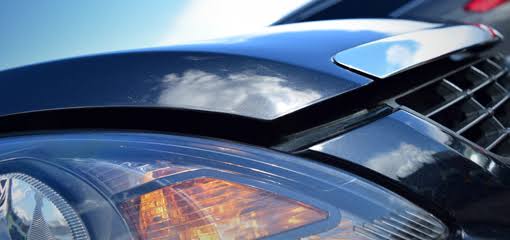
You pop the bonnet to check the oil and it slowly creeps back down toward you. Or you open the boot to load the shopping and find yourself holding the lid with one hand while reaching in with the other. Or the tailgate on your SUV drops faster than it used to and you're not sure if that's normal.
These aren't random quirks. They're all symptoms of the same problem: heavy duty gas struts that are losing pressure and approaching the end of their service life.
Gas struts are one of the most reliable components on a car — which is exactly why most drivers don't think about them until something goes wrong. This guide explains what's actually happening when a strut starts to fail, what the warning signs look like on every part of your vehicle, and when you need to act.
In this article:
• Why your bonnet won't stay open
• What's actually happening inside a failing strut
• Warning signs on your boot lid
• Warning signs on your tailgate or hatch
• Warning signs on your ute canopy
• The signs that mean replace now — no exceptions
• The signs you can monitor for a short while
• A quick self-check you can do in the driveway
• FAQs
Why Your Bonnet Won't Stay Open
The short answer: the gas struts holding your bonnet up have lost pressure.
Every bonnet gas strut contains compressed nitrogen gas sealed inside a cylinder. That gas pushes against a piston, which is what provides the upward force to hold the bonnet open. When the internal seals degrade — through age, heat cycling, UV exposure, or corrosion — the gas slowly leaks past the seal and the holding force drops.
It rarely happens overnight. The first sign is usually a bonnet that holds open fine but feels a little heavier to lift than it used to. Then it starts to drift closed slowly when you release it. Then it won't hold open at all without a prop rod or manual support.
By the time most drivers notice the problem, the struts have been failing for months.
The specific signs on a bonnet:
• Bonnet drifts downward slowly after you release it
• Bonnet only opens to a partial angle instead of full extension
• Bonnet feels noticeably heavier to lift than it used to
• You need to push the bonnet up manually to get it fully open
• The bonnet springs back sluggishly or incompletely when you push it down and release
• You've started using the factory prop rod that should be clipped aside on a properly functioning vehicle
• Visible rust, scoring, or oil staining on the chrome piston rod
• A soft hissing sound when you push the bonnet down
If you're regularly working in the engine bay — checking fluids, replacing filters, topping up the battery — a bonnet that won't stay reliably open is a safety issue, not just an inconvenience. A car bonnet weighs between 8 and 15 kilograms on most passenger vehicles. It drops faster than you expect, and it hits hard.
Replace the struts before you need to rely on a prop rod. Not after.
What's Actually Happening Inside a Failing Strut
Understanding the mechanics helps you catch failure earlier.
A gas strut is a sealed unit: a cylinder filled with compressed nitrogen, a piston, a rod attached to the piston, and a set of seals and O-rings that keep everything contained. The seals are the weak point. They're made from rubber or synthetic compounds that degrade over time — especially in Australia's climate, where high UV, extreme heat, and coastal salt air accelerate the ageing process.
As the seals soften and crack, nitrogen gas bleeds past them slowly. Pressure drops. The strut still functions — just with less and less force. That's why the failure curve looks like this:
1. Strut holds open fine, but lifting force feels slightly reduced
2. Strut holds open but drifts down over several minutes
3. Strut holds open for a few seconds then drops steadily
4. Strut won't hold open at any position
5. Strut provides no assistance at all — dead weight
Most drivers only notice the problem at stage 3 or 4. The warning signs at stages 1 and 2 are subtle but real — and catching them early means you replace struts on your schedule, not in response to an emergency.
A secondary failure mode is piston rod corrosion. The rod extends and retracts through the seal on every open-close cycle. If the rod surface is rough from rust or pitting, it scores the seal from the inside, dramatically accelerating pressure loss. On a corroded rod, a strut that seems to be holding adequately can fail quickly once the seal scoring reaches a critical point.
Warning Signs on Your Boot Lid
Boot lid struts fail the same way bonnet struts do, but drivers tend to catch the signs later — because they naturally use both hands when loading the boot, which masks the fact that one hand is compensating for a lid that isn't holding itself.
Watch for:
• The boot lid doesn't spring up when you release the latch — you have to push it manually
• The lid holds open but drifts down slowly while you're loading
• The lid drops away quickly when you push it closed, rather than descending with controlled resistance
• One side of the lid sits lower than the other when open — indicating the two struts are at different stages of failure
• The lid feels heavier or stiffer to lift than it used to
The last point — one side lower than the other — is worth acting on promptly. It means the struts are failing at different rates, which puts uneven stress on the boot lid hinges and can cause alignment issues over time if left uncorrected.
When replacing boot lid struts, always replace both at the same time. Struts in a matched pair age under identical conditions and fail close together. A new strut paired with a near-failed one creates a force imbalance that's immediately noticeable and puts unnecessary load on the remaining hardware.
Warning Signs on Your Tailgate or Hatch
Tailgates and rear hatches on wagons, SUVs, and hatchbacks are often opened multiple times daily — particularly on vehicles used for family transport or work. High-frequency use accelerates wear, and tailgate struts often show failure signs earlier than bonnets on the same vehicle.
Watch for:
• The tailgate or hatch doesn't stay open hands-free — you're holding it with one hand while reaching into the back
• The panel drops when you release it partway through its travel
• The tailgate descends faster than normal when you push it closed
• You hear squealing, grinding, or a clunking sound during operation
• The panel feels stiff or sticky through part of its travel range
• The tailgate sits at a slight angle when fully open
The squealing and sticking symptoms are worth calling out specifically — they suggest physical damage or binding rather than simple pressure loss. A strut that grinds or catches is putting stress on the mounting points and surrounding bodywork on every cycle. Left unaddressed, that can cause damage beyond just the strut itself.
On SUVs and wagons where the rear glass opens independently from the tailgate, note that these are separate strut systems. The glass struts and the tailgate struts can fail independently of each other. If the glass opens normally but the tailgate doesn't assist, check the tailgate struts specifically.
Warning Signs on Your Ute Canopy
Ute canopies — particularly in trade and outdoor recreation use — are one of the hardest environments for gas struts. Dust, mud, vibration, and repeated heavy use all accelerate wear. Canopy struts often fail faster than any other strut application on the same vehicle.
Watch for:
• Side panels that drop slowly while you're working in the tray
• A rear door you've started propping open manually
• Panels that fly open aggressively rather than lifting smoothly — a sign of incorrect replacement struts or a strut that has been over-specified
• Dirt or grit visible around the piston rod — if the rod is contaminated and still cycling, the internal seal is being abraded on every use
• Visible corrosion on the rod or body, particularly after a wet season or coastal use
For canopy applications in working environments, inspect the piston rod regularly and keep it clean. A dry cloth wipe along the rod before it retracts back into the cylinder removes surface grit that would otherwise be dragged across the seal.
The Signs That Mean Replace Now — No Exceptions
Some signs indicate the strut has already failed to the point where continued use creates real risk. Don't monitor these — act immediately.
Replace without delay if:
• Any panel will not hold open without manual support or a prop rod
• You can see rust, scoring, or pitting on the chrome piston rod
• There is oil staining or a wet patch on the strut body near the rod
• An end fitting is cracked, loose, or has detached from its mounting point
• You hear a hissing sound when operating the panel — indicating active gas loss
• Any bonnet strut is showing any failure sign — given the injury risk of a falling bonnet, there is no safe level of degradation to tolerate
The Signs You Can Monitor for a Short While
These early signs suggest the struts are weakening but haven't failed completely. They won't stay at this stage indefinitely — plan a replacement within your next service interval.
Monitor closely and replace soon if:
• Panels hold open but show slow drift over several minutes
• Lifting assistance feels reduced but the panel still holds at full extension
• The strut returns sluggishly when you push down and release, but does return
• The vehicle is over 8–10 years old and struts have never been replaced, even with no symptoms yet
Proactive replacement on an older vehicle — before symptoms appear — is cheaper than reactive replacement after a panel drops and causes damage or injury.
A Quick Self-Check You Can Do in the Driveway
No tools required. Allow five minutes.
1. Open and release. Open the panel fully and let go. Watch for any downward movement. A healthy strut shows none. Any drift at all is a warning sign.
2. Partial push and release. Push the panel down about 15cm from full open and let go. It should spring back to full extension firmly and consistently. A soft, incomplete, or hesitant return means pressure has dropped.
3. Inspect the rod. Find the chrome piston rod — the section that extends from the cylinder body — and look closely. It should be uniformly smooth and shiny. Any rust, brown discolouration, scoring, or oil residue means the seal is compromised.
4. Check the mountings. Look at both ends of the strut where it attaches to the vehicle. Ball-socket fittings should be secure with no play or cracking. Corroded or loose mounts cause the same symptoms as a failing strut and should be addressed at the same time.
5. Test in the heat. Repeat the check after the car has been sitting in direct sun for an hour. Warmth temporarily boosts gas pressure, masking borderline struts in cool conditions. A strut that seems fine in the morning but sags in afternoon heat is already on its way out.
FAQs
My bonnet has a factory prop rod — does that mean the struts have failed? Not necessarily. Some vehicles are designed with prop rods rather than gas struts from the factory — particularly older models and some commercial vehicles. If your vehicle came with a prop rod as standard equipment, that's by design. If the prop rod is a workaround you've introduced because the struts stopped working, the struts have failed.
Can I top up or recharge a gas strut? No. Consumer automotive gas struts are sealed units. They cannot be recharged or refilled. When pressure is lost, the strut is replaced — not serviced.
How much does it cost to replace bonnet gas struts in Australia? Strut cost varies by vehicle application. The struts themselves typically range from around $30 to $100 per pair for common passenger vehicles, with some European and prestige vehicles sitting higher. Labour is minimal — most bonnet, boot, and tailgate struts can be replaced in under 30 minutes with basic hand tools.
Do I need to replace both struts if only one has failed? Yes. Struts in a matched pair age under the same conditions and fail close together. Replacing only the failed strut creates a force imbalance and means a second replacement job shortly after. The cost of replacing both simultaneously is minimal compared to the inconvenience and cost of two separate jobs.
How do I find the correct replacement strut for my vehicle? You need a strut matched to your vehicle's make, model, year, and the specific opening it's fitted to. The key specifications are the Newton force rating, extended and compressed length, and end fitting type. Schutts Industrial supplies automotive gas struts across Australia and can help confirm the correct specification for your vehicle.
My tailgate drops fast but still holds open — is that a strut problem? Yes. Gas struts control the speed of travel in both directions, not just the holding force. A tailgate that drops away faster than normal when closing has lost its damping function, even if it still holds open. The struts are failing and should be replaced.
Where can I buy replacement gas struts in Australia? Schutts Industrial stocks a range of automotive gas struts for bonnets, boot lids, tailgates, hatches, and canopy applications, with Australia-wide delivery.