


Here's a number most link builders don't want to hear: a significant share of the backlinks you build never get indexed by Google. And an unindexed backlink passes exactly zero value — no authority, no relevance signal, nothing. It's as if it doesn't exist.
If you've been building links for months without ranking movement, indexation is the first thing to check — before you blame the anchors, the platforms, or the algorithm. This article covers why backlinks fail to index, how to check yours, and the practical fixes that work in 2026.
Why Google ignores some linking pages
Google doesn't index every page it discovers. Since indexing capacity tightened around 2022–2023, the bar for what gets stored in the index has kept rising. The most common reasons a linking page never makes it in:
Thin content. A 150-word page that exists only to host a link is precisely what Google's quality systems filter out.
Low-authority host domain. A page on a domain Google rarely crawls can sit undiscovered for months.
No internal links to the page. An orphan page gives crawlers no path to find it.
Duplicate or templated content. If the same article appears on 20 pages with the URL swapped, Google indexes one and discards the rest.
Slow or broken pages. Pages that time out get deprioritized in the crawl queue.
How to check if your backlinks are indexed
Three methods, from quick to thorough:
The site: operator. Search site:exact-url-of-the-linking-page in Google. If nothing comes back, the page isn't indexed.
Google Search Console URL Inspection — only works for sites you own.
Bulk index checkers. For a list of 50+ backlink URLs, a bulk checking tool is the only practical option.
Run the check 10–14 days after a link goes live. Anything still unindexed after 3–4 weeks needs intervention.
Fix 1: Choose platforms Google already crawls constantly
The single biggest indexation lever is where the linking page lives. A page on a high-authority, frequently-updated domain — GitHub Pages, Cloudflare, DEV.to, Netlify — gets discovered and indexed in days because Google crawls those domains continuously. A page on a forgotten Web 2.0 blog might wait months. This is the core reason cloud backlinks on high-authority platforms have become a standard part of link-building stacks: the indexation problem largely solves itself when the host domain is crawled daily.
Fix 2: Use IndexNow for instant discovery
IndexNow is a free, open protocol that pings Bing and Yandex the moment a page is published. It doesn't push Google directly, but faster discovery across the search ecosystem correlates with faster Google pickup.
Fix 3: Make the linking page worth indexing
This is the unglamorous fix that matters most. A genuine 800–1,500 word article with a clear topic, headings, and original phrasing clears the quality bar. A spun 200-word blurb doesn't. The content on the linking page determines whether the link exists at all in Google's eyes.
Fix 4: Build supporting signals to stubborn pages
For valuable links that refuse to index, point a small secondary signal at them: a social share, a mention from an already-indexed page, or a Tier 2 link. This gives crawlers an additional discovery path.
Fix 5: Use a paid indexing service for the stragglers
Paid indexing services submit URLs through Google's own APIs and typically get 60–80% of stubborn URLs indexed within days, at roughly $0.20 per URL. Worth it for high-value links — pointless for junk links that weren't worth building. Some platforms build this in: Forgendo, for example, reports ~78% of links indexed within 7 days, with IndexNow firing automatically at publish and an optional Google force-index that's refunded if a URL stays dark past 7 days.
What indexation rates are realistic
High-authority cloud platforms: 70–90% indexed, in 3–7 days
Real guest posts on active blogs: 80–95%, in 1–14 days
Niche edits on indexed pages: ~100% (page already indexed)
Free Web 2.0 properties: 30–60%, in 2–8 weeks
Forum/profile links: 10–40%, unpredictable
The pattern to internalize: the cheaper and thinner the link source, the worse the indexation rate — which means the real cost per indexed link is often higher for "cheap" links than for quality ones.
The takeaway
Indexation is the silent killer of link-building campaigns. Before judging whether your links work, verify they exist in Google's index — then fix the pipeline: better host platforms, real content on the linking pages, IndexNow at publish, and paid indexing for the high-value stragglers. If you're starting a campaign from scratch, this guide to building backlinks for a new website covers the full strategy that this indexation workflow plugs into.
To rank a website at the top need quality backlinks instead of quantity.
We provide the best service to Build High Authority Do Follow SEO Backlinks Manually.
We are expert and know the best strategy to create backlinks for websites of different categories.
We provide only do-follow backlinks from high authority websites.
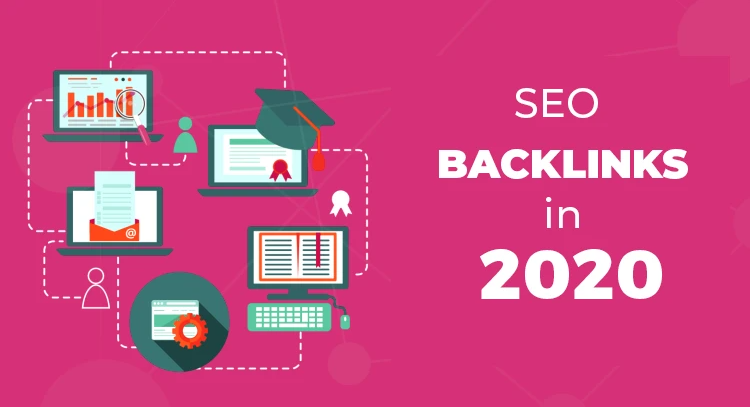
Do follow backlinks on different platforms is a good strategy to get a higher ranking of your blog or website.
In these backlinks sites, you not only add the link and that’s it, but you can also talk to others about your product or service, or about yourself!85+ Top free do follow backlinks sites 2020http://prominenttgames.mystrikingly.com/blog/85-top-free-do-follow-backlinks-sites-2020