Planning a fence and gate project starts with understanding your property’s needs, your budget, and the type of fence that will work best for your home. A well-designed fence can improve privacy, security, curb appeal, and everyday convenience. A properly installed gate can also make your property easier to access while helping control who enters your yard, driveway, or outdoor space.
Before buying fence supplies or contacting a fence contractor, homeowners should consider the purpose of the project, the materials available, the property layout, and any local requirements. Taking time to plan first can help prevent costly mistakes and lead to a better finished result.
What Is the Main Purpose of Your Fence and Gate?
The first step is to decide why you want a fence and gate. Some homeowners want more privacy in the backyard. Others need a safe enclosed area for children or pets. Some want to improve security, define property boundaries, or add a decorative feature to the front of the home.
The purpose of the fence will influence the height, material, design, and gate style. For example, a privacy fence usually needs taller, solid panels. A decorative front yard fence may be shorter and more open. A driveway gate may need strong posts, durable hardware, and a design that allows vehicles to enter and exit easily.
CT Fence and Gate can help homeowners review these goals before choosing materials or starting installation.
Which Fence Material Should You Choose?
Choosing the right material is one of the most important parts of any fence and gate project. Common options include wood, vinyl, aluminum, chain link, and metal fencing. Each material has different benefits.
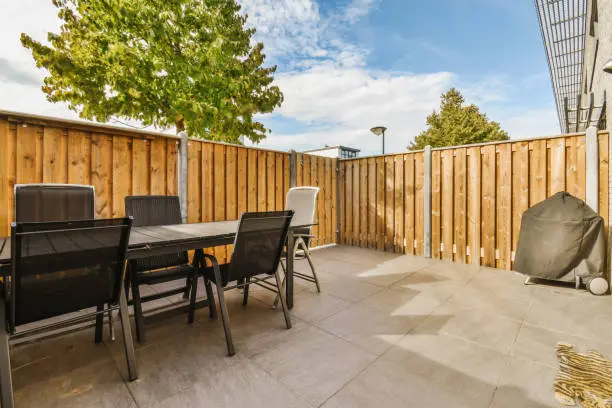
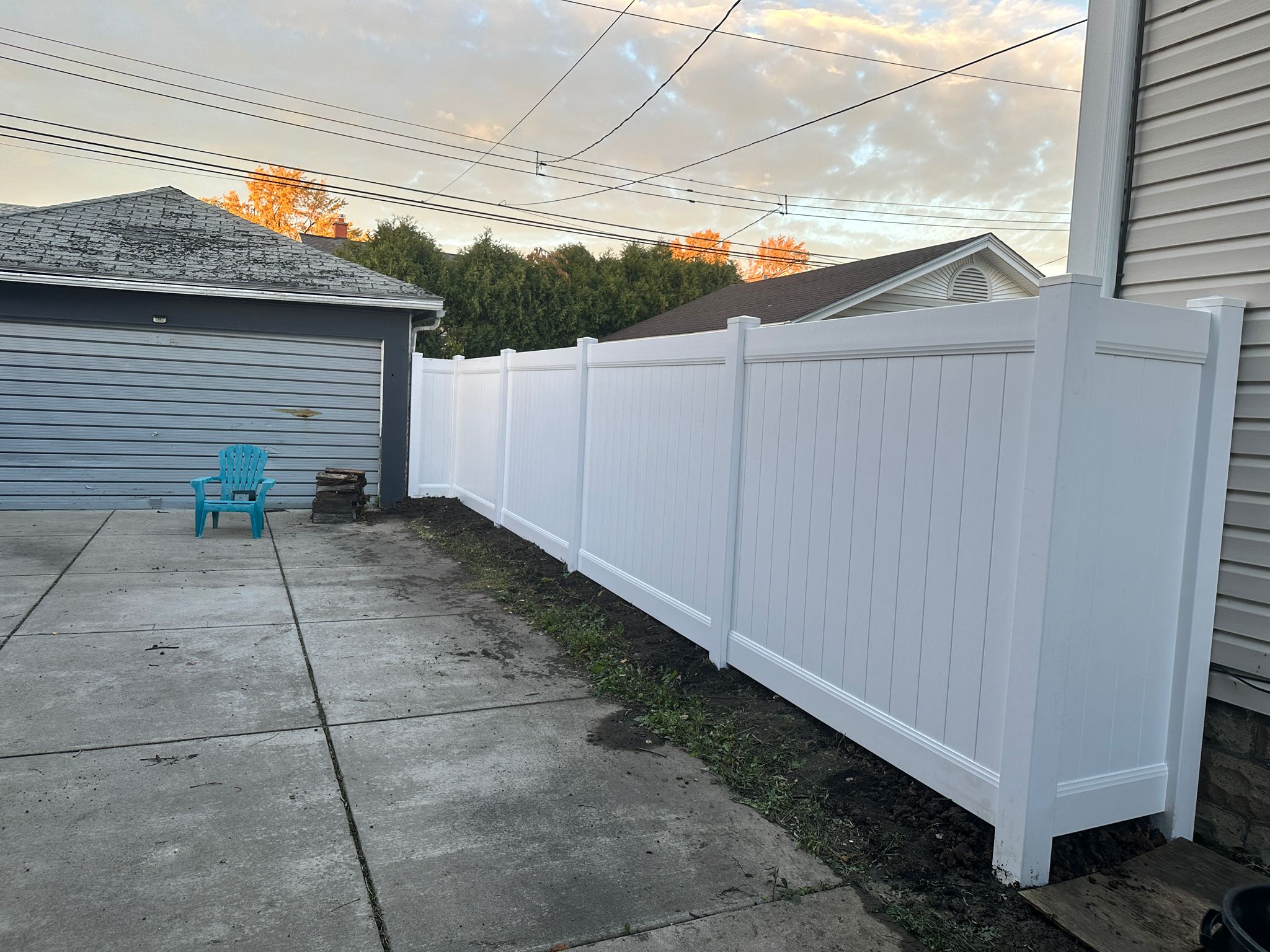
Wood fencing offers a classic and natural look. It can provide excellent privacy, but it may require staining, sealing, or painting over time. Vinyl fencing is popular because it is clean-looking and low-maintenance. Aluminum fencing is often chosen for its strength, style, and resistance to rust. Chain link fencing can be a practical and cost-effective choice for securing a yard, garden, or commercial property.
The best fence supplies depend on your goals, budget, property style, and maintenance preferences. A professional fence contractor can explain which materials are best for privacy, security, pets, pools, slopes, or decorative use.
Do You Know Your Property Lines and Local Rules?
Before installing a fence, it is important to know where your property begins and ends. Installing a fence too close to a neighbor’s land or over the property line can lead to disputes and expensive adjustments. Homeowners may need to review a property survey or speak with local officials before starting the project.
Some towns, neighborhoods, or homeowners associations may also have rules about fence height, materials, color, location, and gate placement. In some areas, permits may be required before installation begins. A reliable fence company can help you understand these details and plan a project that follows local requirements.
How Will the Gate Be Used?
The gate is just as important as the fence. A gate should match the fence design, but it also needs to function properly for everyday use. Homeowners should think about who will use the gate and how often it will be opened.
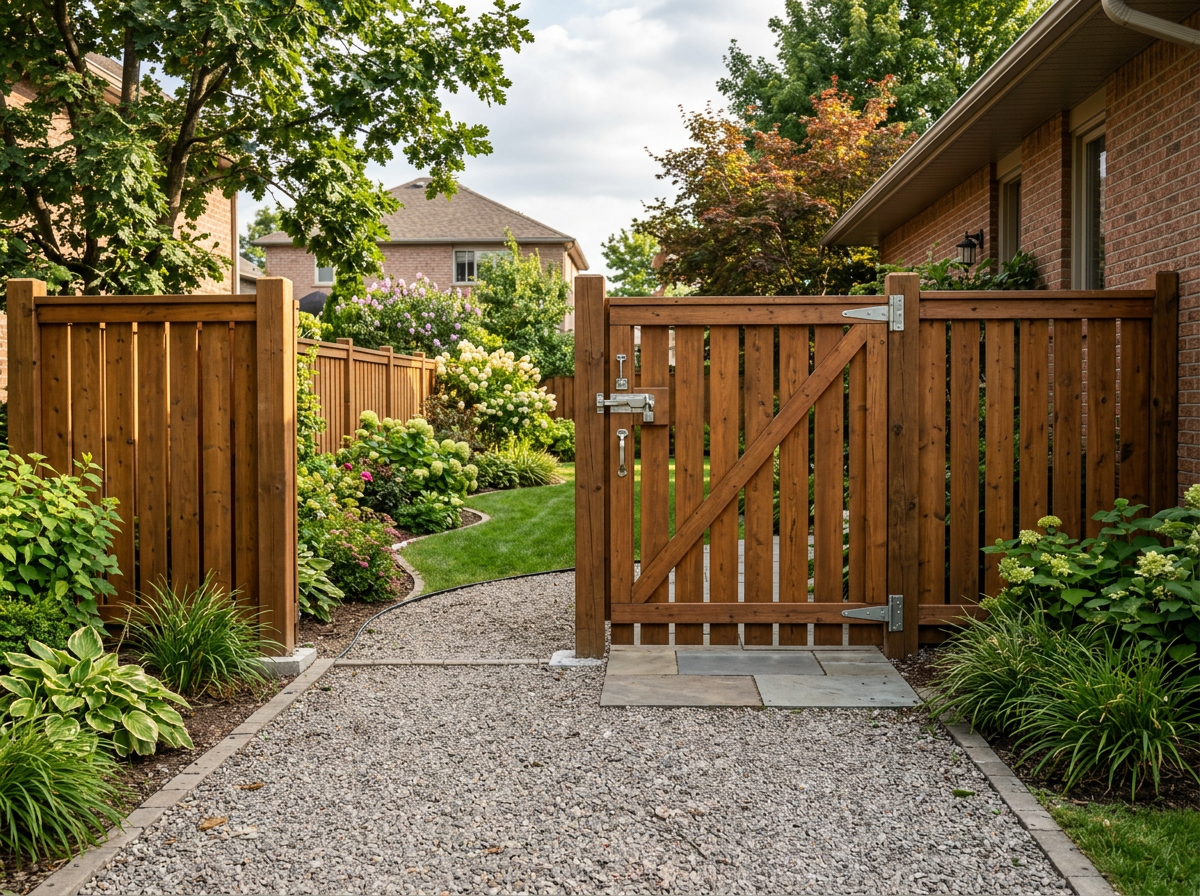
A small walk gate may be enough for a backyard or garden. A wider gate may be needed for lawn equipment, trash bins, or recreational vehicles. A driveway gate may require additional planning for width, swing direction, hinges, latches, locks, and automation options.
CT Fence and Gate can help homeowners choose a gate design that is attractive, secure, and convenient. Proper gate planning can make the entire fence system easier to use and more reliable over time.
What Should You Include in Your Budget?
The cost of a fence and gate project can vary based on several factors. These include material type, fence height, total linear footage, terrain, gate size, hardware, labor, and site preparation. Sloped yards, rocky soil, tree roots, or old fence removal can also affect the final price.
When planning a budget, homeowners should think beyond the initial cost. The cheapest fence supplies may not always offer the best long-term value. A durable fence installed by an experienced fence contractor may last longer, require fewer repairs, and perform better in changing weather conditions.
A trusted fence company can provide guidance on cost, material quality, installation needs, and maintenance expectations.
Why Work With a Professional Fence Company?
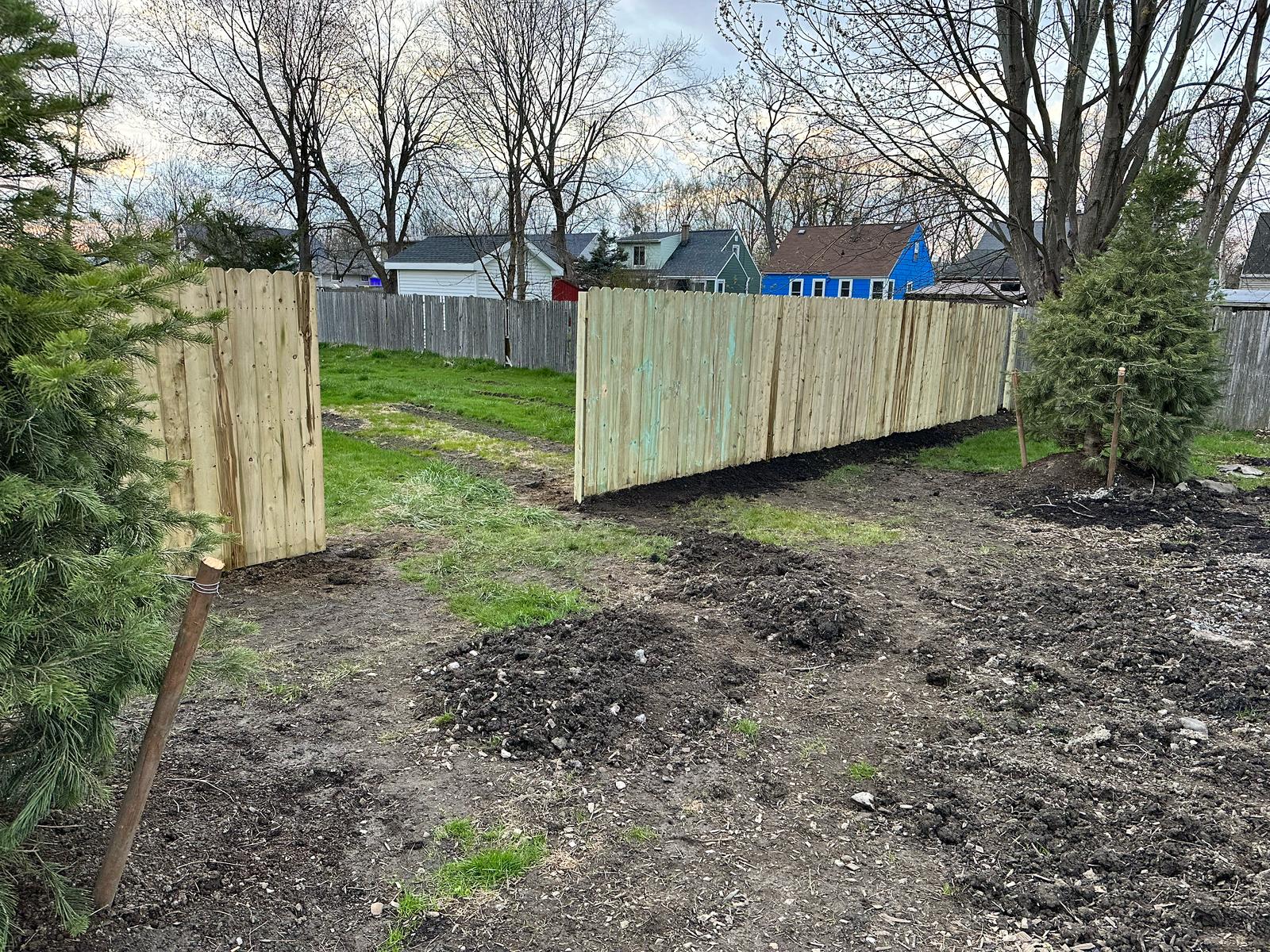
Some homeowners consider fence installation as a do-it-yourself project, but professional installation can make a major difference. A fence needs properly set posts, straight lines, secure gates, and strong hardware. Mistakes in spacing, leveling, or post depth can affect the fence’s appearance and stability.
Working with an experienced fence contractor can help ensure the project is installed correctly from the start. Professionals can also help with material recommendations, layout planning, gate placement, and long-term durability.
CT Fence and Gate provides homeowners with support throughout the planning and installation process. From selecting fence supplies to designing a functional gate, the right team can help create a finished project that adds beauty, privacy, and value to the property.
Final Thoughts
A successful fence and gate project begins with careful planning. Homeowners should consider the purpose of the fence, the best materials, local rules, property lines, gate function, and overall budget. By working with a dependable fence company, you can avoid common problems and create a fence system that fits your home’s needs.
Whether your goal is privacy, security, curb appeal, or better outdoor organization, CT Fence and Gate can help bring your project together with quality materials and professional guidance.