A poorly poured draft beer may seem like a minor inconvenience. However, for bars, restaurants, breweries, hotels, and entertainment venues, recurring draft problems can quietly reduce profits, slow down service, and damage the customer experience.
Excessive foam, flat beer, inconsistent flavor, and slow pours are often treated as isolated issues. In reality, they may indicate deeper problems within the draft system. Understanding these warning signs can help operators reduce waste, improve beverage quality, and protect one of their most valuable revenue streams.
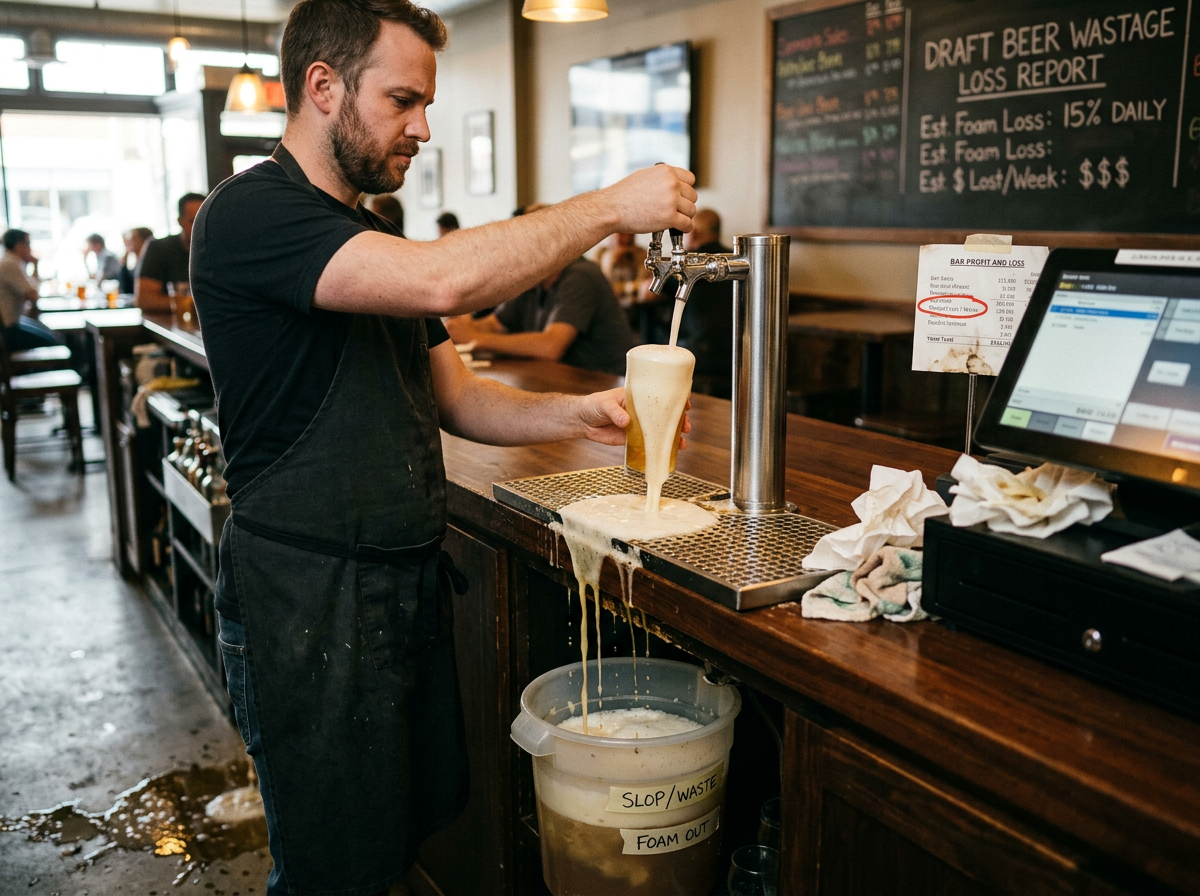
Excessive Foam Means Lost Product
Foam is one of the most common draft beer complaints. A small amount is expected and contributes to the beer’s aroma and presentation. Too much foam, however, forces bartenders to pour out product before serving a full glass.
That wasted beer adds up quickly.
If a bartender loses even a few ounces during every pour, a busy location may waste several kegs’ worth of beer over time. The problem becomes more expensive when it affects premium or specialty products with higher wholesale costs.
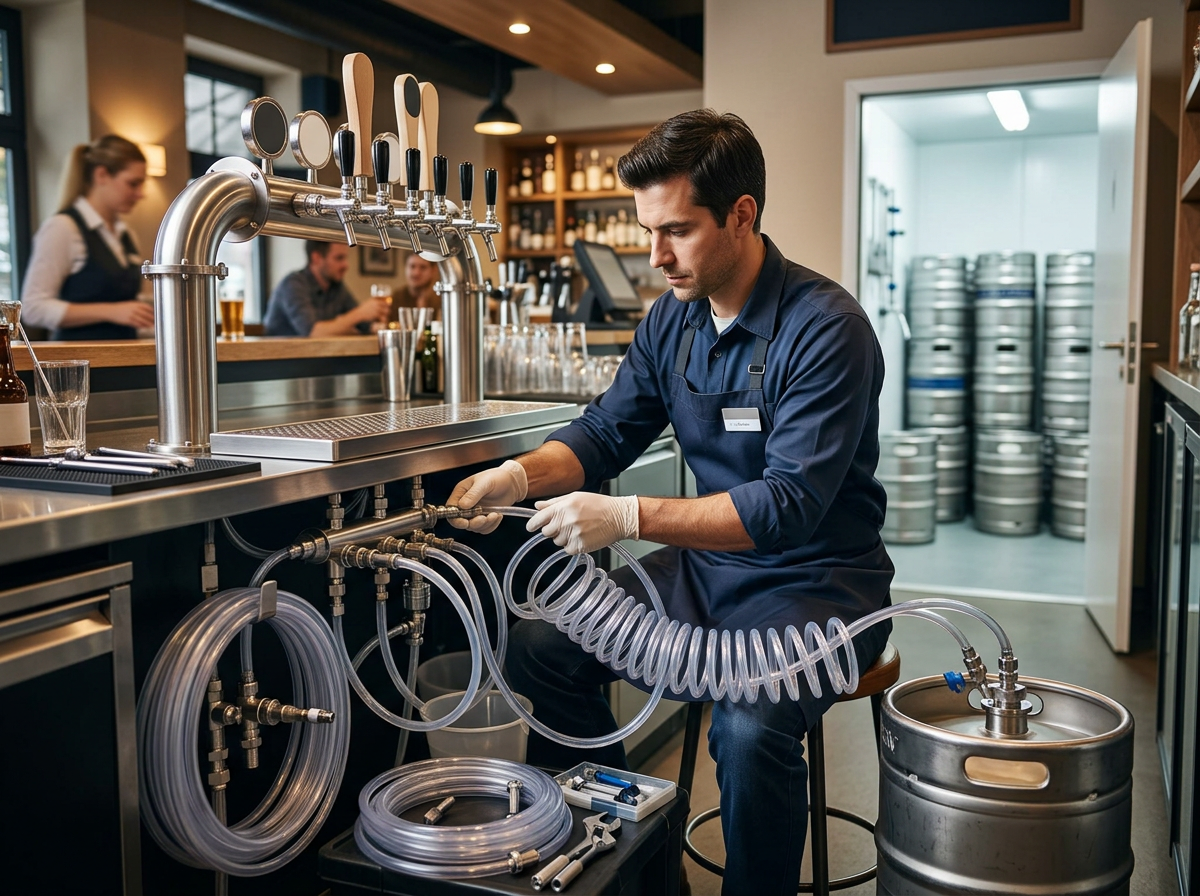
Excessive foam may result from incorrect temperature, improper gas pressure, damaged equipment, dirty lines, or a poorly balanced draft system. Hiring an experienced beer line cleaner can help identify whether residue or buildup is contributing to the problem.
Dirty Lines Can Change the Flavor
Customers expect a draft beer to taste the way the brewer intended. When lines, faucets, couplers, and related components are not properly maintained, residue can accumulate inside the system.
This buildup may affect the beer’s taste, aroma, clarity, and freshness. A customer may assume the beer itself is poor quality, even when the real problem is the equipment delivering it.
That perception matters. Guests who receive an unpleasant drink may order a different product, leave a negative review, or choose another establishment during their next outing.
Beer Line Cleaning USA helps hospitality businesses maintain cleaner and more reliable draft systems. Professional cleaning supports product consistency and helps operators deliver a better experience with every pour.
Slow Pours Reduce Service Efficiency
During busy shifts, seconds matter. A draft system that pours slowly can create delays behind the bar, increase customer wait times, and place additional pressure on employees.
Bartenders may attempt to compensate by adjusting faucets, changing pressure settings, or repeatedly repouring drinks. Without proper training, these quick fixes can create additional problems.
Slow pours may be caused by restricted lines, cooling issues, incorrect pressure, equipment damage, or an improperly designed system. Professional inspection can help determine the actual source instead of relying on guesswork.
For new systems, qualified beer tap installers can design an efficient setup based on the distance between the keg room and the bar, the number of taps, cooling requirements, gas selection, and expected sales volume.
Temperature and Pressure Must Work Together
Draft beer systems depend on a careful balance between temperature and pressure. Beer that is too warm may pour with excessive foam. Pressure that is too low can cause flat beer, while excessive pressure may lead to overcarbonation and difficult pours.
Operators sometimes adjust pressure whenever a pouring issue occurs. However, pressure should not be changed without considering the product’s required carbonation level and the overall system design.
Beer Line Cleaning USA can evaluate the entire system, including gas settings, line condition, cooling performance, faucets, couplers, and keg-room organization. Looking at the complete setup is often more effective than addressing one symptom at a time.
Equipment Problems Can Increase Repair Costs
A draft system contains multiple components that experience regular use. Faucets, regulators, couplers, pumps, cooling equipment, and gas connections may eventually wear out or require adjustment.
Ignoring minor warning signs can allow a small issue to become a more expensive repair. Leaks may waste gas or product. Damaged seals can affect pressure. Cooling problems can increase foaming and place stress on other equipment.
Preventive maintenance helps operators identify these concerns earlier. It also reduces the likelihood of a major system failure during a busy shift, event, or weekend service period.
Staff Training Helps Protect Profit Margins
Even a well-designed draft system can perform poorly when employees are not trained to use it correctly. Staff should understand proper glass positioning, faucet operation, keg-changing procedures, temperature awareness, and basic troubleshooting.
They should also know when to stop making adjustments and call a professional.
Beer Line Cleaning USA provides expertise that can help businesses improve both equipment performance and daily operating practices. When employees understand how the system works, they are more likely to recognize problems before significant waste occurs.
A Better Pour Supports a Better Business
Draft system maintenance is not only about cleanliness. It directly affects product quality, service speed, customer satisfaction, and beverage profitability.
Bars and restaurants should monitor foam levels, pour speed, temperature, flavor consistency, gas usage, and equipment condition. Routine cleaning, professional maintenance, staff training, and properly planned installation can prevent many common problems.
A reliable beer line cleaner can help protect beverage quality, while experienced beer tap installers can ensure that new or upgraded systems are designed for consistent performance.
By treating the draft system as an essential business asset, operators can reduce waste, improve every pour, and deliver the experience customers expect.


Clean draft lines are essential for bars, restaurants, breweries, taprooms, hotels, stadiums, and entertainment venues that serve draft beer. Regular beer line cleaning helps protect flavor, preven