When a summer heat wave rolls in, your primary focus is usually staying cool. You turn up the air conditioning, stock the fridge with cold drinks, and try to avoid spending too much time out under the blazing sun. It's natural to worry about heat stroke or lawn damage during July and August, but few homeowners realize that extreme outdoor heat poses a severe threat to their indoor plumbing and structural integrity.
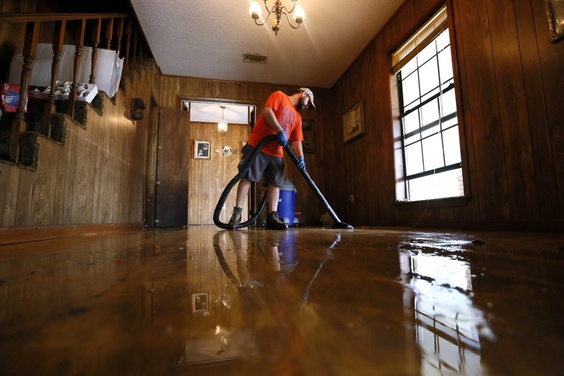
It sounds counterintuitive. We usually associate indoor flooding with freezing winter pipes or driving spring rainstorms. However, prolonged periods of high temperatures place intense stress on your home's infrastructure. If the heat compromises your systems, you could find yourself needing professional water damage restoration to dry out your property and prevent dangerous mold growth. Understanding how the summer sun attacks your home is the first step toward stopping a major leak before it starts. Let's look at the surprising ways heat causes indoor leaks and how you can protect your property this summer.
The Danger of Overworked Air Conditioning Systems
Your air conditioner works tirelessly during a heat wave to keep your living room comfortable. As it cools the indoor air, it also removes an incredible amount of humidity. This moisture condenses into water droplets inside the unit and is supposed to drain safely outside through a small condensate line.
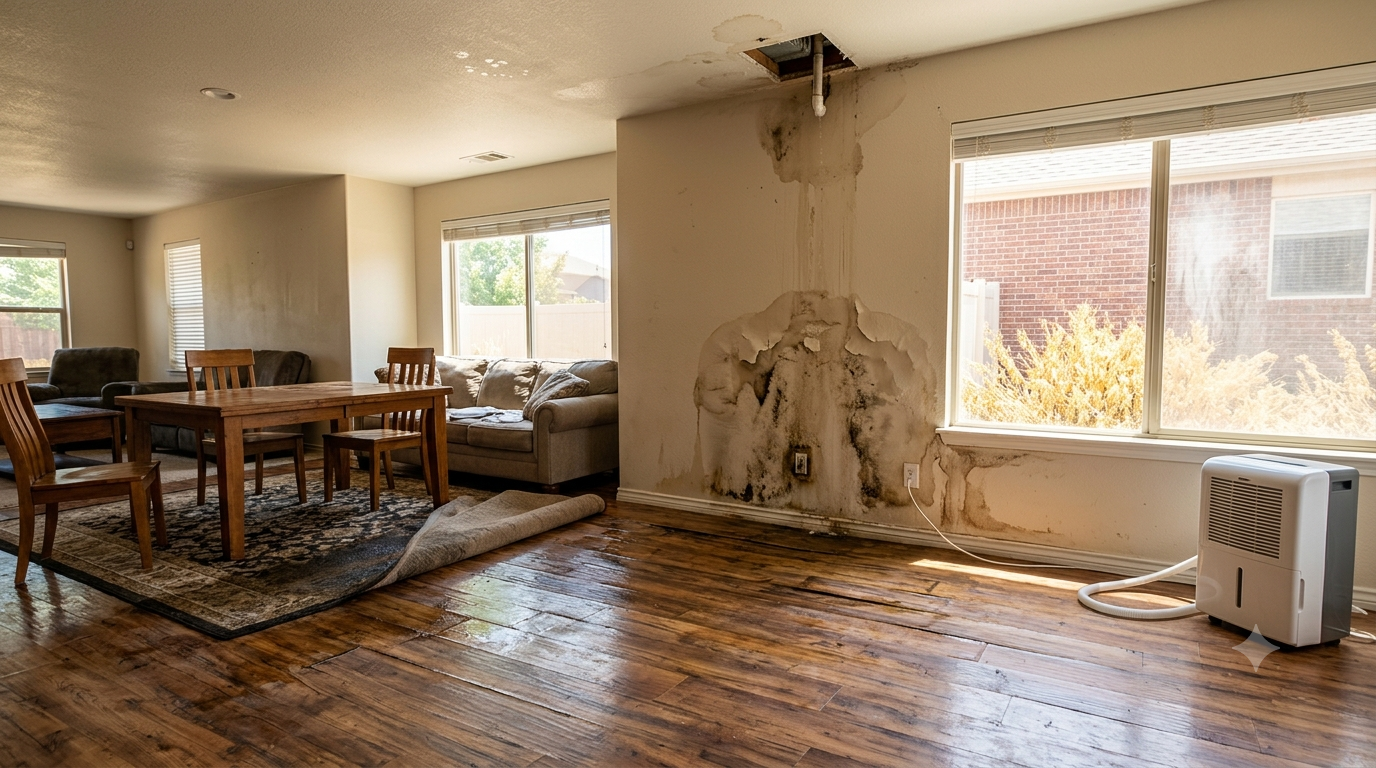
When the system runs continuously for days on end, it produces a constant flow of water. If that drain line is clogged with algae, dust, or mold, the water has nowhere to go. It quickly backs up and overflows the internal drain pan. Because indoor A/C units are typically located in attics, closets, or upper floors, that overflowing water will quickly seep through your ceilings and ruin your drywall. To prevent this, check your condensate line before the peak of summer. You can pour a cup of white vinegar down the drain line every few months to kill off any algae buildup and ensure the water flows freely outside.
Plumbing Pipe Expansion and Shifting Foundations
Extreme heat causes physical materials to expand, and the pipes running through your walls are no exception. Plastic and copper lines naturally swell slightly when exposed to high ambient temperatures. If your pipes are secured tightly against wooden studs without enough room to breathe, this constant expansion creates stress points that eventually lead to pinhole leaks.
Severe summer heat dries out the soil surrounding your home's foundation. As the dirt loses its moisture, it shrinks and shifts, causing your house's foundation to settle unevenly. This structural movement places unexpected tension on the main water lines entering your home. If the ground moves too much, a buried pipe can crack or snap entirely, flooding your crawlspace or basement. While you can't control the soil composition of your neighborhood, keeping the ground around your foundation slightly damp with a simple soaker hose during a drought can prevent the dirt from shrinking too much.
Thermal Expansion in Your Water Heater
Your water heater is a closed system designed to handle high pressures. However, when the surrounding air in a garage or utility closet hits triple digits, the temperature of the cold water entering the tank rises significantly. This baseline increase, combined with the normal heating cycle, causes the water inside the tank to expand more than usual.
This process is known as thermal expansion. If your plumbing system doesn't feature an expansion tank to absorb this extra volume, the internal pressure inside your pipes spikes dangerously. This intense pressure puts immense strain on your faucets, appliance hoses, and pipe joints, making them highly vulnerable to sudden ruptures. Make a habit of checking your water heater's pressure relief valve during the summer. Gently lift the lever to make sure water flows out and shuts off completely. If the valve is constantly dripping, it's a clear sign that your system's under too much pressure.
Attic Humidity and Condensation Buildup
Your roof bears the brunt of the summer sun, with attic temperatures regularly soaring past 130 degrees. If your attic lacks proper ventilation, that trapped heat creates a stagnant environment where moisture thrives. When humid air from the lower levels of your home rises into a baking attic, it hits the cooler underside of your roof deck and condenses into water droplets.
This ongoing condensation mimics a roof leak. The water pools on top of your ceiling insulation, eventually soaking through the plaster and creating unsightly brown stains in your upper-level rooms. It also creates a perfect breeding ground for wood rot and structural mold. Ensuring your attic vents are clear of debris and installing a solar-powered attic fan are fantastic ways to keep the air moving and lower the humidity levels under your roof.
Protecting Your Home This Summer
You shouldn't have to spend your summer break constantly worrying about your plumbing. Taking a few proactive steps before the temperature spikes makes a world of difference. Clean out your A/C drain lines, verify your attic is venting properly, and keep an eye out for sudden drops in water pressure that could signal a hidden pinhole leak. By giving your home's infrastructure a little extra attention during a heat wave, you can keep the moisture where it belongs and enjoy a safe, dry, and comfortable summer.