






Setting the scene: how substituted cathinones evolved from plant alkaloids into modern synthetic markets
The story of 2-CMC sits inside a wider technical and historical arc that begins with cathinone itself: a naturally occurring stimulant alkaloid found in the khat shrub. From a forensic and chemical perspective, cathinone is best understood as a beta-keto analogue of amphetamine. That one structural feature—the ketone at the beta position relative to the amine—has proven to be a fertile template for countless substitutions that modulate potency, duration, volatility, and detectability. Over time, laboratories and illicit manufacturers alike have explored the cathinone scaffold in much the same way earlier eras explored phenethylamines: by altering ring substitution, side-chain length, and nitrogen substitution to tune activity and physical behaviour.
In the late twentieth and early twenty-first centuries, substituted cathinones began to appear with increasing frequency in seized materials, often marketed under misleading labels. Their rise was shaped by a mixture of opportunism and chemistry: when specific compounds became controlled, closely related analogues could be synthesised that preserved desirable psychoactive properties while temporarily evading named-drug schedules. This “cat-and-mouse” dynamic, while often described in policy terms, has a very practical laboratory consequence: analysts must be prepared to encounter structurally similar compounds that can confound presumptive tests and can share fragment ions in mass spectrometry. For 2-CMC, that context matters. It is not an isolated novelty; it is part of a branching family where small structural changes can create major analytical and interpretative challenges.
Within the cathinone lineage, chlorinated ring-substituted cathinones represent one of several recurring motifs. Ring halogenation can influence electron distribution in the aromatic system, shift chromatographic retention, and subtly alter fragmentation pathways. The emergence of chlorinated cathinones also aligns with a broader trend towards “mid-spectrum” stimulants that are accessible to synthesise, stable enough to transport, and sufficiently potent to be handled in small unit formats. This is one reason why pellet and tablet presentations have become common: they simplify unit handling for sellers and users, and they also complicate laboratory work by introducing excipients, dyes, binders, and variability in active content.
From named compounds to shifting analogues: where 2-CMC fits in the cathinone family tree
2-CMC is commonly discussed alongside other substituted cathinones because its core scaffold is familiar and its modifications are typical of the wider class. In plain structural terms, it is a substituted cathinone bearing a methylamino group and a chlorinated aromatic ring. The “2-” designation in 2-CMC is used in common naming to indicate the ring position of substitution, and “CMC” is shorthand that has been used in markets to signal a chloromethylcathinone-type compound. In forensic settings, it is important to treat such shorthand as provisional rather than definitive: market names can be inconsistent across regions, and the same label can be applied to different positional isomers or even different scaffolds.
Analytically, 2-CMC belongs to the set of cathinones that can present as free bases or, more often in seized materials, as salts (frequently hydrochloride). The salt form tends to present as a crystalline powder when not formulated into units, and when formulated it may be pressed with diluents and binders similar to those seen in tablet production. Because cathinones can be thermally sensitive and can undergo degradation under harsh conditions, the exact analytical approach (including injector temperatures, derivatisation decisions, and mobile phase selection) can change the quality of identification.
Historically, the appearance of 2-CMC in casework can be seen as part of a wave in which “second-generation” and “third-generation” cathinones followed earlier, better-known substances. This progression has had an effect on laboratory readiness. Reference standards may lag behind emergence; spectral libraries may not include newer analogues; and isomeric differentiation becomes more important. Consequently, technical histories of compounds like 2-CMC are not only about when they appeared, but also about how quickly analytical infrastructure adapted to identify them reliably.
Core chemical descriptors: names, formulae, and functional groups that define 2-CMC
For practical laboratory communication, 2-CMC should be described with a combination of common naming, systematic naming, and unambiguous identifiers such as a molecular formula and, where available, unique registry identifiers used internally by a laboratory information management system. The common name “2-CMC” is convenient but incomplete on its own, because positional isomerism is a recurring problem for chlorinated ring-substituted cathinones. A systematic name (IUPAC style) provides clarity on substitution pattern, side chain, and amine type, which are the features most likely to differentiate one analogue from another.
At a high level, the defining functional groups of 2-CMC include an aromatic ring bearing a chloro substituent, a ketone (the beta-keto group), and a secondary amine (methylamino). Those three features—the aryl ring, carbonyl, and amine—drive most of the compound’s analytical behaviour. The carbonyl and amine together confer polarity and make salt formation likely; the aromatic ring contributes to ultraviolet absorbance and influences retention on reversed-phase liquid chromatography; and the chloro substituent has a direct impact on isotopic patterning in mass spectrometry because chlorine occurs naturally as two abundant isotopes.
Molecular formula reporting is not merely academic in forensic reporting. The formula provides a check against elemental composition from high-resolution mass spectrometry and aids in distinguishing between closely related analogues that share nominal masses. For example, different halogen substitutions can create characteristic isotopic patterns that are visible even at moderate resolution, and the presence of chlorine often yields a recognisable pair of peaks separated by two mass units with a distinctive relative intensity. That isotopic signature can be a strong indicator, but it should not be treated as definitive identification without supporting chromatographic and spectral evidence.
When writing or reviewing case notes, it is also useful to state explicitly that 2-CMC is a substituted cathinone and to document whether the material is believed to be present as a salt. If a chloride counter-ion is present, it will not be “seen” directly in most organic spectral methods, yet it strongly affects melting behaviour, solubility, and stability. These physical properties can influence sample preparation decisions and the interpretation of unusual chromatographic peak shapes or ion suppression effects in liquid chromatography–mass spectrometry.
Typical physical characteristics of 2-CMC in seized materials: what laboratories actually see
In the real world of seized drug analysis, 2-CMC may arrive not as a neat reference-grade powder but as a mixture. Its appearance can range from off-white crystalline solids to powders with slight discolouration, depending on synthetic route, residual solvents, and storage conditions. In pellet form, the surface may show tooling marks, dye speckling, or a smooth sheen from lubricants and binders used in compression. The odour, while sometimes noted, is an unreliable indicator and can be masked by flavouring agents or adulterants.
Solubility trends are often more useful than appearance for guiding extraction. As a salt, 2-CMC is generally expected to show good solubility in polar solvents such as water and alcohols, while also being extractable into organic solvents under basic conditions if the free base is generated. That acid–base behaviour is central to many classical extraction workflows, though modern laboratories often favour direct dilution approaches compatible with liquid chromatography to reduce handling time and minimise loss. Nevertheless, understanding the underlying chemistry helps troubleshoot difficult matrices, such as high binder content pellets that swell in aqueous solvents or release particulates that foul filters.
Stability is another practical consideration. Beta-keto amines can undergo degradation under heat, strong base, or prolonged exposure to moisture. This does not mean 2-CMC is exceptionally unstable, but it does mean that careless preparation—overheating during evaporation, excessively hot gas chromatography injectors without optimisation, or aggressive pH conditions—can alter the profile. When analysts observe unexpected minor peaks, they must consider whether they reflect synthesis by-products, cutting agents, or degradation artefacts produced during preparation or analysis.
2-CMC pellets: what pelletisation implies for handling, safety, and identification
Pelletisation changes the analytical problem. A pellet is not merely a convenient packaging format; it is a manufactured object that embeds the active compound within a matrix. That matrix may include microcrystalline cellulose, lactose, starches, magnesium stearate, talc, colourants, and sometimes additional active substances. As a result, the analyst is not simply identifying an unknown powder, but rather characterising a composite item in which the active component may be unevenly distributed.
From a handling perspective, pellets can reduce airborne particulate exposure compared with loose powders, but they also create a false sense of uniformity. Two pellets that look identical can have different active contents, and a single pellet may have a concentration gradient if blending was poor. For laboratory safety and evidential integrity, it is best practice to document mass, dimensions, colour, markings, and packaging, then select a sampling strategy that is appropriate for the case context. In some workflows, the pellet is crushed and homogenised before sub-sampling; in others, a portion is shaved or drilled. Each method has implications for representativeness, contamination control, and the ability to retain an intact exhibit for court presentation.
Pellet excipients also influence presumptive testing. Colour tests can be suppressed, altered, or confounded by dyes and binders, and immunoassays may show weak cross-reactivity or none at all. Even instrumental screening can be affected. In gas chromatography–mass spectrometry, non-volatile binders can contaminate liners and columns; in liquid chromatography–mass spectrometry, matrix components can cause ion suppression or enhancement. Therefore, when 2-CMC is suspected in pellet form, laboratories often adopt a pragmatic sample preparation approach: careful massing, controlled solvent extraction, filtration or centrifugation, and the use of internal standards to monitor recovery and instrument performance.
For identification, pellets increase the importance of both qualitative and quantitative work. Qualitatively, the analyst must demonstrate that the active compound is present and that the identification is not an artefact of co-eluting excipients or a mis-assigned library match. Quantitatively, pellets are often described by unit dose, which makes mass fraction and total active content per pellet relevant. That distinction matters: a pellet can weigh several hundred milligrams while containing a smaller amount of active substance. Without careful measurement, the “size” of the pellet can mislead non-technical audiences about potency or legal categorisation.
2-CMC 250 mg: how a labelled unit dose intersects with measurement uncertainty and forensic reporting
The phrase “2-CMC 250 mg” is frequently encountered as a label or a claim, but it has two very different meanings depending on context. In informal settings, it may imply that each pellet contains 250 milligrams of 2-CMC. In a laboratory, however, “250 mg” could also refer to the gross mass of the pellet itself rather than the active content. Those are not interchangeable, and distinguishing them is one of the most important pieces of clarification a forensic report can provide.
When a pellet is described as “250 mg”, the correct forensic approach is to treat that number as unverified until measured. The pellet should be weighed on a calibrated balance, and if the case requires it, the active content should be quantified using a validated method. Even then, results should be reported with appropriate significant figures and an understanding of measurement uncertainty. In routine casework, laboratories may report concentration as milligrams per pellet or as a percentage by mass, depending on jurisdictional expectations. Both can be communicated clearly, but only if the report explicitly states whether the figure refers to the entire pellet mass, the extracted active mass, or an estimated value based on sub-sampling.
The “250 mg” format also has implications for sampling. If exhibits include many pellets, the question becomes whether the analyst can assume uniformity. Uniform appearance does not guarantee uniform content. For robust interpretation, analysts may choose to test multiple units to assess variability, especially when the case hinges on thresholds, trafficking indicators, or harm assessments. A defensible strategy is one that is documented, reproducible, and proportionate to the evidential question. Where resources are limited, a risk-based approach can be taken, but the limitations should be stated plainly.
In addition, a 250 mg pellet can be physically small enough to be mistaken for a legitimate medicine, which raises the risk of misidentification outside the laboratory. That is precisely why authenticated laboratory analysis matters: appearance and packaging are not reliable indicators of composition. In forensic contexts, the pellet format can also conceal mixtures, where 2-CMC is combined with caffeine, other stimulants, or local anaesthetics. Such mixtures can alter toxicity and legal framing, and they can complicate instrumental analysis through overlapping signals and shared fragments.
forensic drug analysis: a structured workflow from exhibit intake to defensible identification
In forensic drug analysis, the objective is not simply to obtain an instrumental signal, but to produce a defensible conclusion under quality standards. For 2-CMC, that typically means combining at least two independent techniques, or a technique that provides both separation and structural information with sufficient specificity. A common workflow begins with careful exhibit documentation, followed by a screening stage and then confirmatory analysis. Screening may involve spectroscopy or rapid chromatography–mass spectrometry methods; confirmation may involve gas chromatography–mass spectrometry, liquid chromatography–mass spectrometry with reference standards, or a combination of techniques.
Sample preparation is where many errors are either introduced or prevented. For pellets, the analyst must decide whether to homogenise the entire unit or to remove a portion. Extraction solvent choice should reflect the laboratory’s method validation and the expected salt form. Filtration and dilution factors should be recorded accurately, because they directly affect quantification. The use of an internal standard can help control for injection variability and matrix effects, particularly in liquid chromatography–mass spectrometry. Where quantification is required, calibration standards and quality control samples should bracket expected concentrations, and acceptance criteria should be followed.
Chain of custody and contamination control are equally important. Cathinones can be present at relatively low concentrations in mixtures, and cross-contamination between exhibits can occur if tools and surfaces are not properly cleaned. In addition, laboratories should be aware of carry-over in autosamplers and chromatographic systems, especially when high-concentration samples are followed by low-concentration ones. Blanks and wash steps are not administrative niceties; they are part of evidential integrity.
Finally, interpretation and reporting require discipline. A library match alone is rarely enough, particularly for classes with many close analogues. Reports should make clear what was tested, what was found, the method limitations, and—where relevant—whether the conclusion is based on comparison to a certified reference material. If the laboratory cannot distinguish between positional isomers under the method used, that limitation should be stated explicitly, because it may matter legally and scientifically.
GC–MS and LC–MS considerations for 2-CMC: separation, fragmentation, and isomer risk
Gas chromatography–mass spectrometry (GC–MS) remains widely used for controlled drug confirmation because it provides robust separation and interpretable fragmentation. For cathinones, however, GC–MS can be challenging if the compound is prone to thermal degradation or if peak shape is compromised by polarity. Injector temperature, liner choice, and column selection can materially affect results. Some laboratories use derivatisation to improve volatility and chromatographic behaviour, though derivatisation adds complexity and must be validated carefully to avoid artefact formation or incomplete reaction.
In the mass spectrometer, cathinones often show characteristic fragmentation related to cleavage adjacent to the carbonyl and nitrogen. For chlorinated analogues like 2-CMC, the presence of chlorine can produce an isotopic pattern that supports the presence of a chloro substituent. That said, isomeric compounds can produce very similar fragment ions. If two positional isomers share the same molecular weight and similar fragmentation, then retention time alignment against a reference standard becomes critical, and even then, co-elution can occur depending on the chromatographic conditions. In such cases, alternative columns, temperature programmes, or complementary techniques may be needed.
Liquid chromatography–mass spectrometry (LC–MS) is often preferred for polar, thermally sensitive, or complex matrices, and it can be particularly effective for pellet extracts where non-volatile excipients would be problematic in GC. With LC–MS, method developers must pay attention to ionisation mode (often positive ion electrospray), mobile phase additives, and matrix effects. Cathinones typically ionise well, but co-eluting excipients can still suppress signal. For identification, laboratories may use tandem mass spectrometry (MS/MS) to obtain product ion spectra, which provide additional structural information beyond a single precursor ion.
High-resolution mass spectrometry can add confidence by providing accurate mass and elemental composition, and by distinguishing some isobaric interferences. However, accurate mass does not solve positional isomerism on its own. A rigorous approach combines accurate mass with chromatographic retention and product ion matching against authenticated standards. Where standards are not available, laboratories may use a weight-of-evidence approach, but this should be presented cautiously, especially if legal consequences depend on naming a specific isomer.
High-level IR and NMR markers: what spectroscopy can and cannot prove for 2-CMC
Infrared (IR) spectroscopy can provide rapid evidence of key functional groups. For cathinones, a prominent carbonyl absorption is typically expected, and aromatic ring features may be visible, along with bands associated with amine salts depending on the form. In practice, IR is most powerful when used as a comparative tool against reference spectra obtained under the same conditions. Pellets complicate IR interpretation because excipients also contribute absorptions, and the resulting spectrum may be a composite. Techniques such as attenuated total reflectance can improve ease of use, but they do not eliminate mixture complexity.
Nuclear magnetic resonance (NMR) spectroscopy provides richer structural information and can, in principle, support strong identification, including positional substitution patterns on aromatic rings. For 2-CMC, proton and carbon NMR can confirm the presence of aromatic protons, the side-chain environment adjacent to the carbonyl, and the methyl group on the nitrogen. That said, NMR is often less accessible in routine high-throughput forensic workflows due to instrument time, sample quantity considerations, and the need for relatively clean extracts. Where NMR is used, it is often in specialised cases, in method development, or in the characterisation of newly emerging substances where mass spectral libraries are incomplete.
Both IR and NMR are best viewed as part of a toolkit. Neither should be treated as a single “magic bullet” in the absence of separation, especially for mixtures. In pellet casework, chromatography is usually needed to isolate the active component from excipients and co-formulants before spectroscopy can provide clear, attributable signals.
Practical identification challenges: positional isomers, mixtures, and the limits of library matching
One of the recurring analytical hazards with compounds labelled as 2-CMC is the possibility of positional isomers. A chloro group on an aromatic ring can occupy different positions, and those isomers can share extremely similar mass spectra. Without an authenticated reference material for the specific isomer, analysts risk over-confident naming. In a strict forensic framework, it is often better to report at the most defensible level supported by the data, then explain what additional testing would be required to discriminate further.
Mixtures are another reality. Pellets may contain more than one stimulant, and cathinones are frequently encountered alongside caffeine or other common additives. Some mixtures are intentional; others result from cross-contamination in manufacturing equipment. From an analytical standpoint, mixtures can produce co-elution, shared fragment ions, and complicated baselines. Skilled method selection and careful review of extracted ion chromatograms and MS/MS transitions can help untangle such profiles, but only if analysts actively look for them rather than assuming a single-component sample.
Library matching, while useful, has limitations. Libraries vary in quality, acquisition conditions, and curation. A high match score does not guarantee a correct identification if the library contains a near neighbour with a similar spectrum. The best practice is to treat library matches as supportive evidence, then confirm with retention time against standards, multiple ions or transitions, and, where possible, orthogonal techniques. This is especially relevant for cathinones because the class contains many close analogues with overlapping fragmentation.
Regulatory context and why authenticated analysis matters for 2-CMC pellets and public safety
The regulatory status of substituted cathinones, including compounds described as 2-CMC, varies by jurisdiction and can change rapidly. Some jurisdictions control substances by explicit naming; others use analogue provisions or class-based controls that capture families of cathinone derivatives. For laboratories, this variability means that accurate chemical identification is not a mere technical preference—it can affect charging decisions, scheduling categories, and court outcomes. It can also influence harm reduction messaging and public health surveillance, where trend data depend on consistent naming and reliable differentiation between similar compounds.
Authenticated analysis matters because pellet formats and market labels are unreliable. A pellet described as “2-CMC 250 mg” may contain a different cathinone, a blend of substances, or a markedly different amount of active ingredient than claimed. Without robust laboratory confirmation, stakeholders may draw incorrect conclusions about risk, potency, or prevalence. In the worst case, such errors can affect medical responses to intoxication, misdirect investigative priorities, or undermine confidence in forensic evidence.
For these reasons, the most defensible approach to 2-CMC in pellet form is a disciplined, standards-led workflow: careful exhibit documentation, validated sample preparation, chromatographic separation, mass spectral confirmation with appropriate qualifiers, and transparent reporting of limitations. Where possible, comparison to certified reference materials and participation in proficiency testing strengthen confidence. In a landscape where cathinone analogues continue to evolve, that commitment to authenticated, reproducible analysis is what turns a laboratory result into reliable evidence.





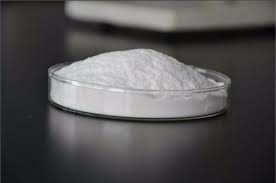
The new Carboxymethylcellulose (CMC) Market report offers a comprehensive study of the current scenario of the market including major market dynamics.
Also, it highlights the in-depth marketing research with the newest trends, drivers, and segments with reference to regional and country.
Further, this report profiles top key players and analyze their market share, strategic development, and other development across the world.The research report also covers the comprehensive profiles of the key players in the market and an in-depth view of the competitive landscape worldwide.
The major players in the carboxymethylcellulose (cmc) market include DowDuPont, DKS, Nippon Paper Industry, Daicel Corporation, Ashland, Lamberti, Akzo Nobel N.V., CP Kelco, Sichem LLC, Penn Carbose Inc. Sinochem Co. Ltd.
This section includes a holistic view of the competitive landscape that includes various strategic developments such as key mergers & acquisitions, future capacities, partnerships, financial overviews, collaborations, new product developments, new product launches, and other developments.Get more information on "Global Carboxymethylcellulose (CMC) Market Research Report" by requesting FREE Sample Copy at https://www.valuemarketresearch.com/contact/carboxymethyl-cellulose-market/download-sampleMarket DynamicsThe growth of the key application sectors of this multifunctional cellulose derivative is the primary stimulant anticipated to push the growth of this market in the coming years.
Robust per capita consumption of paper and increased adoption of paper recycling and reuse will be a market booster.