


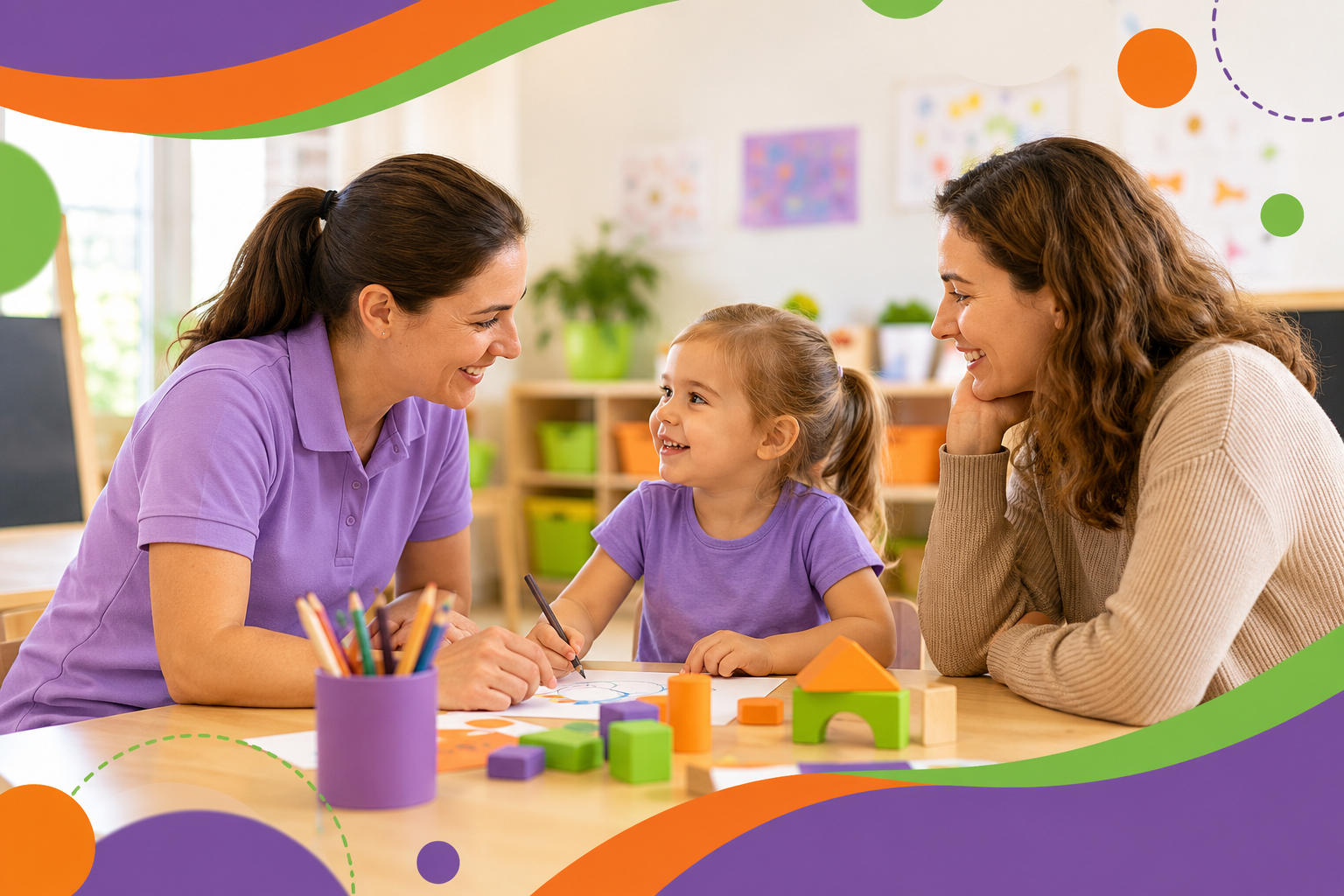
When educators and families work together, children benefit from a stronger sense of belonging, confidence and consistency. Educators and families can support children together by sharing information, listening to each other and creating similar approaches between home and early learning settings.
A child spends important parts of their day in different environments. They may learn through play at an early learning centre, then continue learning through family conversations, routines and everyday experiences at home. When the adults around them communicate openly, children receive support that feels connected rather than confusing.
Why Educator-Family Partnerships Matter
Early childhood is a time of rapid learning and development. Children are building communication skills, social awareness, independence and confidence through everyday experiences.
Educators see children in a group setting, where they interact with other children, take part in activities and respond to different routines. Families, on the other hand, know their child's personality, interests, habits and experiences outside the centre.
Both perspectives are valuable.
For example, an educator might notice that a child enjoys building with blocks and often creates tall structures during play. A parent may mention that the child has recently become interested in houses and construction vehicles. Sharing this information can give educators useful ideas for future activities.
This simple exchange can help create learning experiences that feel meaningful to the child.
Building Open Communication Between Families and Educators
Good communication does not have to involve long meetings or complicated systems. Small conversations can make a real difference.
Families can share information about:
• Changes in a child's routine
• New interests or favourite activities
• Important family events
• Behaviour changes
• New words or skills the child is using
• Things the child has been talking about at home
Educators can share observations about the child's day, including what they enjoyed, how they interacted with others and where they may need extra support.
Regular communication also helps families feel connected to their child's early learning experience.
Ask Questions and Share Observations
Families do not need to wait for a formal meeting to ask questions. A quick conversation at drop-off or pick-up can sometimes provide useful insight.
Instead of simply asking, "How was their day?", families could ask:
"What did they enjoy today?"
"Who did they play with?"
"Was there anything they found difficult?"
"What new skill did you notice?"
These questions can lead to more useful conversations about children's learning and development.
Creating Consistency Between Home and Early Learning
Children often feel more comfortable when expectations are similar across different parts of their lives.
This does not mean that home and an early learning centre need to have exactly the same routines. Every family is different. However, discussing important routines can help adults respond to children in a similar and supportive way.
For instance, if a child is learning to put their belongings away independently at their early learning centre, families can offer opportunities to practise the same skill at home.
A child may be encouraged to:
• Put shoes in the same place
• Pack away toys after play
• Help set the table
• Choose between two suitable clothing options
• Carry their own small bag
• Help with simple household tasks
These everyday moments can build independence without making learning feel like a formal lesson.
Supporting Children's Emotional Development Together
Children need support as they learn to recognise and manage their feelings.
An educator may notice that a child becomes upset when another child takes a toy. At home, the family may notice similar reactions when a sibling wants to use the same toy.
When educators and families share these observations, they can discuss helpful responses.
Adults might use simple phrases such as:
"You're upset because you wanted the toy."
"Let's take a breath and think about what we can do."
"Would you like to ask for a turn?"
Using calm and familiar language can help children understand their feelings and practise ways to respond.
Give Children Time to Express Themselves
Children do not always have the words to explain what they are feeling.
Rather than rushing to solve every problem, adults can give children time to speak, point, draw or use other ways to communicate.
A child who is struggling to explain something may need a little patience and encouragement.
Both educators and families can support this by listening carefully and giving children opportunities to express their thoughts.
Connecting Learning at Home With Learning at the Centre
Learning does not stop when a child leaves an early learning centre. Everyday family activities can provide valuable learning opportunities.
Cooking together can introduce children to counting, measuring and following steps.
Shopping can involve recognising colours, comparing sizes and talking about numbers.
Gardening can encourage conversations about plants, weather and nature.
Reading together can support language development, imagination and early literacy skills.
Families can also tell educators about these experiences. If a child becomes interested in growing vegetables at home, for example, educators may introduce gardening activities or nature-based play at the centre.
This creates a connection between the child's home life and early learning experience.
Respecting Each Child's Individual Needs
Every child develops at their own pace. Some children may confidently join group activities, while others may prefer to watch before taking part.
Some children may love talking with adults, while others communicate more comfortably through play, drawing or movement.
Educators and families can work together by sharing what they know about the child's strengths and needs.
This information can help adults understand what makes the child feel comfortable and what types of activities capture their attention.
Focus on Progress, Not Comparison
It can be tempting to compare children with siblings, friends or other children in the same age group. However, children's development does not follow one identical path.
A child may be confident with language but still be learning to manage social situations. Another child may have strong physical skills but need more time to express ideas verbally.
Families and educators can focus on the child's individual progress and celebrate small steps along the way.
Practical Ways Families Can Get Involved
Family involvement in early learning can take many forms. It does not always require attending every event or spending a large amount of time at the centre.
Simple actions can include:
Share Family Traditions
Families can tell educators about songs, stories, celebrations, languages or traditions that are meaningful to their household. These details can help children see their family experiences reflected in their learning environment.
Read Together
Reading a book before bed or during a quiet afternoon can become a valuable shared routine. Ask the child what they think might happen next, talk about the pictures and encourage them to describe their favourite part.
Talk About the Day
A few simple questions can help children reflect on their experiences.
"What made you smile today?"
"What did you build?"
"Who did you play with?"
"What would you like to do tomorrow?"
These conversations can support language and help parents understand what matters to their child.
Take Part When Possible
Families may be able to join special activities, celebrations, excursions or centre events. Even occasional participation can help children see that their family and educators are part of the same supportive community.
How Educators Can Strengthen Family Relationships
Educators also have an important role in creating welcoming relationships with families.
This can include greeting families warmly, sharing meaningful observations and listening without judgement.
Families should feel comfortable raising questions or discussing concerns. Educators can respond with patience and focus on finding practical ways to support the child.
It is also helpful to recognise that families have different schedules, cultures, experiences and communication preferences. A flexible approach can make it easier for more families to take part in their child's early learning journey.
Working Together When Challenges Arise
There may be times when educators and families have different views about a child's behaviour, routine or learning needs.
These conversations can feel difficult, but they can also be useful.
The most helpful approach is to focus on the child rather than blame. Share observations, ask questions and listen to the other person's perspective.
For example, instead of saying, "They never listen", an educator might explain what they have observed during a particular activity.
Likewise, a family can describe what happens at home and what strategies have worked for their child.
Together, they can look for patterns and practical ways forward.
The Long-Term Benefits of Working Together
Strong educator-family relationships can give children a greater sense of security and belonging.
When children see adults communicating positively about their learning, they can feel that the important people in their lives are working as a team.
This partnership can support:
• Confidence and independence
• Communication skills
• Social development
• Emotional wellbeing
• Positive learning habits
• Stronger relationships
• A sense of belonging
The benefits also extend beyond the child. Families gain a clearer understanding of early childhood learning, while educators gain valuable knowledge about the children they teach.
Conclusion
Children benefit when the adults around them share knowledge, communicate openly and work towards common goals. Educators and families can support children together through everyday conversations, shared routines, family involvement and a genuine interest in each child's development.
The most meaningful support does not have to be complicated. A conversation at pick-up, a story before bed, a shared activity or a quick message about a child's new interest can all help connect home and early learning.
When families and educators listen to one another and keep the child's needs at the centre of their conversations, children have a stronger foundation for learning, relationships and confidence.
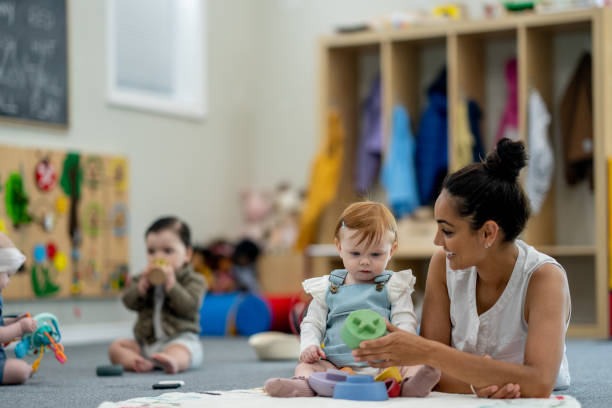
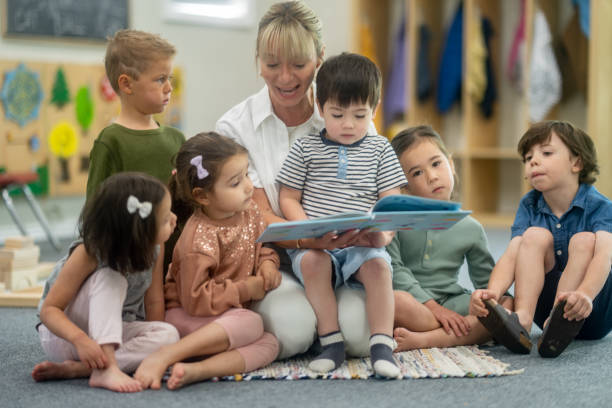
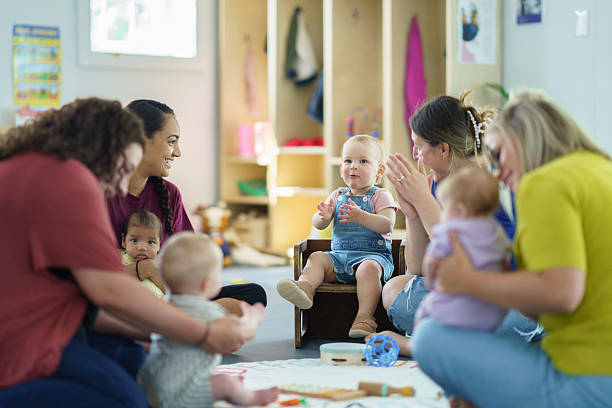


It’s agonizing to see your kids battling with self-worth/confidence issues.
They may avoid difficulties or need mental fortitude, and you might be worried about how they’re developing.
Guardians frequently disclose to us, they stress over how their kids’ absence of certainty will influence their future.
Read more - https://rvdtutor.com/blog/2020/07/22/how-can-you-raise-more-confident-children/How Can You Raise More Confident Children?