A beautiful rug can make a room feel finished, but the wrong rug can have exactly the opposite effect. A rug that's too small may make furniture look disconnected, while the wrong pile height or material can create everyday problems with chairs, doors, foot traffic and cleaning.
The key is recognizing that every room asks something different from a rug.
Living rooms need enough scale to anchor furniture. Dining rooms require easy chair movement. Bedrooms benefit from softness underfoot, while hallways and stairs demand durability and secure placement.
Mert Yilmaz, Founder of Rug N Carpet, an online retailer specializing in handmade rugs, kilims and vintage carpets sourced from skilled artisans around the world, says proportion should be one of the first considerations.
“A rug should feel connected to the furniture and architecture around it. When the proportions are right, it anchors the room naturally. When it's too small, even a beautiful handmade rug can feel disconnected from the rest of the space.”
Here are practical rug rules to follow throughout the home.
Living Room
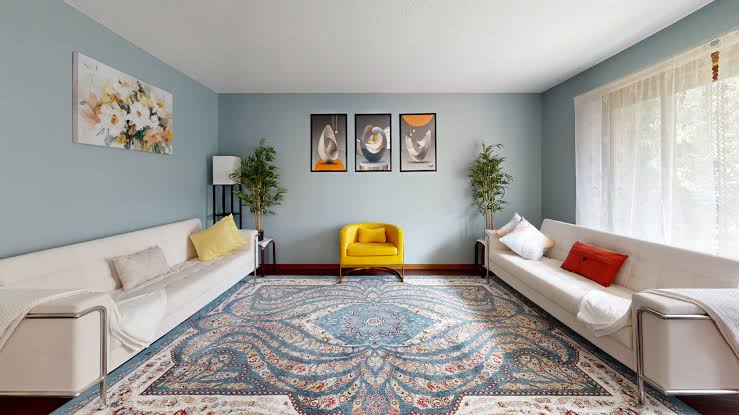
In the living room, bigger is usually better.
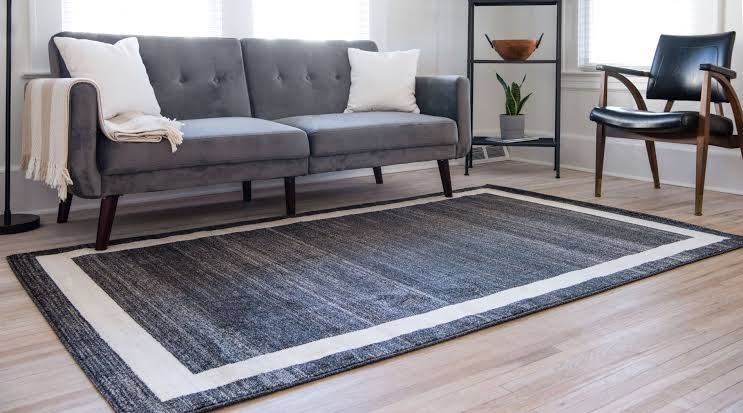
The rug's job is to visually connect the seating arrangement rather than sit like a small island underneath the coffee table. Ideally, choose a rug large enough for the major pieces of furniture to interact with it.
In a spacious living room, all four legs of sofas and chairs may sit on the rug. In smaller rooms, placing at least the front legs of the primary seating on the rug can create a cohesive look without requiring an oversized piece.
Before shopping, measure the entire seating arrangement rather than estimating based on the room's total dimensions.
As Yilmaz explains:
“One of the most common mistakes is choosing a rug based on how it looks by itself rather than how it relates to the furniture. In a living room, the rug should bring the seating together and establish a clear visual foundation.”
For handmade or vintage rugs, consider the pattern as part of the furniture arrangement as well. A detailed central motif, for example, shouldn't disappear entirely underneath a large coffee table.
Dining Room
Dining-room rugs need to balance appearance with practicality.
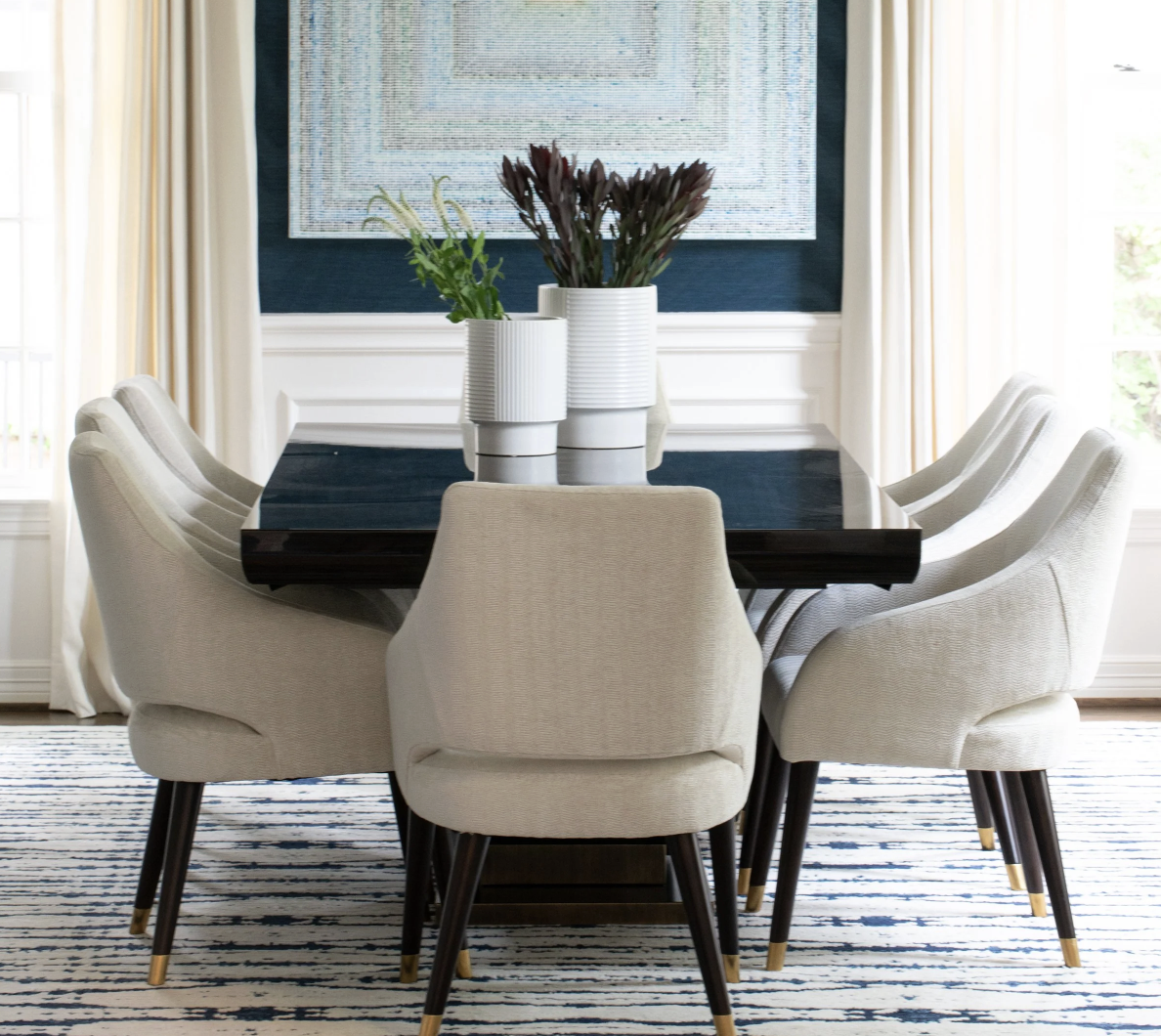
The most important rule is allowing enough space for chairs to remain on the rug when they're pulled away from the table. If the rug ends immediately behind the chairs, the chair legs may repeatedly catch on its edge.
Measure your dining table and then account for additional space around every side before selecting a rug.
Pile height matters too.
Low-pile rugs and flatweaves generally make it easier to move dining chairs. They're also less likely to interfere with chair legs than thick, plush rugs.
This is one area where kilims and other flatter constructions can work particularly well. They provide color and pattern without creating an overly thick surface beneath the dining set.
The rug can also unify the room's palette. Look for colors that connect the dining furniture, walls and surrounding decorative elements rather than trying to match everything precisely.
Bedroom
Don't undersize the bedroom rug.
A small rug floating at the end of a large bed can make the entire arrangement feel out of proportion. Instead, the rug should visually anchor the bed while providing a comfortable surface where your feet naturally land.
One approach is placing a large rug underneath the bed so it extends substantially beyond both sides and the foot. Another option is using runners alongside the bed when a large rug isn't practical.
Bedrooms also give you greater freedom with texture.
Unlike dining areas and hallways, where thick pile may interfere with movement, bedrooms generally have less foot traffic. This makes them suitable for softer, more luxurious textures.
“Bedrooms are a good place to prioritize how a rug actually feels,” Yilmaz says. “You want enough rug extending beyond the bed that you're stepping onto something comfortable rather than immediately onto a cold hard floor.”
Consider the bed size, nightstands and overall room dimensions before deciding on rug proportions.
Bathroom
Bathroom rugs have one essential requirement: safety around moisture.
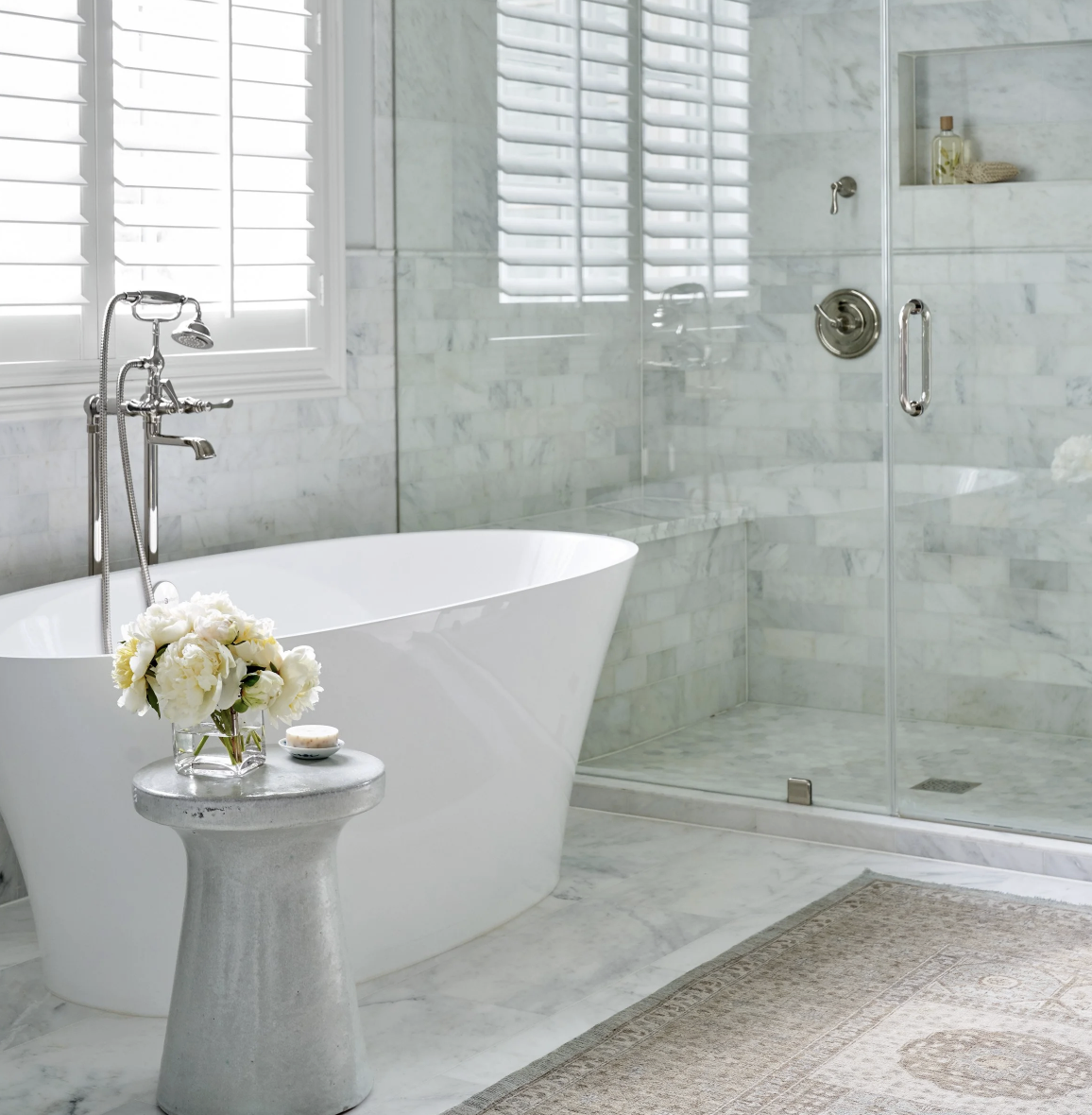
A rug can add significantly more personality than a basic bath mat, but it needs to be appropriate for the environment.
Choose something that can handle the bathroom's conditions and make sure it doesn't slide across hard flooring. A suitable nonslip rug pad or backing can help provide additional stability.
Placement matters as well. Position the rug where people naturally step after leaving the shower or bathtub without obstructing doors or creating a tripping hazard.
And remember that bathrooms are exposed to considerably more moisture than bedrooms or living rooms. Delicate handmade and vintage rugs may not be appropriate for areas where they'll routinely become wet.
A beautiful rug is only a good choice when the material suits the environment.
Hallway
A long hallway practically invites a runner.
Runners introduce color, pattern and warmth into transitional areas that often receive little decorating attention. They can also soften footsteps across hardwood, tile or stone.
Because hallways receive substantial foot traffic, durability should be a priority.
Low-pile rugs and flatweaves generally make practical choices because they're easier to walk over and less likely to become a tripping obstacle. Make sure doors can open freely over the rug where applicable.
Length and placement should look intentional, too.
Rather than filling every inch of flooring, allow some visible floor around the runner so it feels framed by the hallway.
Vintage runners can be particularly effective here because their patterns and variations can turn an otherwise simple passage into a distinctive design feature.
Stairs
Stair runners combine design with an important practical consideration: secure footing.
A runner can soften the appearance of a staircase, reduce noise and introduce pattern into an area that's often treated purely as architectural circulation space.
However, installation is critical.
Unlike an area rug that can simply be positioned over a rug pad, stair runners need to remain securely attached. Loose material on stairs can create a serious tripping hazard.
Professional installation is therefore worth considering, particularly with valuable handmade or vintage runners.
Pattern should also be considered carefully. Stripes can emphasize the direction of the staircase, while repeating motifs can turn the stairs into a decorative focal point.
Durability is especially important because the center portion of each stair receives concentrated wear.
Outdoors
Rugs aren't limited to interiors.
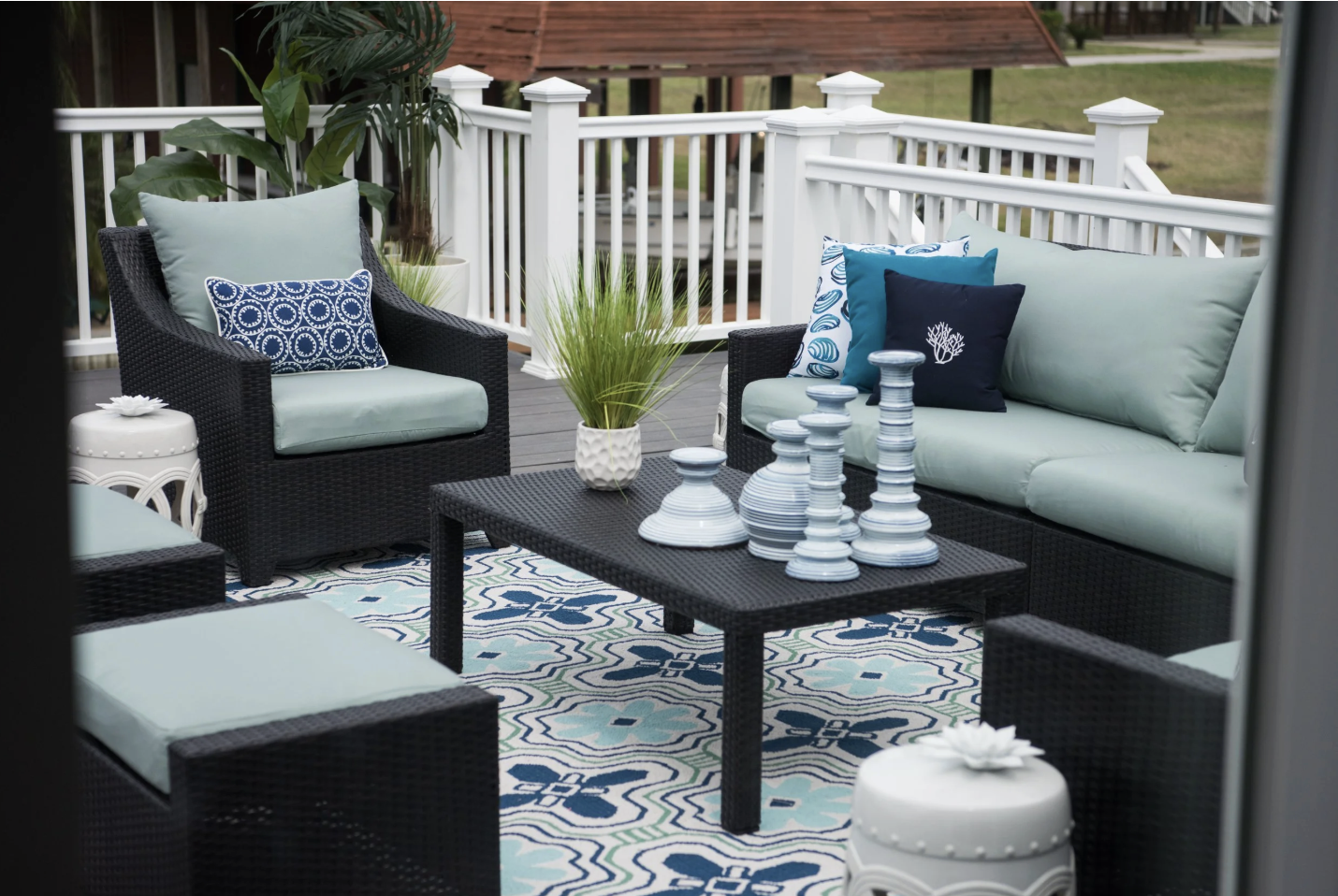
A well-chosen outdoor rug can make a patio, covered porch or outdoor dining area feel much more like an intentional living space.
Apply many of the same sizing principles you would indoors.
For an outdoor dining arrangement, choose a rug large enough to accommodate chairs when they're pulled away from the table. For an outdoor seating area, use the rug to connect sofas and chairs into a defined conversation zone.
Material, however, becomes even more important outdoors.
Outdoor rugs need to cope with conditions such as moisture, sunlight and dirt, so don't assume that an indoor handmade rug can simply be moved onto an exposed patio.
Choose a rug specifically suited to the environment and consider how easily it can be cleaned and dried.
The Most Important Rug Rule: Consider the Room First
There isn't one perfect rug size, pile or material for every space.
The right decision starts with how the room functions.
Living rooms need rugs large enough to anchor seating. Dining rooms benefit from lower piles and generous clearance around chairs. Bedrooms provide opportunities for softness, while hallways and stairs demand durability and careful placement.
And although color and pattern matter, they shouldn't be the only considerations.
As Yilmaz puts it:
“A great rug has to do more than look beautiful. Size, construction and placement should make sense for the way people actually use the room. When those elements work together, the rug becomes part of the architecture of the space rather than simply something placed on the floor.”
Measure before buying, consider how people move through the room and choose materials appropriate for the amount of traffic and maintenance required. Whether it's a handmade rug, a vintage carpet or a flatwoven kilim, the right piece should make the room both more beautiful and more functional.