
5 Everyday Habits That Could Be Making Your Back Pain Worse and How to Fix Them
Back pain does not always result from an injury or strenuous activity. Sometimes, the biggest contributors are everyday habits that place repeated stress on the spine. According to Medical News Today, prolonged sitting, excessive smartphone use and poor posture can contribute to neck and back discomfort, particularly when combined with limited physical activity.
Dr. Basil Kurdali, Physician & Owner at Kurdali Spine & Pain, specializes in interventional pain management and treating conditions that affect mobility and quality of life. His clinical focus highlights the importance of understanding underlying pain conditions and selecting appropriate treatment strategies.
While some back pain requires medical intervention, adjusting daily habits may help reduce unnecessary strain and improve comfort. Here are five common behaviors that could be contributing to your discomfort and practical ways to address them.
1. Sitting for Hours Without Taking Movement Breaks
Whether you're working at a desk, driving or watching television, prolonged sitting can contribute to stiffness and lower back discomfort. Remaining in one position for extended periods may fatigue the muscles supporting your spine.

Even a supportive office chair cannot completely compensate for a lack of movement. Over time, sedentary routines may contribute to reduced flexibility and physical conditioning.
How to fix it:
- Stand up and walk around every 30 to 60 minutes.
- Keep your feet comfortably supported while sitting.
- Position your computer screen near eye level.
- Use appropriate lower back support.
- Alternate between sitting and standing when possible.
- Rather than maintaining one rigid posture throughout the day, prioritize regular movement and comfortable positioning.
2. Constantly Looking Down at Your Smartphone
Checking messages, scrolling through social media and watching videos can keep your neck tilted forward for extended periods.
This position increases the demands on your neck muscles and may contribute to tension extending into your shoulders and upper back.
People who frequently use smartphones while sitting or lying in awkward positions may notice discomfort becoming more pronounced toward the end of the day.
How to fix it:
- Hold your smartphone closer to eye level instead of repeatedly bending your neck downward.
- Take regular screen breaks and gently move your neck and shoulders throughout the day. If you work on a laptop, consider using an external keyboard and a raised screen to maintain a more comfortable viewing position.
- The objective is not to eliminate smartphone use but to reduce prolonged, repetitive strain.
3. Exercising Intensely After Spending Most of the Week Inactive
A sedentary lifestyle can reduce muscular endurance and make physically demanding activities feel more challenging.
For example, someone who spends most of the week sitting might suddenly participate in an intense workout, spend several hours gardening or move heavy furniture over the weekend.
When activity levels increase too quickly, muscles and other supporting structures may become overloaded, potentially aggravating existing back discomfort.
How to fix it:
- Build a consistent exercise routine that matches your current fitness level.
- Start with manageable activities such as walking, swimming or gentle strengthening exercises. Gradually increase intensity rather than attempting strenuous workouts without preparation.
- Core and hip strengthening may also improve physical capacity and support everyday movement.
- If you already experience persistent back pain, consult a qualified healthcare professional about exercises appropriate for your condition.
4. Lifting Household Objects With Poor Body Mechanics
Back strain can occur during ordinary household activities, including carrying groceries, lifting laundry baskets or moving furniture.
Repeatedly bending, twisting or reaching while carrying weight can increase stress on the muscles and structures supporting your spine.
The risk becomes greater when objects are heavy, difficult to grip or positioned far away from your body.
How to fix it:
- Before lifting something, assess its weight and whether assistance is necessary.
- Keep objects close to your body, bend through your hips and knees as appropriate, and avoid twisting your torso while carrying heavy items.
- For frequently used household objects, reorganize storage spaces to reduce unnecessary bending and reaching.
- Consider using carts or other lifting aids when transporting heavier loads.
- These adjustments can make routine activities more manageable while reducing avoidable physical strain.
5. Ignoring Persistent Pain Instead of Identifying Its Cause
Not every episode of back pain indicates a serious medical condition. However, repeatedly dismissing symptoms that persist or interfere with daily activities may delay appropriate evaluation.
Back pain can develop from several conditions, including muscle strain, arthritis, herniated discs, spinal stenosis and nerve irritation.
Although lifestyle changes may improve some symptoms, they cannot necessarily resolve every underlying spinal problem.
How to fix it:
- Monitor when discomfort occurs, what activities aggravate it and whether symptoms are becoming more frequent.
- Avoid repeatedly forcing movements that significantly worsen your pain. At the same time, prolonged bed rest is generally discouraged unless specifically recommended by a healthcare professional.
- Seek medical evaluation when symptoms persist, recur frequently or interfere with normal activities.
- New bladder or bowel control problems, numbness around the groin or significant leg weakness require emergency medical attention.
Why Identifying the Source of Back Pain Matters
Changing daily habits can help reduce unnecessary strain, but persistent back pain sometimes requires a more individualized approach.
Dr. Basil Kurdali's work in interventional pain management reflects the importance of evaluating pain conditions and determining treatment options based on a patient's symptoms, diagnosis and functional limitations.
For example, discomfort caused primarily by muscular strain may respond to activity modifications and physical therapy. Pain associated with nerve compression or other spinal conditions may require additional diagnostic evaluation and targeted treatment.
The distinction matters because two people experiencing similar back pain symptoms may have different underlying causes.
A comprehensive evaluation may consider medical history, symptom patterns, physical examination findings and imaging when clinically appropriate.
Treatment can involve conservative measures, rehabilitation, medication or selected interventional procedures, depending on the diagnosis.
Small Changes Can Make a Meaningful Difference
Improving back health does not necessarily require dramatic lifestyle changes. Consistent adjustments to everyday routines can help reduce physical strain and support better movement.
Taking regular breaks from sitting, limiting prolonged neck flexion, exercising consistently and using appropriate lifting techniques are practical starting points.
Research discussed by MDLinx also highlights the potential benefits of personalized lifestyle support as part of chronic lower back pain care, reinforcing the importance of looking beyond symptoms alone.
When discomfort continues despite lifestyle adjustments, professional evaluation can help identify contributing conditions and guide appropriate treatment.
Ultimately, protecting your spine involves understanding how everyday activities affect your body, recognizing persistent symptoms and making informed decisions about your long-term health.
Frequently Asked Questions About Everyday Habits and Back Pain
1. What everyday habits can make back pain worse?
Prolonged sitting, poor posture, excessive smartphone use, improper lifting techniques and sudden increases in physical activity can contribute to back discomfort. These habits may strain the muscles supporting the spine, particularly when repeated over time without adequate movement or recovery.
2. Can sitting all day cause chronic lower back pain?
Prolonged sitting can contribute to lower back stiffness and discomfort, especially when combined with physical inactivity. However, sitting alone does not necessarily cause chronic back pain. Taking movement breaks every 30 to 60 minutes, maintaining comfortable seating positions and exercising regularly may help reduce symptoms.
3. What is the best sleeping position to prevent back pain?
Sleeping on your side with a pillow between your knees or on your back with a pillow beneath your knees may help maintain a comfortable spinal position. The best position depends on individual symptoms and preferences. A supportive mattress and pillow can also help reduce discomfort.
4. When should you see a pain management specialist for back pain?
Consider consulting a pain management specialist when back pain persists, repeatedly returns or interferes with work, sleep or everyday activities. Specialists such as Dr. Basil Kurdali, Physician & Owner at Kurdali Spine & Pain, evaluate underlying pain conditions and may recommend individualized treatments based on the diagnosis and severity of symptoms.
5. Can changing daily habits improve back pain without medical treatment?
Yes, some cases of mild back pain may improve with consistent lifestyle adjustments, including regular exercise, movement breaks, improved lifting techniques and better workstation ergonomics. However, persistent or worsening symptoms may indicate an underlying condition requiring professional evaluation.




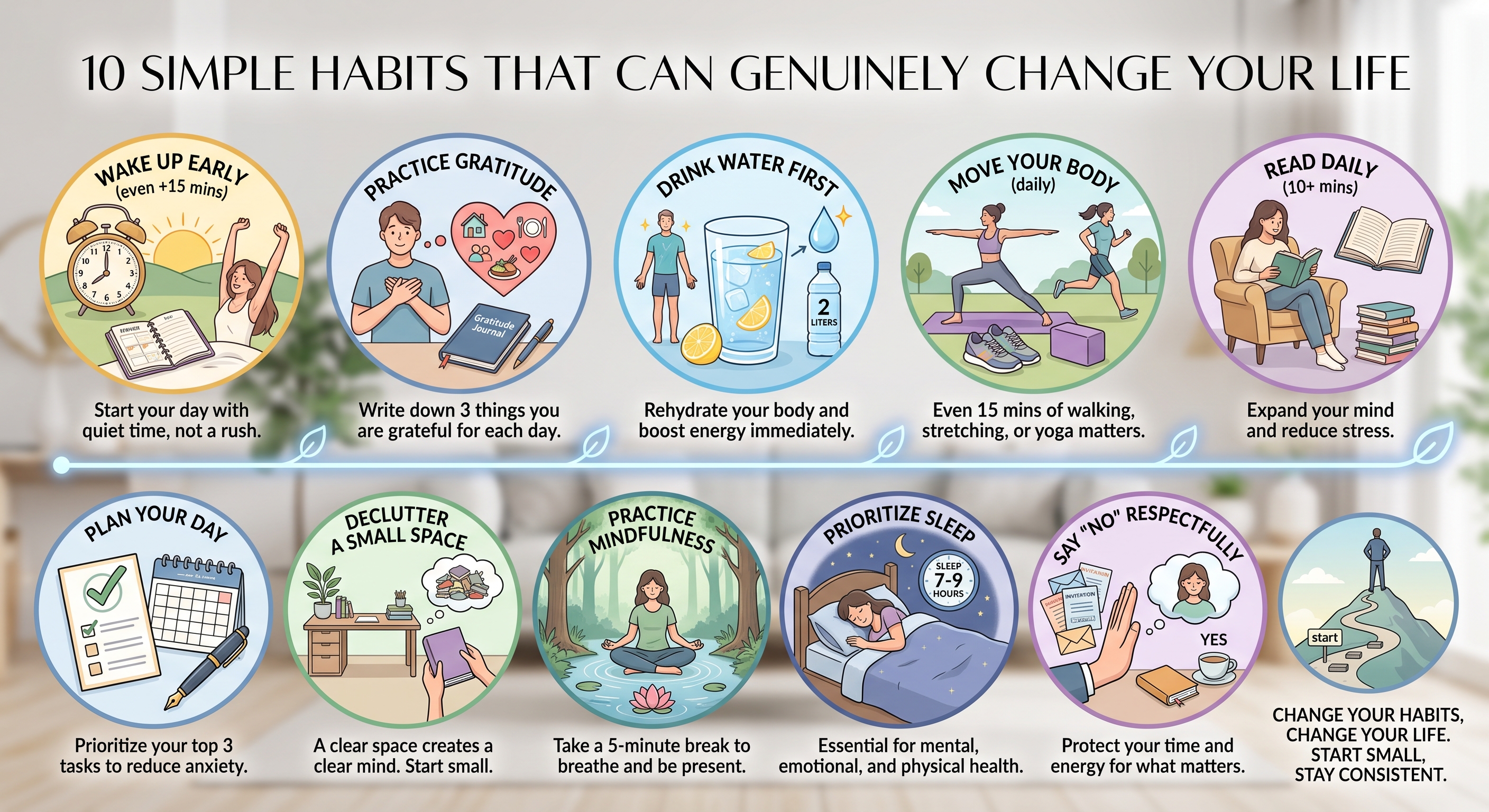
Why Small Daily Choices Matter More Than Dramatic Change
Real life rarely changes because of