

Have you ever searched "web design company near me" and ended up with fifty tabs open, no closer to a decision than when you started? You're not alone. Every agency's homepage says roughly the same thing: creative, professional, results-driven. The words all sound good, but they don't actually tell you who's going to build you a website that works. Choosing the right web design company isn't about finding the flashiest portfolio; it's about finding a team that understands your business well enough to build something that actually helps it grow. Here's what to actually look for, with a few real-world scenarios to make it easier to picture.
Start With Their Portfolio, Not Their Promises
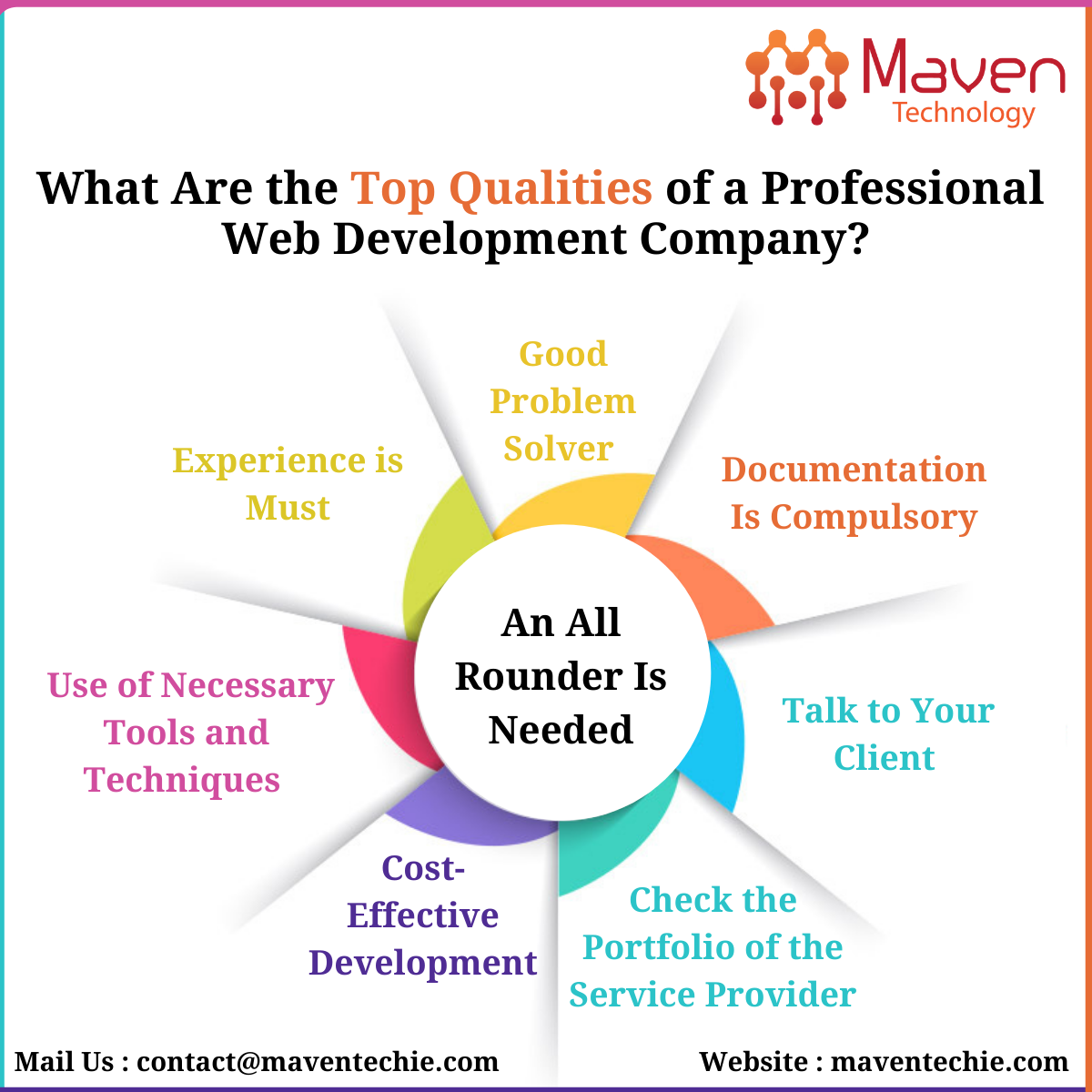
Any agency can tell you they build "beautiful, high-converting websites." What matters is whether their past work backs that up. Look through their portfolio and pay attention to variety and relevance, not just visual polish. If you run a local clinic, a portfolio full of flashy portfolio sites for photographers won't tell you much about how they'd handle appointment booking, patient trust signals, or accessibility.
For example, a small furniture retailer once hired an agency purely because their portfolio had stunning, award-style visuals. The site looked great, but it was slow to load and had almost no product filtering, since the agency's past work was mostly single-page brand sites, not e-commerce. The lesson here isn't that the agency was bad; it's that their strengths didn't match the retailer's actual needs. Always ask: Have they built something like this before, for a business like mine?
Ask How They Handle the Process, Not Just the Output
A good web design company should be able to walk you through their process clearly, from initial discovery calls to wireframes, design drafts, revisions, and final handoff. If an agency can't explain how they get from your first conversation to a finished website, that's usually a sign the process is disorganized, and disorganized processes tend to lead to missed deadlines and scope confusion later.
Take a small restaurant chain as an example. They worked with an agency that skipped wireframing entirely and jumped straight into full visual design. Halfway through, the client realized the menu structure didn't match how customers actually browsed on mobile, and by then, restructuring meant redoing work that wireframes would have caught in an hour. A clear, structured process protects both sides from expensive rework.
Make Sure They Actually Understand Responsive and Mobile Design
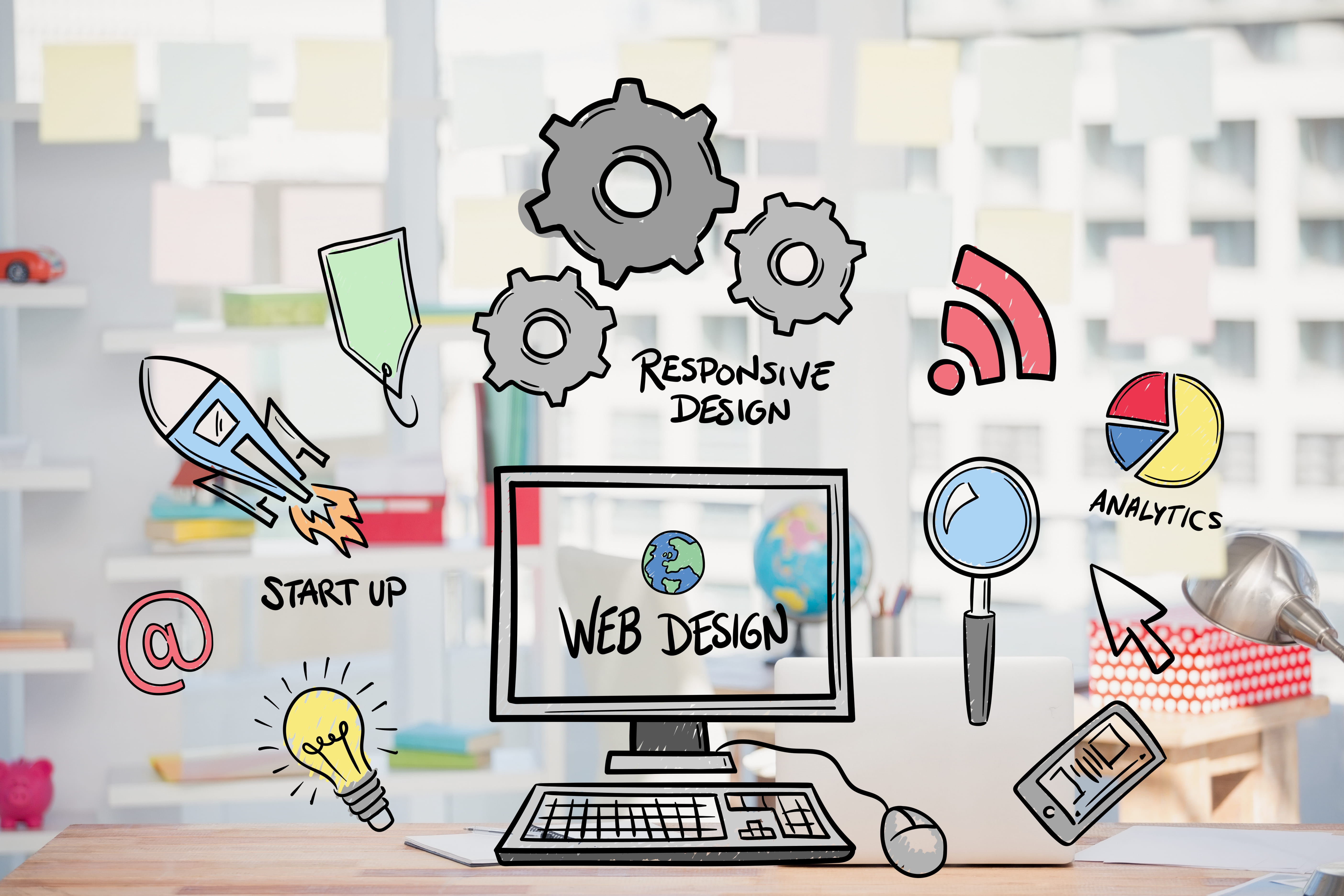
At this point, mobile-first design isn’t optional, and any company still treating it like an afterthought is already behind. Ask directly how they approach responsive design, and even better, ask to see how their past projects perform on an actual phone, not just a resized browser window.
A boutique clothing brand once approved a desktop design that looked great, only to discover that on mobile the navigation menu covered half the screen and product images loaded painfully slowly. The agency had designed for desktop first and adapted it afterward instead of putting mobile first from the start. Since most shoppers today browse and buy from their phones, that kind of mistake can directly cost a business sales.
Look Past Design and Ask About SEO and Performance
A visually striking website that loads slowly or isn’t structured for search engines won’t do a business much good. Good web design companies think about page speed, clean code, and basic SEO fundamentals as part of the design process itself, not as a separate add-on that nobody mentions until after launch.
Consider a local law firm that hired a designer purely for aesthetics. The final website looked sharp, but it wasn’t optimized for speed, had no proper heading structure, and lacked basic metadata. Months later, when they searched for their own services on Google, they were barely visible, even in their own city. Asking upfront how a company handles performance and SEO basics can save a business from this exact situation.
Check How They Communicate Before You Sign Anything
Communication style matters more than most people expect at the start. A web design project usually stretches across weeks or months, with plenty of back-and-forth along the way. If an agency is slow to respond or vague during the sales process, that pattern rarely improves once the contract is signed and the pressure to win your business is gone.
A small nonprofit once chose an agency that took nearly a week to respond to simple pre-project questions. They assumed things would speed up once work began. Instead, communication stayed just as slow throughout development, delaying launch by nearly two months. Before committing, it’s worth asking how updates are shared, how often you’ll hear from them, and who your actual point of contact will be.
Compare Pricing Structures, Not Just Final Numbers
Pricing can vary a lot between web design companies, and the cheapest option isn’t always the most cost-effective one in the long run. It’s worth looking closely at what’s actually included. Does the quote cover revisions, mobile optimization, basic SEO setup, and post-launch support, or are those all extra costs waiting to show up later?
A startup once chose the lowest quote out of three agencies, only to find out that revisions beyond the first round, mobile responsiveness, and even basic contact form functionality were all billed separately. What seemed like the budget-friendly choice ended up costing more than the mid-range option that included everything upfront. Reading the fine print and asking direct questions about what’s included helps avoid that kind of surprise.
Conclusion
Choosing a web design company isn't about finding the agency with the most impressive-sounding pitch; it's about finding one whose experience, process, and communication style actually match what your business needs. Look at real portfolio examples relevant to your industry, ask clear questions about their process, and pay attention to how they handle mobile design, performance, and pricing transparency from the very first conversation.
The right web design company won't just hand you a good-looking website; they'll build something that loads fast, works well on every device, and actually supports the way your business operates. Taking the time to ask the right questions upfront is almost always cheaper and less stressful than fixing the wrong decision later.
If you're currently going through this process yourself, it's worth having at least one conversation with a team before deciding, just to see how they answer these exact questions.