Persistent eye irritation is easy to explain away. Most of us reach for the obvious answers first: a long day at a screen, hay fever, a windy walk, or simply dry eyes. But a gritty, scratchy sensation that keeps returning, particularly in one eye, sometimes has a mechanical cause rather than a chemical one.
One of those causes is entropion, where the eyelid margin rolls inward so the lashes and lid skin press against the surface of the eye. Because it feels so much like dryness, people often work through months of lubricating drops before anyone identifies the eyelid position as the problem.
What Is Entropion?
The eyelid isn't simply a flap of skin. A small tarsal plate, muscle, tendons at the inner and outer corners, and retractor tissues that pull the lower lid down when you look down all hold it in position. Entropion develops when the balance between these structures shifts and the margin rotates inward, taking the lashes with it.
It usually affects the lower eyelid, in one eye or both, and involves the upper lid far less often.
Friction is the real problem, and it accumulates quickly. Every blink drags the lashes across the conjunctiva and the cornea, potentially fifteen thousand times a day. The cornea, the clear front surface of the eye, carries a dense supply of nerve endings, which is why even minor contact feels so uncomfortable and why sustained contact can damage it.
What Causes Entropion?
Identifying the cause matters, because it determines which treatment is appropriate.
- Age-related tissue changes: The most common form in older adults is involutional entropion, driven by the gradual loosening of eyelid tissues. Horizontal laxity, stretched or separated retractors, and shifts in the surrounding muscle can combine to let the margin rotate inward. Entropion is uncommon in younger people and becomes more frequent with age.
- Scarring: Scar tissue on the inner surface of the eyelid can shorten and pull the lid inward, which clinicians call cicatricial entropion. It may follow chemical injury, burns, or certain inflammatory conditions. Trachoma is a major cause worldwide, though it's very rare in New Zealand.
- Previous surgery or injury: Earlier eyelid procedures, facial trauma, or radiotherapy to the area can alter the eyelid's structure and curvature.
- Eyelid spasm: Sustained or forceful contraction of the muscle around the eye can push the lid inward. This often happens in an eye that's already irritated for another reason, setting up a cycle of spasm and further irritation.
- Present from birth: Congenital entropion is rare but does occur, and specialists assess it differently from adult-onset cases.
What Are the Symptoms of Entropion?
Symptoms often come and go at first, noticeable in the wind or first thing in the morning, before becoming more constant. People commonly report:
A persistent feeling that something is in the eye, often described as sand or grit
- Redness of the eye
- Excessive watering
- Sensitivity to light or wind
- Aching, stinging or burning discomfort
- Mucus or discharge, or crusting on the lashes
- Blurred vision in some cases, particularly if the corneal surface is affected
None of these is unique to entropion. Dry eye, blepharitis and allergy produce much the same picture, which is why symptoms that persist are worth having assessed rather than self-managed indefinitely.
When Is Surgery Recommended?
Surgeons don't treat every inward-turning eyelid the same way, and not every case leads straight to an operation. Surgery generally enters the conversation when the eyelid position itself is the problem, and it isn't going to correct on its own.
An ophthalmologist may discuss surgical repair when:
- The lid turns inward persistently rather than occasionally
- Examination shows the cornea is irritated, or already damaged
- Lubricants, taping or other temporary measures aren't holding
- Significant eyelid laxity or a structural change needs correcting
- Symptoms are affecting comfort, vision or daily life
The decision rests on examination rather than appearance. Two eyelids that look similar from the outside can behave quite differently on testing, and the mechanism behind each one points towards a different repair. Age, general health, other eye conditions and what you want from treatment all form part of the conversation.
Why Treating Entropion Matters
Untreated entropion causes more than discomfort. Continued contact between the lashes and the eye can, over time, lead to:
- Irritation and inflammation of the corneal surface
- Superficial scratches or abrasions
- Secondary infection in some cases
- Corneal scarring where irritation is prolonged
- Reduced vision in more serious untreated cases
None of that is inevitable, and most people are assessed and treated well before the cornea is significantly affected. Clinicians push for early assessment because corneal scarring, once it's established, is far harder to address than the eyelid position that caused it.
Are There Alternatives to Surgery?
Yes, though it helps to understand what they actually achieve.
Non-surgical measures generally protect the eye and relieve symptoms rather than correct the lid position. Depending on the case, an eye-care professional might suggest lubricating drops or ointments to reduce friction, taping the lid into a more outward position, or treating an underlying inflammatory or infectious problem that's making things worse. Injections can settle eyelid spasm in selected cases.
These measures earn their place: they help while someone waits for surgery, when a person isn't well enough for a procedure, or where the entropion comes and goes. What they don't do is change the anatomy that lets the lid rotate inward. That's the distinction your ophthalmologist will walk you through when you weigh up the options.
What the Operation Involves
Surgical repair returns the eyelid to a normal position so the lashes point away from the eye, and the technique follows the mechanism. Where the lid and its attachments have loosened with age, a surgeon will tighten them so the margin sits correctly again. Where stretched retractor tissue has let the lid rotate, the repair reattaches it. Where scarring has shortened the inner surface, a graft lengthens it. Auckland practices such as City Eye Specialists set out how they approach entropion surgery, including where the procedure takes place and what to expect on the day.
Surgeons usually operate under local anaesthetic, with or without sedation, and most patients go home the same day. You'll normally need someone to collect you afterwards, so it's worth arranging that in advance.
Recovery and Aftercare
Expect some swelling and bruising around the eye in the first few days, along with temporary discomfort. Your surgeon will typically prescribe an antibiotic ointment for around a week and pain relief for the first few days, then arrange a follow-up to check healing and lid position. Ice packs and an extra pillow at night to keep your head raised help settle the swelling.
Most people need a few days away from work, though you might want to plan for up to a week depending on what you do. Entropion repair usually leaves a small line at the outer corner of the eye and below the lashes, often slightly pink for some months before it fades to a thin, nearly invisible white mark.
Ask your surgeon about recurrence, which varies by technique and by the underlying cause.
When Should You See an Eye Specialist?
If the symptoms above sound familiar and they aren't settling with lubricating drops, that's the point to have the eyelid itself looked at rather than carrying on managing the irritation.
Some signs need faster attention. Increasing pain, worsening redness, marked light sensitivity or any vision change can mean the cornea is involved, and those warrant prompt medical attention rather than a wait-and-see approach.
In New Zealand, a GP or optometrist can carry out an initial assessment and arrange referral to an ophthalmologist where appropriate.
Getting It Looked At
Entropion is a well-understood condition with a straightforward assessment behind it. An eye-care professional can usually establish within a single examination whether the lid position is the problem, what's driving it, and whether the cornea has taken any damage.
That's the argument for going early. You get the full range of options while the decision is still about comfort rather than about protecting your sight.


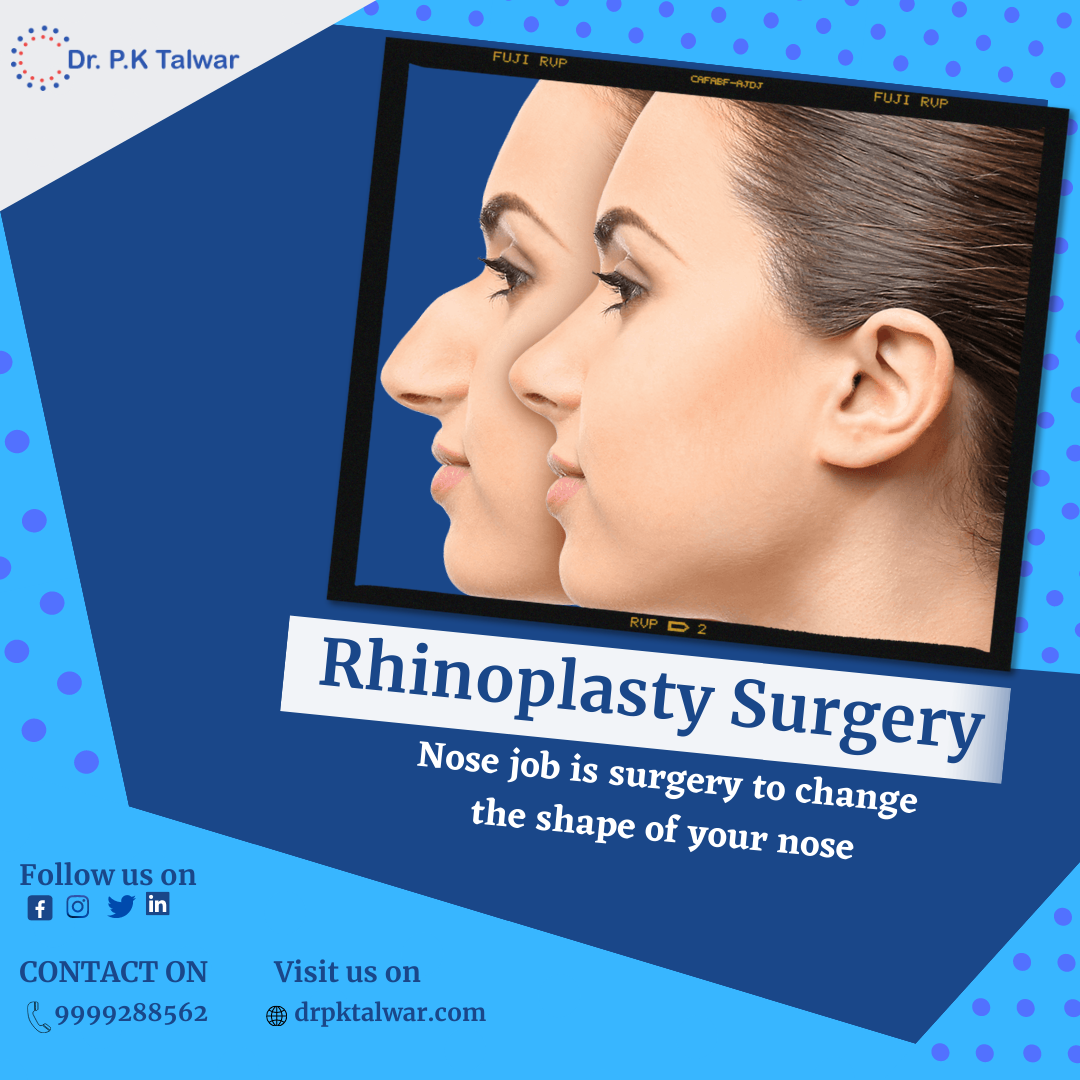
Rhinoplasty surgery in Delhi, commonly known as a nose job, is a plastic surgery procedure for altering and reconstructing the nose.
There are two types of plastic surgery used – reconstructive surgery that restores the form and functions of the nose and cosmetic surgery that changes the appearance of the nose

Appendicitis is one of the most common medical emergencies that requires immediate treatment. Many people ignore early symptoms such as stomach pain, nausea, or fever, assuming it is simple indiges