

Why Small Daily Choices Matter More Than Dramatic Change
Real life rarely changes because of one perfect morning, one brilliant idea, or one burst of motivation. More often, it changes through small repeated actions that slowly reshape your days, your mindset, and your sense of what is possible. That is good news, because it means meaningful growth does not have to begin with a complete life overhaul. It can begin with something as simple as drinking a glass of water after waking up, taking a ten minute walk, or putting your phone away before bed.
Many people feel stuck not because they lack desire, but because they believe change must be dramatic to count. If a new routine is not intense, impressive, or immediate, they dismiss it. But the habits that genuinely change your life are often the ones that look almost too simple at first. They are small enough to repeat on busy days, flexible enough to survive setbacks, and practical enough to fit into ordinary life.
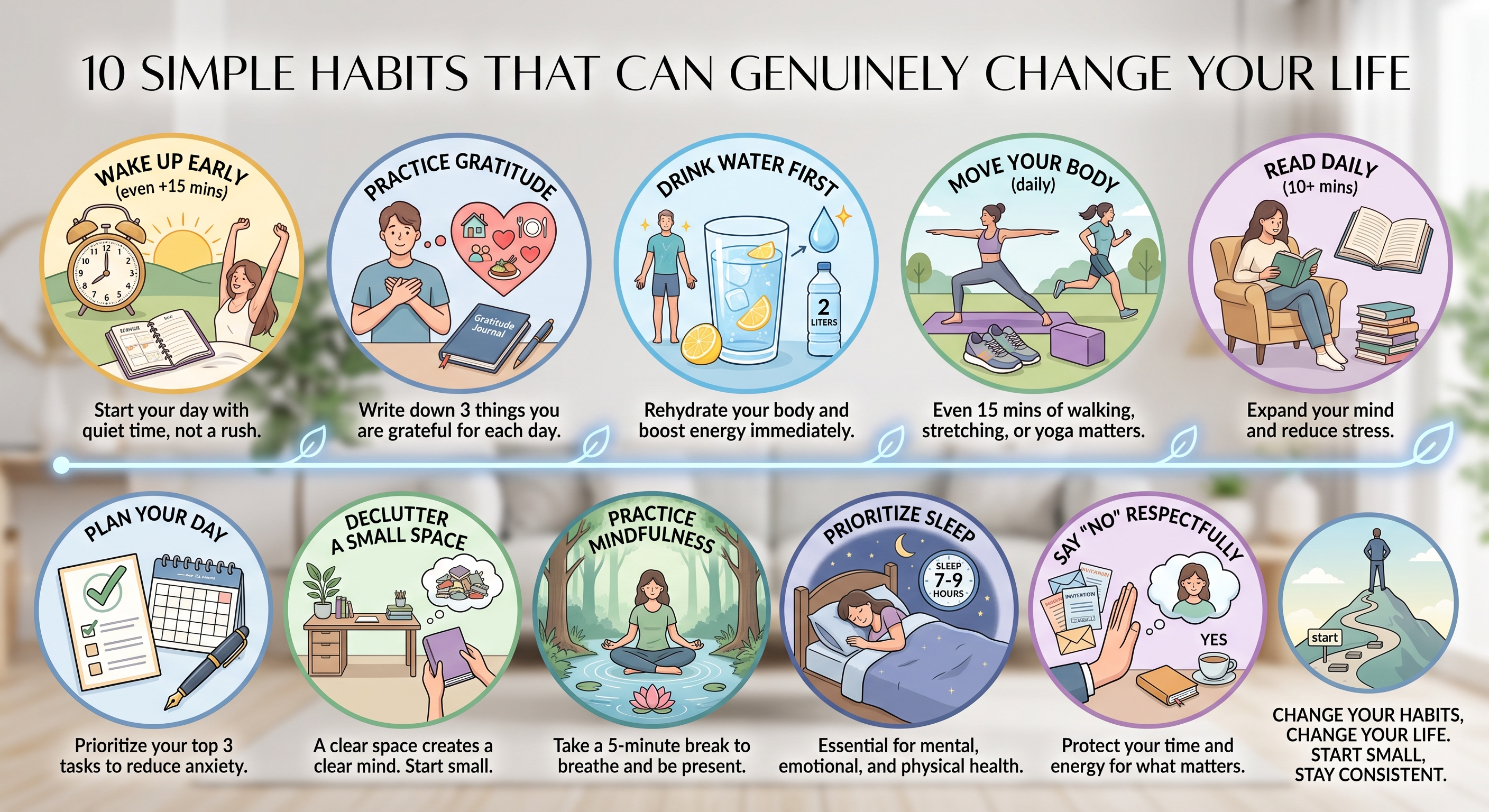
This article is about ten simple habits that can make a real difference over time. They are not miracle fixes, and they are not meant to turn life into a productivity contest. Instead, they are steady practices that support your energy, your focus, your emotional well being, and your ability to grow in a sustainable way. You do not need to adopt all ten at once. In fact, you probably should not. The goal is not to do everything perfectly. The goal is to begin where you are and keep going with patience.
Start Your Morning with a Few Minutes of Intentional Calm
The way a day begins often influences how the rest of it feels. If your first moments are rushed, distracted, or reactive, it becomes easier to carry that sense of urgency into everything that follows. On the other hand, if you start with even a few quiet minutes of intention, you give yourself a steadier foundation.
This does not mean waking up two hours early or following an elaborate routine. It can be as simple as sitting at the edge of your bed and taking a few slow breaths, opening the curtains, stretching your shoulders, or thinking about one thing you want from the day besides just getting through it. A calm start does not make life perfect, but it can help you feel less like you are being pulled by the day and more like you are meeting it on your own terms.
What makes this habit powerful is not complexity. It is consistency. A simple beginning repeated daily can reduce mental clutter and help you respond more thoughtfully instead of living in constant reaction mode. Over time, those few minutes can become a reliable anchor.
Move Your Body Every Day in a Way You Can Actually Sustain
Movement is one of the most underrated tools for changing your life. It supports physical health, of course, but it also improves mood, reduces stress, sharpens focus, and helps you feel more connected to yourself. The mistake many people make is treating movement as an all or nothing effort. If they cannot do a full workout, they do nothing. If they miss a few days, they assume they have failed.
A life changing habit is not about pushing yourself to extremes. It is about choosing movement that is simple enough to keep doing. A walk around the block, light stretching in the morning, dancing while cleaning, using the stairs, or doing a short home workout all count. What matters most is building a pattern that your real life can support.
When daily movement becomes normal, it changes more than your body. It builds trust in yourself. You begin to see that you can show up even when you do not feel highly motivated. That quiet reliability can spill into other areas of life as well, making it easier to stay committed to goals that matter.
Practice practical self care Through Daily Supportive Rituals
The phrase self care is often misunderstood. It is sometimes reduced to treats, indulgences, or occasional escapes. While rest and pleasure absolutely matter, the kind of care that changes your life is often quieter and more practical. practical self care means consistently doing the basic things that help you function well, recover well, and feel emotionally steadier.
This might include drinking enough water, eating regular meals, keeping medical appointments, resting when you are worn down, tidying the room you live in, getting outside for fresh air, or setting limits with people who drain your energy. It might also mean noticing when your inner dialogue becomes harsh and choosing to speak to yourself with more respect.
What makes practical care powerful is that it sends a repeated message to your mind and body: you matter enough to be supported. That message is not shallow. It affects how you make decisions, what you tolerate, and how resilient you feel during difficult seasons. You do not need to earn care by becoming more productive first. In many cases, care is what makes healthier productivity possible.
If this habit feels unfamiliar, start with one supportive ritual that feels both kind and realistic. Make your bed. Prepare your lunch. Take a five minute pause between tasks. Wash your face before sleep. Small acts of care become life changing when they become part of how you live, not just something you reach for in emergencies.
Write Down One Priority Instead of Chasing Everything at Once
One reason people feel overwhelmed is that they treat every task, every idea, and every worry as equally urgent. That approach creates mental noise and constant pressure. A much more effective habit is writing down one true priority for the day. Not ten. Not everything. Just the one thing that would make the day feel more meaningful, more complete, or more manageable.
This habit is deceptively simple, but it brings focus to your attention. Instead of drifting through the day reacting to what is loudest, you give your energy a direction. Some days your priority may be a work task. Other days it may be rest, a difficult conversation, or finally scheduling an appointment you have avoided. The point is not to ignore everything else. It is to remember that your attention is limited and deserves to be used with intention.
Choosing one priority also reduces the guilt that comes from unrealistic expectations. You may still complete other things, but your sense of progress no longer depends on doing everything. That shift can make you feel calmer, more effective, and more honest about what life really allows.
Keep a good habits list That Feels Realistic, Not Performative
A lot of habit advice becomes unhelpful because it encourages people to create idealized versions of themselves instead of practical routines. That is why a good habits list should not be a long display of impressive goals. It should be a small, honest collection of actions that genuinely improve your life and that you can actually repeat.
Your good habits list might include going to bed at a consistent time, reading a few pages each day, preparing tomorrow's clothes the night before, taking a walk after lunch, checking your bank balance once a week, or spending ten minutes cleaning up your space. None of these habits are dramatic, but each one reduces friction and supports stability.
The value of a good list is that it helps you focus on habits that serve your real needs. It also reminds you that a useful life is not built only on ambition. It is built on maintenance, awareness, and care. When your habits reflect your actual priorities rather than trends or pressure, they become easier to keep and more likely to create lasting change.
If you want this list to be especially effective, keep it visible and short. Choose habits that support your energy, your environment, and your mental clarity. Then let the list grow slowly over time. A small list you actually follow is far more powerful than a perfect list you keep abandoning.
Read or Learn Something New for a Few Minutes Each Day
You do not need to return to school or commit to long study sessions to become a person who keeps growing. One of the simplest habits with long term impact is learning something regularly, even in very small amounts. Reading a few pages of a book, listening to a thoughtful podcast, watching a short educational video, or exploring a new idea for ten minutes a day can gradually expand the way you think.
This matters because growth is not only about discipline. It is also about perspective. Learning introduces new language, new tools, and new ways of understanding yourself and the world around you. It can improve your confidence, challenge limiting beliefs, and remind you that your mind remains capable of development no matter your age or stage of life.
The key is choosing learning that feels nourishing rather than forced. You are more likely to continue if the subject genuinely interests you or helps with a real part of your life. Over time, this habit can make you feel more engaged, more curious, and less stuck in old patterns of thought.
Protect Your Sleep Like It Supports Every Other Goal, Because It Does
Sleep is often sacrificed first and valued last, even though it affects nearly everything. Your mood, patience, memory, energy, focus, appetite, and stress tolerance all depend on it. When sleep is neglected, even simple tasks can feel harder than they should. When sleep improves, many other habits become easier to maintain.
This does not mean you need a flawless evening routine. It means treating rest as a genuine need instead of an optional reward. A life changing sleep habit can begin with reducing screen time before bed, dimming lights earlier, going to sleep at a more consistent time, or creating a wind down routine that tells your body the day is ending.
People often blame themselves for lacking discipline when they are actually exhausted. Better sleep will not solve every problem, but it often improves your ability to handle problems with more steadiness. If you want your habits to last, give them the support of a rested mind and body.
Spend Less Time on Automatic Scrolling and More Time on Deliberate Living
Many people do not realize how much of their mental energy disappears into aimless screen time. A few minutes here and there can quietly become hours, leaving you more distracted, more restless, and less satisfied. One genuinely life changing habit is becoming more intentional about how you use your devices.
This does not require abandoning technology. It simply asks you to notice the difference between using your phone as a tool and using it as an escape that leaves you feeling worse. You might set certain times of day when you do not scroll, keep your phone away during meals, delete one app that consistently drains your attention, or replace ten minutes of evening scrolling with reading, stretching, or silence.
This habit creates space. Space to think, to notice your feelings, to reconnect with your environment, and to do things that actually restore you. It may feel small at first, but reclaiming attention is one of the most meaningful ways to reclaim your life. Your days are shaped by what repeatedly captures your focus. When that focus becomes more intentional, life often feels fuller and calmer.
Stay Connected by Reaching Out Before You Feel Completely Isolated
Healthy relationships do not maintain themselves automatically. In busy seasons, it becomes easy to assume you will connect later, when life is less demanding or when you feel more energetic. But one simple habit that can deeply improve your life is reaching out consistently in small ways before distance grows too wide.
A short message, a voice note, a shared walk, or a quick check in can strengthen connection more than grand gestures done rarely. Human beings need support, belonging, and moments of feeling seen. Even for people who value independence, regular connection helps protect emotional health and reminds you that life is not meant to be carried alone all the time.
This habit is especially important during stressful periods, when isolation can quietly intensify anxiety or sadness. You do not need a large social circle to benefit. What matters is building the rhythm of contact, care, and mutual presence. A simple habit of reaching out can make difficult seasons easier to navigate and joyful seasons richer to share.
Reflect for a Few Minutes So Your Life Does Not Run on Autopilot
Without reflection, it is easy to repeat patterns without ever examining them. You can keep living the same week in different forms, wondering why nothing feels different. A short daily or weekly reflection habit can help interrupt that cycle. It gives you a chance to notice what is working, what is draining you, and what you want to adjust.
Reflection does not have to mean writing pages in a journal. It can be three simple questions: What helped me today? What felt heavy? What do I want to do differently tomorrow? These kinds of questions create awareness, and awareness is the beginning of change.
This habit matters because progress is easier when you are paying attention. You stop relying only on emotion or memory to evaluate your life. Instead, you begin to notice patterns. Maybe you realize you feel better when you prepare the next day the night before. Maybe you see that certain conversations leave you depleted. Maybe you notice that your best days include fresh air, movement, and less rushing. Reflection turns vague experience into useful insight.
Learn how to build habits So They Survive Real Life
It is one thing to choose a habit and another to keep it going when life becomes messy, busy, or emotionally difficult. That is why learning how to build habits matters just as much as choosing the right ones. Successful habits are usually not built through willpower alone. They are built through simplicity, repetition, and realistic design.
If you want to know how to build habits that last, start by making them small. A two minute version of a habit is often more useful than an ambitious version you avoid. Read one page. Stretch for three minutes. Put away five things. Write one sentence. Starting small reduces resistance and helps your brain associate the habit with success instead of pressure.
Another important part of how to build habits is linking them to things you already do. If you want to drink more water, place a glass next to the coffee maker. If you want to journal, do it after brushing your teeth. If you want to walk more, go right after lunch. Attaching a new action to an existing routine makes it easier to remember and repeat.
It also helps to expect imperfection. One missed day does not undo a habit. The real danger is not missing once. It is turning one interruption into a story about failure. People who maintain habits over time usually do not do them perfectly. They simply return to them more quickly. That return is part of the habit building process.
Finally, make habits visible and rewarding. Track them on a calendar, keep tools nearby, and notice how you feel after following through. A habit becomes stronger when it is easy to begin and emotionally satisfying to complete. Understanding how to build habits in this gentle, practical way can make change feel possible instead of exhausting.
What to Do When Motivation Fades and Life Gets Busy
At some point, every habit becomes less exciting. That does not mean it has stopped working. It usually means the early novelty has worn off and the deeper work of consistency has begun. This is where many people quit, not because the habit was wrong, but because they expected motivation to carry them the whole way.
The truth is that habits become life changing when they remain in place through ordinary, imperfect weeks. On low energy days, your job is not to perform at your best. It is to keep the habit alive in a smaller form. If you cannot do your full routine, do the easiest version. Walk for five minutes. Read one paragraph. Tidy one surface. Maintaining the pattern matters more than maintaining intensity.
It also helps to revisit why the habit matters to you personally. Not why it sounds good. Not why other people recommend it. Why it matters to your actual life. A habit with a clear personal reason is easier to protect when your schedule fills up. When you know a habit helps you feel calmer, sleep better, think more clearly, or show up more kindly, it stops feeling optional in the same way.
Busy seasons do not require abandoning every supportive routine. They require adapting them. The most resilient habits are not rigid. They bend without breaking. That flexibility is not weakness. It is what makes long term growth possible.
How These Ten Simple Habits Add Up to Lasting Personal Growth
Each habit in this article may seem modest on its own, and that is part of the point. Lasting personal growth usually does not arrive with noise. It develops through repeated choices that improve your energy, your self respect, your focus, and your relationship with daily life. A calm morning, regular movement, practical care, better sleep, reflection, connection, and intentional learning all work together. They do not just make you more productive. They help you become more grounded.
What changes your life is often not the size of a habit but the story it teaches you about yourself. When you keep showing up in small ways, you begin to trust your ability to care for your life. You stop waiting for the perfect time to begin. You become less dependent on intense motivation and more familiar with gentle consistency. That shift can affect everything from your confidence to your relationships to the goals you believe you can pursue.
If you are wondering where to start, choose the easiest habit that feels genuinely helpful right now. Not the most impressive one. Not the one you think you should pick. Choose the one that would make your next week feel a little better supported. Let that be enough. Then keep going.
You do not need a new identity overnight. You do not need a flawless routine. You need a few honest habits, practiced with patience, and repeated long enough to shape the way you live. That is how simple actions create real change. Quietly, steadily, and more powerfully than you might expect.




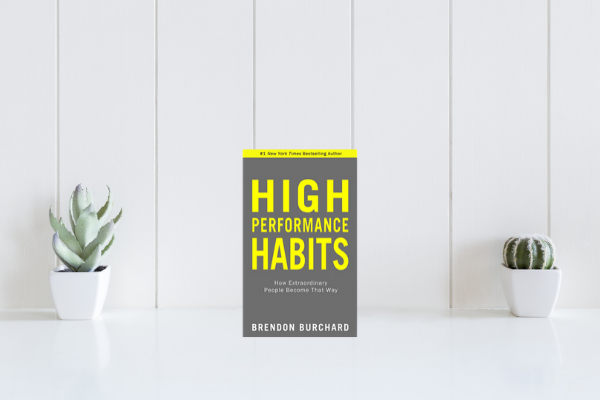
Hacking your habits is hands-down one of the most valuable life skills you can master.
Here are top 5 Books to create good habits in 2020.