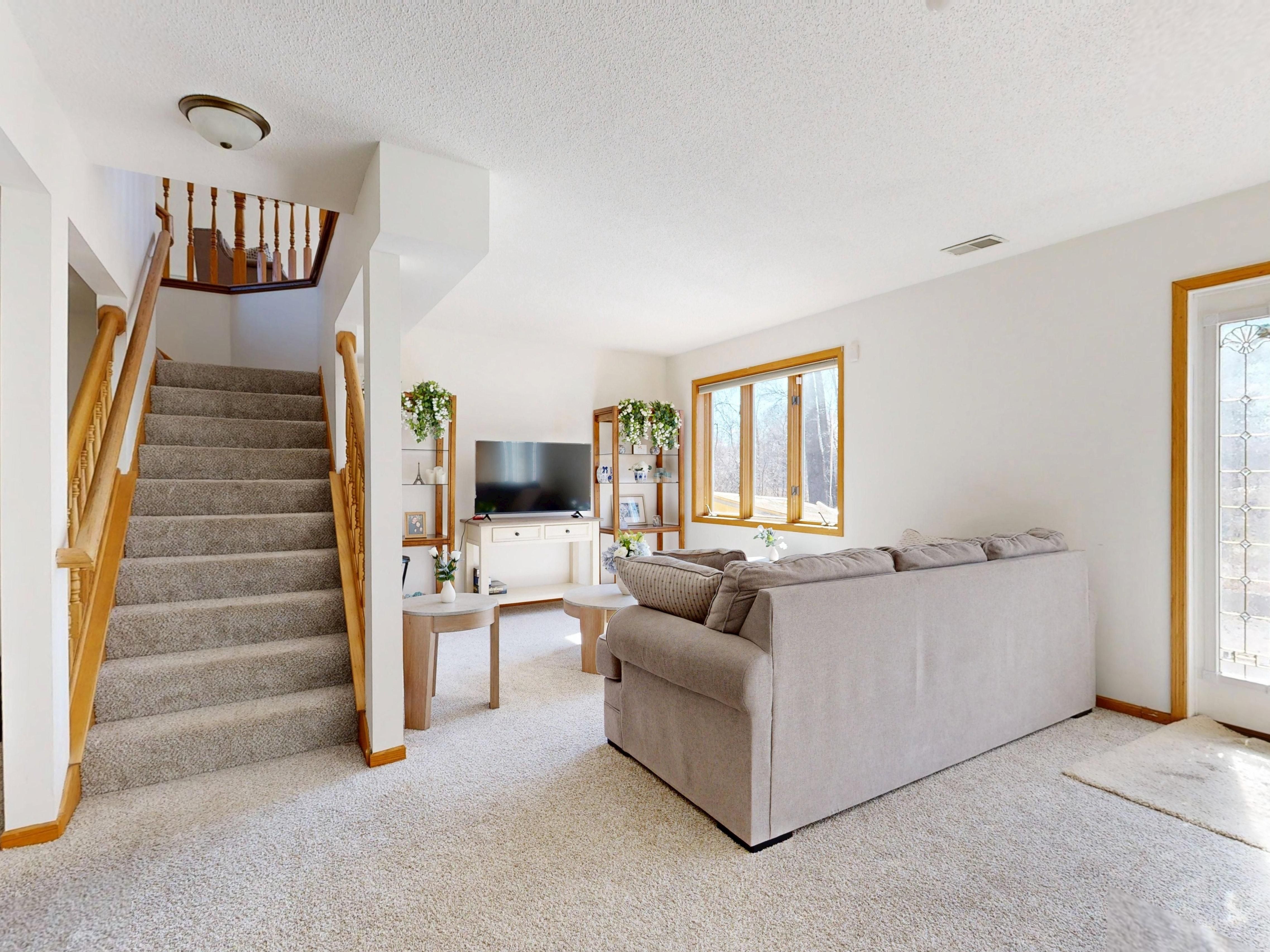
For years, homeowners renovating older properties seemed to have one universal goal: tear out the carpet and reveal or install hard flooring underneath. But wall-to-wall carpet never really disappeared from professional interior design. Instead, designers have become more selective about where and how they use it.
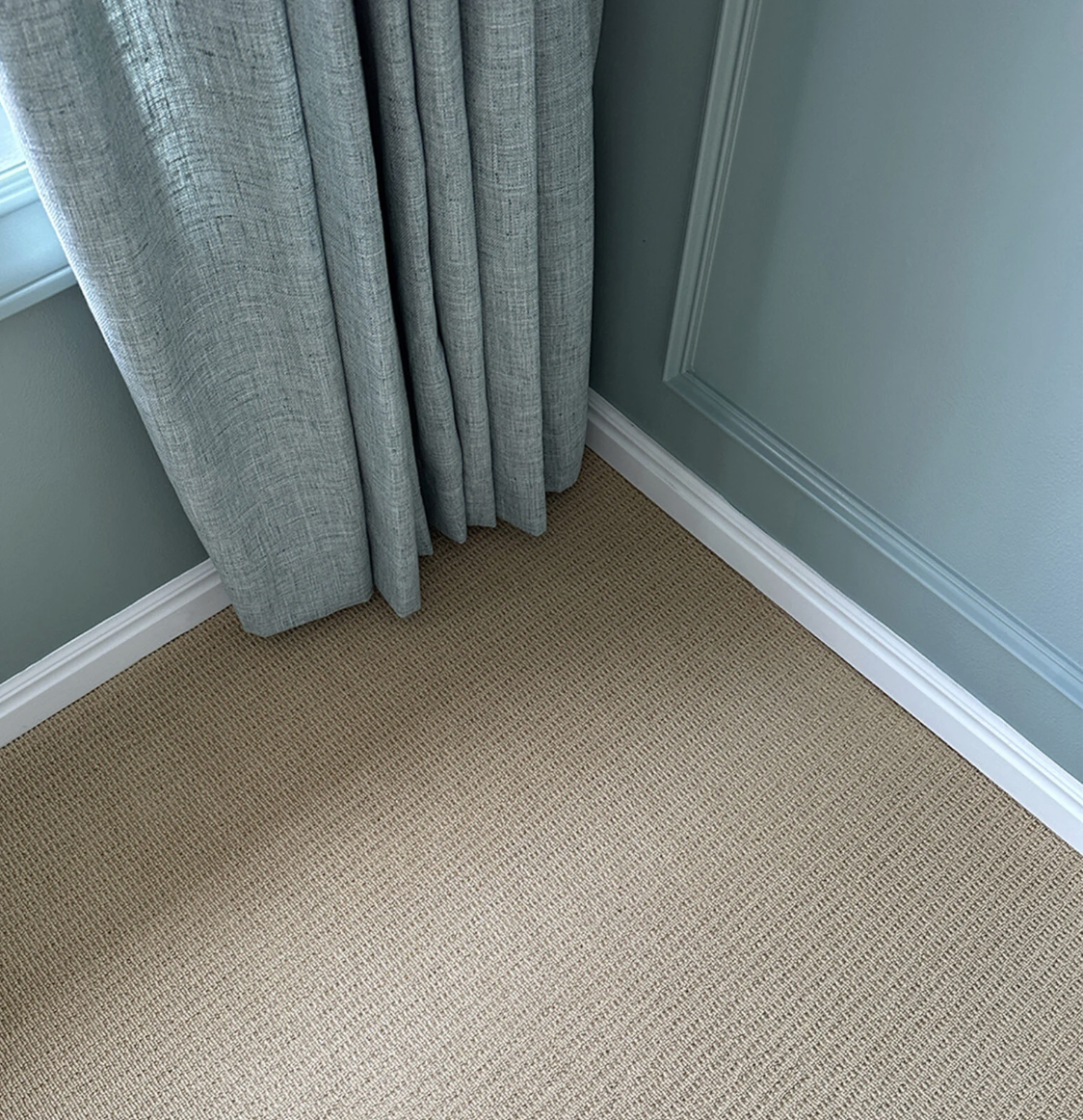
Today's approach is less about covering every available floor and more about using carpet strategically. Material, pile, color, texture and installation all determine whether carpeting looks dated or deliberately luxurious.
In bedrooms, dressing rooms, family spaces and other areas where comfort matters, the right carpet can introduce warmth, improve acoustics and create a softer visual foundation for the rest of the interior.
Start With the Room, Not the Carpet Sample
One of the biggest mistakes homeowners make is falling in love with a carpet sample before deciding whether carpet makes sense for the room.
Think about how the space is actually used. Bedrooms are natural candidates because softness and acoustic control contribute to a comfortable environment. Family rooms, upstairs lounges, nurseries and walk-in closets can also benefit.
Moisture-prone areas generally require a different flooring strategy. Kitchens, bathrooms and other rooms where spills and water are routine rarely showcase wall-to-wall carpet at its best.
Traffic matters too. A quiet primary bedroom has very different performance requirements from a hallway used by children, pets and guests throughout the day.
Material Determines More Than Appearance
Fiber selection influences how carpet feels, wears and responds to everyday life.
Wool remains especially appealing in design-led interiors because of its softness, resilience and natural appearance. Natural-fiber looks can also introduce an organic quality that complements wood, stone, linen and other tactile materials.
However, the best choice isn't automatically the most expensive or most natural option. Performance fibers and blends can make sense in busy households where stain resistance and easier maintenance are priorities.
Mert Yilmaz, Founder of Rug N Carpet, brings a useful perspective from the handmade rug and carpet world:
Flooring should work in harmony with the room’s fabrics, textures and furnishings, creating a cohesive foundation rather than simply covering the surface beneath them.
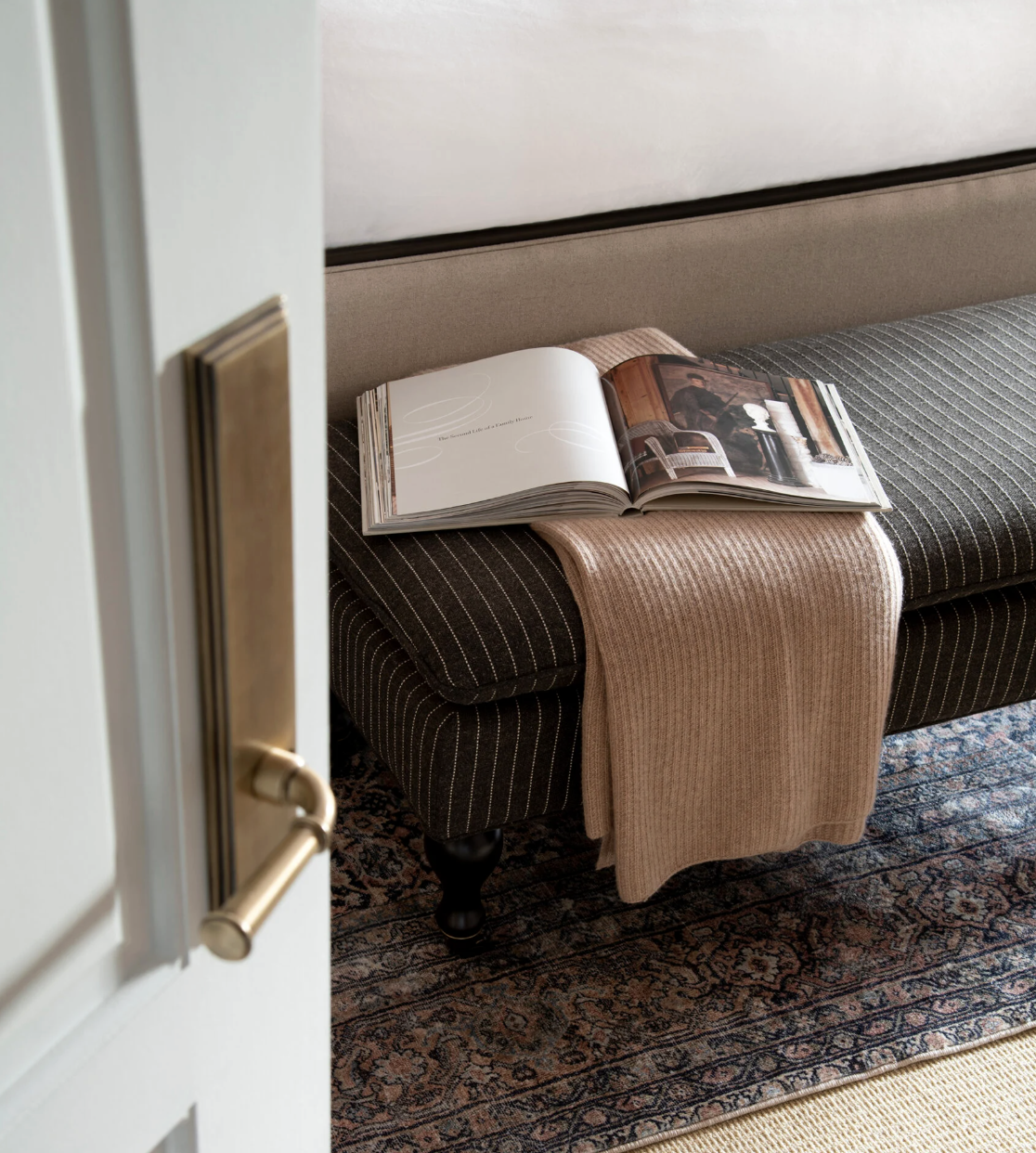
That distinction becomes particularly important when homeowners want to place an area rug over carpeting. The underlying carpet and decorative rug should complement one another rather than compete for attention.
Texture Is Often More Important Than Pattern
Wall-to-wall carpeting occupies an enormous amount of visual space. A dramatic pattern that looks interesting on a small sample can become overwhelming once repeated across an entire bedroom.
Texture provides another way to create interest.
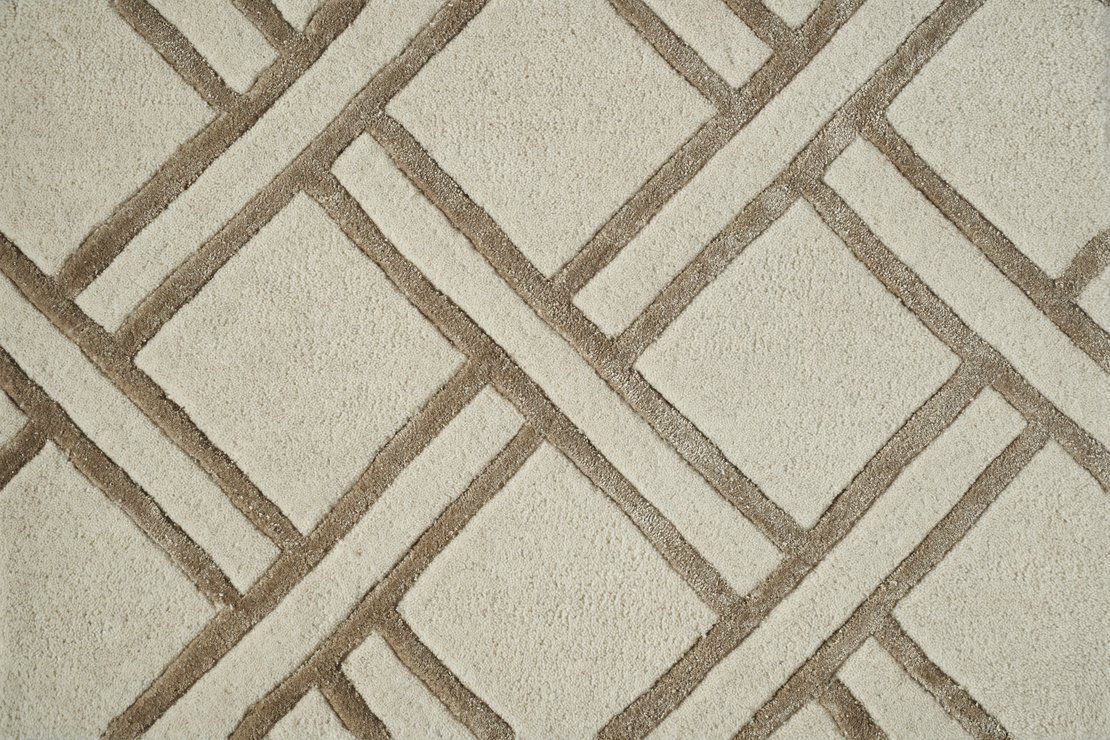
Subtle woven effects, understated linear patterns and restrained geometric constructions can give a floor dimension without making it the dominant feature.
Low and medium piles also tend to create a more tailored appearance than extremely deep, shaggy constructions. They can make furniture placement easier and provide a more stable foundation when an area rug is added later.
The objective isn't necessarily to make the carpet invisible. It is to give the room texture without limiting future decorating decisions.
Choose Color as Part of the Entire Interior Palette
Neutral carpeting doesn't have to mean flat gray or builder beige.
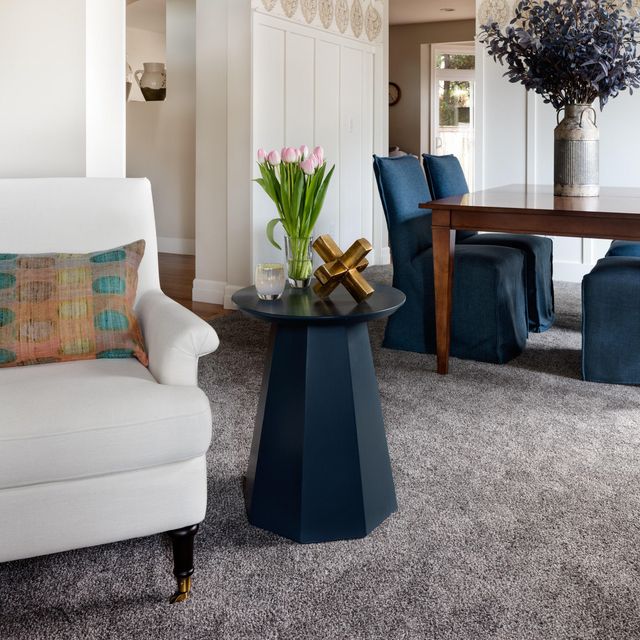
Warm taupe, oatmeal, sand, cream, mushroom and softly mottled neutrals can provide a sophisticated foundation while allowing furniture, artwork and textiles to evolve.
Before ordering, look at large samples inside the actual room.
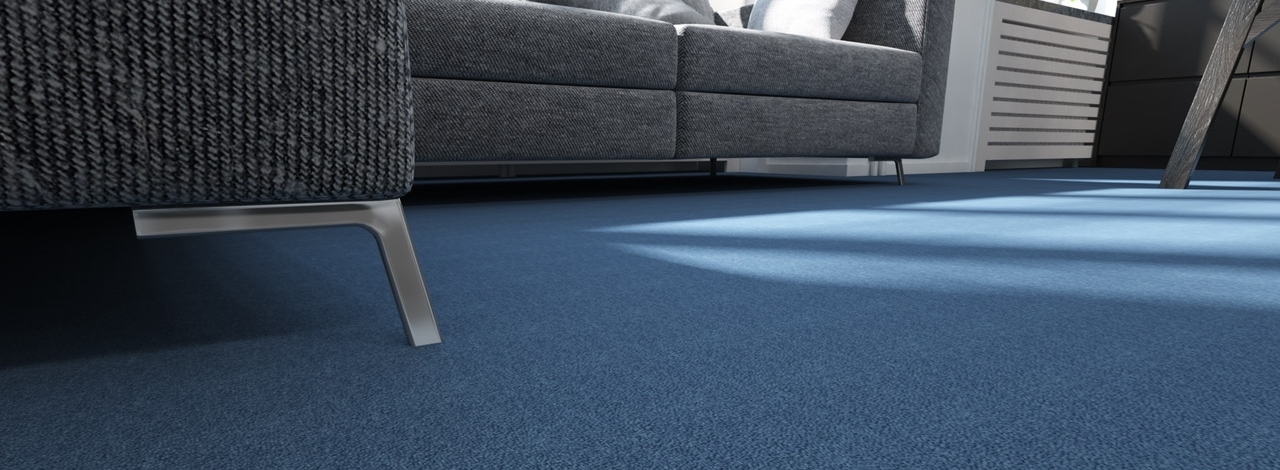
Natural daylight, lamps, wall colors and surrounding finishes can dramatically alter how a carpet reads. A sample that appears creamy in a showroom might become yellow beside cool white walls, while a gray carpet can take on blue or green undertones in another environment.
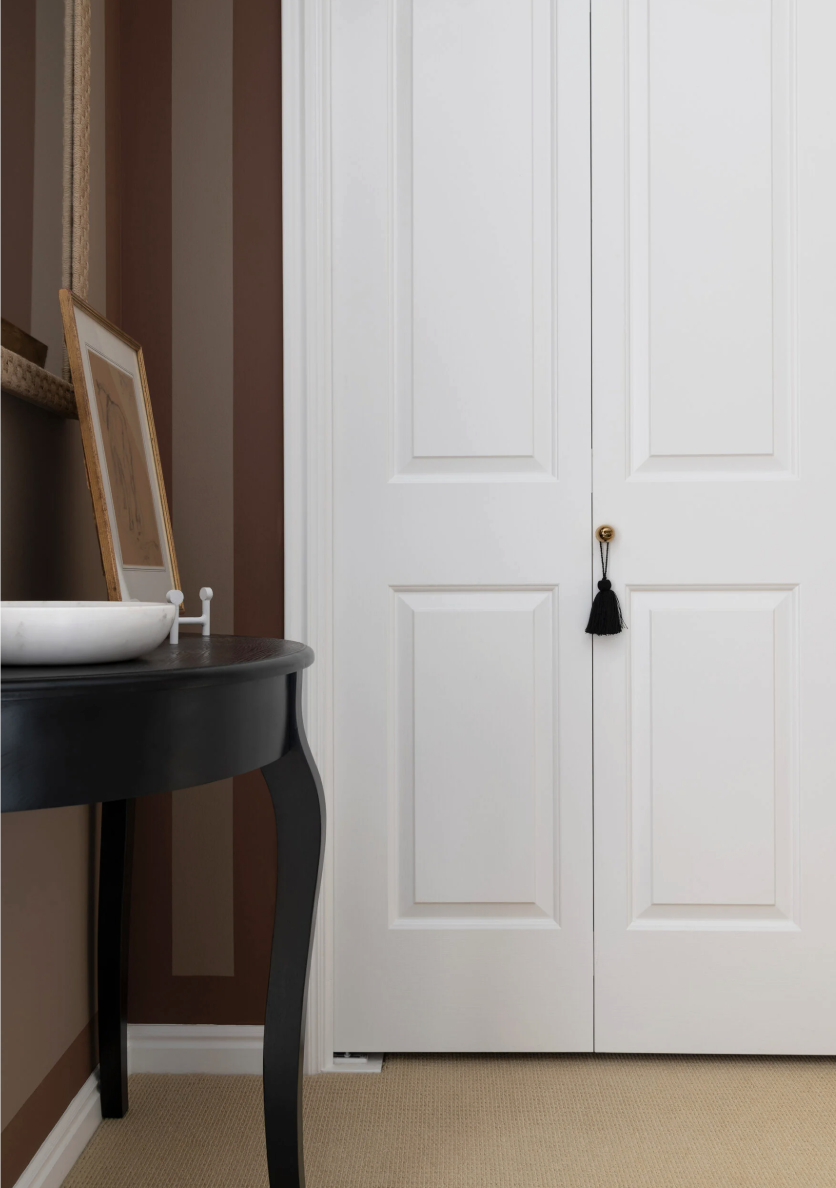
Steven Gurowitz, CEO of Interiors by Steven G, has spent decades designing residential, hospitality and commercial interiors. His firm's portfolio demonstrates the importance of approaching finishes as components of a complete composition rather than isolated decorating decisions.
That principle is particularly relevant to flooring: carpet should connect visually with upholstery, millwork, wall treatments and furniture instead of appearing to have been selected independently.
Installation Can Make an Affordable Carpet Look More Expensive
Even an excellent carpet can look disappointing when poorly installed.
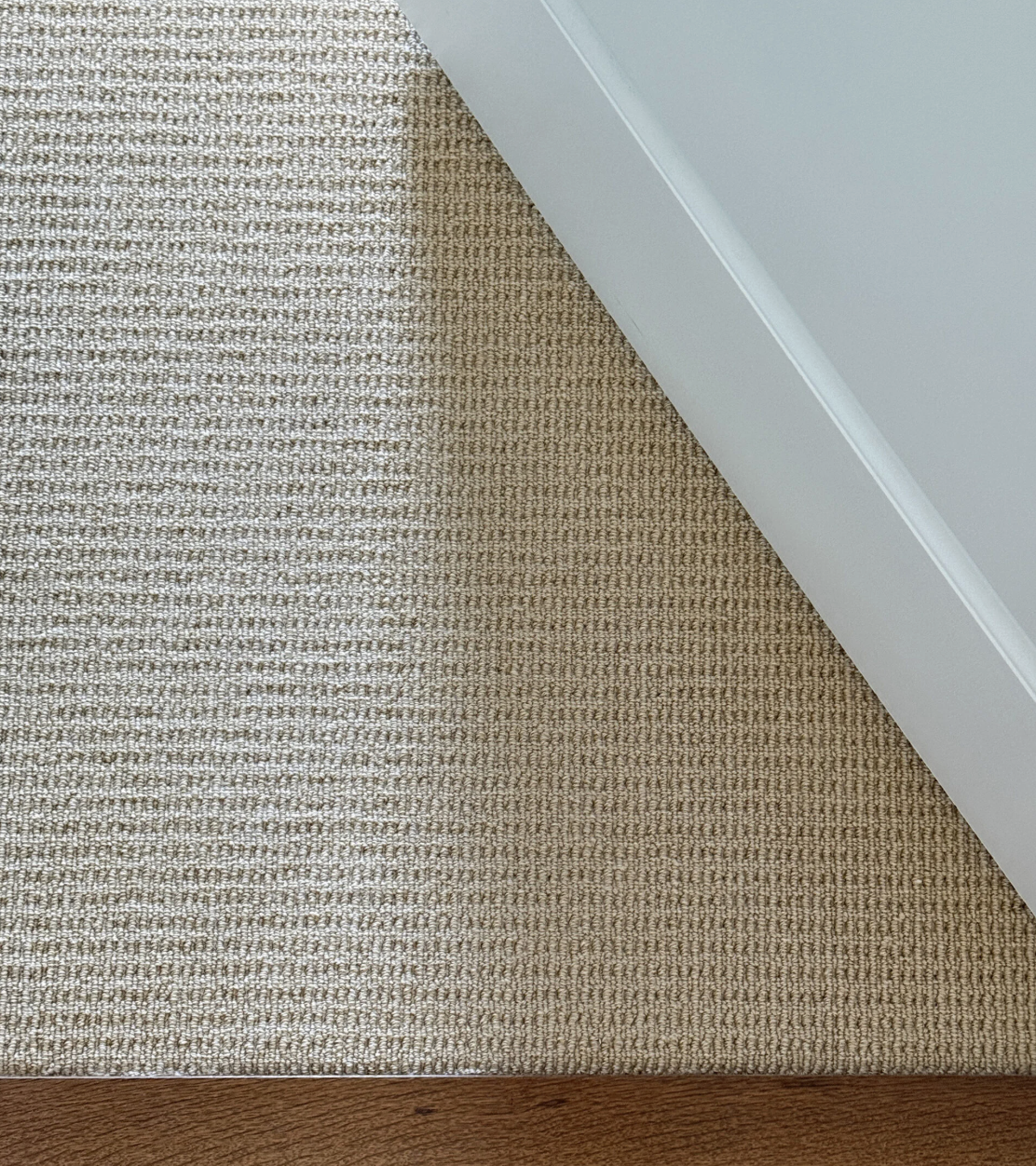
Transitions deserve particular attention. Where carpet meets hardwood, tile or stone, the connection should appear clean and deliberate. Awkward height changes, visible seams and poorly finished edges immediately reduce the sense of quality.
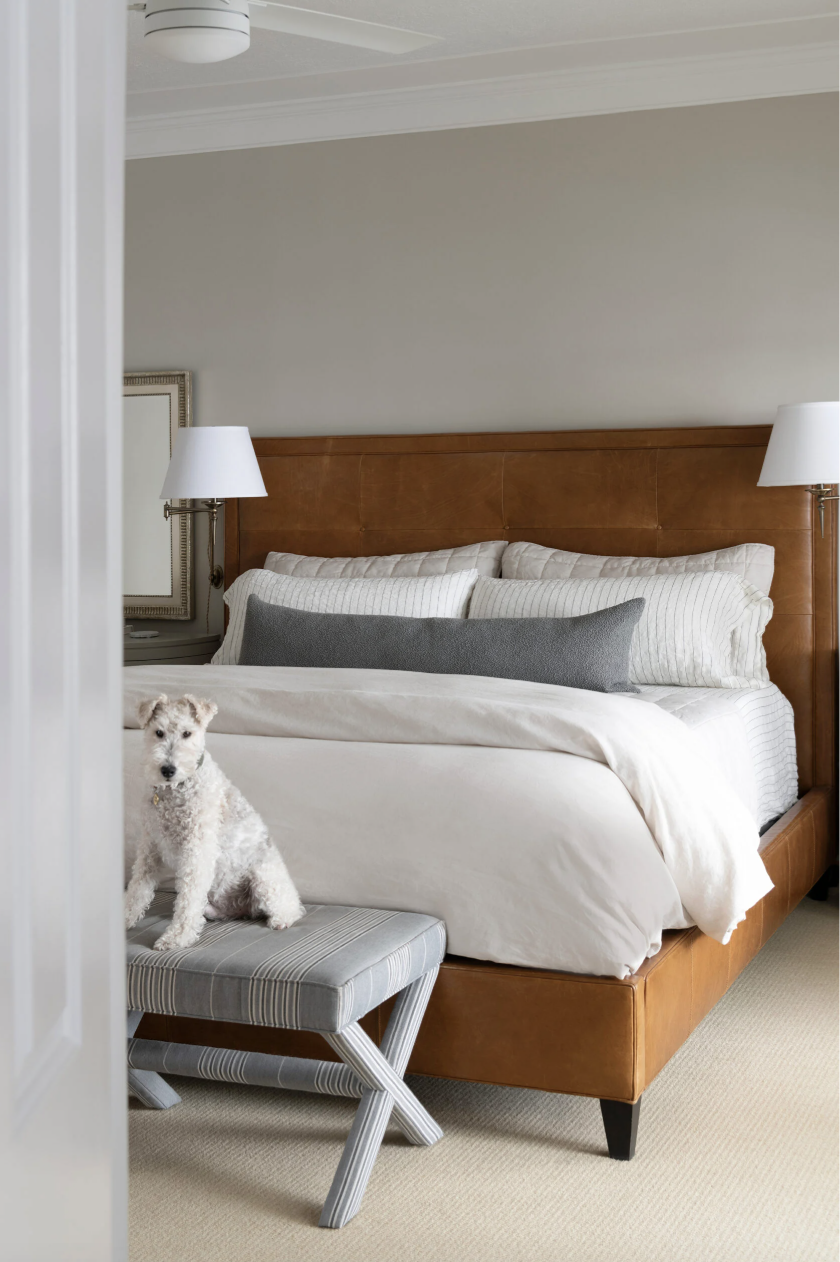
Patterned carpet demands even greater precision because misalignment becomes easy to notice.
There are also alternatives to conventional wall-to-wall installation. Broadloom carpet can sometimes be cut to fit a room and finished with a bound edge, producing something closer to an oversized custom rug.
This approach allows portions of beautiful flooring to remain visible while still delivering much of the warmth and acoustic softness associated with carpet.
Yes, You Can Layer an Area Rug Over Carpet
A rug over carpet can look sophisticated when the layers have distinct roles.
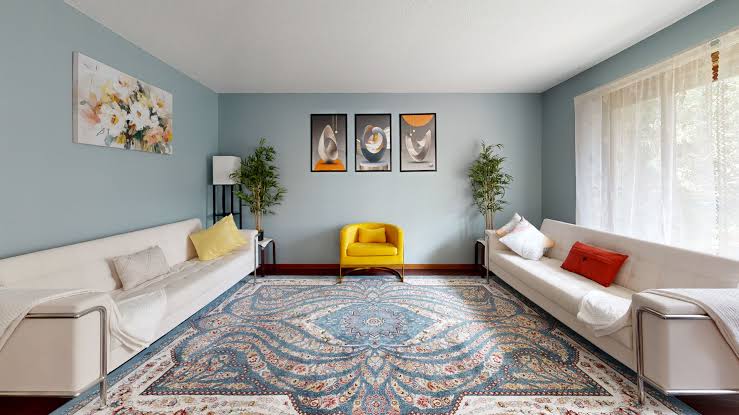
The wall-to-wall carpet should generally function as the quieter foundation. The area rug can then introduce stronger color, pattern, craftsmanship or visual definition.
Contrast helps.
A patterned handmade rug, for example, can create a focal point over restrained carpeting. Similarly, a rug with a noticeably different weave prevents the two surfaces from visually merging.
Scale is equally important. A tiny rug floating in the center of a carpeted room can feel accidental. Size it according to the furniture arrangement, just as you would over hardwood.
Use an appropriate rug pad or anchoring method to minimize movement and rippling.
Think About Longevity Before Following a Trend
Replacing an accent pillow is easy. Replacing carpeting throughout several rooms is not.
That makes permanent flooring a poor place to chase every emerging design trend.
Consider whether you could comfortably live with the color and pattern after changing your bedding, paint, furniture or window treatments. If the carpet only works with today's exact decorating scheme, it may be too restrictive.
Longevity doesn't require choosing something boring. Texture, quality materials and nuanced colors can provide character while remaining flexible.
Maintenance also contributes directly to longevity. Regular vacuuming, quick attention to spills and periodic professional cleaning can prevent otherwise attractive carpeting from looking prematurely tired.
The Best Carpet Should Feel Intentional
The return of wall-to-wall carpet isn't really about reviving an old trend. It reflects a broader shift toward interiors that prioritize comfort, texture and livability alongside appearance.
A successful carpeted room should make you feel that the flooring was deliberately chosen for that particular space.
Consider material, pile, color, architecture, traffic and surrounding furnishings together. When those elements align, wall-to-wall carpet can feel every bit as considered as hardwood, stone or tile—and considerably more comfortable underfoot.
Frequently Asked Questions
Is wall-to-wall carpet outdated?
No. Wall-to-wall carpet can look contemporary or timeless when the material, color, texture and installation complement the architecture and furnishings. Problems usually arise when carpeting is treated as a default flooring option rather than an intentional design choice.
What rooms are best for wall-to-wall carpet?
Bedrooms, nurseries, dressing rooms, walk-in closets, upstairs lounges and family rooms are strong candidates. These spaces particularly benefit from softness, warmth and improved acoustics.
What carpet colors look the most timeless?
Warm, adaptable neutrals such as oatmeal, taupe, sand, cream and mushroom are generally easier to integrate into changing interiors. Always test a large sample in the room because lighting and surrounding finishes can significantly affect undertones.
Can you put an area rug over wall-to-wall carpet?
Yes. Layering can add pattern, color and definition to a carpeted room. For the strongest result, pair relatively restrained wall-to-wall carpeting with an area rug that offers noticeable contrast in pattern, color or texture.
Is wool carpet worth considering?
Wool is popular in higher-end interiors because it offers softness, resilience and a naturally refined appearance. However, budget, traffic, maintenance requirements, children and pets should all factor into the decision. Quality blends and performance fibers may be more practical for some households.