


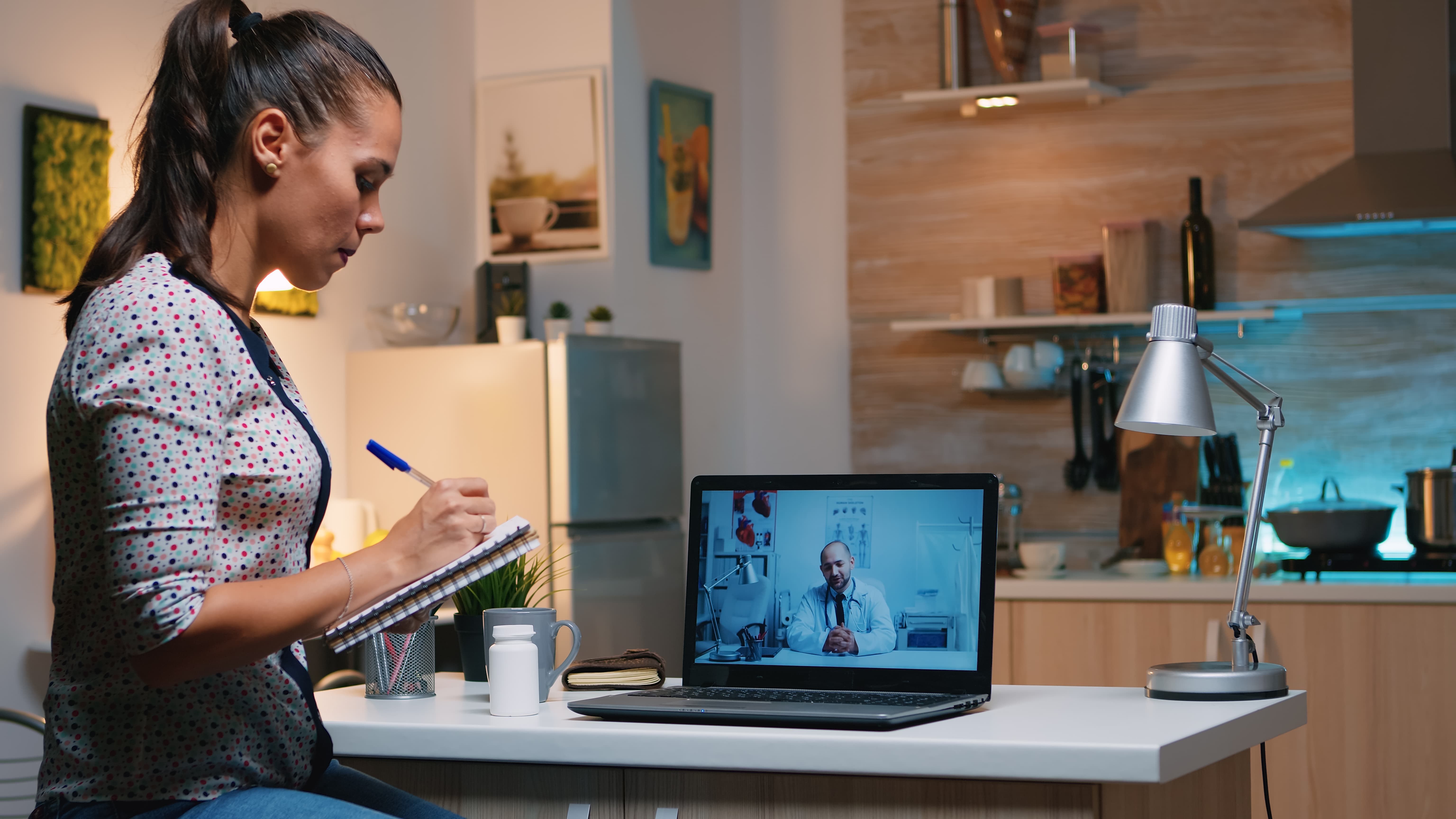
Healthcare providers have always had to balance patient care with documentation. Today, electronic health records, detailed clinical notes, and growing administrative requirements can make that balance even more challenging. Providers may finish their patient appointments but still have hours of documentation waiting to be completed.
Virtual scribes offer a practical way to address this challenge. By providing remote documentation support, they can help healthcare professionals manage clinical records more efficiently while keeping their attention focused on patients. For practices looking to improve daily workflows, virtual scribe support can become an important part of modern healthcare operations.
Why Medical Documentation Is So Important
Clinical documentation creates a detailed record of a patient's care. It may include medical history, symptoms, examination findings, diagnoses, treatment plans, medications, and follow-up instructions.
Accurate documentation supports communication between healthcare professionals and helps maintain continuity of care. It can also support appropriate billing and other administrative processes.
However, creating these records takes time. Providers who document everything themselves may need to divide their attention between the patient and the EHR. This can make appointments feel more administrative and leave additional work for the end of the day.
How Virtual Medical Scribe Services Support Providers
Virtual Medical Scribe Services provide remote assistance with clinical documentation according to a healthcare practice's established workflow. A virtual scribe may help organize information from patient encounters, prepare notes, and enter appropriate information into the EHR for provider review.
The provider remains responsible for reviewing the documentation and making any necessary corrections before finalizing the record. This allows the scribe to handle appropriate administrative documentation tasks while the clinician maintains control over the final medical record.
For busy practices, this division of responsibilities can make documentation more manageable.
Giving Providers More Time With Patients
Patient interaction is at the center of healthcare. Providers need to listen carefully, understand concerns, explain treatment options, and answer questions.
When clinicians spend much of an appointment typing information into an EHR, their attention can be divided. A virtual scribe can help reduce some of that documentation burden.
With appropriate support, providers may be able to focus more closely on conversations and clinical decision-making while documentation is prepared in the background.
Reducing After-Hours Documentation
One of the biggest challenges for busy providers is finishing notes after the clinical day ends.
A full schedule can leave very little time between appointments for detailed documentation. As unfinished notes accumulate, providers may have to stay late or complete records at home.
Virtual scribe support can help reduce this backlog by assisting with documentation throughout the provider's workflow.
Although providers still need to review and approve their notes, having documentation prepared can reduce the amount of work required to complete each record.
Supporting EHR Workflows
Electronic health records are central to modern medical practices, but they can also require extensive data entry.
Different EHR systems have different templates, fields, workflows, and documentation requirements. Providers may also have personal preferences for how their notes are structured.
A trained virtual scribe can become familiar with these requirements and support the practice's existing workflow.
Rather than forcing providers to change their entire documentation process, the scribe can work within the systems and procedures already being used.
Improving Documentation Consistency
Consistency can make clinical records easier to review and manage.
Virtual scribes can follow established templates, provider preferences, and documentation procedures. This can help create a more standardized approach to preparing notes.
However, consistency should never replace accuracy. Providers should always review the documentation to confirm that it correctly reflects the patient encounter and their clinical decisions.
Supporting Different Medical Specialties
Documentation requirements can vary significantly between specialties.
Primary care, cardiology, orthopedics, behavioral health, dermatology, and other specialties may use different terminology and documentation structures.
A virtual scribe should be able to adapt to the practice's specialty and workflow. Familiarity with relevant terminology and EHR processes can make the transition smoother and reduce the amount of training required.
Combining Human Support With Technology
Technology continues to change how medical documentation is completed. EHR systems, digital templates, voice tools, and AI-assisted documentation platforms can all contribute to more efficient workflows.
However, technology alone may not address every documentation challenge.
Human virtual scribes can provide context, follow provider-specific preferences, and adapt to changing workflows. Practices may increasingly combine human expertise with technology to create documentation processes that are both efficient and flexible.
Protecting Patient Information
Virtual documentation involves access to sensitive healthcare information, so security should be carefully considered.
Practices should evaluate how remote staff access patient records, how information is transmitted, and what controls are used to protect it. Secure systems, appropriate permissions, confidentiality procedures, and staff training should be part of the workflow.
A remote scribe should operate within the practice's established privacy and security requirements.
Choosing the Right Scribe Service
When evaluating a virtual scribe provider, healthcare organizations should consider experience, EHR familiarity, specialty knowledge, communication processes, availability, security practices, and training.
It is also important to define responsibilities before implementation. Clear instructions about documentation style, templates, communication, and provider review can help the relationship work effectively.
The Bottom Line
Virtual scribes are becoming an increasingly useful part of modern healthcare workflows. They can help reduce documentation workloads, support EHR processes, and give providers more time to concentrate on patient interactions.
With the right training, security measures, and provider oversight, Virtual Medical Scribe Services can provide flexible documentation support without requiring a physical scribe in the office.
As healthcare continues to adopt new technologies and workflows, virtual scribes can remain a valuable bridge between clinical care and the administrative work required to document it accurately.


Electronic health records (EHRs) help medical practices store patient information, document visits, and coordinate care. However, maintaining these records takes time and attention. Physicians must