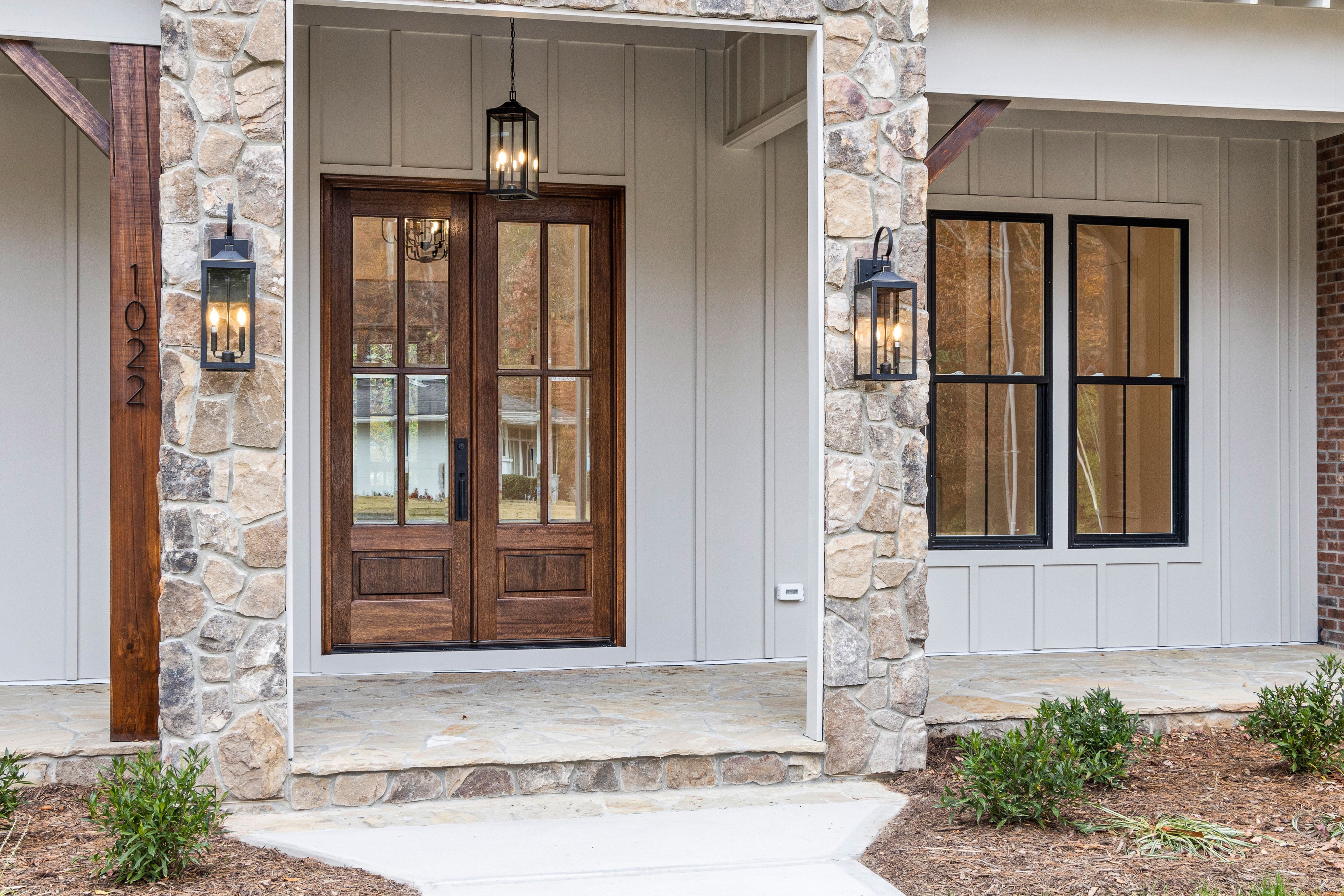
How to Choose the Right Exterior Door for Your Home
Exterior doors do more than provide an entrance to your home. They contribute to security, energy efficiency, weather protection and curb appeal. Whether you're replacing an aging front door or upgrading your patio entrance, choosing the right material and style can make a noticeable difference.
With options ranging from traditional wood to low-maintenance fiberglass and durable steel, finding the best exterior door depends on your budget, climate and design preferences.
This guide covers the most popular exterior door types, their advantages and the important features to consider before buying.
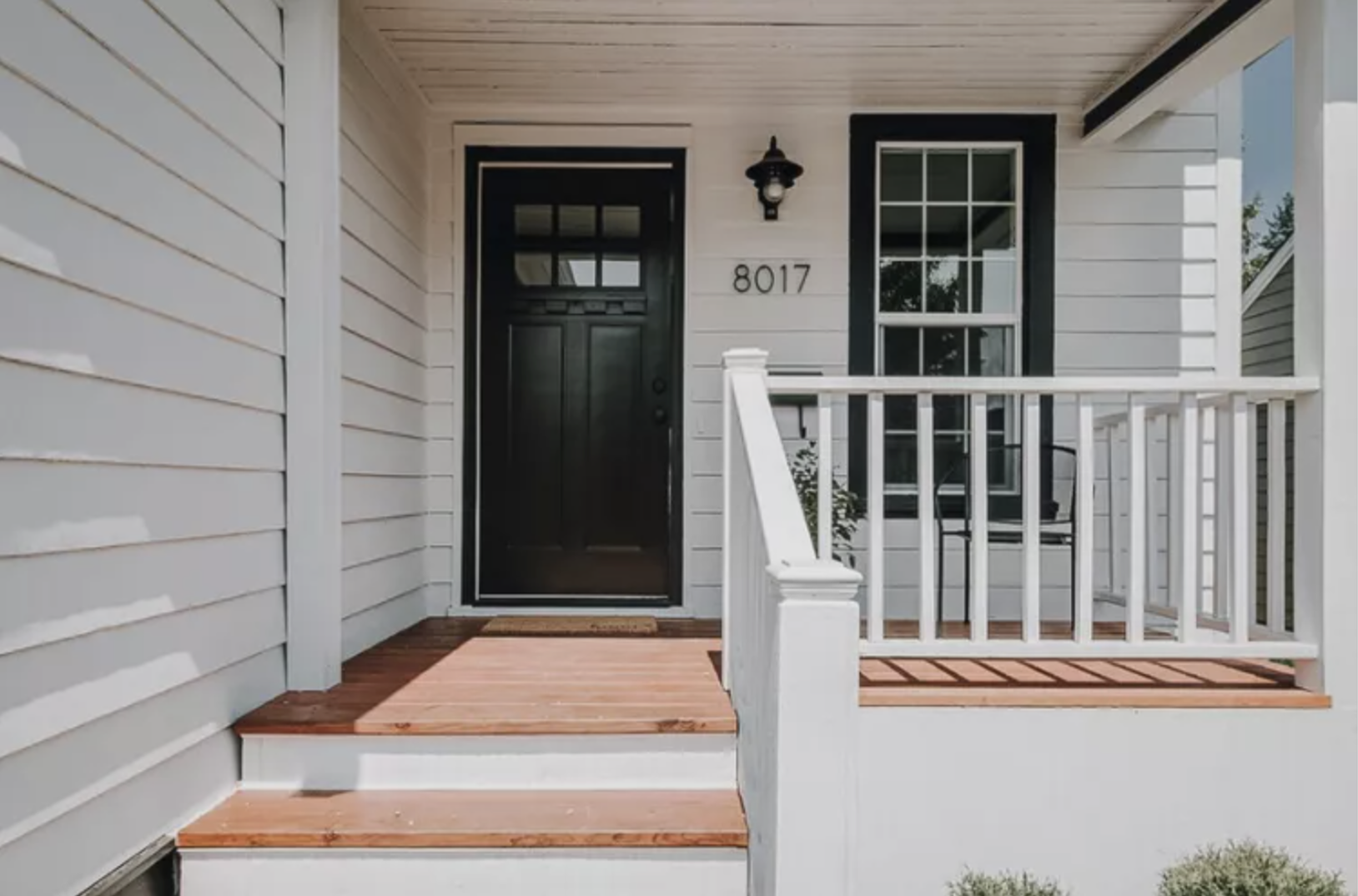
1. Fiberglass Exterior Doors
Fiberglass doors are a practical choice for homeowners who want durability without extensive maintenance. They resist moisture, warping and rotting, making them suitable for many climates.
Many fiberglass doors feature insulated cores and realistic woodgrain finishes, offering the appearance of natural wood with less upkeep.
Best for: Homeowners seeking energy efficiency, durability and minimal maintenance.
2. Steel Exterior Doors
Steel doors are popular for their strength, security and affordability. They typically feature insulated cores that help reduce heat transfer while providing a sturdy entrance.
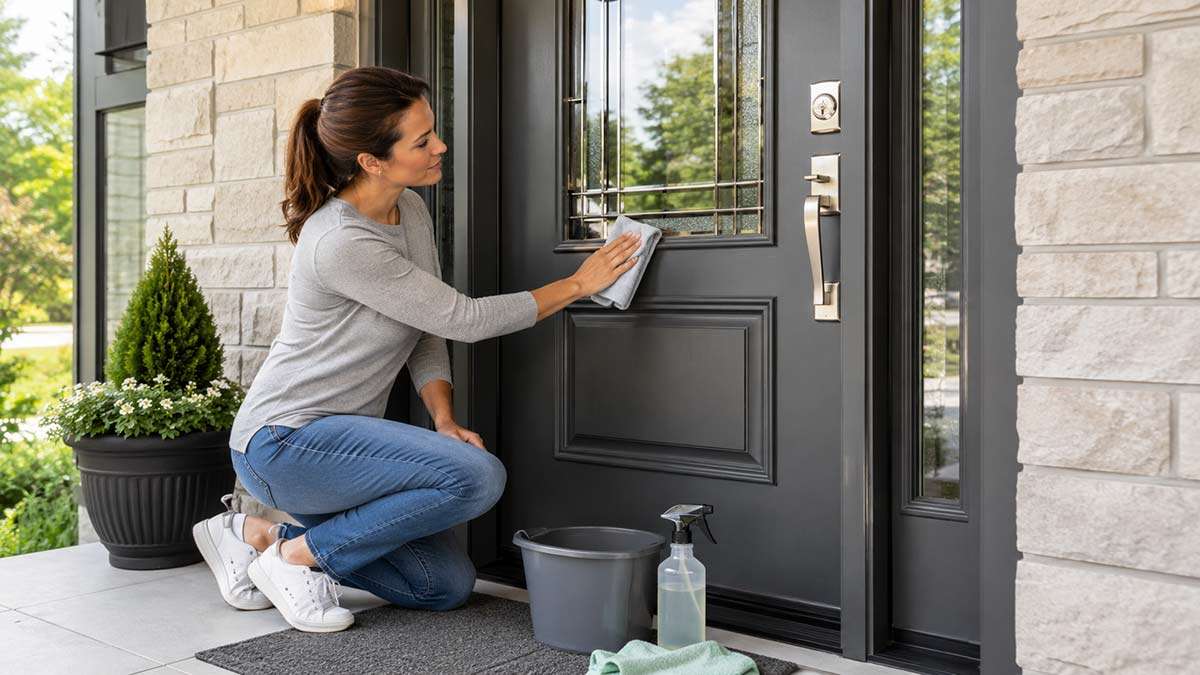
However, steel doors can dent, and damaged protective finishes may expose the material to rust.
Best for: Homeowners prioritizing security, durability and cost-effectiveness.
3. Wood Exterior Doors
Wood doors provide a timeless appearance that complements traditional, Craftsman and luxury homes. They can be customized with decorative panels, glass inserts and distinctive finishes.
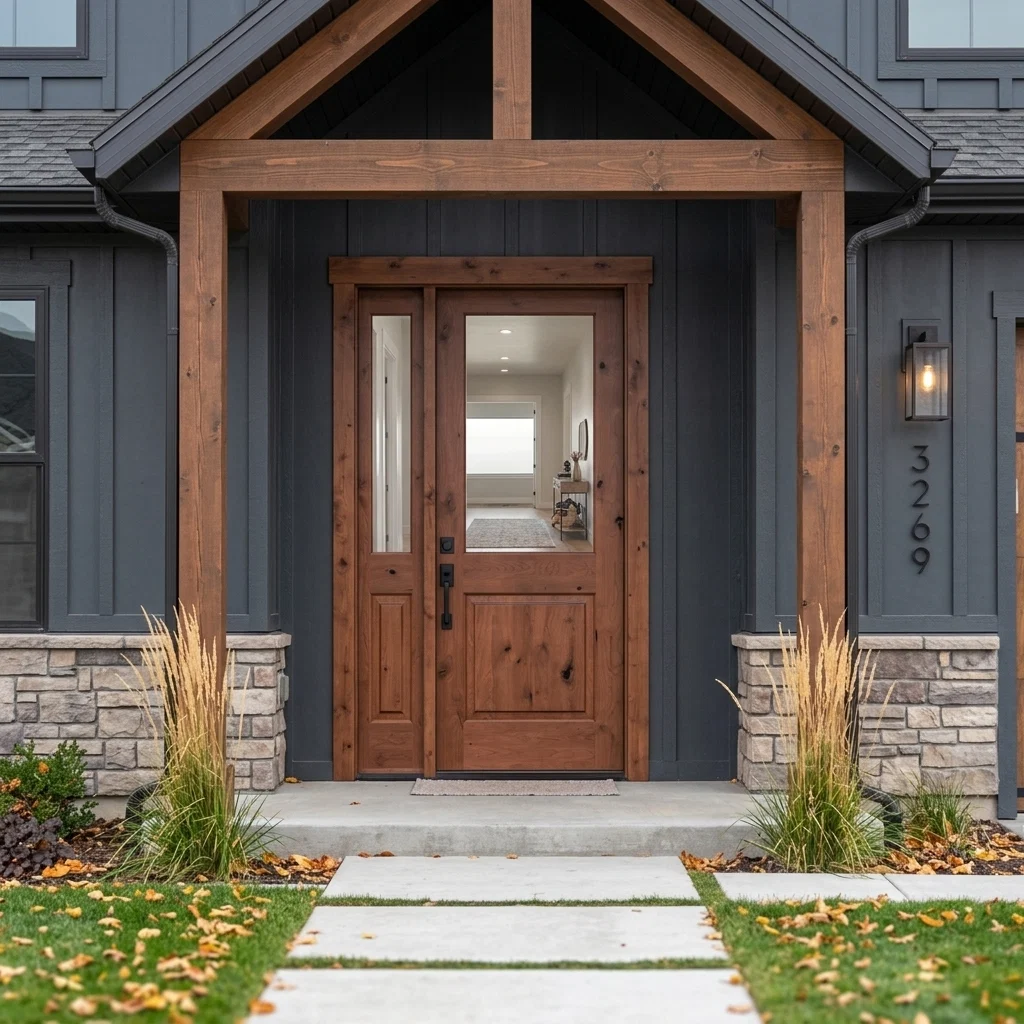
Their main disadvantage is maintenance. Wood requires periodic refinishing and protection against moisture and sunlight.
Best for: Homeowners who value natural materials, craftsmanship and architectural character.
4. Glass Exterior Doors
Glass doors allow natural light into the home while creating an open, inviting atmosphere. They are especially popular for patios, balconies and modern entryways.
Energy-efficient glazing and durable frames can help improve insulation, while frosted or textured glass provides additional privacy.
Best for: Homes where natural lighting and outdoor views are priorities.
5. French Doors
French doors feature two hinged panels that create an elegant, spacious entrance. They are commonly installed between living rooms and patios or gardens.
Their classic appearance suits many architectural styles, although sufficient clearance is necessary for the doors to swing.
Best for: Homeowners seeking a traditional design and convenient outdoor access.
6. Sliding Patio Doors
Sliding doors move horizontally along tracks, making them ideal for areas where swinging doors would take up valuable space.
Large glass panels provide outdoor views and natural light. Homeowners should compare track quality, locking mechanisms and weather sealing when selecting a model.
Best for: Smaller spaces, patios and contemporary homes.
7. Storm and Security Doors
Storm doors provide an additional barrier against weather exposure, while security doors are designed to strengthen entryway protection.
Some storm doors include interchangeable screens that allow ventilation during warmer months. Security doors may feature reinforced frames, durable mesh and heavy-duty locks.
Best for: Homeowners looking for additional weather protection, ventilation or security.
What Should You Look for When Buying an Exterior Door?
Beyond material and appearance, several features influence how well an exterior door performs.
Energy efficiency: Look for insulated cores, effective weatherstripping and appropriate U-factor ratings to help minimize unwanted heat transfer.
Weather resistance: Choose materials and finishes suited to your climate, particularly if the entrance receives direct sunlight, heavy rain or coastal exposure.
Security: Evaluate the frame, locking hardware, hinges and overall installation rather than relying on door material alone.
Maintenance: Fiberglass and steel generally require less upkeep than natural wood, although every door benefits from routine inspection and cleaning.
Professional installation: Proper measurements, alignment and sealing are essential for preventing drafts, water intrusion and operational problems.
Why Professional Exterior Door Installation Matters
Even a high-quality exterior door can underperform when improperly installed. Gaps around the frame, inadequate weatherstripping and poor alignment may compromise comfort, security and durability.
Louis Jammer IV, Vice President at Jammer Doors, brings an industry perspective from a company specializing in residential and commercial door products and services. When choosing a replacement, homeowners should consider the complete door system, including the frame, threshold, hardware and installation requirements.
Similarly, Tom Orr, CEO at Northwest Exteriors, represents a company focused on exterior home improvements, including replacement doors and windows. Selecting materials suited to the property's climate and ensuring proper installation can help homeowners get better long-term performance from their investment.
Working with experienced professionals can also help homeowners identify whether they need a complete door-and-frame replacement or a simpler upgrade.
How Much Should You Spend on an Exterior Door?
Exterior door prices depend on material, size, design, hardware and installation complexity.
Basic steel doors are often among the more affordable options, while fiberglass offers a balance between price, appearance and durability. Premium wood doors and custom glass systems typically require larger budgets.
When comparing estimates, consider more than the initial purchase price. Maintenance requirements, energy performance, warranty coverage and installation quality can influence long-term value.
Final Thoughts
The best exterior door is one that complements your home's architecture while meeting your needs for security, insulation and durability.
Fiberglass offers a versatile, low-maintenance solution, steel provides strength at competitive prices, and wood delivers classic appeal. French, sliding and glass doors are excellent choices for improving access to outdoor living spaces.
Before making a final decision, compare materials, assess weather exposure and consult a qualified installer. A carefully selected exterior door can enhance both the appearance and everyday functionality of your home for years to come.
Frequently Asked Questions About Exterior Doors
What is the best material for an exterior door?
Fiberglass is one of the best all-around choices because it offers durability, energy efficiency and low maintenance. Steel is ideal for homeowners prioritizing security and affordability, while wood provides a classic appearance and greater customization options.
Which exterior door is the most energy-efficient?
Insulated fiberglass and steel doors can provide excellent energy efficiency. Look for low U-factor ratings, quality weatherstripping and ENERGY STAR certification to help reduce heat transfer and drafts.
How long do exterior doors typically last?
A well-maintained exterior door can last 20 to 30 years or longer, depending on its material, installation quality and exposure to weather. Regular maintenance can help extend its lifespan.
Are fiberglass doors better than steel doors?
Fiberglass doors generally offer better resistance to dents, moisture and corrosion. Steel doors provide strength and are often more affordable. The better choice depends on your climate, security requirements and budget.
What type of exterior door requires the least maintenance?
Fiberglass doors are among the lowest-maintenance options. They resist rotting, warping and moisture damage and typically require only occasional cleaning and hardware inspections.
Should I replace the door frame when installing a new exterior door?
Not always. If the existing frame is structurally sound, properly aligned and compatible with the replacement door, it may be reusable. However, damaged, warped or deteriorating frames should generally be replaced to ensure proper sealing and security.
Can replacing an exterior door increase home value?
Yes. A new exterior door can improve curb appeal, functionality and perceived security. Energy-efficient models may also appeal to potential buyers, although the return on investment varies by property and market.
Is professional exterior door installation worth it?
Professional installation is generally recommended because proper alignment, weatherproofing and secure attachment are essential for long-term performance. Incorrect installation can lead to drafts, water leaks, sticking doors and security concerns.


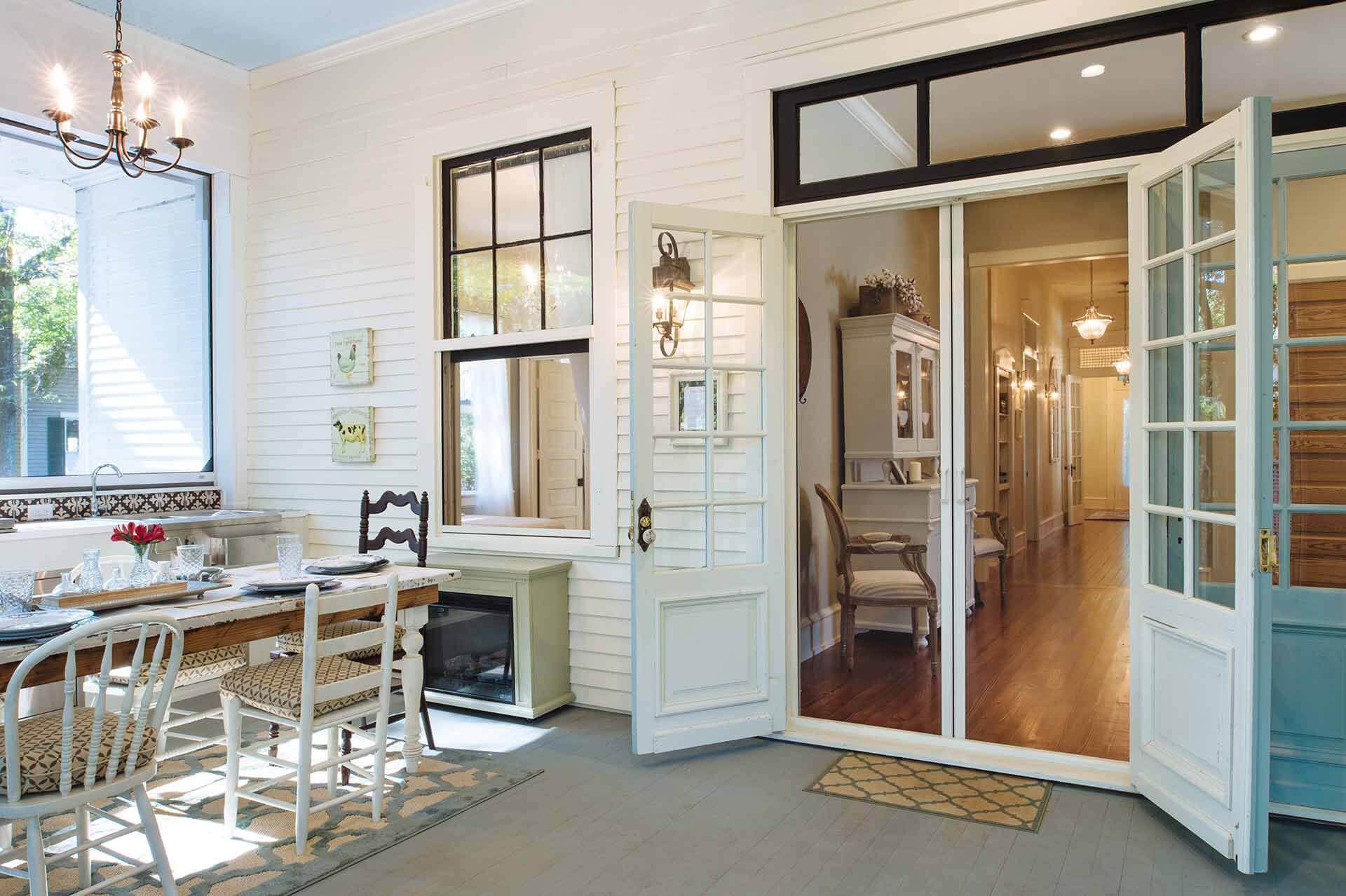
But before you choose patio doors, you need to know that you need a repair or replacement?
Here in this article, we will answer your every question.Patio Doors are one of the most used doors during summer months when people are enjoying some time outside on deck or patio.
They are available in a variety of styles and treatments for patio doors of your home.Firstly!
You Need A Replacement Or Repair?For everyone broken, Patio Door is a potential Safety & Security risk, an eyesore, and responsible for temperature fluctuation at home.When determining whether to replace or repair your home patio door, then keep the condition of the complete door into consideration.
The most obvious form of damage is crack or chip in the glass of patio door; there are more signs you need to observe like IGUs which appear cloudy between the panes are the signs of failing seals.Some other patio door replacement and repair elements include:Small wear and tear on the hardware & door frame.A new lock is required or reset the track of the door; this can be repaired.If the door has longer structural damage or warped, then it's time to replace the door.Always remember that if it's the individual component of the patio door that expected to replace or repair.
But if there are multiple components that are broken, then it's time to upgrade your door.Choose the door which is perfect for your homeThere are three types of patio doors you need to determine what patio door style is good for your home:Sliding Patio Doors (SPD)It is a popular style of patio doors because of its ease of use, versatility, affordability, and style.