


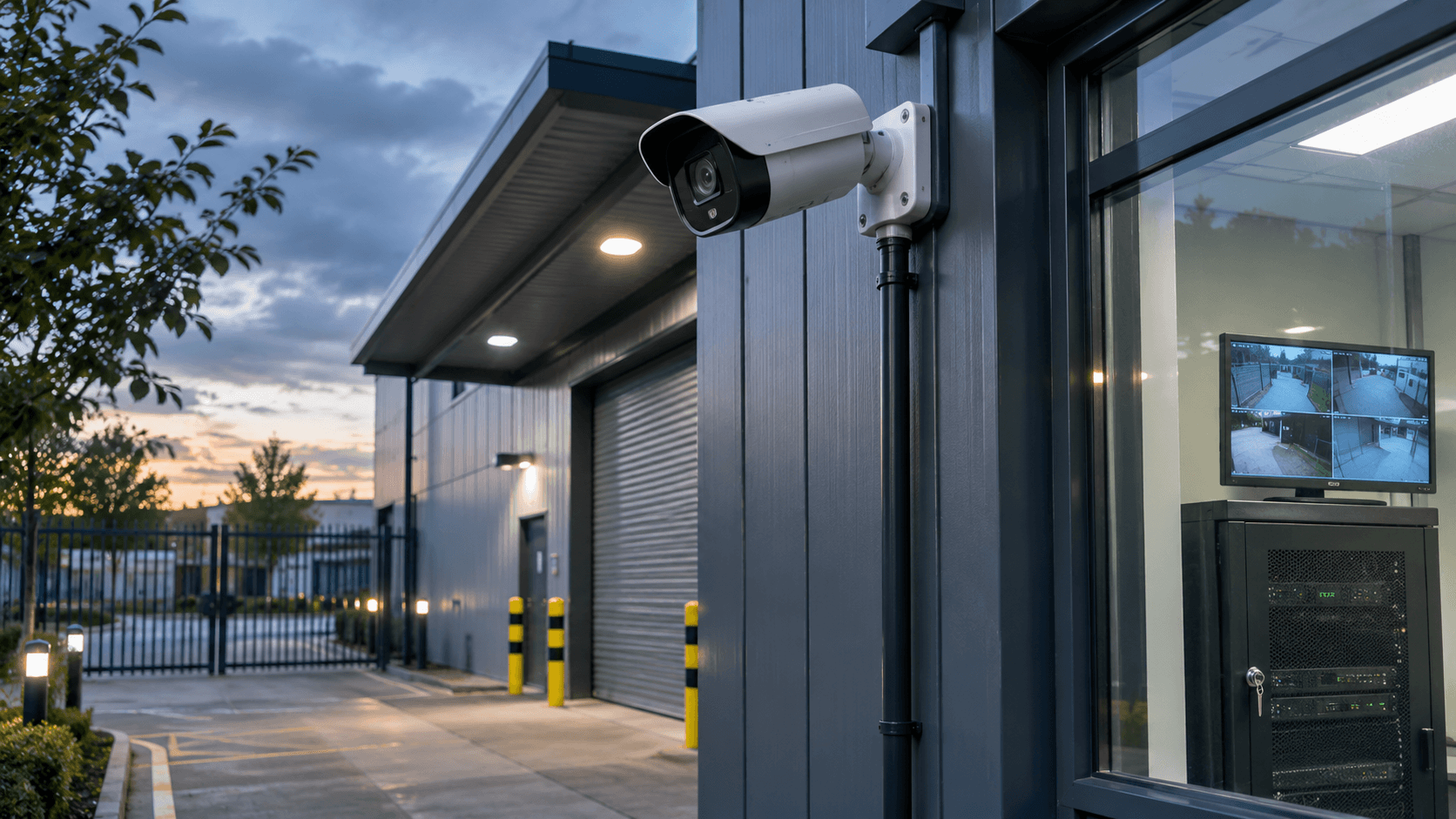
CCTV systems play an essential role in protecting successful businesses, commercial premises and public spaces. From deterring criminal activity to providing valuable evidence following an incident, reliable video surveillance can make a significant difference to overall security. However, while many organisations invest in high-quality cameras and recording equipment, they may overlook the importance of protecting the CCTV systems themselves.
Criminals are increasingly aware that surveillance equipment can be a barrier to their activities. As a result, CCTV cameras, recording devices and supporting infrastructure can become targets for vandalism, interference and unauthorised access.
Understanding the common weaknesses associated with CCTV systems is the first step towards improving protection and ensuring your surveillance equipment continues to perform its intended role.
Why Do Criminals Target CCTV Systems?
CCTV cameras are designed to monitor activity, identify suspicious behaviour and provide recorded evidence when incidents occur. For someone planning criminal activity, surveillance equipment can make it harder to operate without being noticed.
Disrupting or damaging a CCTV system may therefore be an attractive option for criminals seeking to avoid identification.
However, the cameras themselves are not the only potential targets. Recording equipment, network connections, power supplies and poorly secured control areas can also present security concerns.
Businesses should recognise that protecting CCTV infrastructure is just as important as installing cameras in the first place.
1. Poorly Positioned CCTV Cameras
Camera positioning has a significant influence on how effective a surveillance system will be.
Cameras installed in easily accessible locations or without adequate physical protection may be more vulnerable to accidental damage, vandalism or deliberate interference.
Poor positioning can also create blind spots, leaving important areas of a premises without sufficient coverage.
For example, entrances, loading bays, external walkways and vehicle access points may require careful consideration when planning a CCTV installation.
To reduce these risks, businesses should consider:
• Installing cameras at appropriate heights and locations.
• Choosing vandal-resistant camera housings where necessary.
• Ensuring important entrances and vulnerable areas are covered.
• Avoiding unnecessary blind spots.
• Reviewing camera positioning as the premises or surrounding environment changes.
A professional CCTV assessment can help identify weaknesses and recommend suitable improvements.
2. Vulnerable Cabling And Physical Infrastructure
CCTV systems rely on more than cameras alone. They also depend on supporting infrastructure, including power supplies, network connections and cabling.
If these components are poorly protected, they may become vulnerable to accidental damage or deliberate interference.
External cabling, in particular, should be considered during the installation process. Businesses should avoid leaving essential connections unnecessarily exposed or accessible.
Protective conduit, secure cable routes and appropriately positioned equipment can help reduce the risk of physical damage.
It is also worth considering the location of network switches, power supplies and other supporting components. Keeping these items within appropriately secured areas can help prevent unauthorised interference.
3. Unsecured Recording Equipment
One of the most important parts of any CCTV installation is the recording equipment.
Whether a business uses a digital video recorder (DVR), network video recorder (NVR) or cloud-based recording service, footage needs to be stored securely and remain accessible to authorised personnel.
If recording equipment is located in an unsecured office, storage cupboard or publicly accessible area, it may be exposed to unnecessary risks.
Businesses should consider placing recording devices in locked, access-controlled locations. Access should be restricted to individuals who have a legitimate operational requirement.
Where appropriate, secure off-site or cloud-based backup arrangements can provide additional resilience if local recording equipment is damaged or unavailable.
4. Weak Passwords And Unauthorised Digital Access
Modern CCTV systems increasingly rely on internet connectivity, remote monitoring and digital management software.
While these features offer convenience, they also introduce cybersecurity considerations.
Weak passwords, outdated software and poorly managed user accounts can increase the risk of unauthorised access.
Businesses should take a proactive approach to protecting their CCTV networks by:
• Using strong, unique passwords for system accounts.
• Changing default login credentials during installation.
• Enabling multi-factor authentication where supported.
• Keeping firmware and software updated.
• Restricting access to authorised users.
• Reviewing user permissions regularly.
It is also advisable to separate CCTV equipment from other business networks where appropriate. This can help limit the potential impact of a security incident affecting another part of the organisation's IT infrastructure.
5. Inadequate Maintenance And Monitoring
Even a well-designed CCTV system can become less effective without regular maintenance.
Cameras may develop faults, recording devices can experience technical problems and network connections may become unreliable.
Unfortunately, businesses do not always discover these issues until they need to review footage following an incident.
Regular inspections can help identify problems before they affect the reliability of the system.
Maintenance checks should include:
• Confirming that cameras are operating correctly.
• Checking image quality and camera positioning.
• Reviewing recording functionality.
• Checking storage capacity and footage retention.
• Inspecting physical equipment and connections.
• Confirming that remote viewing features work as intended.
Where possible, system health monitoring should also be used to identify unexpected camera outages or recording failures.
How Can Businesses Make Their CCTV Systems More Secure?
Protecting CCTV equipment requires a combination of physical security, cybersecurity and ongoing maintenance.
Businesses should begin by reviewing their existing surveillance arrangements and identifying areas where equipment, recordings or network connections could be vulnerable.
Upgrading older cameras, improving physical protection and securing recording devices can all contribute to a more resilient system.
It is equally important to ensure that CCTV security forms part of a wider business security strategy. Combining surveillance with access control, intruder alarms and appropriate monitoring arrangements can provide a more comprehensive approach to protecting commercial premises.
Staff awareness should not be overlooked either. Employees responsible for managing CCTV equipment should understand access procedures, password requirements and how to report suspicious activity or technical problems.
Protect Your CCTV System Before Criminals Find A Weakness
CCTV systems are an important investment, but their effectiveness depends on more than camera quality and coverage. Poor positioning, exposed infrastructure, unsecured recording equipment and weak cybersecurity practices can all undermine the protection that surveillance is intended to provide.
By understanding how criminals may target CCTV systems, businesses can take practical steps to reduce vulnerabilities and improve the reliability of their security arrangements.
Regular maintenance, professional installation and appropriate system upgrades can help ensure that CCTV equipment continues to provide dependable surveillance when it matters most.
A professional security assessment can help identify potential weaknesses, recommend improvements and ensure your surveillance infrastructure is prepared to meet today's security challenges.