












Having a website for a business is the new normal in the 21st century.
Every year, millions of startups, SMEs, and enterprises worldwide take their business online by launching a website.On the flip side, people across the globe have started searching for a business online.
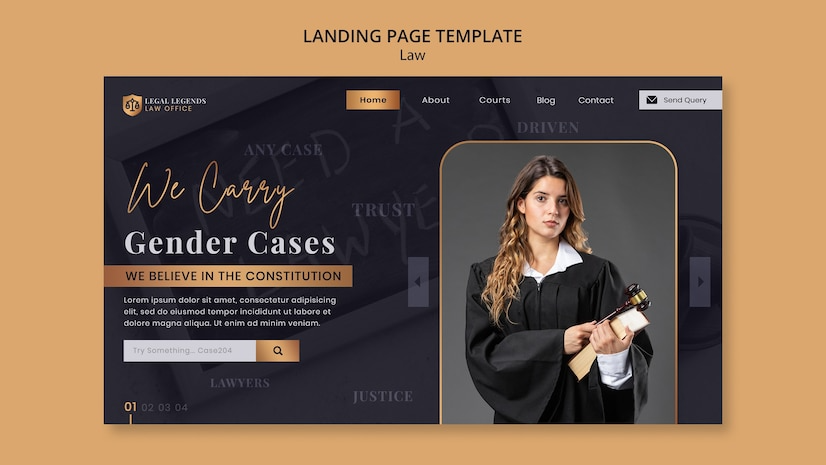
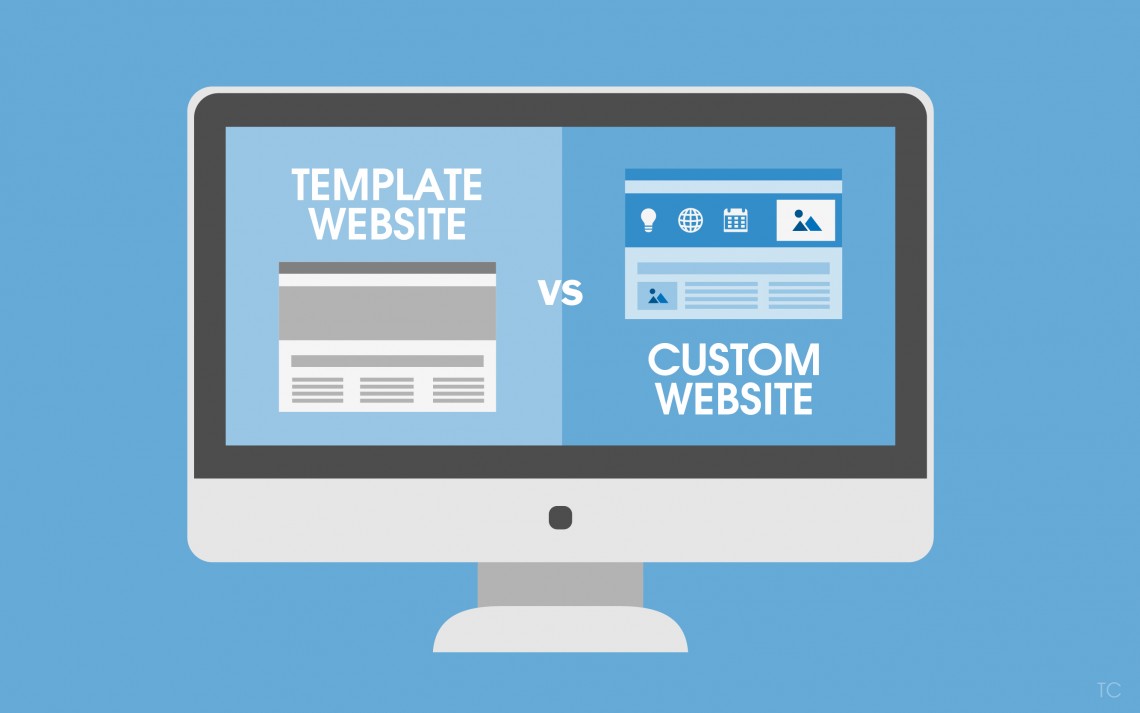
Moreover, they judge the credibility of any business based on its website.Also, a website helps a business to reach the target audience and improve its brand image.Considering the importance of a website, if you have also planned to launch a website, you have to decide many things.Out of which, one of the essential questions that might be hovering in your mind is; whether to choose a template or create a custom website.Here, we have done the hard work for you and listed the pros and cons of templates vs custom-built websites.So, let’s give right in:Template WebsitesA template is mainly a pre-designed theme that displays an extensive layout of the features of any website.
Hence, if you have less budget, then the template is a suitable option.The majority of the coding is already available on the template website.
Due to this, it allows you to establish and launch your site quickly.There are many templates available in the market; hence, you can choose a suitable template for your business.Several modern templates are effectively designed, robust and enable you to do a proper level of customization.A template consists of fixed elements; hence, you can maintain your website effectively.Cons of Template WebsitesThe major drawback is that it lacks originality.
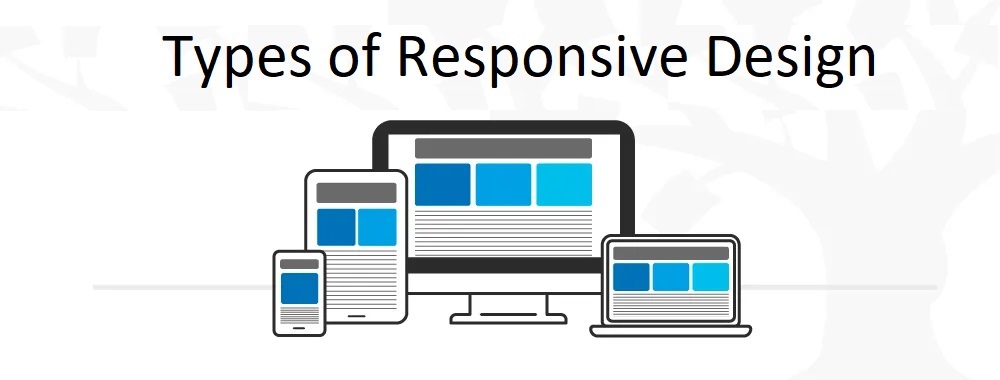
As they are available online, a vast number of businesses might have the same template as you.Even though some amount of customization is available, there is a limitation in graphic design and navigation.The majority of users access the website through mobile, and it means your website needs to be responsive.


Design is that the very first thing that a user observes on any site.
It builds the primary impression of your business within the mind of users.
Therefore, it’s crucial to style your website cautiously.Moreover, the success of a website depends heavily on its design.
Various aspects contribute to the success of the website; among them, usability and utility are most vital.In simple words, a successful website design conveys the core message properly, keeps the users engaged, and urges them to take an action.if you’re getting to design a website for your business or modify an existing one, but if you don’t know what to consider, then you’re unable to design a good website.We have done thorough research and discovered some website design principles that one can apply to any website to form it great.So, let us look at all of them in detail:Define Purpose of the WebsiteYour website should fulfill the requirements of the audience.
With the assistance of CTAs (call to action) and messaging, your website should convey its purpose.As you’re designing a website, you ought to make sure that the purpose of your site is very clear to users.You should know that who is your target audience and their needs to form the purpose of your website.Typography Builds ImpressionYou should make sure that typography isn’t only attractive but also readable across the whole website.Fonts should suit both the placement of text on a page and also the tone of the design.
One general rule of thumb is to utilize a maximum of three fonts on a website.Generally, cursive fonts are useful for decorative purposes, and classic fonts are suitable for giant text blocks.



Having a website for a business is the new normal in the 21st century.
Every year, millions of startups, SMEs, and enterprises worldwide take their business online by launching a website.On the flip side, people across the globe have started searching for a business online.
Moreover, they judge the credibility of any business based on its website.Also, a website helps a business to reach the target audience and improve its brand image.Considering the importance of a website, if you have also planned to launch a website, you have to decide many things.Out of which, one of the essential questions that might be hovering in your mind is; whether to choose a template or create a custom website.Here, we have done the hard work for you and listed the pros and cons of templates vs custom-built websites.So, let’s give right in:Template WebsitesA template is mainly a pre-designed theme that displays an extensive layout of the features of any website.
Hence, if you have less budget, then the template is a suitable option.The majority of the coding is already available on the template website.
Due to this, it allows you to establish and launch your site quickly.There are many templates available in the market; hence, you can choose a suitable template for your business.Several modern templates are effectively designed, robust and enable you to do a proper level of customization.A template consists of fixed elements; hence, you can maintain your website effectively.Cons of Template WebsitesThe major drawback is that it lacks originality.
As they are available online, a vast number of businesses might have the same template as you.Even though some amount of customization is available, there is a limitation in graphic design and navigation.The majority of users access the website through mobile, and it means your website needs to be responsive.
Design is that the very first thing that a user observes on any site.
It builds the primary impression of your business within the mind of users.
Therefore, it’s crucial to style your website cautiously.Moreover, the success of a website depends heavily on its design.
Various aspects contribute to the success of the website; among them, usability and utility are most vital.In simple words, a successful website design conveys the core message properly, keeps the users engaged, and urges them to take an action.if you’re getting to design a website for your business or modify an existing one, but if you don’t know what to consider, then you’re unable to design a good website.We have done thorough research and discovered some website design principles that one can apply to any website to form it great.So, let us look at all of them in detail:Define Purpose of the WebsiteYour website should fulfill the requirements of the audience.
With the assistance of CTAs (call to action) and messaging, your website should convey its purpose.As you’re designing a website, you ought to make sure that the purpose of your site is very clear to users.You should know that who is your target audience and their needs to form the purpose of your website.Typography Builds ImpressionYou should make sure that typography isn’t only attractive but also readable across the whole website.Fonts should suit both the placement of text on a page and also the tone of the design.
One general rule of thumb is to utilize a maximum of three fonts on a website.Generally, cursive fonts are useful for decorative purposes, and classic fonts are suitable for giant text blocks.