



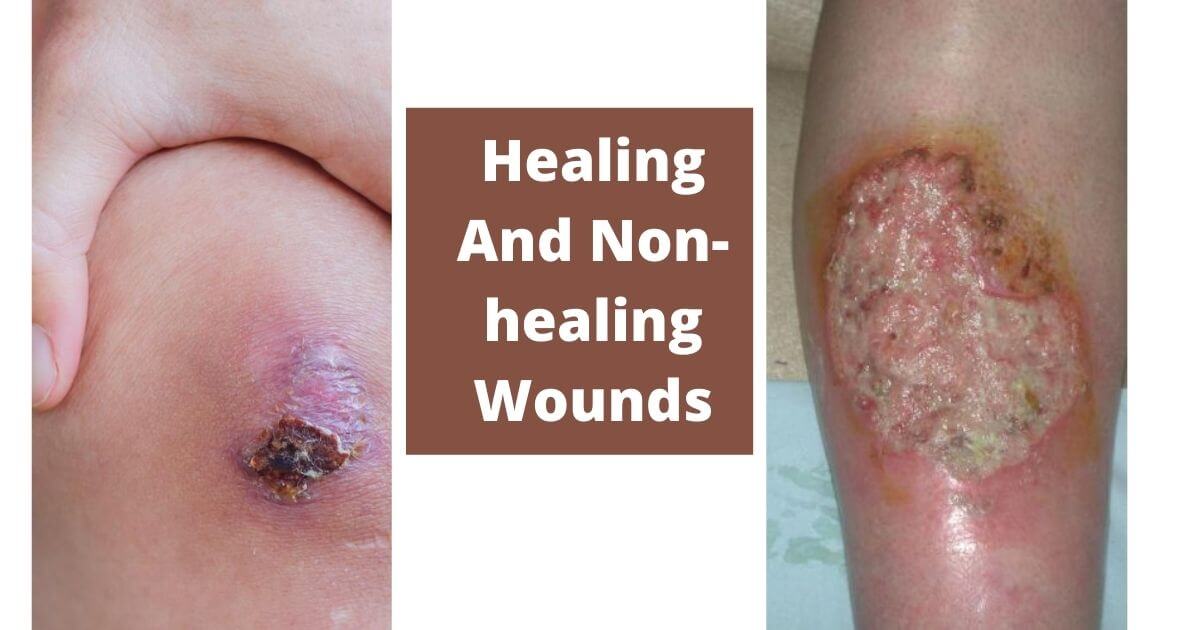
Whenever you experience an injury on any part of your body, your body starts healing itself within a few minutes after its occurrence. It goes through several stages of wound healing. On one hand, where the smaller wounds heal quickly, the large and deep wounds tend to take a longer time. So, it is very essential to be aware of the signs of healing and non-healing wounds. Here are the signs that will help you recognize whether a wound is healing normally:1.

0


5
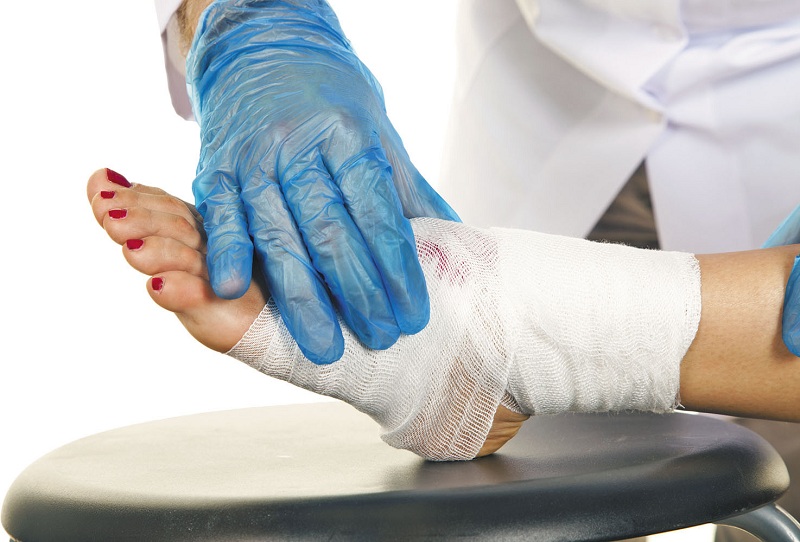
But first, let’s know how a venous leg ulcer occurs. What Causes A Venous Ulcer? For example, people who are bedridden or with sedentary issues often face blood circulation problems. This poor circulation causes additional pressure on the veins, leads to the blood pooling in the veins, and the formation of a small, open wound known as a venous ulcer on the surface of the skin. So, to avoid future complications like infection or amputation due to an underlying condition, it is better to schedule a bedside appointment with a venous ulcer specialist.
0
3
The pandemic outbreak has had a negative impact on the wound care and treatment methods, including limited access to the general physician, hospitalization, and diagnostic processes. It gave rise to newer treatment solutions, including at-home wound care. Let’s look at both sides of the coin while discussing the impacts of the pandemic outbreak on wound care. The GoodThe pandemic gave rise to wound care at the comfort of one's home. Learn from your doctor or other healthcare professionals on the steps to perform wound care.
0
3
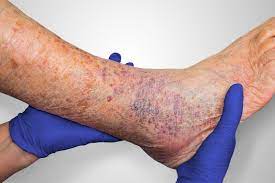
Wounds that do not heal within the standard healing time through the traditional approaches of treatment result in various types of infection and become complex to manage. If you or any of your loved ones is suffering from venous ulcers and looking for venous ulcer management for safe, proper, and effective wound healing, you are in the right place. But what are venous ulcers? A venous leg ulcer, also known as a venous stasis ulcer is a sore on your leg that is slow to heal and occurs when the veins are not capable enough of efficient blood flow in the leg veins. People who have previous leg injuries, smoking habits, heavyweight, and other circulation issues such as blood clots or phlebitis are more prone to develop a venous ulcer.
0
3
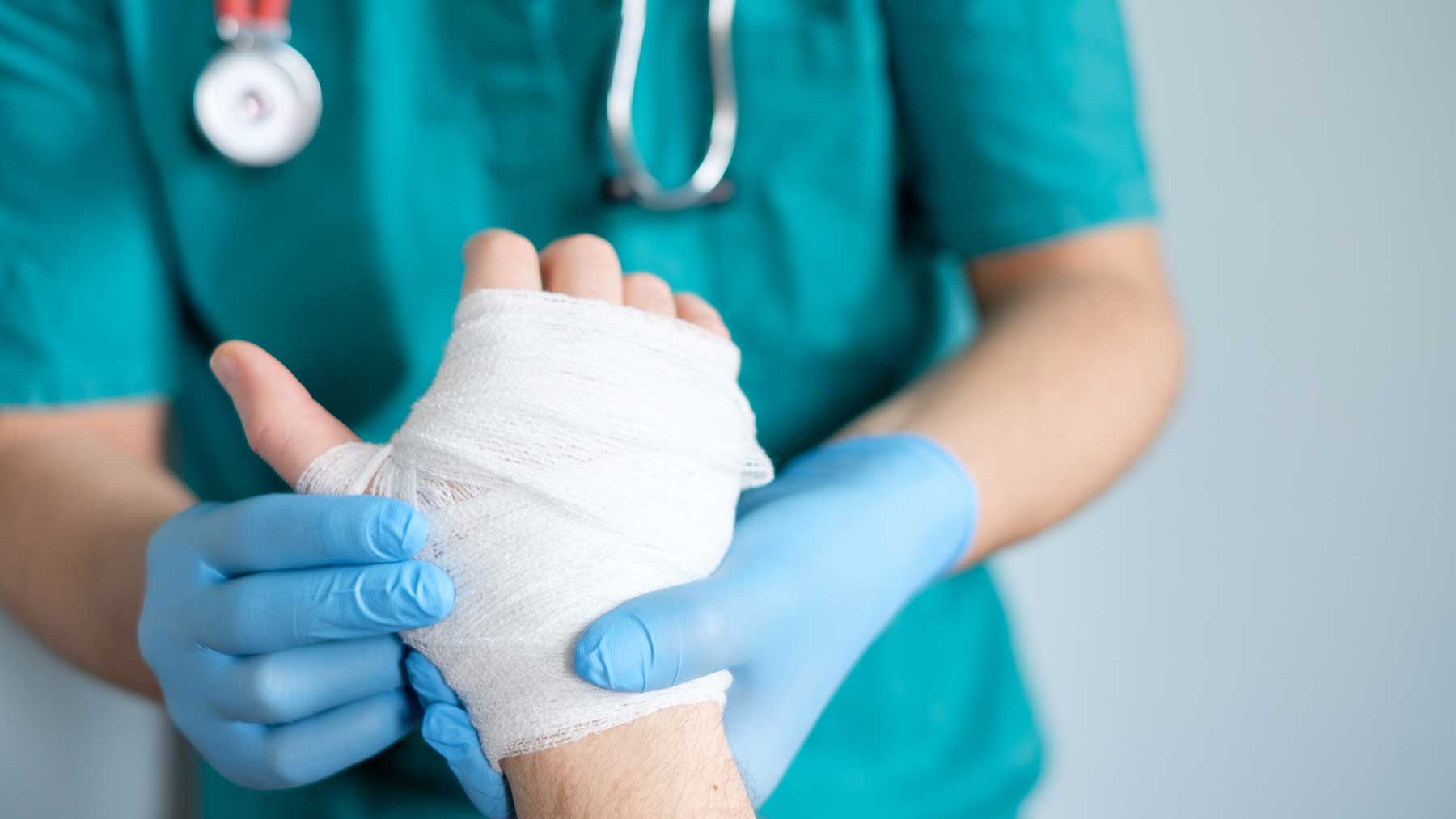
Recognizing the early signs of wound infection can help wound care experts to quickly intervene with the treatment. Here are a few signs that would help you find whether a particular wound is infected or not. Let’s have a look:How To Tell If My Wound Is Infected? If you have a cut, scrape, or burn with an odd appearance that is not healing properly within the general period, there might be a possibility that you might suffer from an infected wound. Warmth - In the initial stage of wound healing, if you notice warm skin around the wound to the touch which does not start cooling down, that it can indicate the signs of the infection.
0
4
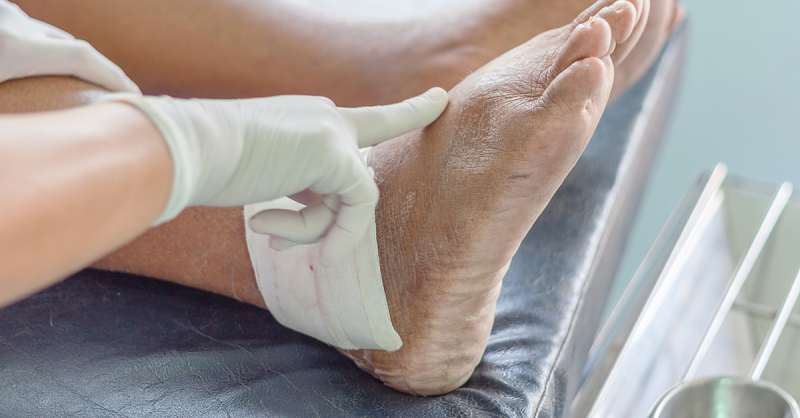
Sometimes people misunderstand a venous leg wound as a diabetic foot ulcer due to its occurrence in the leg. Contact a venous leg ulcer specialist if there are any signs of malignancy. Eczema in a venous wound can be gravitational, stasis, varicose or venous eczema depending on its underlying conditions. Consult with venous leg ulcer treatment. These are a few complications that can arise in VLUs (venous leg ulcers).
0
8
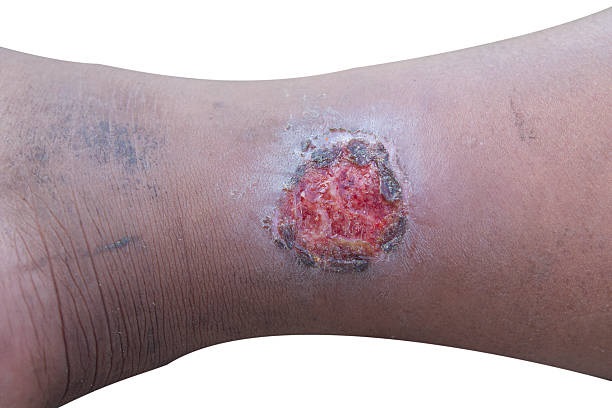
But not all the wounds are the same especially when it comes to any type of chronic wounds/ulcers. A venous leg ulcer is one of those chronic wounds that take a longer time to heal and require advanced medical care & attention. What Are Venous Leg Ulcers? It further leads to small, open wounds mostly occurring in the legs known as venous leg ulcers. A timely appointment with a venous leg ulcer specialist is necessary to heal the wound quicker and avoid any further medical complications due to an underlying condition.
0
3
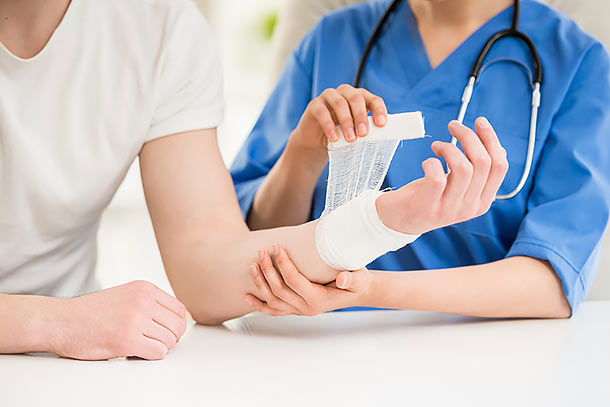
In addition to this, the associated medical issues that increase the complications include diabetes (typically type 2), cardiovascular diseases, weight gain or old age, etc. They are painful and not treating on time can lead to extreme underlying complications. In this case, wound care treatment California is required to decrease the chances and heal the wound effectively. Acute wounds include wounds that occurred during a surgical procedure, animal bites, and burns. While, on the other hand, chronic wounds include pressure sores and diabetic ulcers.
0
4
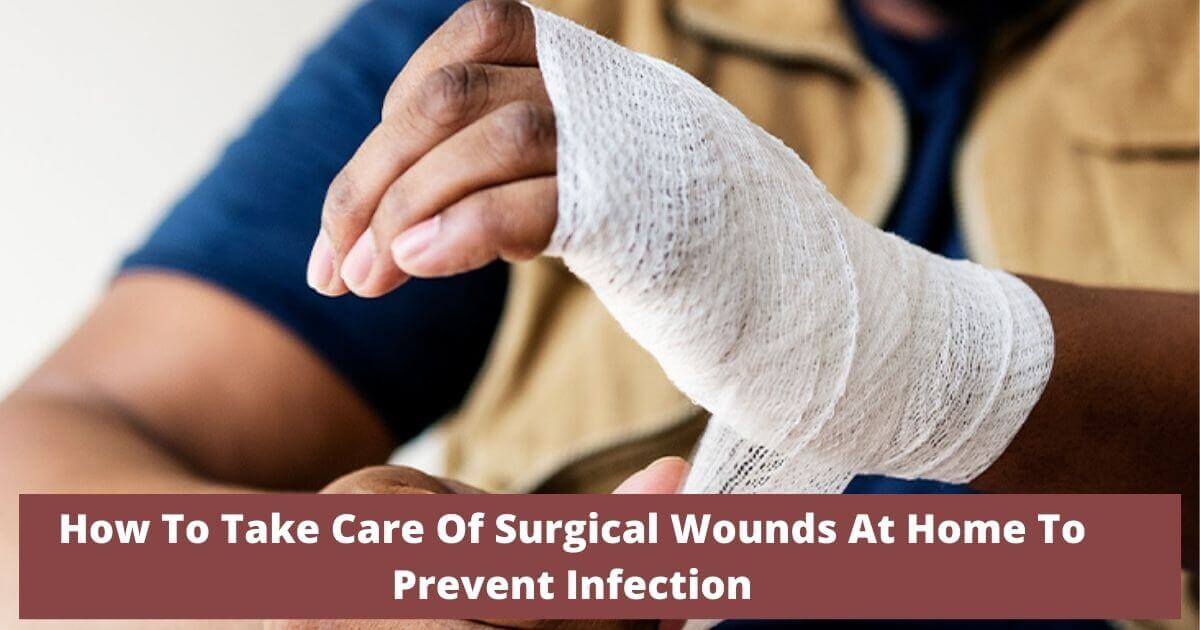
When you are back home after the surgery, you need to take care of the wounds ie. The surgeons may either close the incision with sutures, staples, steri-strips, or surgical glue or leave them open to close after some time. - Your surgeon will instruct you on the exact time to remove the bandage and how to do it. The person needs to change the bandage every day as instructed by the wound care experts. - To change the dressing, the person needs to have clean gauze pads, medical gloves, surgical tape, and scissors.
0
2
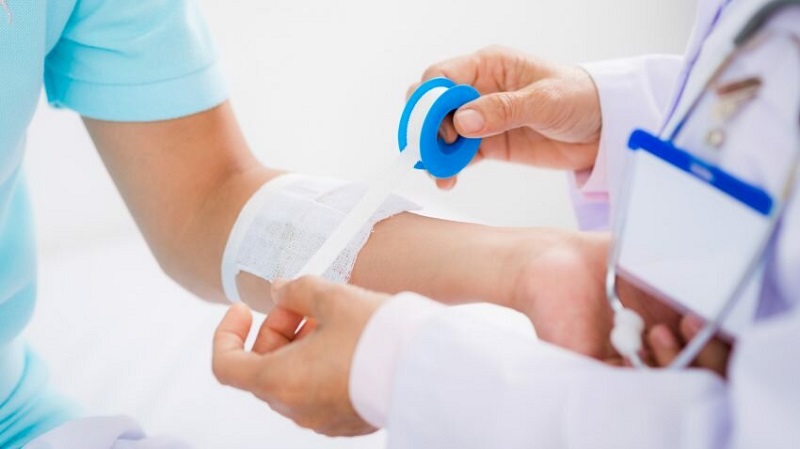
When you have a wound that doesn’t heal or take a significant amount of time to get healed, it can have a tremendous impact on a patient’s life. Thereby, it is essential to know which types of wounds can be treated at home & which ones require special medical care & treatment. In this blog, we are exploring when you should see a wound care specialist? Everyone gets a wound or injury at any point in life, and some of these wounds are minor while some are severe. Because of the associated risks of not treating a wound on time, it is important to know about the wounds that can be treated at home & under professional medical assistance of Wound Care in Riverside.
0
5
When a patient is back home after his/her surgery, a proper postoperative surgical wound care is essential to prevent the wound from being infected. If found any, immediately contact surgical wound consult to reduce the risks of future medical complications. If you notice any of these symptoms, you should immediately consult with surgical wound consult. A doctor or physician can diagnose an infection in a surgical wound by evaluating the wound, assessing symptoms or taking a sample of fluid drainage from the wound. To prevent complications, home care is provided by surgical wound consult.
0
2

Since the global pandemic of Covid-19 hit the world economy, the concept of telemedicine and telehealth services is gaining popularity. The patients living with chronic, non-healing diseases, such as Pressure ulcers or Diabetic foot ulcers are getting virtual care & treatment by their healthcare providers amid pandemic through IT-enabled technologies & solutions. The concept is quite beneficial in long-term facilities where the patients’ utmost care is ensured with the highest quality mandates and improved supervision. An effective telemedicine program is enabling patients to get increased and timely access to medical care providers and specialists to get their diseases cured without compromising the quality amid pandemics. How Is Telemedicine Helping Long-term Care Facilities?
0
1
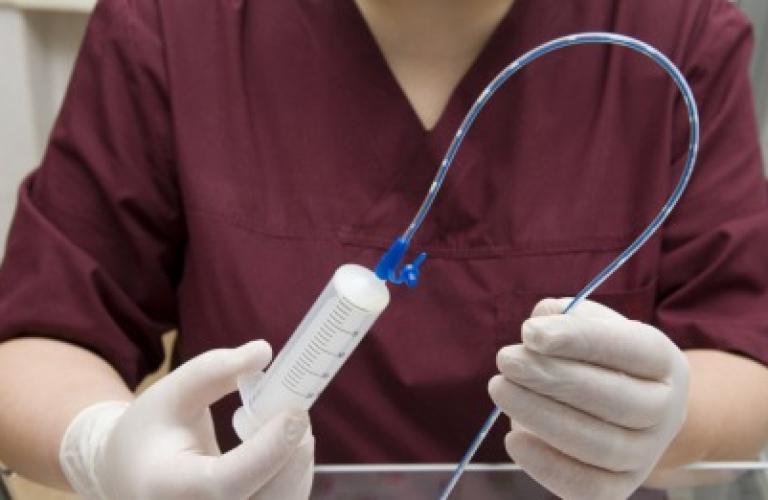
The objective of enteral feedings is to provide nourishment to the patient through a tube inserted directly into the gastrointestinal (GI) tract. Feeding tubes are used for patients who have a functional GI tract but cannot take foods orally to fulfill their daily nutritional needs. Depending upon the person’s health conditions, the feeding tube may be placed either temporarily or permanently throughout a lifetime. However, despite the multiple benefits, caregivers face various problems and complications while feeding patients via feeding tubes. The Common Complications Associated with the Feeding TubeThere can be multiple feeding tube-related complications, and most of them can be resolved if identified at the right time.
0
6
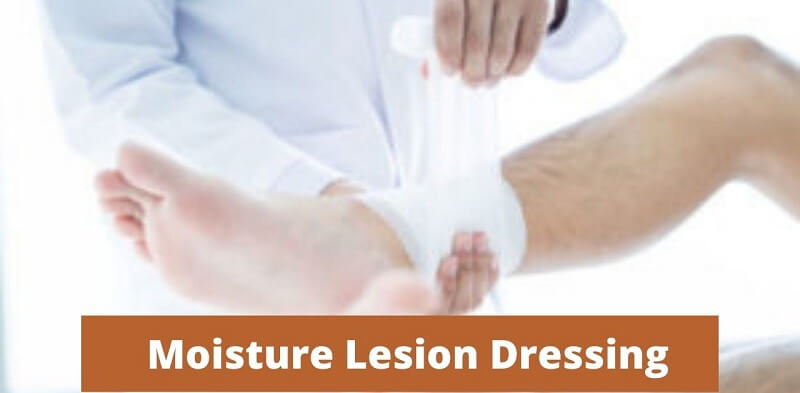
What Are Moisture Lesions? Also known as Moisture Associated Skin Damage (MASD), there are many terms used to describe moisture-induced skin damage. In simple words, the long-term exposure of the skin to moisture leads to moisture lesions. Here Are Some Of The Main Key Points Of Differences Between Pressure Ulcer And Moisture Lesions:1. Shape - Pressure ulcers are circular wounds with a regular shape limited to a single spot while moisture lesions can be different superficial spots.
0
3
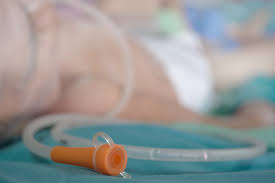
What Is A Gastrostomy Tube? A gastrostomy tube or let’s say a G-tube is a feeding tube that is placed through the abdomen and into the stomach to provide an alternative way of intaking food and/or medicines to the patients who have trouble eating. A doctor or healthcare physician can recommend availing G Tube replacement service for a variety of medical conditions, but the most common is to enable patients to eat through a tube replacement. Who Needs A Gastrostomy Tube? Apart from these instructions, the patients should also be careful about bathing, dressing, working out, taking medicines through the tube or venting the tube, etc.
0
2
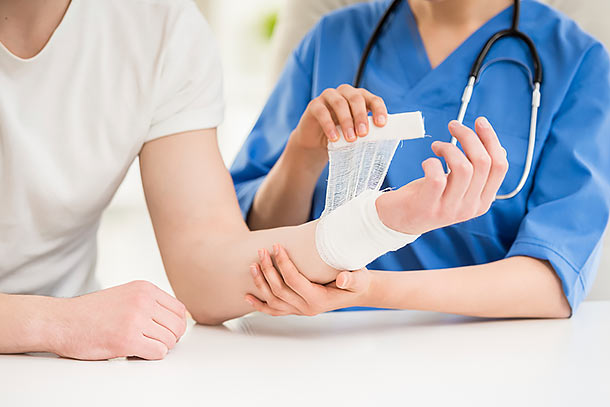
If a patient is suffering from a chronic, non-healing wound, a visit to a wound care specialist is a must for them. Chronic, non-healing wounds are those that are painful and take six to eight weeks to heal with the traditional wound healing process. In this article, we are explaining when a patient should see a wound care specialist and why a proper wound care program is essential for effective recovery. Let’s take a look:When To Seek Help From A Wound Care Specialist? However, if you see any signs of infection in the wound site, for example, redness, severe pain, foul odor, fever, or swelling, you should seek wound care treatment in California.
0
3
Whenever you experience an injury on any part of your body, your body starts healing itself within a few minutes after its occurrence. It goes through several stages of wound healing. On one hand, where the smaller wounds heal quickly, the large and deep wounds tend to take a longer time. So, it is very essential to be aware of the signs of healing and non-healing wounds. Here are the signs that will help you recognize whether a wound is healing normally:1.
When you are back home after the surgery, you need to take care of the wounds ie. The surgeons may either close the incision with sutures, staples, steri-strips, or surgical glue or leave them open to close after some time. - Your surgeon will instruct you on the exact time to remove the bandage and how to do it. The person needs to change the bandage every day as instructed by the wound care experts. - To change the dressing, the person needs to have clean gauze pads, medical gloves, surgical tape, and scissors.
But first, let’s know how a venous leg ulcer occurs. What Causes A Venous Ulcer? For example, people who are bedridden or with sedentary issues often face blood circulation problems. This poor circulation causes additional pressure on the veins, leads to the blood pooling in the veins, and the formation of a small, open wound known as a venous ulcer on the surface of the skin. So, to avoid future complications like infection or amputation due to an underlying condition, it is better to schedule a bedside appointment with a venous ulcer specialist.
When you have a wound that doesn’t heal or take a significant amount of time to get healed, it can have a tremendous impact on a patient’s life. Thereby, it is essential to know which types of wounds can be treated at home & which ones require special medical care & treatment. In this blog, we are exploring when you should see a wound care specialist? Everyone gets a wound or injury at any point in life, and some of these wounds are minor while some are severe. Because of the associated risks of not treating a wound on time, it is important to know about the wounds that can be treated at home & under professional medical assistance of Wound Care in Riverside.
The pandemic outbreak has had a negative impact on the wound care and treatment methods, including limited access to the general physician, hospitalization, and diagnostic processes. It gave rise to newer treatment solutions, including at-home wound care. Let’s look at both sides of the coin while discussing the impacts of the pandemic outbreak on wound care. The GoodThe pandemic gave rise to wound care at the comfort of one's home. Learn from your doctor or other healthcare professionals on the steps to perform wound care.
When a patient is back home after his/her surgery, a proper postoperative surgical wound care is essential to prevent the wound from being infected. If found any, immediately contact surgical wound consult to reduce the risks of future medical complications. If you notice any of these symptoms, you should immediately consult with surgical wound consult. A doctor or physician can diagnose an infection in a surgical wound by evaluating the wound, assessing symptoms or taking a sample of fluid drainage from the wound. To prevent complications, home care is provided by surgical wound consult.
Wounds that do not heal within the standard healing time through the traditional approaches of treatment result in various types of infection and become complex to manage. If you or any of your loved ones is suffering from venous ulcers and looking for venous ulcer management for safe, proper, and effective wound healing, you are in the right place. But what are venous ulcers? A venous leg ulcer, also known as a venous stasis ulcer is a sore on your leg that is slow to heal and occurs when the veins are not capable enough of efficient blood flow in the leg veins. People who have previous leg injuries, smoking habits, heavyweight, and other circulation issues such as blood clots or phlebitis are more prone to develop a venous ulcer.
Since the global pandemic of Covid-19 hit the world economy, the concept of telemedicine and telehealth services is gaining popularity. The patients living with chronic, non-healing diseases, such as Pressure ulcers or Diabetic foot ulcers are getting virtual care & treatment by their healthcare providers amid pandemic through IT-enabled technologies & solutions. The concept is quite beneficial in long-term facilities where the patients’ utmost care is ensured with the highest quality mandates and improved supervision. An effective telemedicine program is enabling patients to get increased and timely access to medical care providers and specialists to get their diseases cured without compromising the quality amid pandemics. How Is Telemedicine Helping Long-term Care Facilities?
Recognizing the early signs of wound infection can help wound care experts to quickly intervene with the treatment. Here are a few signs that would help you find whether a particular wound is infected or not. Let’s have a look:How To Tell If My Wound Is Infected? If you have a cut, scrape, or burn with an odd appearance that is not healing properly within the general period, there might be a possibility that you might suffer from an infected wound. Warmth - In the initial stage of wound healing, if you notice warm skin around the wound to the touch which does not start cooling down, that it can indicate the signs of the infection.
The objective of enteral feedings is to provide nourishment to the patient through a tube inserted directly into the gastrointestinal (GI) tract. Feeding tubes are used for patients who have a functional GI tract but cannot take foods orally to fulfill their daily nutritional needs. Depending upon the person’s health conditions, the feeding tube may be placed either temporarily or permanently throughout a lifetime. However, despite the multiple benefits, caregivers face various problems and complications while feeding patients via feeding tubes. The Common Complications Associated with the Feeding TubeThere can be multiple feeding tube-related complications, and most of them can be resolved if identified at the right time.
Sometimes people misunderstand a venous leg wound as a diabetic foot ulcer due to its occurrence in the leg. Contact a venous leg ulcer specialist if there are any signs of malignancy. Eczema in a venous wound can be gravitational, stasis, varicose or venous eczema depending on its underlying conditions. Consult with venous leg ulcer treatment. These are a few complications that can arise in VLUs (venous leg ulcers).
What Are Moisture Lesions? Also known as Moisture Associated Skin Damage (MASD), there are many terms used to describe moisture-induced skin damage. In simple words, the long-term exposure of the skin to moisture leads to moisture lesions. Here Are Some Of The Main Key Points Of Differences Between Pressure Ulcer And Moisture Lesions:1. Shape - Pressure ulcers are circular wounds with a regular shape limited to a single spot while moisture lesions can be different superficial spots.
But not all the wounds are the same especially when it comes to any type of chronic wounds/ulcers. A venous leg ulcer is one of those chronic wounds that take a longer time to heal and require advanced medical care & attention. What Are Venous Leg Ulcers? It further leads to small, open wounds mostly occurring in the legs known as venous leg ulcers. A timely appointment with a venous leg ulcer specialist is necessary to heal the wound quicker and avoid any further medical complications due to an underlying condition.
What Is A Gastrostomy Tube? A gastrostomy tube or let’s say a G-tube is a feeding tube that is placed through the abdomen and into the stomach to provide an alternative way of intaking food and/or medicines to the patients who have trouble eating. A doctor or healthcare physician can recommend availing G Tube replacement service for a variety of medical conditions, but the most common is to enable patients to eat through a tube replacement. Who Needs A Gastrostomy Tube? Apart from these instructions, the patients should also be careful about bathing, dressing, working out, taking medicines through the tube or venting the tube, etc.
In addition to this, the associated medical issues that increase the complications include diabetes (typically type 2), cardiovascular diseases, weight gain or old age, etc. They are painful and not treating on time can lead to extreme underlying complications. In this case, wound care treatment California is required to decrease the chances and heal the wound effectively. Acute wounds include wounds that occurred during a surgical procedure, animal bites, and burns. While, on the other hand, chronic wounds include pressure sores and diabetic ulcers.
If a patient is suffering from a chronic, non-healing wound, a visit to a wound care specialist is a must for them. Chronic, non-healing wounds are those that are painful and take six to eight weeks to heal with the traditional wound healing process. In this article, we are explaining when a patient should see a wound care specialist and why a proper wound care program is essential for effective recovery. Let’s take a look:When To Seek Help From A Wound Care Specialist? However, if you see any signs of infection in the wound site, for example, redness, severe pain, foul odor, fever, or swelling, you should seek wound care treatment in California.