





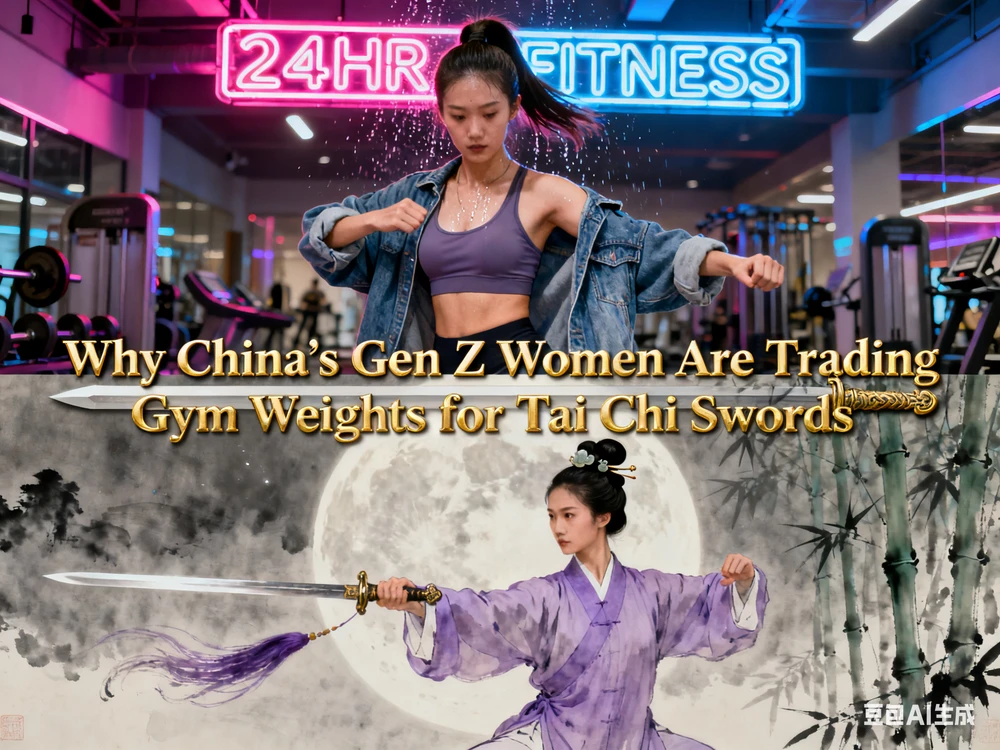
2025/10/15, BEIJING — In the relentless digital scroll of China’s short-video platforms, an improbable fitness star has emerged: the young woman executing a flawless, powerful Tai Chi form, often dressed in modern athleisure instead of traditional silks.
It is a striking visual juxtaposition—the ancient martial art meeting the immediacy of the digital age—and it has become one of the nation’s most electrifying new health trends in 2025.
This phenomenon signals a profound shift in how China’s youth, particularly its urban, tech-savvy female generation, views wellness. Tired of the hyper-aggression of H.I.I.T. classes and the simple burn of the treadmill, they are seeking mastery, mindfulness, and a deeper connection to cultural heritage.
This movement is not just about exercise; it is about aesthetics, identity, and the pursuit of a "cool" factor born from slow, deliberate power.
Even established online communities like Tai Chi Wuji have noted a surge in new membership and forum traffic from users under 30, a demographic that barely registered five years ago.
This isn't your grandmother's morning routine; it’s a disciplined art form, packaged for the digital spotlight.
The Viral Aesthetics of Controlled Power
The core appeal of this Tai Chi renaissance lies in its visual drama and the stark contrast it offers to traditional Western fitness media.
1. The 'Cool' Factor: Grace Meets Gravity
The short videos that drive this trend are highly cinematic. They feature dynamic, low-angle shots that emphasize the precision, balance, and centered power of the female practitioners.
The movements—like the "White Crane Spreads Wings" or a sweeping Tai Chi sword draw—are intrinsically graceful yet convey potent martial force.
- Ms. Chen Yan, a 24-year-old content creator from Chengdu who has gained half a million followers posting her practice, attributes the virality to this aesthetic blend. "A video of someone sweating on a bike is just work," she told me during a video call. "A 30-second clip of me performing a perfectly balanced kick? That is art, that is skill. It’s a quiet flex of discipline, and it looks incredibly cool. We are showing that strength is controlled, not just loud."
- This visual trend is amplified by smart editing, slow-motion effects, and atmospheric music, effectively branding Tai Chi as the ultimate mindful martial art.
2. Data Point: The Digital Shift to Traditional Arts
Market analysis firm, GenZen Analytics, reported in Q3 2025 that engagement with short-video content related to "National Heritage Fitness" (国潮健身) among women aged 18 to 30 had grown by 145% year-over-year.
Tai Chi accounted for nearly 60% of that growth, significantly outpacing traditional activities like Wushu (general martial arts) or specialized dance forms.
From Cardio Burn to Emotional Flow: A New Definition of Wellness
This trend is fundamentally a reaction against the high-pressure, high-stress lifestyle prevalent among urban Chinese youth. Tai Chi offers a tangible solution to mental and emotional fatigue.
1. Mindfulness as a Performance Metric
For a generation immersed in the non-stop demands of the gig economy and social media, Tai Chi provides a forced pause. The exercise requires deep concentration, forcing the mind and body into synchronized motion.
Ms. Liu Jia, a 29-year-old software engineer in Shanghai, discovered Tai Chi while recovering from burnout. "My therapist suggested it," she shared. "In my job, everything is fast, fast, fast. Tai Chi forces me to slow down and commit 100% of my attention to a single movement. It’s the ultimate mental reset. My goal isn’t to lose weight; it's to quiet the anxiety." This emphasis on flow aligns perfectly with the rising global focus on mental health as a core component of fitness.
2. The Search for Authentic Chinese Identity
The resurgence of Tai Chi is also interwoven with a wider cultural movement known as Guochao (National Tide), where young people embrace and re-imagine traditional Chinese elements with a modern sensibility.
Choosing Tai Chi over an imported yoga or Pilates class is a quiet statement of cultural pride and intellectual curiosity.
This is evident on forums like Tai Chi Wuji, where beginners actively seek translations and philosophical context for the movements they are learning, suggesting a deeper engagement than mere physical training.
Industry and Institutional Response: Modernizing the Ancient Art
The rapid, digitally-driven popularity of young women practicing Tai Chi has forced the fitness industry and traditional Tai Chi institutions to adapt.
1. Digitalization and Accessibility
Traditional masters and schools are partnering with online platforms to offer high-quality, structured digital courses, responding to the demand for accessible, expert instruction. The content is designed to be consumed in small, manageable segments, catering to busy urban schedules.
Many modern fitness centers are now expanding their offerings to include stylized Tai Chi and Qigong classes. The key is to position the class as a "Functional Flow" or "Mindful Movement" session, appealing to the young professional seeking a bridge between intense physical training and stress reduction.
2. Equipment and Attire Innovation
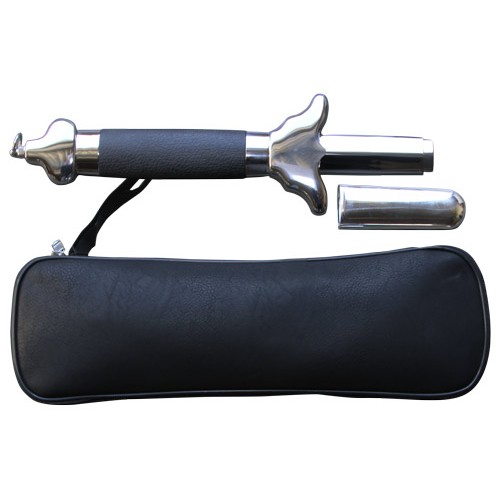
The demand for Tai Chi-specific gear has led to a boom in modernized apparel—think lightweight, breathable fabrics in muted, elegant colors—and specialized, aesthetically pleasing equipment, such as polished, ergonomic Tai Chi swords and fans.
Expert View: Dr. Zhao Ting, a sports sociology professor in Beijing, views the trend as a healthy evolution. “The youth are not disrespecting the tradition; they are validating its power,” she commented. “By framing it in their digital language—as a form of performance art, a measure of self-discipline—they ensure its survival and global relevance. It’s an intellectual engagement, disguised as a short video trend.”
The ultimate unique insight of this trend is that for China's Gen Z women, self-care has become self-mastery.
They are leveraging the very technology that creates anxiety to champion an ancient practice of stillness and controlled force.
The slow, deliberate movements of Tai Chi are their rebellion against the chaos of the modern world.
Frequently Asked Questions (FAQ)
Q1: Is this Tai Chi trend focused on health or aesthetics?
A: It is a fusion. While the short videos emphasize the aesthetic grace and power of the movements (the "cool factor"), the underlying motivation for practitioners is genuine wellness, including mindfulness, stress reduction, and mental focus, which are highly valued by young urban professionals.
Q2: What is the main difference between this trend and traditional Tai Chi?
A: The main difference is the context and goal. Traditional Tai Chi was often for health maintenance or serious martial training. The new trend is often about self-expression, digital performance, and mental health, adapting the movements for highly visual, short-form content consumption.
Q3: Which age group is driving the popularity of short Tai Chi videos?
A: The primary demographic driving the viral growth is young women aged 18 to 30 (Gen Z and younger Millennials), especially those in high-pressure urban environments.
Q4: Does this trend relate to the Guochao (National Tide) movement?
A: Yes, the trend is closely linked to Guochao, which sees young Chinese consumers embracing and modernizing traditional cultural elements. Choosing Tai Chi is a way to express cultural pride while engaging in cutting-edge wellness.
Q5: Are Tai Chi Wuji and similar platforms benefitting from this?
A: Yes. Traditional institutions and platforms like Tai Chi Wuji are seeing increased traffic and new members from the younger generation, prompting them to develop new digital and modular courses to meet the demand for accessible, expert instruction.
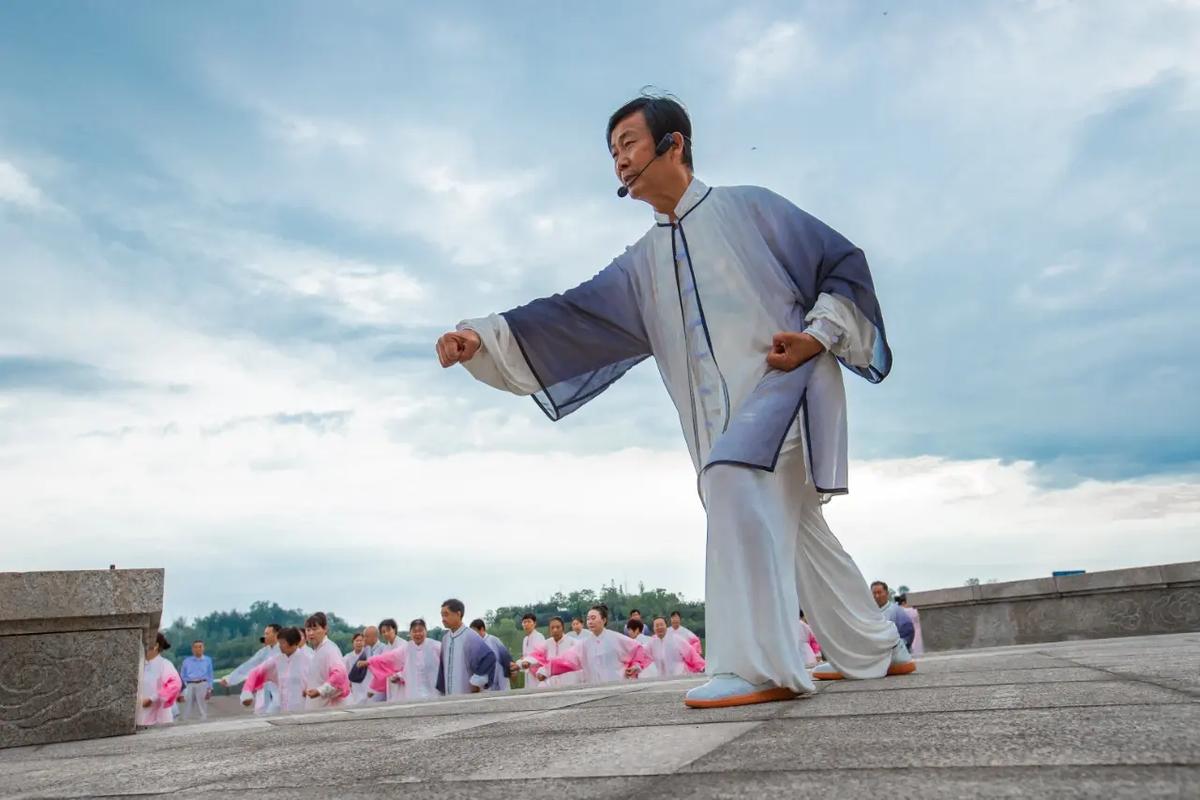
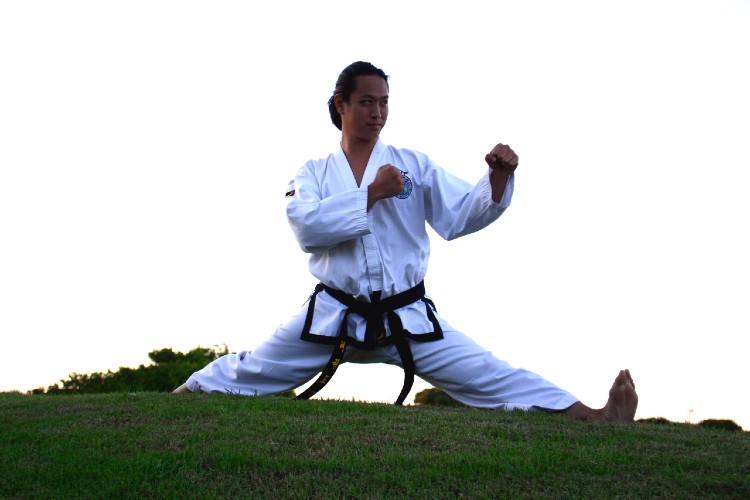
Numerous individuals long for learning Martial Arts.
Possibly you needed to attempt karate classes as a child however never found the opportunity, or perhaps you’re fascinated by the entirety of the unique martial expressions equipment like nunchaku or blades.
Or on the other hand, potentially you’re simply hoping to learn some simple self-preservation moves.
In case you’re keen on beginning Martial Arts at home yet don’t have the foggiest idea where to start, this guide is for you.
We Have jotted down a list of workouts and martial arts techniques to start practicing at home.Follow the following link to read the tips on how to start martial arts training at home:https://hitruecare.com/how-to-start-martial-arts-training-at-home