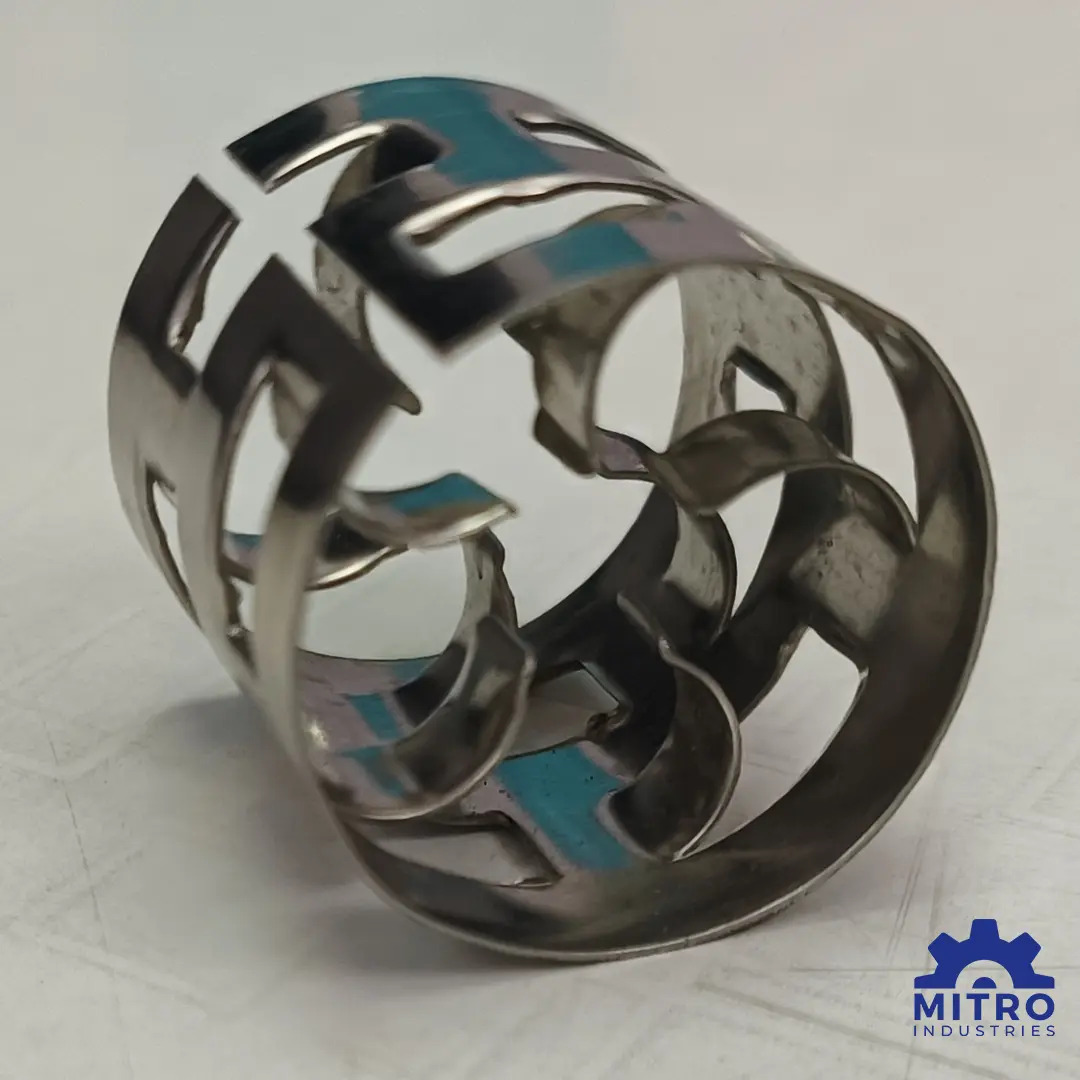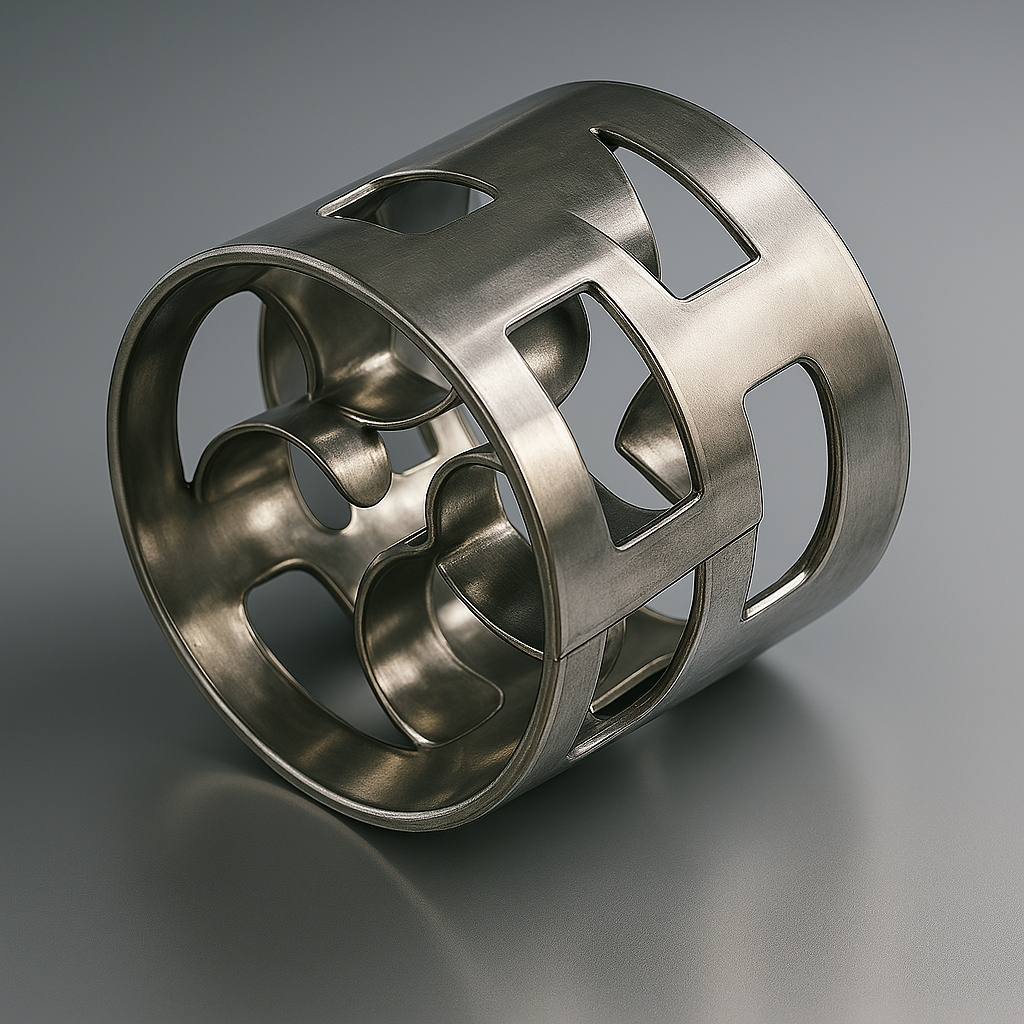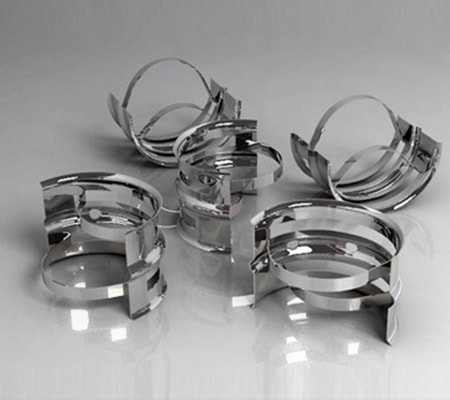
Pall rings are a type of tower packing used in chemical processing, oil and gas refining, and wastewater treatment. These small, cylindrical pieces of plastic or metal are designed to increase the surface area inside a tower or column, allowing for more efficient mass transfer.
The design of pall rings is critical to their performance. They feature a series of ridges that create a larger surface area than traditional packing materials, such as Raschig rings. The ridges also create channels for liquid and gas to flow through, promoting better mixing and mass transfer.
In addition to their increased efficiency, pall rings are also more resistant to fouling and plugging than other packing materials. This is due to the open structure of the rings, which allows for better fluid flow and less accumulation of solids.
Pall rings are used in a variety of applications, including gas absorption, distillation, and stripping. They are particularly effective in processes that require high mass transfer rates or low-pressure drops.
When selecting pall rings for a particular application, factors such as the type of gas or liquid being processed, the desired level of separation, and the tower dimensions must be considered. Proper selection and installation of pall rings can result in improved process efficiency, reduced energy consumption, and increased product yield.
In conclusion, pall rings are an important tool in the chemical processing industry. Their unique design and superior performance make them an ideal choice for a variety of applications, and their continued use is critical to ensuring the efficient operation of industrial processes.