In modern industrial operations, efficiency and reliability are critical. One essential yet often overlooked component that significantly improves process performance is Pall Rings. Widely used in packed columns, these specially designed packing elements help industries achieve better separation, purification, and treatment results while keeping energy consumption low.
What Are Pall Rings?
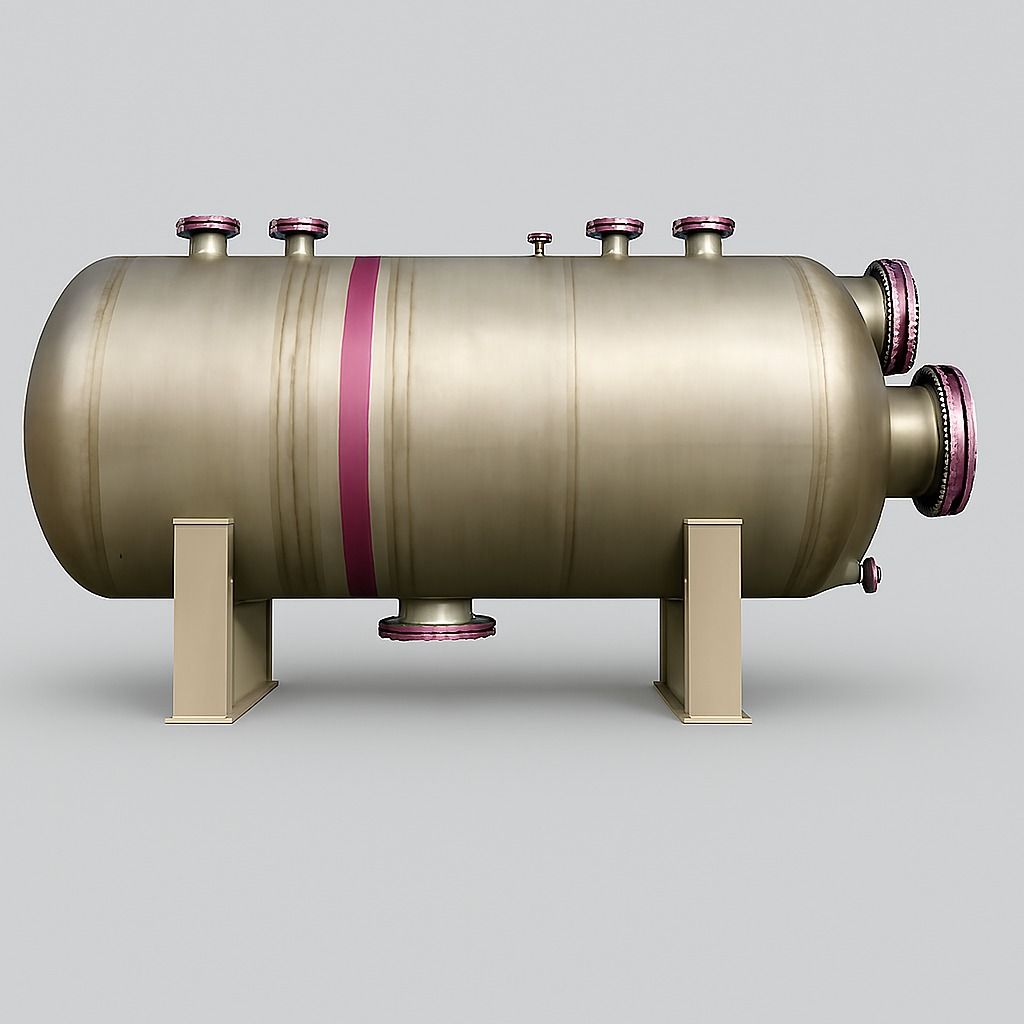
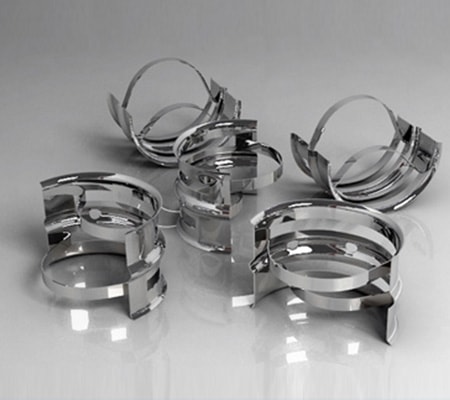
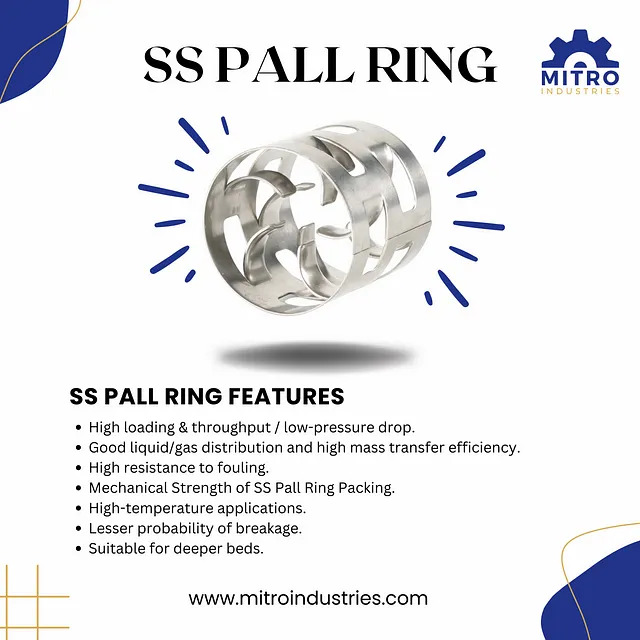
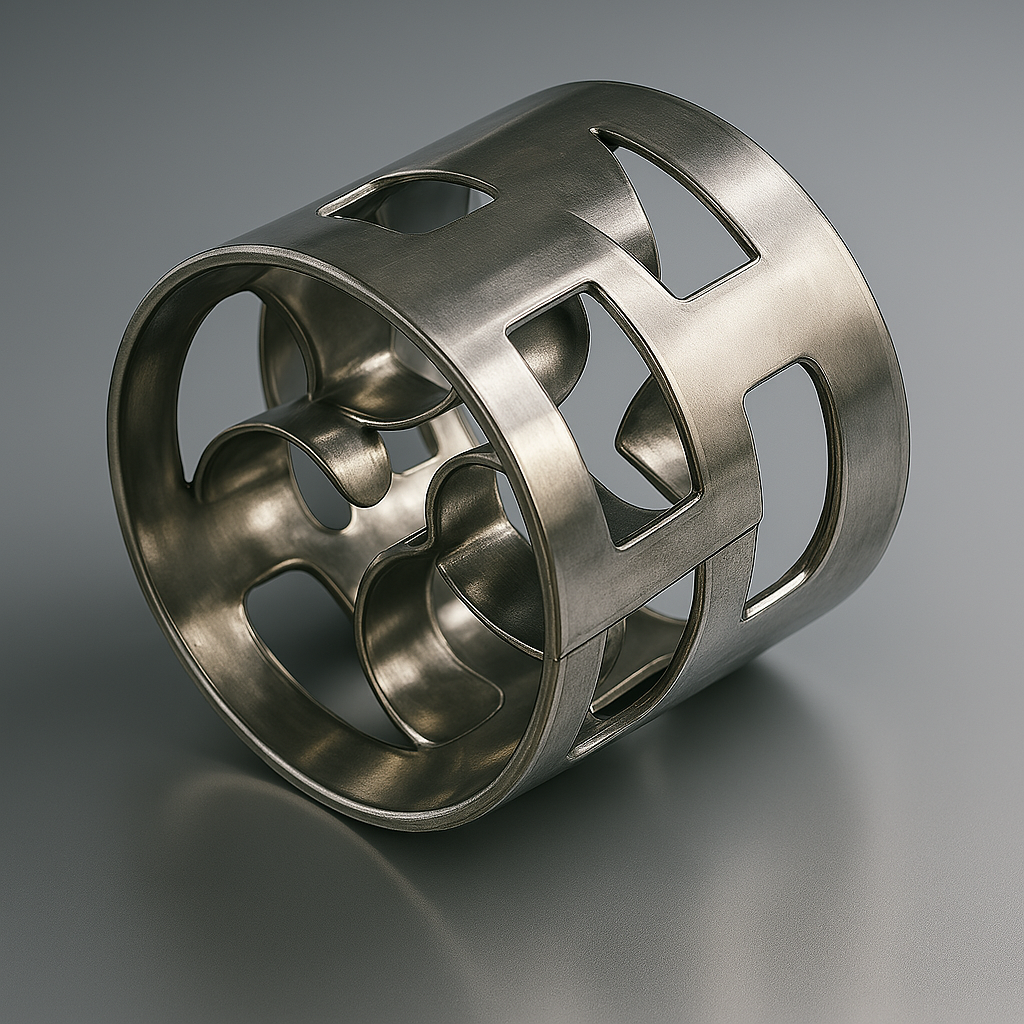
Pall Rings are random packing materials used inside columns and towers where gas and liquid phases must interact efficiently. They are cylindrical in shape with strategically placed openings and internal tabs. This advanced geometry increases surface area and allows fluids to flow freely, improving overall process effectiveness.
Design Features and Working Principle
The unique structure of Pall Rings plays a key role in their performance. Their open design allows liquids to spread evenly across the surface while gases move upward with minimal resistance.
Key design benefits include:
- Increased surface area for better contact between phases
- Improved liquid distribution inside the column
- Reduced chances of channeling or clogging
- Lower pressure drop compared to traditional packing
As a result, mass transfer becomes faster and more efficient.
Materials Used in Pall Rings
Pall Rings are manufactured in various materials to meet different industrial requirements:
- Plastic Pall Rings
Ideal for corrosive environments, plastic Pall Rings offer excellent chemical resistance and are lightweight, making installation and maintenance easier.
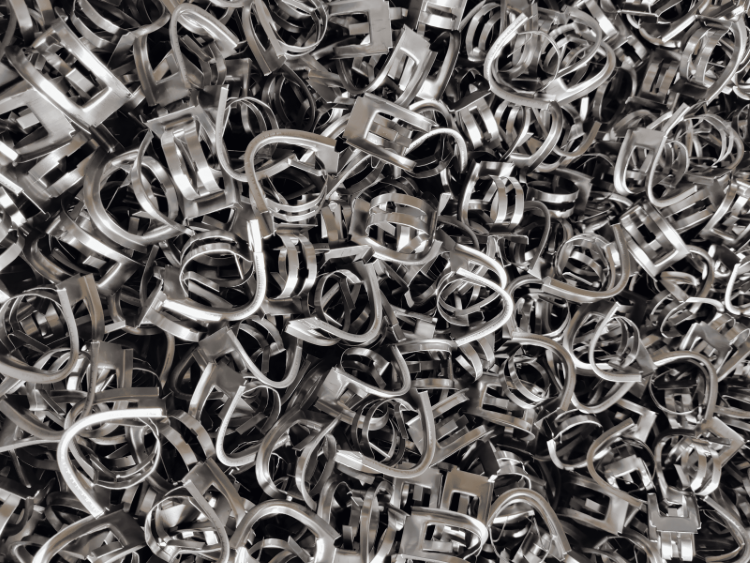
- Metal Pall Rings
Designed for high-temperature and high-pressure applications, metal Pall Rings are commonly used in refineries and petrochemical plants due to their strength and durability.
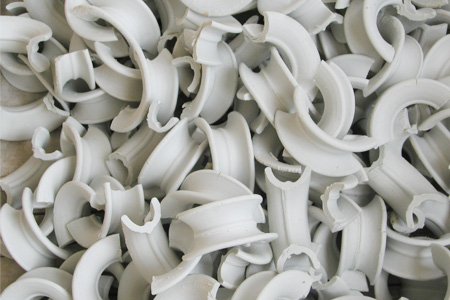
- Ceramic Pall Rings
These are suitable for aggressive chemical processes and extreme thermal conditions where long-term stability is required.
Industrial Applications of Pall Rings
Pall Rings are used across multiple industries due to their versatility and performance:
- Distillation Columns – for efficient separation of liquid mixtures
- Gas Absorption Systems – to remove harmful gases and contaminants
- Stripping Towers – for volatile compound removal
- Wastewater Treatment Plants – to support biological and chemical treatment processes
- Air Pollution Control Systems – for improved gas cleaning efficiency
Advantages of Using Pall Rings
Pall Rings offer several operational advantages that make them a preferred choice in packed columns:
- High mass transfer efficiency
- Low pressure drop, reducing energy consumption
- Uniform liquid and gas distribution
- Long service life with minimal maintenance
- Suitable for a wide range of industrial applications
Why Pall Rings Are a Preferred Packing Solution
Compared to conventional packing materials, Pall Rings provide better performance with lower operational costs. Their advanced design allows plants to improve productivity while maintaining stable and consistent process conditions.
Conclusion
Pall Rings may be small in size, but their impact on industrial processes is significant. With their efficient design, material flexibility, and wide range of applications, they continue to be a reliable solution for enhancing mass transfer operations across industries. Choosing the right type of Pall Ring can lead to improved efficiency, reduced downtime, and long-term operational benefits.