Our senses play an important role in our daily lives. Even activities such as brushing the teeth can engage all our senses. The smell and taste of the toothpaste as well as the sound of brushing the teeth are all sensory experiences.
Sensory play is a special and fun way to engage our senses. All types of play that stimulate the senses are commonly referred to as sensory play. However, to be effective sensory play should deeply engage one or more senses at a time. Sensory play which is full of wonderful sights, sounds, textures, movement, and more can assist children learn and grow.
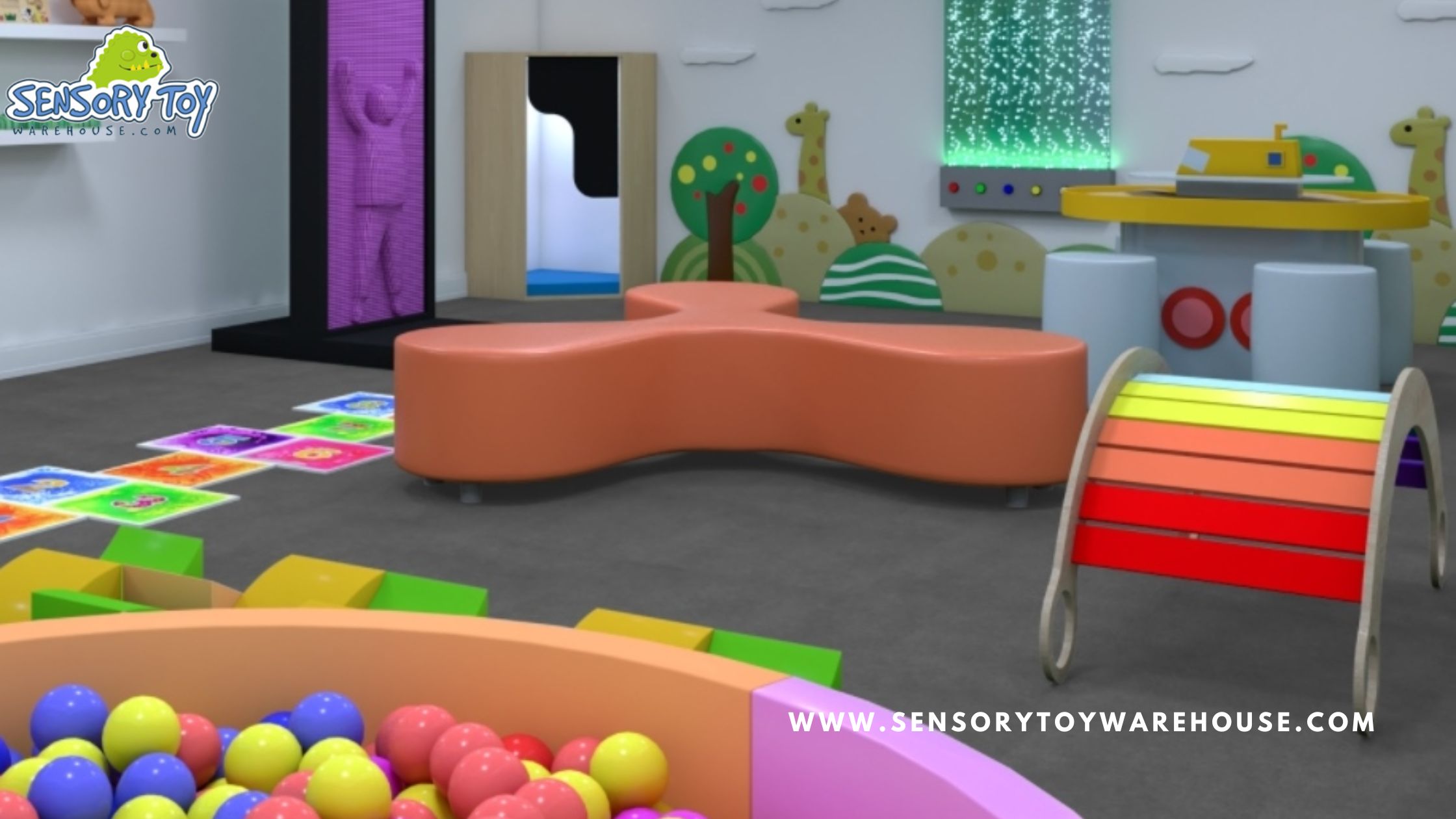
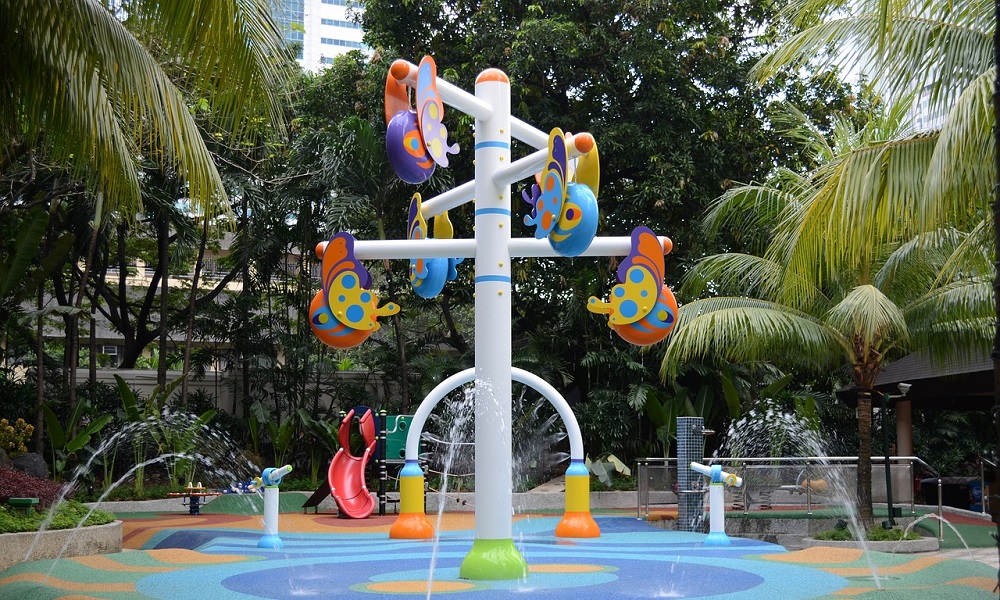
A sensory playground is a type of play area designed to stimulate and engage a child’s senses including touch, sight, sound, and movement. These play areas are designed to provide a safe and fun environment where children can explore and interact with a variety of sensory experiences. Such playgrounds are also important for children with sensory processing issues, such as those with autism or other developmental disabilities.
Sensory play promotes cognitive development
Cognitive development in children is linked to sensory experiences. Stimulating sensory play in the early years of childhood can help the brain develop abilities required for problem-solving and critical thinking. Furthermore, sensory playgrounds allow children to explore, experiment, and discover new things in a safe, structured, and fun environment.
Sensory play supports language development
During play, young children often have the opportunity to practise language skills such as vocabulary, sentence structure and communication. Through sensory play, children also learn to express their thoughts and ideas, and to communicate effectively with others.
Sensory play helps regulate emotions
Sensory play can have a calming effect on young children, which in turn helps them regulate their emotions. By engaging with different sensory experiences, children can learn to manage their feelings, reduce stress and anxiety, and develop a sense of calm.
Sensory play encourages physical activity
Sensory playgrounds often include equipment and activities that encourage physical activity and gross motor skills. By engaging in physical activity, children can develop their coordination, balance and strength, which are essential for healthy development. Both gross and fine motor skills can also develop through sensory play.
Sensory play promotes social skills
Sensory playgrounds provide opportunities for young children to engage in social play with others. By interacting with peers, they can learn important social skills such as, sharing, turn taking, and cooperation.
In conclusion, sensory playgrounds have an important place in early childhood. It creates opportunities for children to engage in stimulating and enriching experiences that promote their cognitive, emotional, social and physical development. It serves as the basis for all the abilities students will develop when learning to read, write, and solve math and science problems in school. Young children's lives are enriched and the abilities they will need as adults are developed when they are exposed to a wide range of materials and items with different colours, textures, and smells. Furthermore, sensory playgrounds can be tailored to meet the unique needs and interests of all children.
Sensory play is a big part of the curriculum at some of the best schools in Coimbatore.