

Introduction
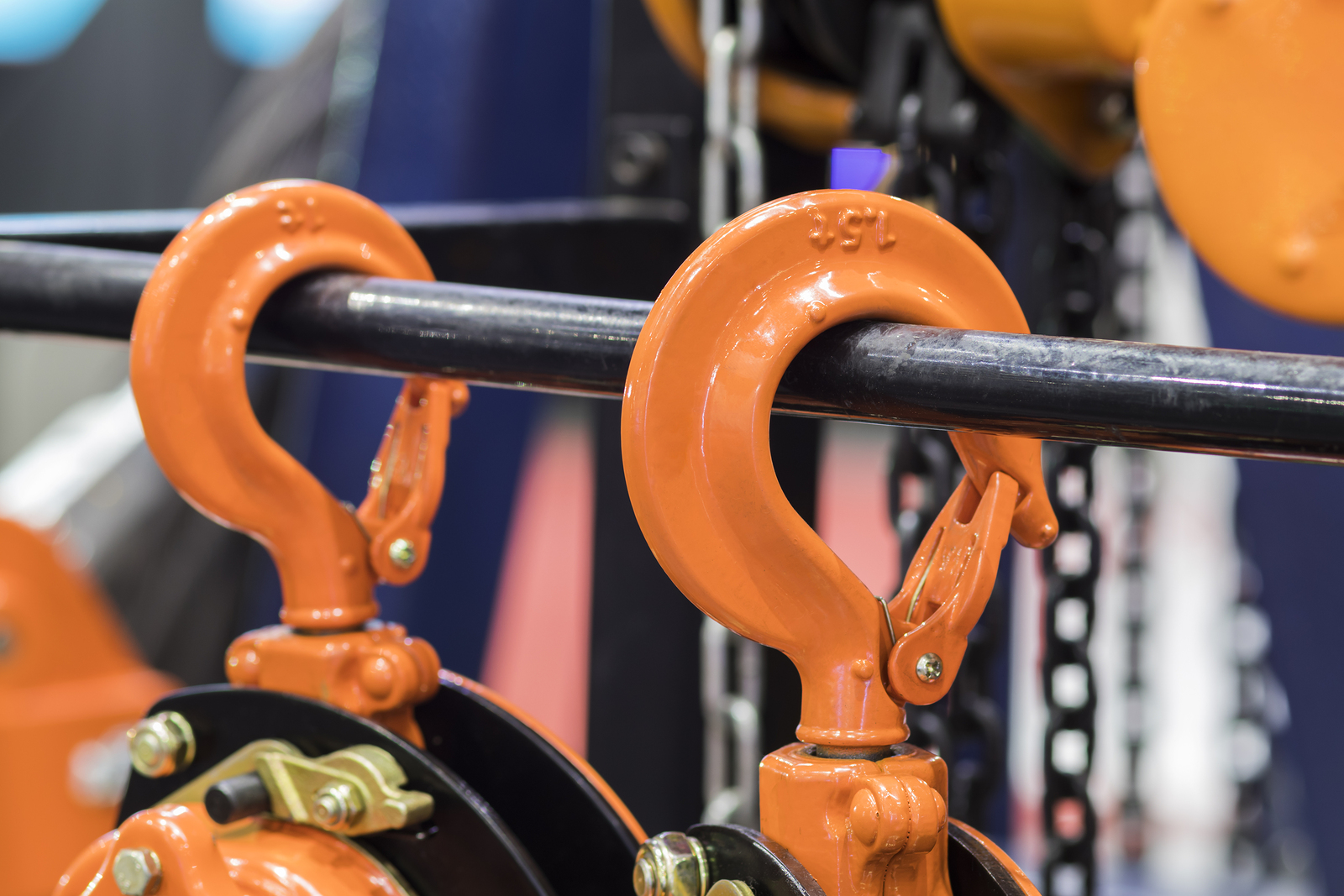
Rigging equipment is essential to perform offshore operations, which are exposed to harsh environmental conditions and extreme temperatures. Therefore, maintaining rigging equipment is crucial to ensure the safety and reliability of offshore activities. In this blog post, we will discuss the best practices for maintaining rigging equipment in offshore environments.
Best Practices for Maintaining Rigging Equipment in Offshore Environments
1. Regular Inspection
The first and foremost practice for maintaining rigging equipment is regular inspection. Rigging equipment should be inspected before and after each operation. Inspection should include checking for wear and tear, corrosion, deformation, and cracks. Visual inspections should be performed by trained personnel who can flag any issues that may affect the integrity of the equipment.
2. Proper Storage
Proper storage is another critical factor for maintaining rigging equipment. Rigging equipment should be kept in a dry, clean, and secure space when not in use. Exposure to moisture and saltwater can lead to corrosion, which can weaken the rigging equipment over time. Therefore, rigging equipment should be stored in a dry place, and if possible, equipment should be covered to protect it from the elements.
3. Frequent Cleaning
Cleaning is also an essential practice to maintain rigging equipment. Rigging equipment should be cleaned regularly to remove dirt, grease, and other contaminants that can harm the equipment's surface. The cleaning should be done using appropriate solutions and methods that will not damage the equipment.
4. Lubrication
Lubrication is necessary to keep the system running smoothly. Components such as ropes, chains, and pulleys require adequate lubrication to reduce friction and prevent wear and tear. Rigging equipment should be lubricated regularly as per the manufacturer's specifications.
5. Correct Use
Another important practice to maintain rigging equipment is to use it correctly. Rigging Equipment should be used within the recommended weight limit and load capacity. Overloading the equipment can cause significant damage to the equipment and pose a safety hazard. The equipment should only be used by trained personnel with the proper skills and knowledge of the equipment.
6. Record Keeping
Maintaining proper documentation is essential for maintaining rigging equipment. A record should be kept for each equipment, detailing its inspection dates, maintenance plans and predicted lifespan of the equipment. This will help the operators to make informed decisions about the equipment usage and replacement.
7. Replacement and Disposal
Lastly, rigging equipment should be regularly checked for wear and tear, corrosion or deformation. If the equipment requires repair, replacement or disposed, then it should be done without delay. Faulty equipment can be dangerous and may lead to catastrophic accidents.
Conclusion
Maintaining rigging equipment is an important practice to ensure the safety and reliability of offshore operations. Regular inspection, proper storage, cleaning, lubrication, correct use, record keeping and replacement and disposal are essential practices for maintaining rigging equipment. Rigging equipment should be managed effectively to reduce the risk of equipment failure, accidents and, hazardous situations.
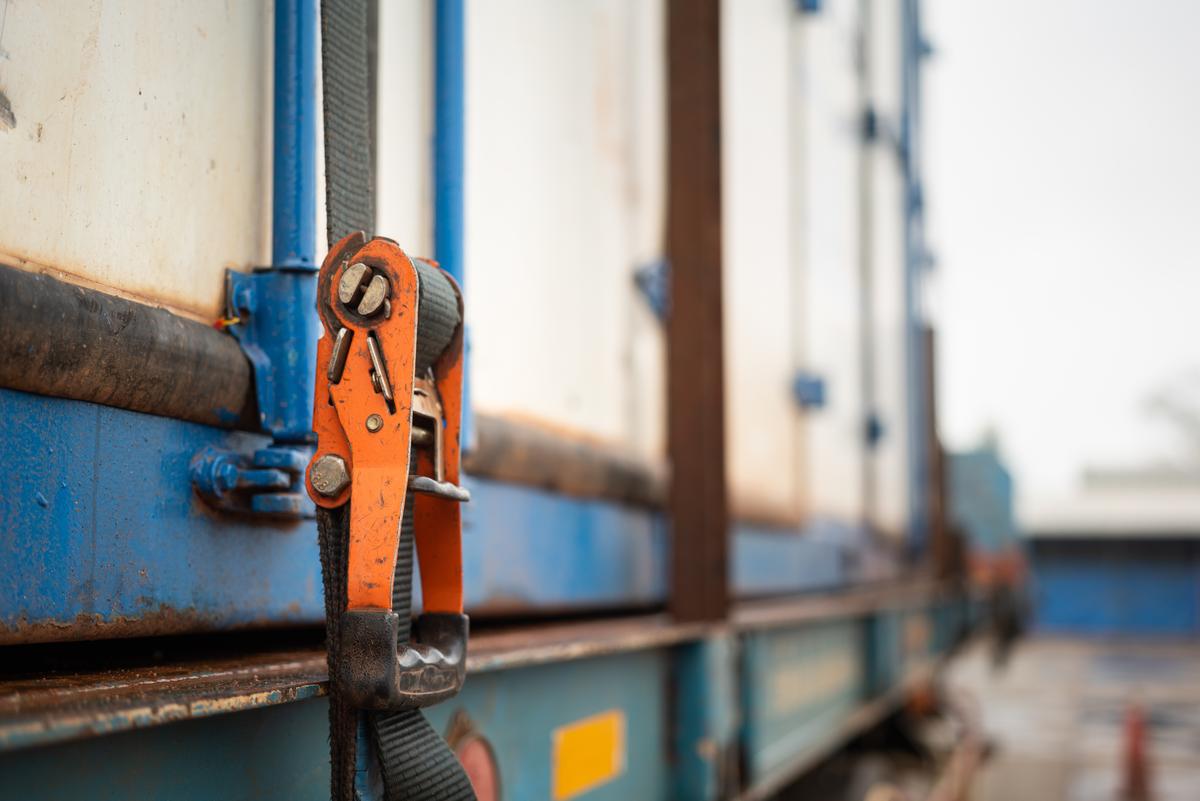


It is necessary to follow certain practices while using round slings for operation.
Below are some safety practices mentioned that must be considered for the safe use of round slings.Round slings have mostly common properties like strength, economy, convenience, load protection, etc.
The endless polyester round slings for sale are mostly available as they are versatile and have an advantage over other types of slings as connection points can be rotated hence increasing the service life of the sling.The polyester round slings are more economical than nylon slings.
The operator can use tools like a sling calculator to determine the length and capacity of the sling, which is suitable based on the load or +object to be lifted.The slings must be appropriately checked by the qualified individual after every use.
The time to time inspection should be done to avoid defer in the task.When round polyester slings are not in use they should be kept in an environmentally safe area that is dark, cool, and dry.
It should be stored in a place that does not have exposure to any chemicals, mechanical or ultraviolet damage.The use of a proper sling protector should be done by the operator to safeguard the sling as well as the load.