Introduction
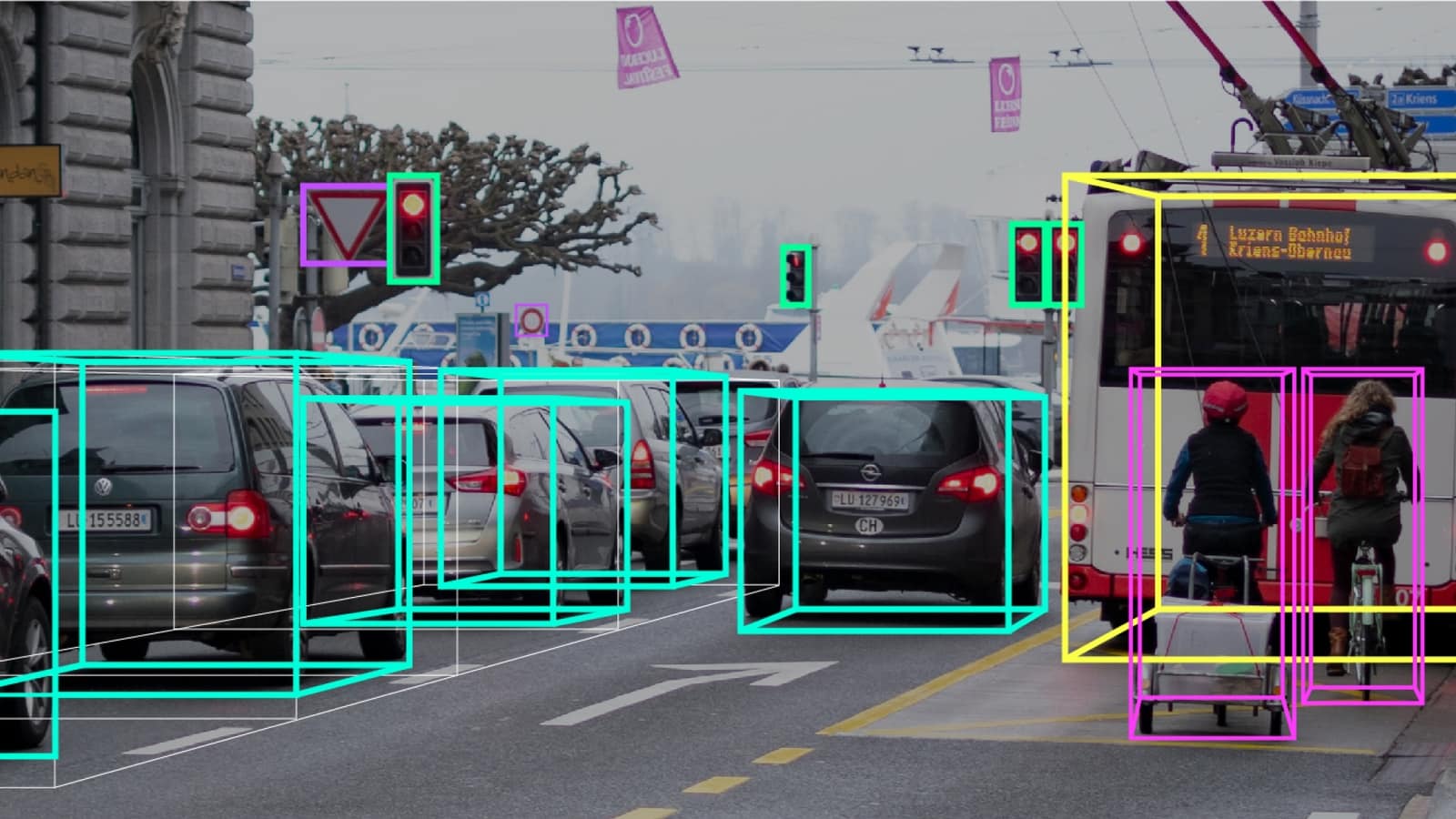
3D bounding box object detection is one of the newest technologies that is revolutionizing logistics operations. By using advanced computer vision algorithms, this technology can accurately detect and locate various objects in a three-dimensional space. The logistics industry has rapidly adopted this technology to enhance efficiency, accuracy, and safety in their operations.
Enhanced Inventory Management
One of the key uses of 3D bounding box object detection in the logistics industry is for enhanced inventory management. By accurately identifying and tracking objects in real-time, this technology enables logistics companies to automate their inventory counting processes. It eliminates the need for manual counting and significantly reduces human errors, leading to more accurate inventory records and better overall inventory management.
Optimized Warehouse Layout
3D bounding box object detection can also be used to optimize warehouse layout and improve operational efficiency. By analyzing the movement of objects within a warehouse, this technology can generate valuable insights that help logistics companies optimize the placement of goods and the design of their warehouses. It allows for more efficient use of space, reduces unnecessary movement, and ensures easier access to frequently picked items.
Improved Loading and Unloading Processes
Efficient loading and unloading processes are crucial for logistics companies to minimize turnaround time and ensure on-time deliveries. 3D bounding box object detection can greatly improve these processes by accurately tracking the placement of goods on vehicles. It helps in determining the optimal positioning of items to maximize space utilization and prevent damage during transportation. This technology also enables automated sorting and routing of packages, enhancing speed and accuracy in the loading and unloading operations.
Enhanced Safety and Security
With the help of 3D bounding box object detection, logistics companies can enhance safety and security measures within their operations. This technology can identify and track potentially hazardous objects or unauthorized items in real-time, allowing for prompt intervention and prevention of accidents or security breaches. By leveraging this advanced technology, logistics companies can significantly reduce the risks associated with their operations and ensure the safety of their personnel and assets.
Streamlined Last-Mile Delivery
Last-mile delivery is a critical aspect of logistics operations, and optimizing this process can lead to significant cost savings and customer satisfaction. 3D bounding box object detection facilitates the efficient planning and execution of last-mile delivery by accurately identifying and tracking delivery vehicles, packages, and delivery personnel. By providing real-time information on their location and status, this technology helps logistics companies streamline the entire last-mile delivery process, ensuring timely and accurate deliveries.
Conclusion
3D bounding box object detection is making a significant impact on the logistics industry. With its ability to accurately detect and locate objects in a three-dimensional space, this technology enhances various aspects of logistics operations. From inventory management to warehouse layout optimization, loading and unloading processes, safety and security measures, and last-mile delivery, 3D bounding box object detection offers numerous benefits to logistics companies. As this technology continues to evolve, we can expect even more innovative uses and improvements in the logistics industry.