Benefits of AI in Business Automation
Artificial Intelligence (AI) has revolutionized various industries and is now playing a significant role in driving business automation. By harnessing the power of AI, organizations can streamline their operations, enhance efficiency, and achieve unprecedented growth. Let's explore the key benefits of incorporating AI in business automation:
1. Enhanced Efficiency and Productivity: AI-powered automation processes can handle repetitive and time-consuming tasks, allowing employees to focus on more strategic and creative endeavors. This improved efficiency enables businesses to accomplish tasks at a faster pace, resulting in increased productivity.
2. Cost Savings: AI-driven automation eliminates the need for human intervention in mundane tasks, reducing labor costs and minimizing the risk of errors. By automating processes, businesses can optimize their resources and allocate budgets more effectively.
3. Improved Accuracy and Precision: AI algorithms can process vast amounts of data with exceptional accuracy. This eliminates the possibility of human errors and ensures precise analysis, leading to more informed decision-making.
4. Faster Data Processing and Analysis: With AI, businesses can process and analyze large data sets within seconds, which would otherwise take hours or even days for human operators to accomplish. This enables organizations to derive actionable insights and make data-driven decisions at an unprecedented speed.
5. Enhanced Customer Experience: AI-powered automation can provide personalized and seamless customer experiences by analyzing customer data, preferences, and behaviors. This allows businesses to offer targeted recommendations, tailored solutions, and proactive support, resulting in improved customer satisfaction.
Data Processing Automation
Data processing is a critical component of business operations, as organizations generate and accumulate vast amounts of data on a daily basis. AI-driven automation has revolutionized data processing by offering advanced techniques to handle, transform, and analyze data effectively. Here are some key aspects of data processing automation:
1. Data Extraction and Integration: AI algorithms can automatically identify and extract relevant data from various sources and integrate it into a single database or system. This eliminates the need for manual data entry, reducing errors and improving efficiency.
2. Data Cleaning and Transformation: AI-driven automation can preprocess data by identifying and rectifying inconsistencies, missing values, or anomalies. This data cleaning process ensures the accuracy and integrity of data, enabling organizations to trust their analysis and decision-making.
3. Data Analysis and Insights: AI-powered tools can analyze data sets, identify patterns, and derive valuable insights. This enables businesses to uncover hidden trends, understand customer behavior, optimize processes, and identify growth opportunities.
4. Predictive Analytics: By leveraging AI algorithms, businesses can predict future outcomes based on historical data patterns. This helps organizations make proactive decisions, plan resources efficiently, and mitigate potential risks or bottlenecks.
AI Data Processing
AI has significantly transformed the way organizations handle data processing. By employing advanced algorithms and machine learning techniques, AI enables businesses to process and make sense of the vast amounts of data they collect. Here are some key aspects of AI data processing:
1. Natural Language Processing (NLP): NLP allows computers to comprehend and interpret human language, enabling businesses to automate tasks such as sentiment analysis, chatbots, and language translation. This technology is vital for processing textual data at scale.
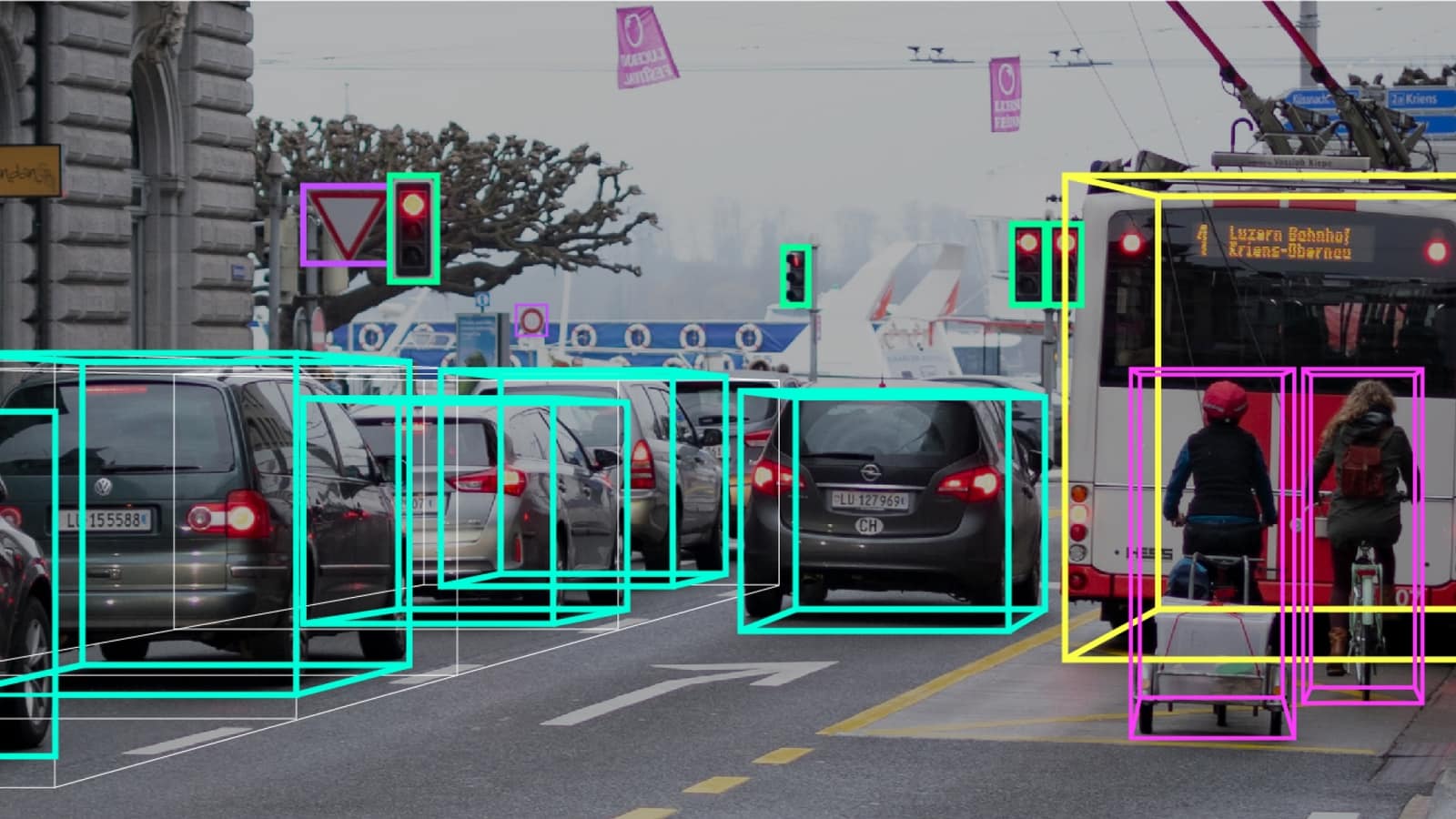
2. Image and Video Processing: AI-powered algorithms can analyze and interpret images and videos, enabling businesses to automate tasks such as image recognition, object detection, and video summarization. This opens avenues for automation in industries like surveillance, healthcare, and e-commerce.
3. Machine Learning and Predictive Modeling: AI empowers businesses to develop models that can analyze data, learn patterns, and make predictions. By leveraging machine learning algorithms, organizations can automate tasks like fraud detection, recommendation systems, and demand forecasting.
4. Deep Learning and Neural Networks: Deep learning, a subset of machine learning, uses artificial neural networks to mimic the human brain's structure and process data. This enables businesses to automate tasks such as image recognition, speech synthesis, and autonomous vehicles.
By unlocking the power of AI in driving business automation through data processing, organizations can gain a competitive edge, streamline operations, and achieve remarkable growth. Embracing AI-driven automation is no longer a choice but a necessity to stay ahead in today's dynamic business landscape.