

Satin is a luxurious and delicate fabric that is often used in various applications, including clothing, home decor, and accessories. Its smooth and glossy texture makes it a popular choice for embroidery, as it provides an elegant and classy look. However, embroidering on satin presents its own set of challenges for embroidery machines. In this article, we will explore the difficulties faced by embroidery machines when working with satin fabric and discuss potential solutions to overcome these challenges.
Understanding Satin Fabric
Before delving into the challenges faced by embroidery machines on satin, it is important to have a basic understanding of the fabric itself. Satin is known for its glossy surface and smooth texture, which is achieved by weaving the threads in a way that creates long floats on the fabric's surface. This construction creates a delicate and highly reflective material that requires special attention during the embroidery process.
Challenges Faced by Embroidery Machines on Satin
Embroidering on satin can be a complex task for embroidery machines, primarily due to the following challenges:
Fabric Slippage: Satin fabric tends to be slippery and prone to moving during embroidery digitizing. This movement can result in misaligned designs, distorted images, and uneven stitching. It is crucial for embroidery machines to have mechanisms in place to prevent fabric slippage and ensure precise embroidery.
Tension Issues: Achieving the right tension is essential for successful embroidery on any fabric, and satin is no exception. Satin's delicate and smooth nature requires careful tension adjustment to prevent thread breakage, puckering, and distortion of the fabric. Embroidery machines need to be equipped with tension controls that can be fine-tuned to accommodate satin's unique properties.
Needle Selection: Selecting the appropriate needle for satin is crucial to avoid damaging the delicate fabric. Using the wrong needle can result in pulled threads, snags, and visible holes in the fabric. Embroidery machines need to offer a wide range of needle options and provide guidance on the best needle to use for satin embroidery.
Embroidery Design Complexity: The intricate and detailed designs often associated with embroidery can pose a challenge when working with satin. The long floats on the fabric's surface may cause stitches to sink into the fabric, making the design less visible or distorting the intended shape. Embroidery machines should have the capability to handle complex designs on satin while maintaining the desired level of detail.
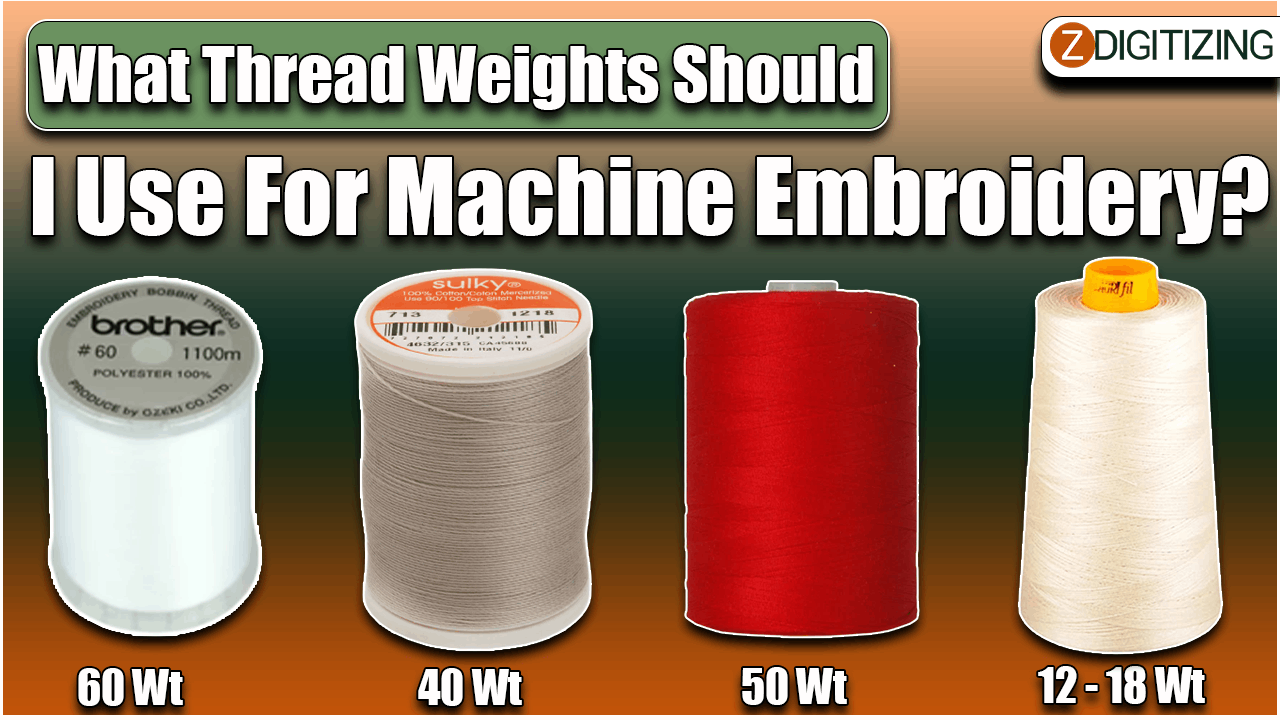
Thread Tension and Type: The choice of thread for satin embroidery plays a significant role in the final result. Incorrect thread tension can result in loose or puckered stitches, while using the wrong thread type can cause thread breakage or inconsistent stitch quality. Embroidery machines need to have adjustable thread tension settings and compatibility with a wide range of embroidery thread types.
Solutions to Overcome Satin Embroidery Challenges
Despite the challenges posed by satin fabric, there are several strategies and solutions that can help embroidery machines achieve successful results:
Careful Hooping and Stabilization
Proper hooping and stabilization techniques are essential when embroidering on satin. Using a stabilizer specifically designed for delicate fabrics. zdigitizing can provide added support and prevent fabric slippage. It is crucial to avoid over-tightening the hoop, as it can distort the fabric and compromise the quality of the embroidery. Hooping techniques that distribute tension evenly across the fabric surface should be employed.
Tension Adjustment
Embroidery machines should allow for precise tension adjustment to accommodate satin's delicate nature. Fine-tuning the tension settings can prevent thread breakage, puckering, and distortion of the fabric. Operators should experiment with different tension settings and perform test stitches to determine the optimal tension for satin embroidery.
Needle Selection
Choosing the right needle is crucial when embroidering on satin. Using a sharp, fine needle with a slim point can minimize the risk of damaging the fabric. Embroidery machines should provide guidance on needle selection based on the specific requirements of satin embroidery. Regularly inspecting and replacing needles when necessary is also important to maintain the quality of embroidery and vector art services prevent fabric snags.
Design Modification
When embroidering complex designs on satin, slight modifications may be necessary to ensure optimal results. Thicker outlines and bolder elements can enhance visibility on satin fabric, while reducing the density of stitches in intricate areas can prevent sinking and distortion. Embroidery software that allows for easy design modification can be a valuable tool for overcoming satin embroidery challenges.
Thread Tension and Type Adjustment
Embroidery machines equipped with adjustable thread tension settings can help achieve optimal stitch quality on satin. Experimenting with different thread types, such as polyester or silk embroidery thread, can also yield different results in terms of sheen and overall visual appeal. Operators should consider testing different thread combinations and adjusting tension settings accordingly to achieve the desired outcome.
Test Stitches and Quality Control
Prior to beginning a large-scale embroidery project on satin, it is recommended to run test stitches on scrap fabric to assess tension, design compatibility, and overall stitch quality. Regularly inspecting and evaluating the embroidery during the process allows for adjustments to be made as necessary. Implementing quality control measures ensures that the final result meets the desired standards.
In Conclusion
Embroidering on satin presents a unique set of challenges for embroidery machines. The slippery nature of the fabric, tension issues, needle selection, design complexity, and thread choices all contribute to the complexity of satin embroidery. However, by employing careful hooping and stabilization techniques, adjusting tension settings, selecting appropriate needles, modifying designs, and experimenting with thread choices, these challenges can be overcome. With the right approach and techniques, embroidery machines can achieve exquisite embroidery results on satin fabric, adding a touch of elegance and sophistication to a wide range of applications.