


Understanding Triathlon Costs
This is a Blockquote example: Embarking on your first triathlon journey doesn’t have to break the bank. Learn how to budget wisely for triathlon training, gear, and race costs with our comprehensive guide.
Embarking on the triathlon journey is an exciting and rewarding endeavor.
But before getting started, it’s crucial to understand the potential costs involved.
Triathlon expenses can be categorized into three main areas: gear, training, and race-related costs.
Each of these categories involves numerous elements, and the total can add up quickly, especially for beginners.
Budgeting for Triathlon Gear
1. Swim Gear
The swim segment of a triathlon requires some specific gear. At a minimum, you’ll need a swimsuit and goggles.
Competitive swimmers often choose goggles with anti-fog and UV protection features for optimal visibility in various conditions.
Swimsuits designed for competitive swimming are usually made from chlorine-resistant materials to ensure durability.
A good pair of goggles can cost between $10 and $50, while swimsuits can range from $20 to $200 depending on the brand and material.
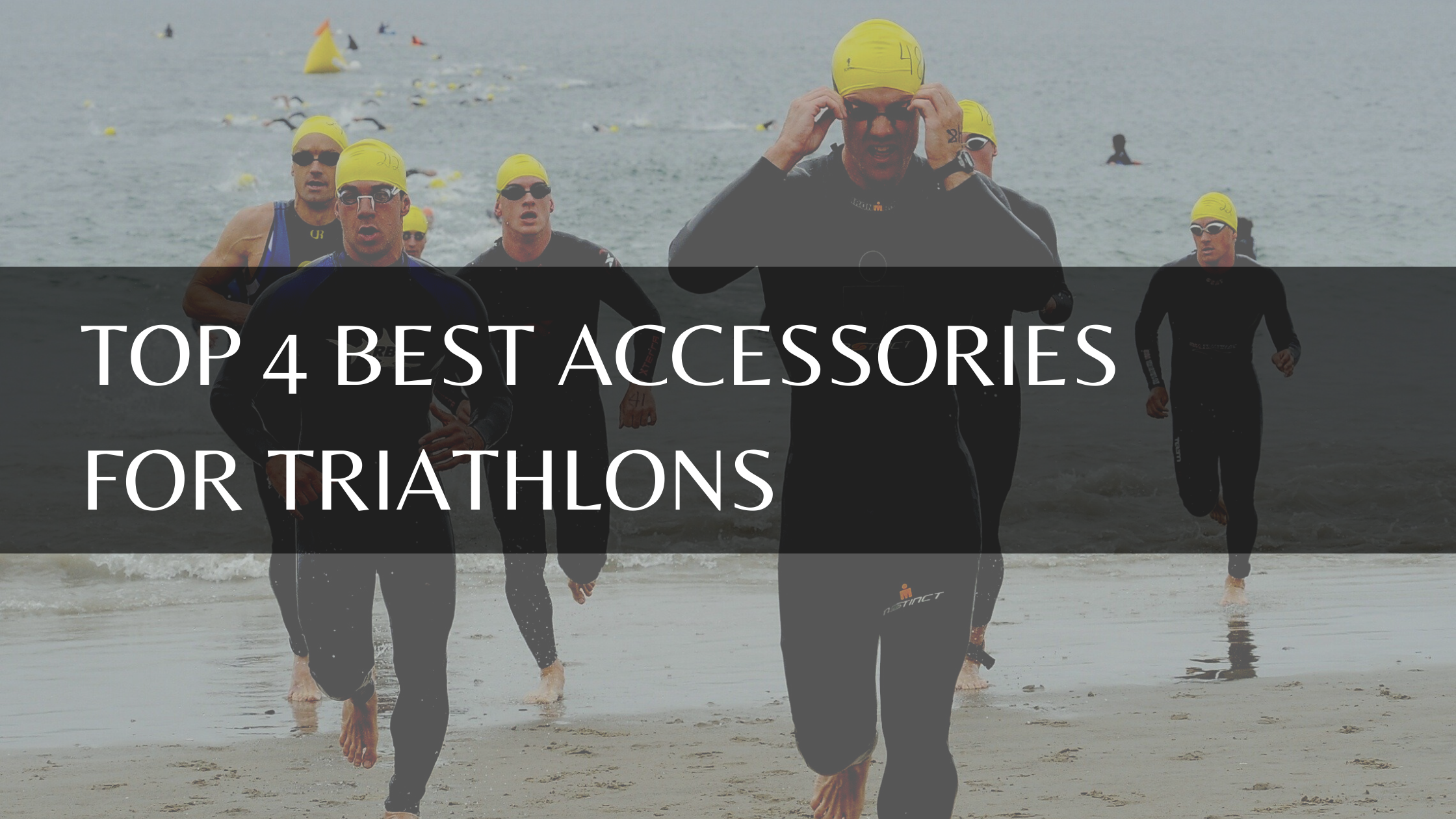
For open-water swims, a wetsuit may be necessary.
The purpose of the wetsuit is to increase buoyancy and reduce drag, allowing swimmers to conserve energy.
They also provide insulation in colder water temperatures.
Wetsuits can range anywhere from $100 to over $500, depending on the brand, material, and thickness.

2. Bike Gear
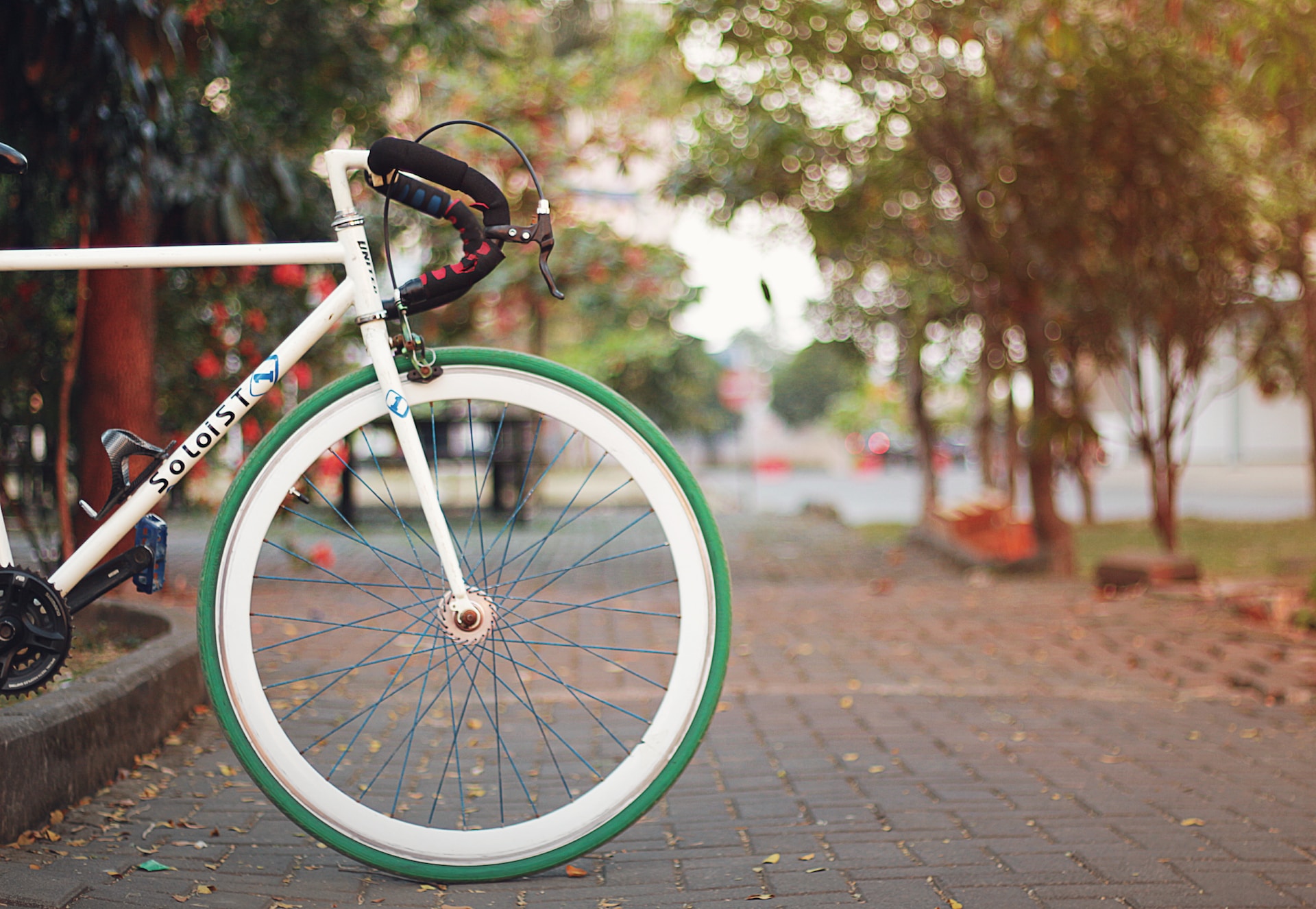
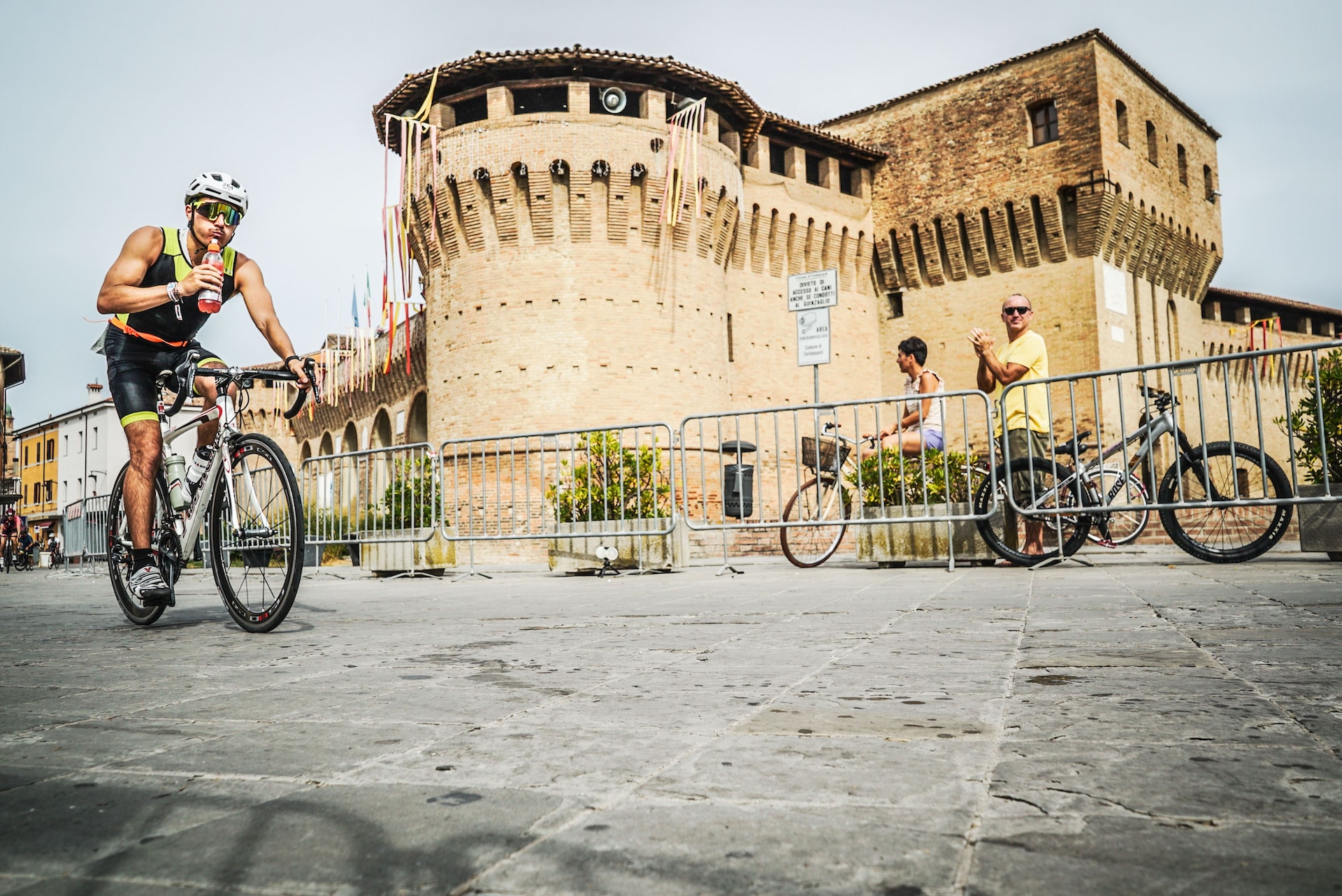
The cycling segment is often the most gear-intensive and, therefore, the most expensive. A reliable road bike is essential.
Bike costs can vary dramatically, from a few hundred dollars for entry-level models to several thousand for advanced racing bikes.
Other necessary cycling equipment includes a helmet (mandatory in most races), cycling shoes, and pedals.
Padded cycling shorts and jerseys are also recommended for comfort during long rides.
It’s worth noting that bike maintenance is an ongoing cost to consider.
Regular tune-ups, replacement of worn-out parts, tire replacements, and potential repairs all add to the total cost of bike ownership.

3. Run Gear
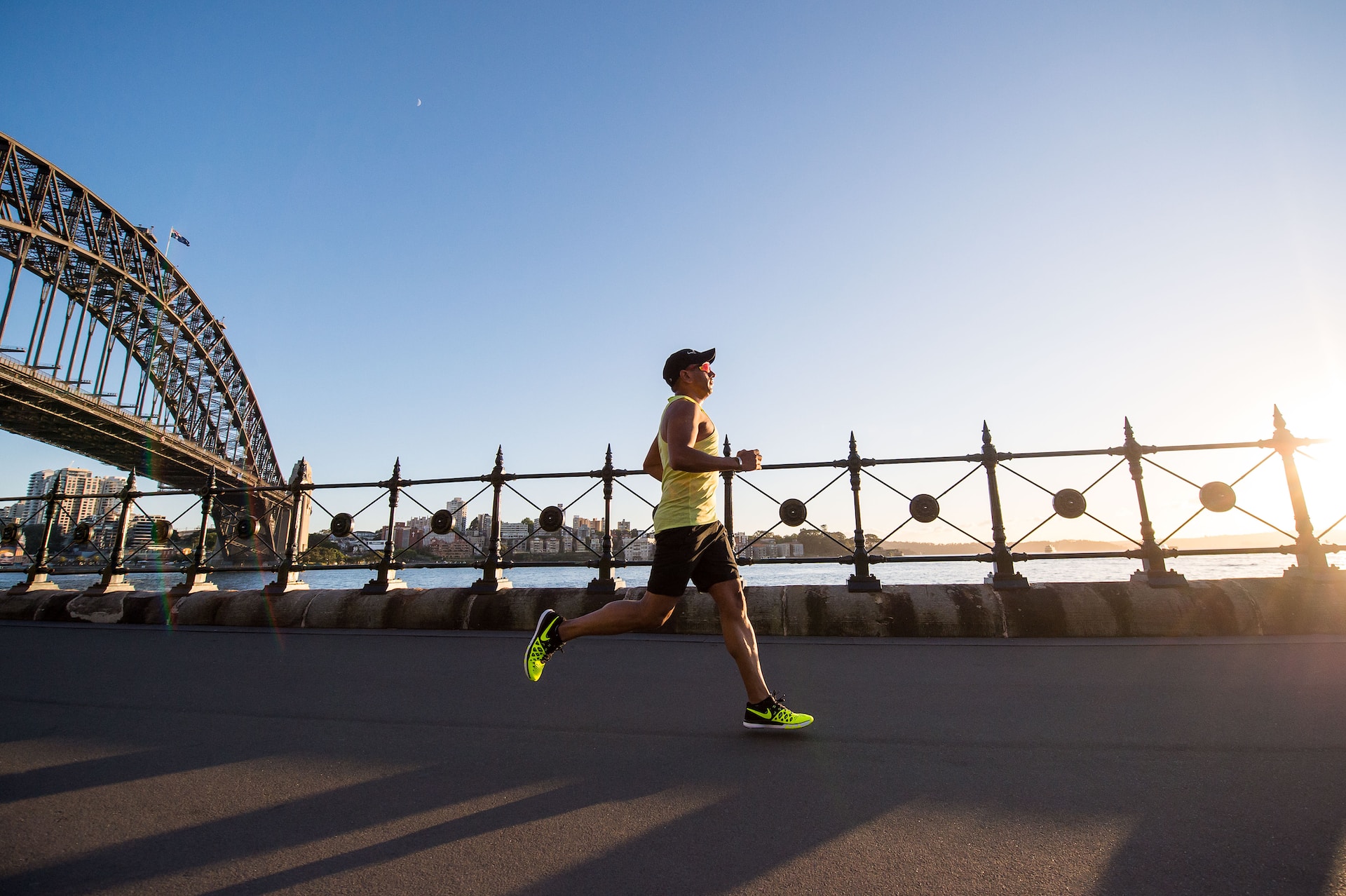
Running gear is the least costly compared to swimming and cycling.
The main investment here is a good pair of running shoes, which can range from $50 to $150 for most mainstream brands.
Technical socks can help prevent blisters, and moisture-wicking clothing can keep you comfortable during your runs.
To save on gear, consider purchasing used equipment, particularly for the more expensive items like the bike.
Many athletes upgrade their equipment frequently, meaning there are often used items in excellent condition available for a fraction of the cost of new gear.

Training Costs
1. Coaching
Coaching is a significant cost to consider.
A professional coach can provide a tailored training plan, advice on technique, and strategies for race day.
Costs for triathlon coaches vary widely, from around $100 per month for online coaching services to $500 or more for personalized, one-on-one coaching.
If this is too steep, consider self-coaching using the multitude of free or low-cost resources available online.
There are also many useful books that every triathlete should read.

2. Club Memberships and Facilities
To train effectively, you may need access to certain facilities.
Gym memberships, which provide access to strength training equipment and often indoor pools, vary by location and level of luxury but expect to pay around $30-$100 per month.
If swimming in open water isn’t an option, a pool membership will be necessary.

3. Nutrition
Proper nutrition is an integral part of triathlon training.
This includes daily meals, pre-workout, and post-workout nutrition, as well as nutrition during workouts for longer sessions.
A well-balanced diet tailored to support your training load can increase your performance and aid in recovery.
Depending on your existing diet, this may increase your regular grocery bill.
The cost of supplements, sports drinks, and energy gels should also be considered.

Race Fees and Travel
1. Race Registration Fees
Race fees vary significantly depending on the race distance, location, and organizer.
A local sprint triathlon might cost as little as $50, while a full Ironman race can cost up to $750 or more.
It’s also worth noting that popular races can sell out quickly, so early registration is recommended not only to secure a spot but also to take advantage of early bird pricing, if available.
Learn more about race fees and travel, other costs to consider and costs for the first triathlon.