Enhancing hand dexterity through occupational therapy
Occupational therapy plays a crucial role in helping individuals improve their hand dexterity and regain functional independence. Whether it's due to an injury, a neurological condition, or developmental delays, occupational therapy interventions are designed to enhance hand strength, coordination, and overall motor skills. This article explores the importance of occupational therapy for hand function and provides insights into various exercises and interventions that can promote hand dexterity.
Occupational therapy exercises for hand strength and coordination
Occupational therapists employ a range of exercises and activities to address specific hand-related challenges faced by individuals. These exercises not only strengthen the muscles and improve coordination but also enhance overall hand function. Let’s explore some occupational therapy exercises commonly used for hand strength and coordination:
1. Gripping and Grasping Exercises
Gripping and grasping exercises focus on improving hand strength and fine motor skills. This may involve gripping various textured objects of different sizes, using resistance tools, or practicing squeezing exercises with stress balls. These activities help strengthen the muscles involved in grip and enhance coordination between the fingers and the palm.
2. Finger and Wrist Flexibility Exercises
Finger and wrist flexibility exercises aim to increase the range of motion and flexibility of the joints. Occupational therapists may recommend finger stretching exercises, finger and wrist rolls, or using therapy putty to improve hand movements. These exercises help individuals regain flexibility and dexterity, enabling them to perform daily activities more efficiently.
3. Hand-Eye Coordination Activities
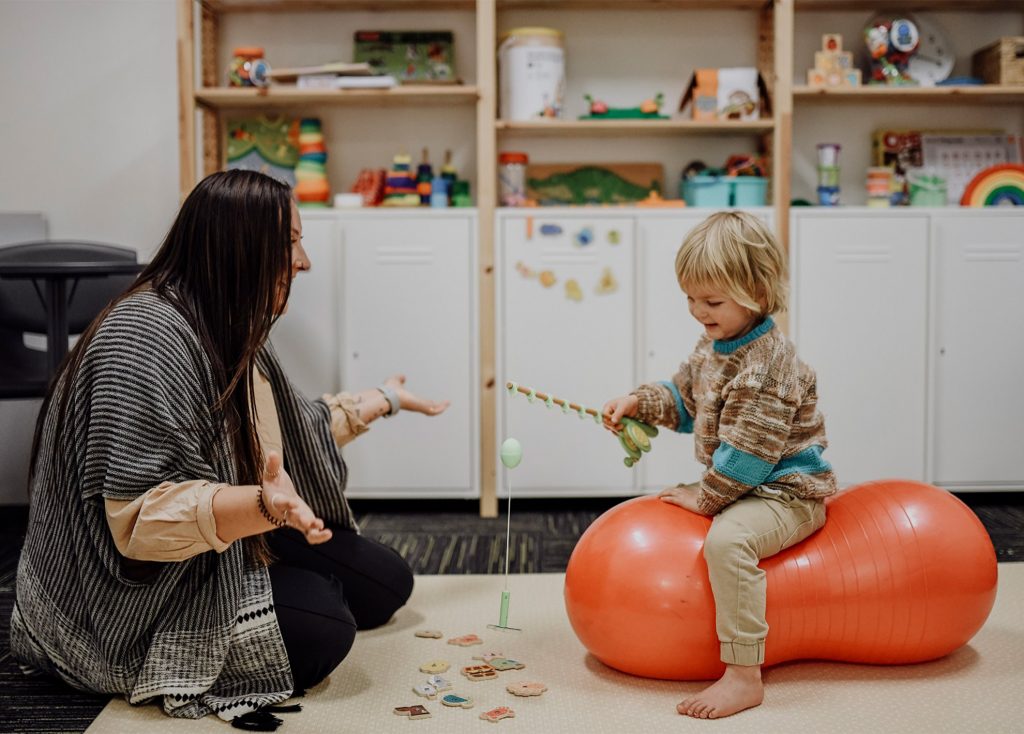
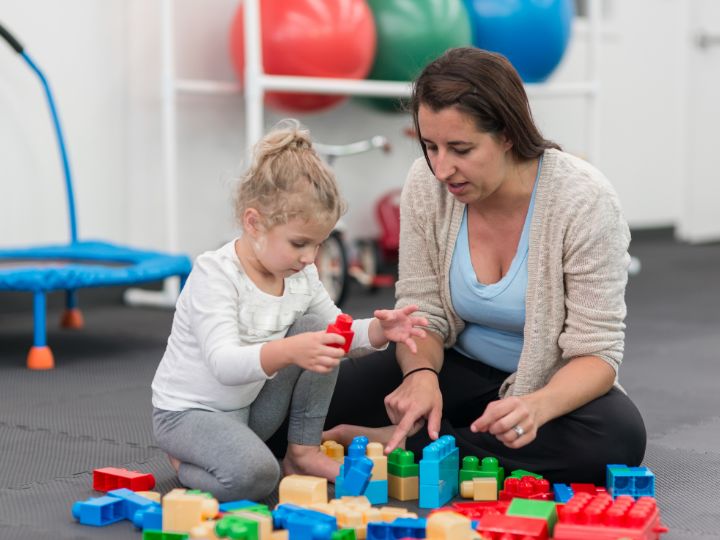
Hand-eye coordination activities focus on improving the synchronization between hand movements and visual input. These activities may involve puzzles, threading beads, building blocks, or playing catch with a partner. By practicing these activities, individuals can enhance their ability to perform precise hand movements based on visual information, ultimately improving their functional hand use.
4. Fine Motor Skill Exercises
Fine motor skills refer to the ability to perform precise movements using the small muscles of the hand. Occupational therapy incorporates various fine motor skill exercises such as picking up small objects, using tweezers, or manipulating buttons and zippers. These exercises help improve hand dexterity, necessary for essential daily tasks like self-care, writing, or using utensils.
Promoting independence through occupational therapy hand interventions
Occupational therapy interventions are designed to promote independence and improve functional hand use. By targeting specific hand-related challenges, occupational therapists can help individuals regain confidence and engage actively in their daily lives. Let's explore some key interventions aimed at promoting independence through occupational therapy:
1. Task-Specific Training
Task-specific training involves practicing activities or tasks that individuals need to perform in their daily lives. Occupational therapists work closely with individuals to identify their specific needs and design interventions that mimic real-life scenarios. This may include practicing self-care tasks, such as buttoning clothes or tying shoelaces, or activities related to work or hobbies. Task-specific training enables individuals to regain their functional hand use and confidently carry out daily activities.
2. Assistive Devices and Adaptive Techniques
Occupational therapists may introduce assistive devices or adaptive techniques to compensate for any physical limitations in hand function. These devices can range from specialized utensils with modified handles to devices that aid with gripping or holding objects. By incorporating assistive devices and adaptive techniques, individuals can overcome challenges related to hand function and achieve a higher level of independence.
3. Environmental Modifications
Occupational therapists may suggest modifications to the individual's environment to enhance functional hand use. This may involve rearranging furniture or adapting the layout of the living or workspace to minimize physical barriers. By creating an environment that supports independent hand function, individuals can navigate their surroundings with ease and perform tasks more efficiently.
4. Sensory Stimulation
Sensory stimulation interventions focus on enhancing hand function by stimulating the senses. Occupational therapists may use different sensory techniques, such as texture exploration, vibration therapy, or temperature-based activities, to promote sensory awareness and improve hand dexterity. These interventions can help individuals regain tactile sensitivity and improve their ability to manipulate objects effectively.
Conclusion
Occupational therapy offers a wide range of interventions to enhance hand dexterity and promote functional independence. Through exercises targeting hand strength, coordination, and fine motor skills, individuals can regain control over their hand movements and perform daily activities with confidence. Additionally, task-specific training, assistive devices, environmental modifications, and sensory stimulation interventions further support individuals on their journey towards independence. If you or someone you know is facing challenges with hand function, consulting an occupational therapist can be a valuable step towards improving functional hand use and overall quality of life.