


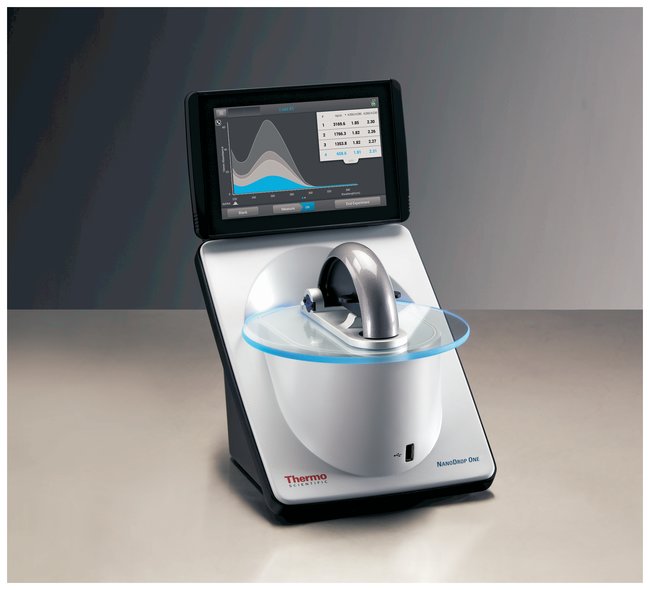
Nanodrop Application
In the field of drug discovery, nanodrop spectrophotometry has emerged as a powerful tool for researchers. With its ability to accurately measure the concentration and purity of samples, nanodrop spectrophotometry has revolutionized the way drugs are developed and analyzed. By utilizing a small sample size and requiring minimal preparation, this technique offers numerous advantages over traditional spectrophotometry methods. In this article, we will explore the various applications of nanodrop spectrophotometry in drug discovery and the impact it has had on the field. For those interested in learning more about the Nanodrop or acquiring it for their research needs, check out our website and utilize our convenient check-out process.
Spectrophotometry Analysis
Spectrophotometry analysis is a fundamental technique used in drug discovery to measure the absorbance or transmittance of sample solutions. It allows researchers to determine the concentration of a target compound or analyze the purity of a sample by measuring the amount of light absorbed at specific wavelengths. Traditional spectrophotometers require larger sample volumes and often involve time-consuming sample preparation steps.
However, nanodrop spectrophotometry has overcome these limitations by utilizing small sample volumes in the microliter range. With nanodrop spectrophotometry, researchers can analyze a wide range of sample types, including nucleic acids, proteins, and small molecules, with high accuracy and precision. The technique involves placing a small droplet of the sample onto a quartz surface and measuring the absorbance or transmittance using a focused beam of light.
Nanodrop Spectrophotometry
Nanodrop spectrophotometry offers several advantages over traditional spectrophotometry methods. Firstly, it requires a significantly smaller sample volume, which is advantageous when working with precious or limited samples. This saves both time and resources, as smaller sample volumes reduce the amount of reagents needed for analysis.
In addition, nanodrop spectrophotometry eliminates the need for cuvettes, which are typically required in traditional spectrophotometry. Cuvettes can be expensive and require cleaning and recalibration between samples. With nanodrop spectrophotometry, the sample is directly pipetted onto a quartz surface, eliminating the need for cuvettes and simplifying the analysis process.
Another important advantage of nanodrop spectrophotometry is its ability to measure a wide range of biomolecules. From DNA and RNA quantification to protein analysis and drug formulation studies, nanodrop spectrophotometry has applications in various areas of drug discovery.
Nanodrop in DNA and RNA Experiments
In DNA and RNA experiments, nanodrop spectrophotometry is commonly used for quantification and purity analysis. It allows researchers to determine the concentration of nucleic acids in a sample and assess its quality.
Nanodrop spectrophotometry can measure the absorbance at 260 nm, which corresponds to the absorption peak of nucleic acids. By comparing the absorbance at 260 nm to the absorbance at 280 nm, researchers can obtain the ratio of nucleic acid to protein, providing valuable information about the purity of the sample.
Furthermore, nanodrop spectrophotometry can measure the absorbance at 230 nm, which is useful for quantifying contaminants such as carbohydrates or phenol that may interfere with downstream applications. This information is crucial for ensuring the reliability and accuracy of experimental results, especially in applications such as gene expression analysis or next-generation sequencing.
Nanodrop in Protein Analysis
Nanodrop spectrophotometry has also found extensive applications in protein analysis. It enables researchers to determine the concentration of a protein sample, without the need for additional steps such as dye binding or Bradford assays.
By measuring the absorbance at 280 nm, nanodrop spectrophotometry can calculate the protein concentration based on the Beer-Lambert law. This allows for quick and accurate protein quantification, saving time and resources in the laboratory.
Moreover, nanodrop spectrophotometry can assess the purity of a protein sample by measuring the absorbance ratio at 280 nm to 260 nm. This ratio indicates the presence of contaminants such as nucleic acids or other proteins, which can affect downstream applications or alter the functionality of the protein of interest.
Nanodrop in Drug Formulation
In the field of drug formulation, nanodrop spectrophotometry plays a critical role in assessing the concentration and stability of drug formulations. It allows researchers to determine the drug concentration and ensure consistency throughout the manufacturing process.
Nanodrop spectrophotometry can also be used to analyze the solubility of drug compounds and evaluate their interactions with excipients. By measuring the absorbance or transmittance of drug solutions at specific wavelengths, researchers can monitor the dissolution of a drug and assess its formulation characteristics.
Furthermore, nanodrop spectrophotometry can provide valuable information on the stability of drug formulations over time. By measuring the absorbance changes at different time points, researchers can determine the degradation rate of a drug and optimize its formulation for increased shelf life and efficacy.
The Impact of Nanodrop Spectrophotometry
The introduction of nanodrop spectrophotometry has had a significant impact on drug discovery. Its ability to accurately measure sample concentrations and assess sample purity has greatly improved the efficiency and reliability of experiments.
By utilizing smaller sample volumes and eliminating the need for cuvettes, nanodrop spectrophotometry has reduced the time and resources required for analysis. This has allowed researchers to analyze a larger number of samples in a shorter period, leading to faster drug development and screening processes.
In addition, nanodrop spectrophotometry has facilitated the development of new drug formulations by providing valuable insights into drug concentration, stability, and solubility. This has contributed to the optimization of drug formulations for enhanced efficacy and reduced side effects.
Overall, the impact of nanodrop spectrophotometry in drug discovery cannot be overstated. Its versatile applications and numerous advantages have revolutionized the field, enabling researchers to make more accurate measurements, improve data quality, and accelerate the drug development process.


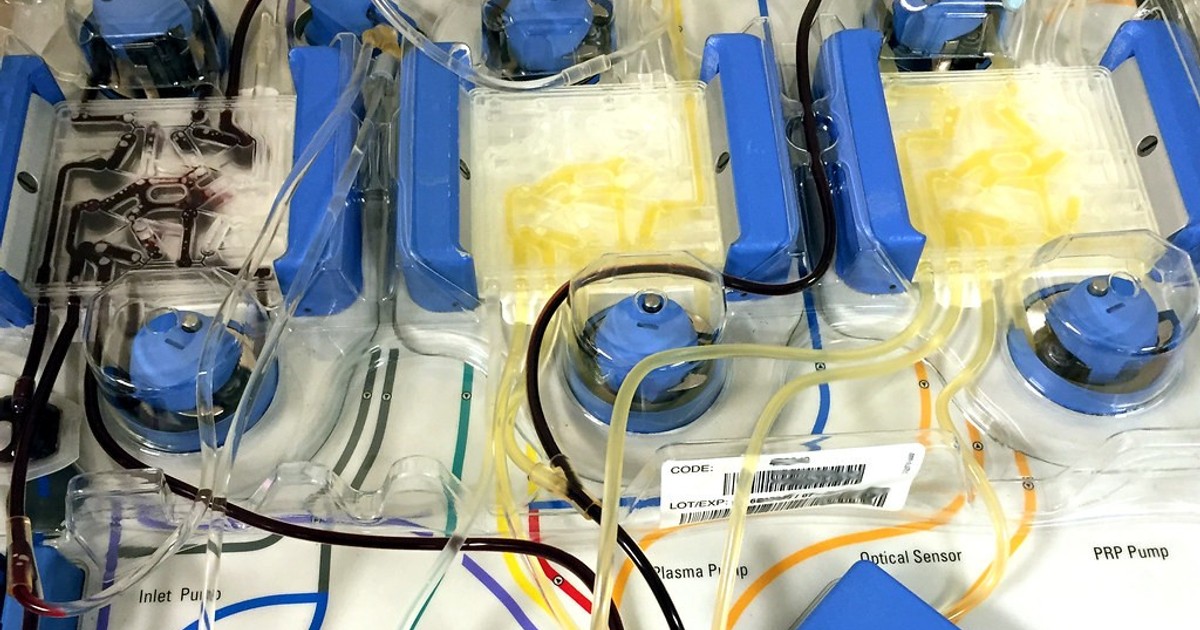
Apheresis equipment is utilized to eliminate a particular measure of blood from the body, often in light of an interest for more blood to be conveyed to a particular organ or a helpful need.
Apheresis contraption can be utilized to take blood from numerous different locales of the body, including the lungs, heart, test tubes, and surprisingly the skin.
Patients can have blood drawn rapidly and effectively with the utilization of particular equipment, without the aggravation, swelling, or risk of contamination that can happen with conventional blood draws.
Hematoma (or platelet) Banks, Dorsal Feeders, Fluidic Filters, and Ultrasound Machines are the most famous types of apheresis equipment.
An assortment of apheresis equipment is likewise being made and is as of now being tried to supplant the current framework and make the most common way of extricating blood impressively simpler, more secure, and more productive.
The treatment of platelet-rich plasma (PRP) issues is one of the most well-known applications for apheresis innovation.
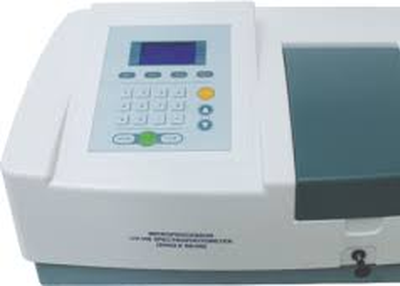
This report studies the global market size of Spectrophotometer in key regions like North America, Europe, Asia Pacific, Central & South America and Middle East & Africa, focuses on the consumption of Spectrophotometer in these regions.
This report also studies the global market status, competition landscape, market share, growth rate, future trends, market drivers, opportunities and challenges, sales channels, distributors and Porter’s Five Forces Analysis.
Market size split by Region
Rest of Central & South America
Do Inquiry Before Accessing Global Spectrophotometer Market Report at https://www.orbisresearch.com/contacts/enquiry-before-buying/2365699 .
Focuses on the key global Spectrophotometer manufacturers, to define, describe and analyze the sales volume, value, market share, market competition landscape, SWOT analysis and development plans in next few years.