


Alexia Fison

0

0

5


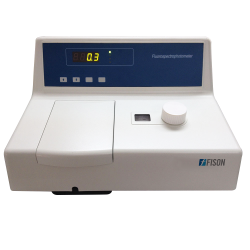
A fluorescence spectrophotometer is a sophisticated scientific instrument designed to measure the fluorescent properties of substances. It operates on the principle of exciting molecules with a specific wavelength of light and then detecting the emitted fluorescence at longer wavelengths. Here's a detailed description of its components and functions:
- Light Source: The spectrophotometer typically employs a powerful light source capable of emitting light at various wavelengths, often including ultraviolet (UV) and visible light. Common light sources include xenon or mercury lamps, as well as light-emitting diodes (LEDs) for specific wavelengths.
- Monochromators or Filters: Fluorescence spectrophotometers are equipped with monochromators or filters to select specific excitation and emission wavelengths. Monochromators allow precise selection of wavelengths, while filters are used for more specific wavelengths or when rapid measurements are required.
- Sample Compartment: This is where the sample to be analyzed is placed. It's usually a cuvette or a sample holder that can accommodate liquid samples. Some instruments may also offer options for solid samples with appropriate accessories.
- Detector: The detector captures the emitted fluorescence from the sample. It's often a photomultiplier tube (PMT) or a charge-coupled device (CCD) detector, capable of detecting low levels of light and converting them into electrical signals.
- Optical System: The optical system of the spectrophotometer consists of mirrors, lenses, and other components that direct and focus the excitation light onto the sample and then collect the emitted fluorescence for detection.
- Control and Data Analysis Software: Modern fluorescence spectrophotometers come with user-friendly software interfaces for instrument control, data acquisition, and analysis. These software packages allow researchers to set experimental parameters, collect data, and analyze fluorescence spectra with ease.
- Calibration Tools: To ensure accurate measurements, fluorescence spectrophotometers often include calibration tools for wavelength accuracy, intensity calibration, and correction for instrument-specific factors.
- Temperature Control: Some advanced models may feature temperature control systems to maintain the sample at a constant temperature during measurements. This is particularly important for certain biological or chemical applications where temperature can influence fluorescence properties.
- Accessories: Depending on the specific application, fluorescence spectrophotometers may be equipped with various accessories such as polarizers, automatic titrators, or microplate readers to accommodate different experimental setups and sample types.
Fluorescence spectrophotometers find applications in a wide range of fields including biochemistry, molecular biology, environmental science, pharmaceuticals, and materials science. They are invaluable tools for studying the fluorescence behavior of molecules, probing molecular structure, quantifying analytes, and monitoring chemical reactions in real-time.
0
0
5
Alexia Fison
From the Author
Related Articles
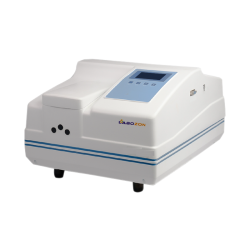
A Fluorescence Spectrophotometer is a scientific instrument used to measure the fluorescence emission of a sample. This instrument operates based on the principle of fluorescence, which involves the absorption of light at a specific wavelength by a molecule and the subsequent emission of light at a longer wavelength. The main components of a Fluorescence Spectrophotometer typically include:Light Source: A high-intensity lamp or a laser that emits light at specific wavelengths, usually in the ultraviolet (UV) or visible range. Optics: A series of lenses and mirrors that focus and direct the light onto the sample and collect the emitted fluorescence signal. These optical components ensure efficient excitation and detection of fluorescence emission.
0
1
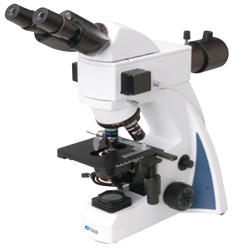
A fluorescence microscope is a specialized optical instrument used primarily in biology, medicine, and materials science to visualize and analyze specimens that emit fluorescence. Unlike conventional light microscopes, which illuminate specimens with white light, fluorescence microscopes utilize specific wavelengths of light to excite fluorescent molecules within the sample, causing them to emit light of a longer wavelength. Key components of a fluorescence microscope typically include:Light Source: Fluorescence microscopes commonly use high-intensity light sources such as mercury arc lamps, xenon arc lamps, or LED sources. Dichroic Mirror (or Beamsplitter): This specialized mirror reflects the excitation light towards the specimen while allowing emitted fluorescence to pass through to the detection system. Detector: Fluorescence microscopes are equipped with sensitive detectors, such as CCD or CMOS cameras or photomultiplier tubes (PMTs), to capture the emitted fluorescence and convert it into digital signals for image formation and analysis.
0
2

In the near future, it is also anticipated that the increasing use of X-ray fluorescence spectrometers in tablet grouping procedures to assess pollutants both internally and externally would increase demand for X-ray fluorescence analyzers globally. With their distinct benefits, these substitute technologies could threaten XRF analyzer market share, especially in certain sectors or applications. sample=1Impact of COVID-19 on the Global X-ray Fluorescence Analyzer MarketThe world economy is being negatively impacted by the COVID-19 for consumers, businesses, and commodities. By Product: Based on the Product, Global X-ray Fluorescence Analyzer Market is segmented as; Handheld, Bench-top. By Application: Based on the Application, Global X-ray Fluorescence Analyzer Market is segmented as; Cement, Mining and Metals, Petroleum, Chemicals, Environment, Food and Pharmaceutical.
0
1