Provider Credentialing Services
Welcome to our blog post on provider credentialing, a crucial process in the healthcare industry. In this article, we will explore the importance of provider credentialing, discuss the necessary steps involved, and provide a comprehensive checklist to ensure a smooth and efficient credentialing process. Whether you are a healthcare provider, a healthcare organization, or simply interested in understanding more about provider credentialing, this article is for you.
Understanding Provider Credentialing
Provider credentialing is the process through which healthcare organizations verify the qualifications, experience, and competence of healthcare professionals. It is a meticulous process that ensures healthcare providers meet the necessary requirements to deliver safe and high-quality care to patients.
Why is provider credentialing important? The answer lies in patient safety and quality of care. When patients visit a healthcare provider, they do so with the expectation of receiving competent and reliable care. By credentialing providers, healthcare organizations can ensure that only qualified professionals deliver healthcare services.
Provider credentialing also plays a crucial role in insurance reimbursements. Insurance companies typically require healthcare providers to be properly credentialed before reimbursing them for services rendered. Failing to complete the credentialing process can lead to delayed payments or denial of reimbursements.
The Provider Credentialing Checklist
To help you navigate the provider credentialing process, we have created a comprehensive checklist. This step-by-step guide will ensure that you cover all the essential aspects of provider credentialing.
1. Determine Credentialing Requirements
Research and understand the credentialing requirements specific to your organization and the healthcare providers you wish to credential. This may include educational qualifications, licenses, certifications, and other compliance criteria.
2. Collect Provider Information
Gather all the necessary information about the healthcare providers you need to credential. This includes personal details, educational background, work history, references, and any additional documentation required by your organization or regulatory bodies.
3. Verify Education and Training
Thoroughly verify the educational qualifications and training of the healthcare providers. This process may involve contacting educational institutions, checking with licensing boards, and requesting official documentation.
4. Check Professional Licensure
Ensure that all healthcare providers hold valid and unrestricted licenses to practice in their respective fields. Verify the licenses with the appropriate licensing boards and keep copies of the licenses on file.
5. Review Work History
Conduct a thorough review of the work history of the healthcare providers. This includes verifying previous employment, checking for any disciplinary actions, and contacting references to gather information about the provider's professional conduct and performance.
6. Evaluate Malpractice History
Assess the malpractice history of the healthcare providers. Obtain malpractice insurance information and review any past claims or settlements. It is crucial to ensure that providers have adequate malpractice coverage.
7. Confirm Insurance Participation
If applicable, confirm that the healthcare providers participate in the insurance plans accepted by your healthcare organization. This step is important to ensure seamless reimbursement and billing processes.
8. Conduct Background Checks
Perform thorough background checks on the healthcare providers, including criminal background checks and verification of their exclusion status from federal healthcare programs. Exclusion screenings are essential for compliance with fraud and abuse regulations.
9. Obtain Peer References
Request peer references from healthcare providers to gain insights into their professional abilities and working relationships. Peer references provide valuable information about a provider's clinical competence and collaboration skills.
10. Complete Application Forms
Assist healthcare providers in completing the necessary application forms required for credentialing. Ensure that all provided information is accurate and complete to avoid delays in the credentialing process.
11. Submit Applications and Supporting Documents
Submit the completed application forms and all supporting documents to the appropriate credentialing bodies, insurance companies, and regulatory agencies. Ensure that all documents are organized, properly labeled, and securely transmitted.
12. Monitor Credentialing Timeline
Track the progress of the credentialing process and proactively follow up on any delays or issues that may arise. Stay in touch with the credentialing bodies and insurance companies to ensure a smooth and timely completion of the process.
13. Maintain Credentialing Records
Maintain accurate and up-to-date records of all credentialing activities, including application forms, supporting documents, and correspondence. These records serve as evidence of compliance and can be valuable during audits or inspections.
14. Periodic Re-Credentialing
Remember that provider credentialing is an ongoing process. Schedule regular re-credentialing cycles to ensure that providers maintain their qualifications, licenses, and professional standing. Re-credentialing helps to ensure ongoing compliance and patient safety.
Credentialing and Privileging
Credentialing and privileging are often mentioned together, but they are distinct processes with different objectives. While credentialing focuses on verifying a healthcare provider's qualifications and competence, privileging relates to granting specific clinical privileges based on a provider's skills and experience.
Privileging typically occurs after the credentialing process. It involves evaluating a provider's clinical competency in specific procedures, treatments, or interventions. Based on this evaluation, healthcare organizations grant privileges outlining the scope of practice for each provider.
When healthcare providers apply for privileges, the organization's privileging committee reviews their qualifications, training, experience, and performance. The committee carefully considers the provider's ability to perform specific procedures safely and effectively.
It is important to note that the privileging process should align with state regulations, professional standards, and institutional policies. Organizations must ensure that providers have appropriate privileges for the services they offer to maintain patient safety and quality of care.
In Conclusion
Provider credentialing is an essential process that safeguards patient safety, ensures quality care, and facilitates smooth reimbursement for healthcare services. By following a comprehensive checklist and understanding the steps involved, healthcare organizations can streamline the credentialing process and maintain compliance with regulatory standards.
Remember that provider credentialing is an ongoing process that requires periodic monitoring, re-credentialing, and privileging. By staying proactive and up-to-date, healthcare organizations can ensure that their provider networks consist of qualified professionals who deliver exceptional care to their patients.
We hope this article has provided valuable insights into the world of provider credentialing. If you have any questions or would like further information, please feel free to reach out to us. Stay tuned for more informative articles on healthcare-related topics!

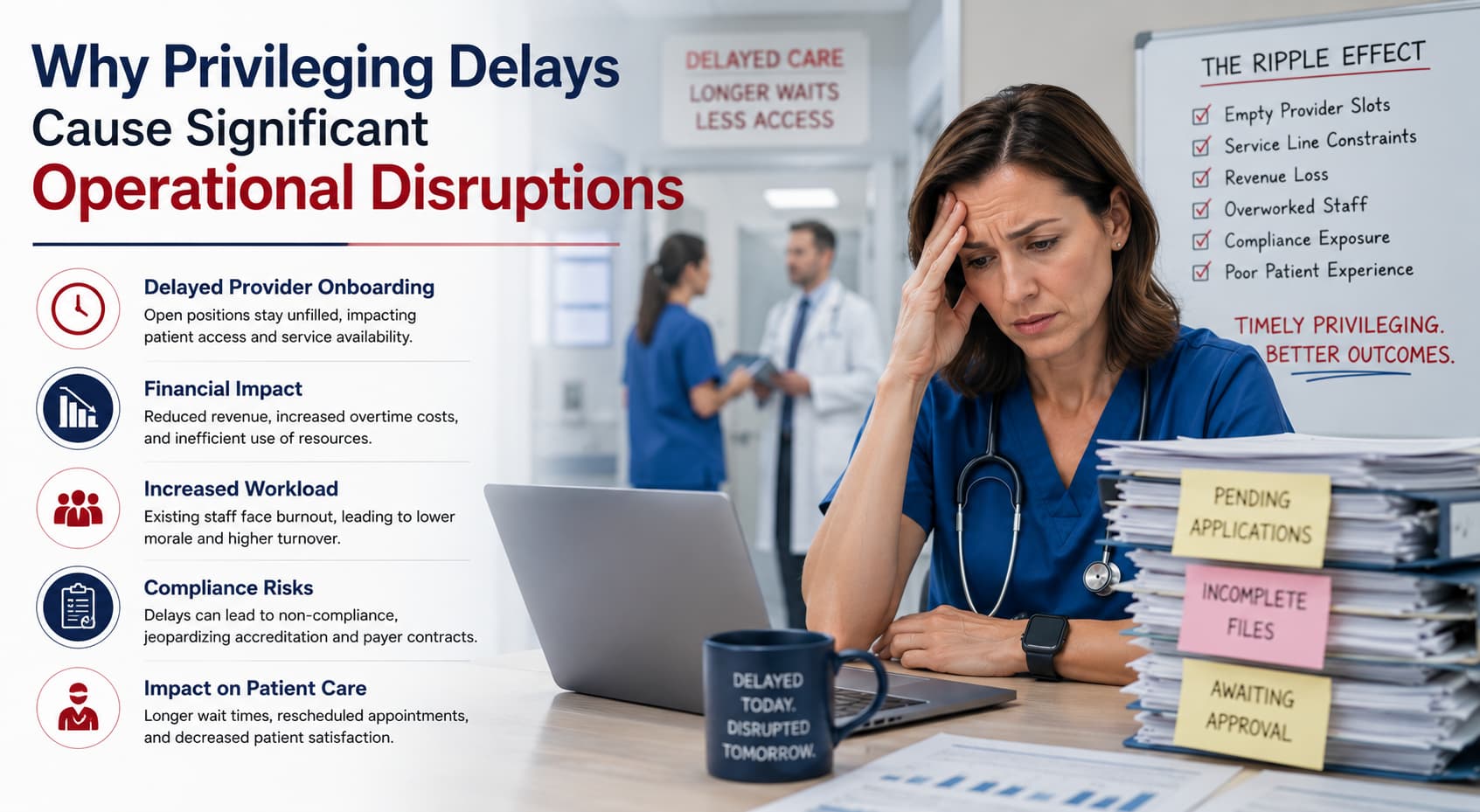
Hospitals are built around coordination. Patient scheduling, operating room availability, staffing plans, reimbursement timelines, and care delivery all rely on providers being ready to practice at

A letter of Interest for credentialing is practically a letter you send to an insurance company of your Interest in hopes of getting paneled with them.letter of interest for insurance credentialing,provider letter of interest to insurance company